Damp and Mould in a Baby’s Room: Winter UK Guide
Condensation and mould in a nursery are common in a UK winter, but government health guidance says damp and mould mainly affect the airways and lungs, and babies and young children are at higher risk. Here is how to cut moisture, clean mould safely and when to ask your landlord, council or GP for help.
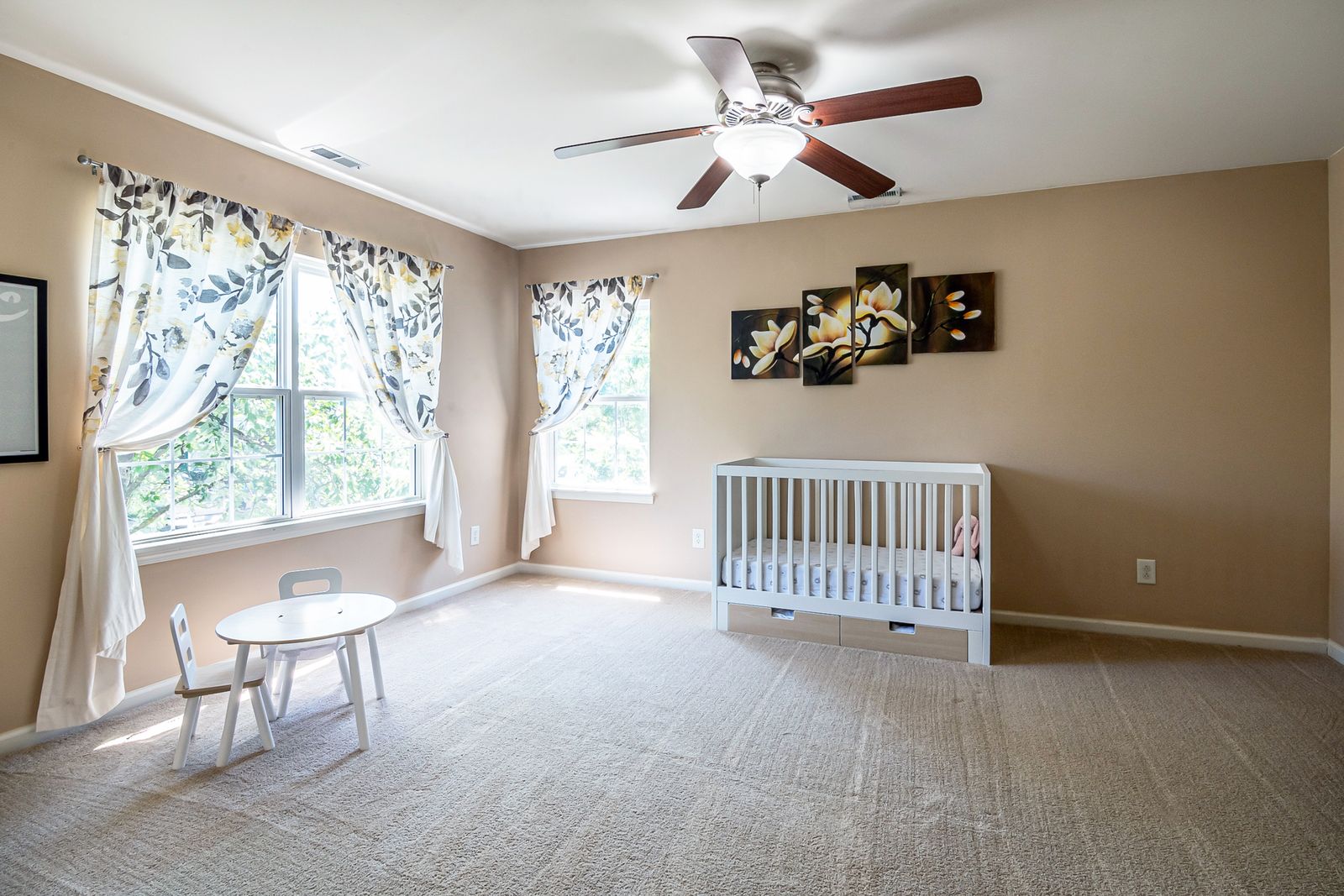
Damp and mould in a baby's room is worth taking seriously, and most of the time it's fixable. Government health guidance says damp and mould mainly affect the airways and lungs, and that children and young people, pregnant women and those who have recently given birth are among the groups at higher risk. This guide explains what causes condensation and mould in a nursery over winter, how to cut it down safely, how to clean mould without making things worse, and when to ask your landlord, council or GP for help.
Why does mould appear in nurseries in winter?
Cold weather means windows stay shut and heating goes on and off, which is exactly when moisture builds up. The government guidance on damp and mould explains that condensation mostly comes from everyday activities such as showering, cooking and drying laundry. When that warm, moist air meets a cold surface, such as a window, an outside wall or the corner behind a wardrobe, it turns to water, and mould can grow on it.
A baby's household tends to make more moisture than most: frequent washing, steamy bottle sterilising, baths, and clothes drying on radiators. Nurseries are often the smallest, coldest bedroom, with a cot pushed against an outside wall. That combination is a common recipe for condensation.
The same guidance says tenants should not be blamed for damp and mould caused by building or ventilation problems. Leaks, rising damp or poor insulation need to be fixed at source, not just wiped away.
Why does it matter for babies?
According to the government guidance, damp and mould primarily affect the airways and lungs. It lists coughing, wheezing, shortness of breath, airway infections and worsening of asthma among the possible effects, and says it can also irritate the eyes and skin, including eczema or itchy rashes. It identifies children and young people whose organs are still developing as more likely to develop respiratory problems, and it names pregnant women, their unborn babies and women who have recently given birth as higher-risk groups.
The guidance has no separate section for newborns, so it's worth being clear about what it does and doesn't say. It doesn't claim that a patch of mould will make a healthy baby ill. It says the risk is real and that living with damp and mould should not be accepted as normal. If your baby has a persistent cough, wheeze or blocked nose, our guides to a baby's cold or blocked nose and bronchiolitis set out the NHS advice on when to worry.
How to reduce condensation in the nursery
The government guidance sets out practical steps that apply to any home. Here they are, applied to a baby's room and the rooms around it.
Ventilate without chilling the baby
- Use extractor fans in the kitchen and bathroom, and keep them working.
- Close internal doors when cooking or showering, so steam doesn't drift into the nursery.
- Open windows periodically and ventilate after cooking and bathing.
- Keep trickle vents open and unblocked, and leave a gap between furniture and external walls.
Airing the room doesn't mean leaving a baby in a cold draught. Open the window while your baby is in another room, then close it and let the room return to a comfortable temperature before they sleep there. For the temperature to aim for and how to dress your baby overnight, see our winter baby room temperature guide.
Make less moisture
- Cover pans when cooking.
- Dry laundry outdoors where possible. The guidance names drying laundry as a main source of condensation.
- Wipe condensation from windows and sills in the morning and don't let it pool.
Keep the room consistently warm
Warm air holds more moisture and cold surfaces create condensation, so a room that swings between freezing and hot is more prone to it. Aim for steady, moderate heating rather than blasts. Keep any heater well away from the cot.
Think about furniture position
If you can, move the cot away from an outside wall. Leave a gap behind wardrobes and chests of drawers so air can circulate. Our guide to baby gear you don't need is a useful prompt to avoid cluttering a small room.
Do you need a humidity monitor or dehumidifier?
A cheap room thermometer-hygrometer can show whether the nursery is persistently damp and needs more airflow. It's a helpful tool rather than a requirement. A dehumidifier can help in rooms that stay damp despite ventilation, but it treats the symptom, not the cause. Check that any electrical product carries UK safety marks, keep cables away from the cot and don't buy from unknown marketplace sellers; see our guide to buying baby gear safely.
How to clean mould safely
The government guidance says small amounts of condensation or mould can usually be cleaned with a mould and mildew product, and that these products should be used in preference to bleach. It also advises:
- Wear a mask, gloves and goggles.
- Keep internal doors shut and windows open while you clean.
- Bag and dispose of contaminated materials safely, and wash or dispose of cloths and protective equipment afterwards.
- Leave larger areas of mould to a qualified professional.
It adds that cleaning mould does not replace fixing the underlying cause. Practically, keep your baby out of the room while you clean and until it has been aired, and don't paint over mould without treating the cause first.
What about mouldy cot mattresses, soft toys and clothes?
If mould has grown on a cot mattress, soft furnishings or a pram footmuff, the safest approach is usually to replace the item rather than try to rescue it. The government guidance recommends safe disposal of contaminated materials. A mattress used for sleep is not the place to take a chance, so check what to look for in a new cot bed if you need to replace one.
When to get help
If you rent
The government guidance states that medical evidence is not a requirement for action, so you don't need a doctor's letter before you report damp and mould to your landlord. Put it in writing, with dated photos. In England, Awaab's Law came into force on 27 October 2025 for social housing, under the Hazards in Social Housing (Prescribed Requirements) (England) Regulations 2025, according to the government guidance for social landlords. It's named after Awaab Ishak, who died in December 2020 aged two from a severe respiratory infection linked to mould in his home. If your landlord doesn't act, your local council's environmental health or private housing team can step in. Scotland, Wales and Northern Ireland have different rules, so check with your own council or housing body.
If your baby seems unwell
The guidance advises anyone worried about symptoms to consult a healthcare professional. For a baby with breathing difficulties, call 111, or 999 if the situation is an emergency, in line with NHS advice. Don't wait for the damp to be fixed before getting your baby checked.
A simple nursery damp checklist
- Check windows, sills, corners and behind furniture weekly for condensation and black or green spots.
- Wipe condensation away each morning.
- Close doors and run extractor fans when cooking, bathing or sterilising bottles.
- Dry washing outdoors where you can.
- Air the room while the baby is elsewhere, then let it warm up again.
- Move the cot and furniture away from cold outside walls.
- Clean small mould patches with a mould and mildew product, with protection, and fix the cause.
- Report persistent or large areas to your landlord or council in writing.
Winter condensation is very common and rarely a reason to panic. What matters is not leaving it to build up, tackling the cause, and asking for help early if the problem keeps coming back.
Related guides
Frequently asked questions
Is mould in a baby’s room dangerous?+
Government health guidance says damp and mould primarily affect the airways and lungs and that children and young people are more likely to develop respiratory problems. It should be dealt with, not ignored.
How do I clean mould in a nursery?+
The government guidance says to use a mould and mildew product in preference to bleach, wear a mask, gloves and goggles, keep windows open and doors shut, dispose of contaminated materials safely, and leave large areas to a professional.
What causes condensation in a baby’s room?+
According to government guidance, condensation mostly comes from everyday activities such as showering, cooking and drying laundry, which put moisture into the air that then meets cold surfaces.
Do I need medical evidence before reporting damp to my landlord?+
No. The government guidance states that medical evidence is not a requirement for action. Report it in writing with dated photos.
What is Awaab’s Law?+
In England it came into force on 27 October 2025 for social housing, under the Hazards in Social Housing (Prescribed Requirements) (England) Regulations 2025, following the death of two-year-old Awaab Ishak in December 2020.
Sources
Related guides

Cot Mattress UK: What to Check Before You Buy (2026)
Black Friday is a good moment to buy a cot mattress, but only if it passes the safety basics. The NHS and Lullaby Trust say it should be firm, flat, waterproof-covered and fit the cot with no gaps. Here is the checklist, a comparison of mattress types, second-hand rules and the sale-season traps to avoid.

BlueMello Swaddle Blanket Recall (Amazon): OPSS Warning
OPSS has recalled the BlueMello Baby Swaddle Blanket sold on Amazon because a baby can slip below the covers, risking overheating and airway obstruction. Here is what to do, how to check any swaddle, and safer UK alternatives.
Baby Sleep Away From Home at Christmas: UK Safe Guide
Staying with family over Christmas? Here is how to set up safe sleep for your baby away from home: checking a borrowed cot and mattress, using a travel cot, handling car seats and sofas, and what to pack, with NHS and Lullaby Trust guidance.

Written by
Sepehr
Software engineer, soon-to-be dad, uncle to four — the tech-obsessed half of the two of us testing this stuff. Currently building this site with my wife, ahead of our own baby arriving.