Bronchiolitis in Babies: Symptoms & When to Worry
Bronchiolitis is a common winter chest infection in babies. Here is what the NHS says about the symptoms, the signs that mean call 999 or 111, how to care for your baby at home, and how to lower the risk, including RSV protection.
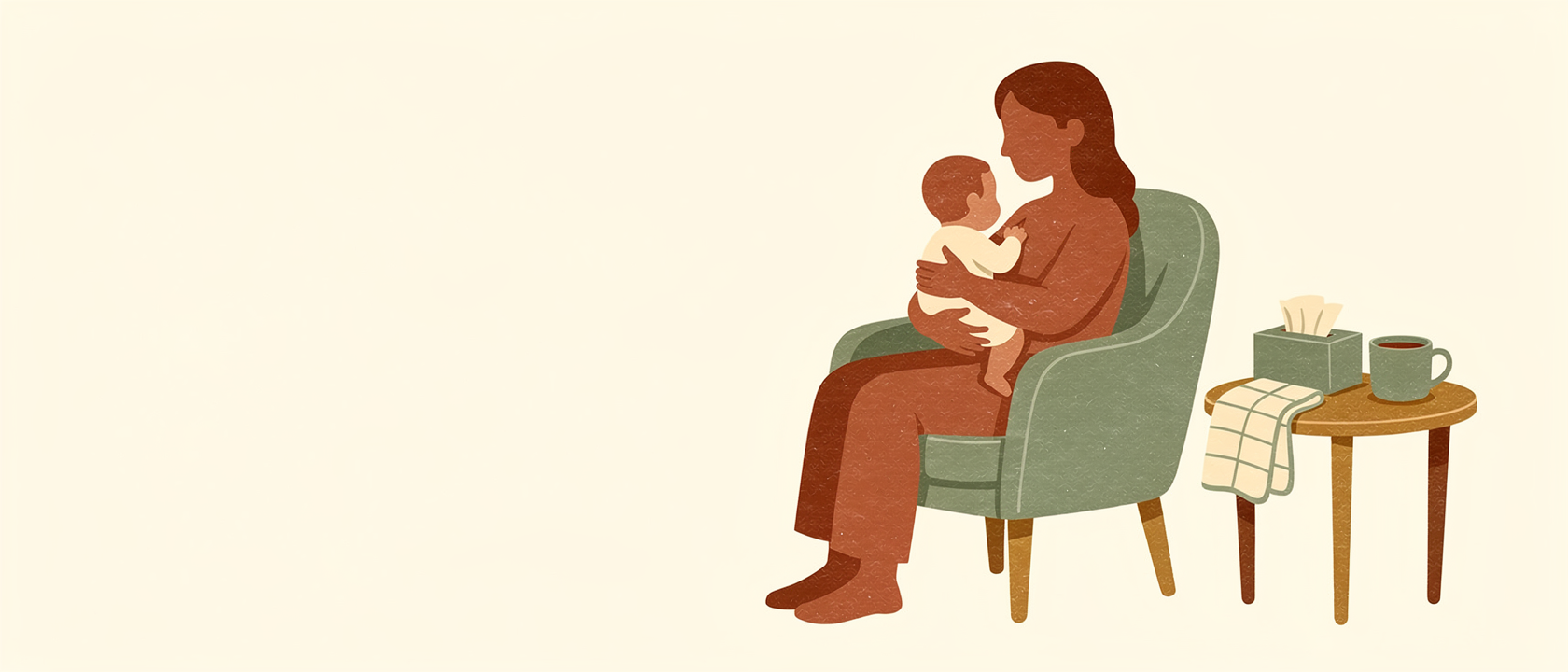
Bronchiolitis is a common chest infection in babies and young children that peaks in autumn and winter. According to the NHS, it starts like a cold and is usually mild enough to manage at home, but you need to know the signs that mean a baby needs urgent help. This guide covers bronchiolitis symptoms, when to call 111 or 999, how to care for your baby at home, and how to reduce the risk.
What is bronchiolitis?
Bronchiolitis is an infection of the smallest airways in the lungs. The NHS says the early symptoms are similar to a cold, and it is usually caused by a virus. Respiratory syncytial virus (RSV) is the most common cause, which is why the RSV vaccine in pregnancy is part of the NHS's winter protection for babies. Because it is viral, the NHS notes there is no specific treatment: it usually gets better on its own.
Bronchiolitis symptoms to look for
The NHS describes a pattern that begins with cold-like symptoms and then moves to the chest. Later signs include:
- a dry, persistent cough
- faster breathing than normal
- difficulty feeding
- noisy breathing
- irritability
The NHS says symptoms are usually worst between days 3 and 5, and the cough usually gets better within 3 weeks. A baby who coughs on and off for that time but is feeding, wetting nappies and settling between coughs is following the typical pattern.
When to call 999
The NHS says to call 999 immediately if your child:
- is having difficulty breathing, such as grunting noises, or the tummy sucking in under the ribs
- is breathing very quickly
- has pauses when they breathe
- has blue or grey skin, tongue or lips
- is floppy and will not wake up or stay awake
Do not wait to see whether it passes. These are signs that a baby is struggling to breathe.
When to call 111 or get an urgent GP appointment
The NHS advises calling 111 or asking for an urgent GP appointment if:
- a cold is getting worse
- your baby is feeding or eating much less than normal
- they have had a dry nappy for 12 hours or more, or show other signs of dehydration
- a baby under 3 months has a temperature of 38C or higher, or an older child has 39C or higher
- they are very tired, irritable, or do not seem themselves
- you are worried about your child
That last point matters. If your instinct says something is wrong, ringing 111 is always reasonable. For more on temperatures, see our guide to baby fever and when to call 111.
How to care for a baby with bronchiolitis at home
The NHS home-care advice is simple and practical:
- Keep feeding. Offer smaller, more frequent feeds, because a baby with a blocked, breathless chest tires quickly at the breast or bottle.
- Keep them upright when awake to make breathing easier.
- Check on them regularly, including overnight.
- Pain relief: the NHS says you can give children's paracetamol (over 2 months) or ibuprofen (over 3 months) if your child is distressed, but not both at the same time. Check the packaging for the dose, and speak to a pharmacist or GP first for younger babies.
The NHS also says to avoid smoking around your child, to avoid sponging them with cool water or removing all their clothes to cool them, and never to give aspirin to under-16s. Keep your baby's room at a comfortable temperature rather than hot: our winter baby room temperature guide explains the NHS 16 to 20C range.
How to reduce the risk of bronchiolitis
You cannot prevent every cold, but the NHS suggests:
- washing your hands and your baby's hands often, and cleaning toys and surfaces
- not sharing cutlery and cups, and using disposable tissues
- keeping newborns away from people with colds or flu, especially if they were born prematurely
The NHS also says the RSV vaccine is available from 28 weeks of pregnancy and protects the baby for their first 6 months, and that some high-risk children may be offered an antibody injection each winter. Our RSV vaccine in pregnancy guide explains who is eligible and how to book. If you are also planning other winter protection, read about the children's flu vaccine.
Why it matters more for young babies
The NHS says bronchiolitis is caused by a viral infection, usually RSV, and that almost all children catch RSV at least once before they turn 2. It spreads easily in coughs and sneezes, so a sibling's cold, a visiting relative or a nursery bug can all bring it home. For most children it is a mild illness, but the NHS notes it can be serious in some children, who may need hospital treatment.
The NHS lists these groups as being at higher risk:
- babies under 6 months old
- babies and children born prematurely
- babies and children with a weakened immune system, or long-term lung or heart conditions
If your baby is in one of these groups, ask your GP, health visitor or midwife what extra protection is available, and be quicker to seek advice when a cold gets worse.
Is it a cold or bronchiolitis?
In the first couple of days it can be impossible to tell, because the NHS says early symptoms are similar to a cold. The clues come later: a cold that is getting worse rather than better, breathing that looks faster or harder than usual, noisy breathing, and feeds that become a struggle. Watch your baby's chest and tummy as they breathe, and note how many wet nappies they have had. Those two observations are exactly what a call handler or GP will ask about.
What to say when you phone 111 or the GP
It helps to have a few facts ready, so you get the right advice quickly:
- your baby's age, and whether they were born prematurely
- when the cold symptoms started and how they have changed
- their temperature, if you have taken it
- how much they have fed compared with normal, and when they last had a wet nappy
- what their breathing looks like: fast, noisy, or with the tummy sucking in
A short winter checklist for parents
- Know the 999 signs above before you need them.
- Keep a room thermometer in the nursery.
- Save the NHS 111 number in your phone so you can find it quickly out of hours.
- Ask your midwife or health visitor about RSV protection if you are pregnant.
Frequently asked questions
How long does bronchiolitis last in babies?+
The NHS says symptoms are usually worst between days 3 and 5, and the cough usually gets better within 3 weeks.
When should I take my baby with bronchiolitis to hospital?+
The NHS says to call 999 if your baby has difficulty breathing (grunting or the tummy sucking in under the ribs), pauses in breathing, blue or grey skin, tongue or lips, or is floppy and will not wake up or stay awake.
Do antibiotics help bronchiolitis?+
The NHS says there is no specific treatment for bronchiolitis and it usually gets better on its own. Your GP will advise if your baby needs anything further.
Can the RSV vaccine prevent bronchiolitis?+
The NHS says the RSV vaccine is offered from 28 weeks of pregnancy and protects the baby for the first 6 months of life.
Sources
Related guides
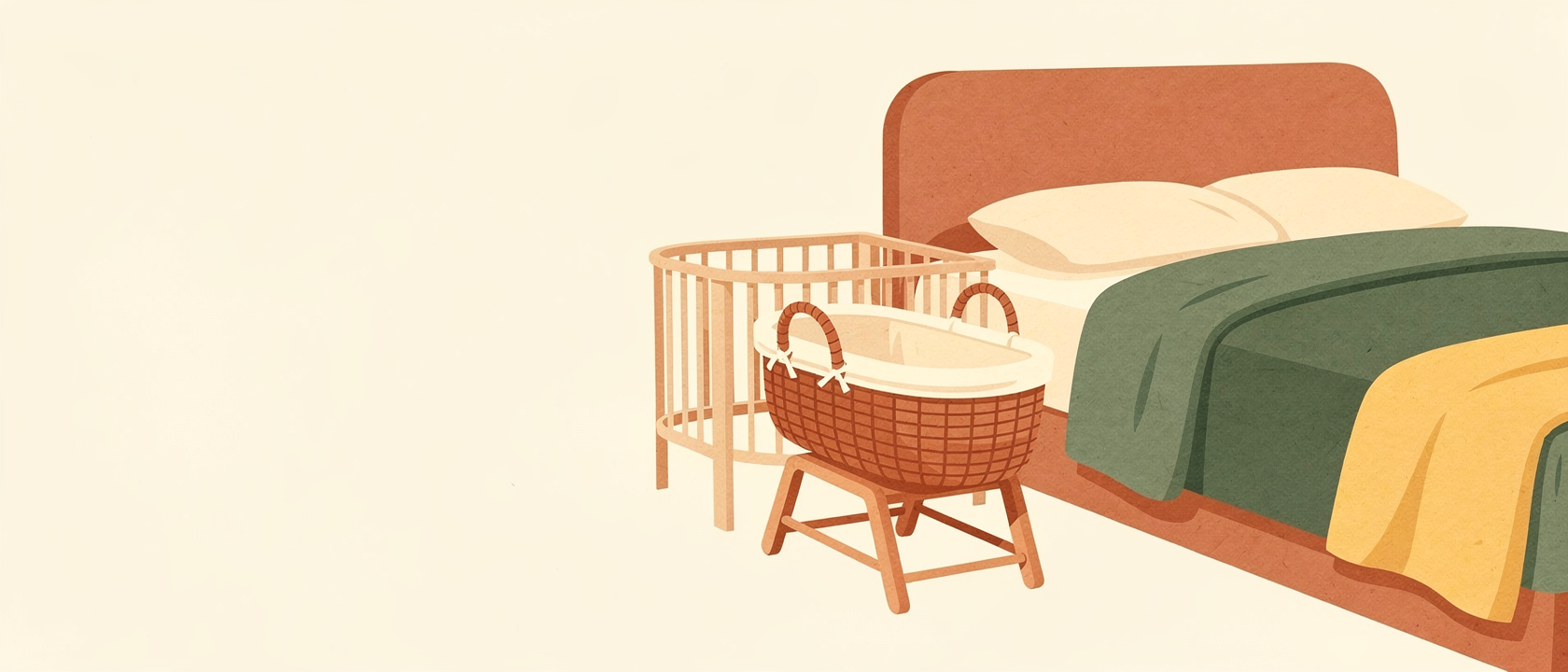
Best Bedside Cribs & Moses Baskets Compared (UK)
Six bedside cribs and Moses baskets compared on price, size and lifespan: Silver Cross Lunar, Shnuggle Air Lite, SnuzPod4, HALO BassiNest, Chicco Next2Me Forever and a Mamas & Papas Moses basket. Includes the British Standards the Lullaby Trust lists and NHS safer sleep rules.
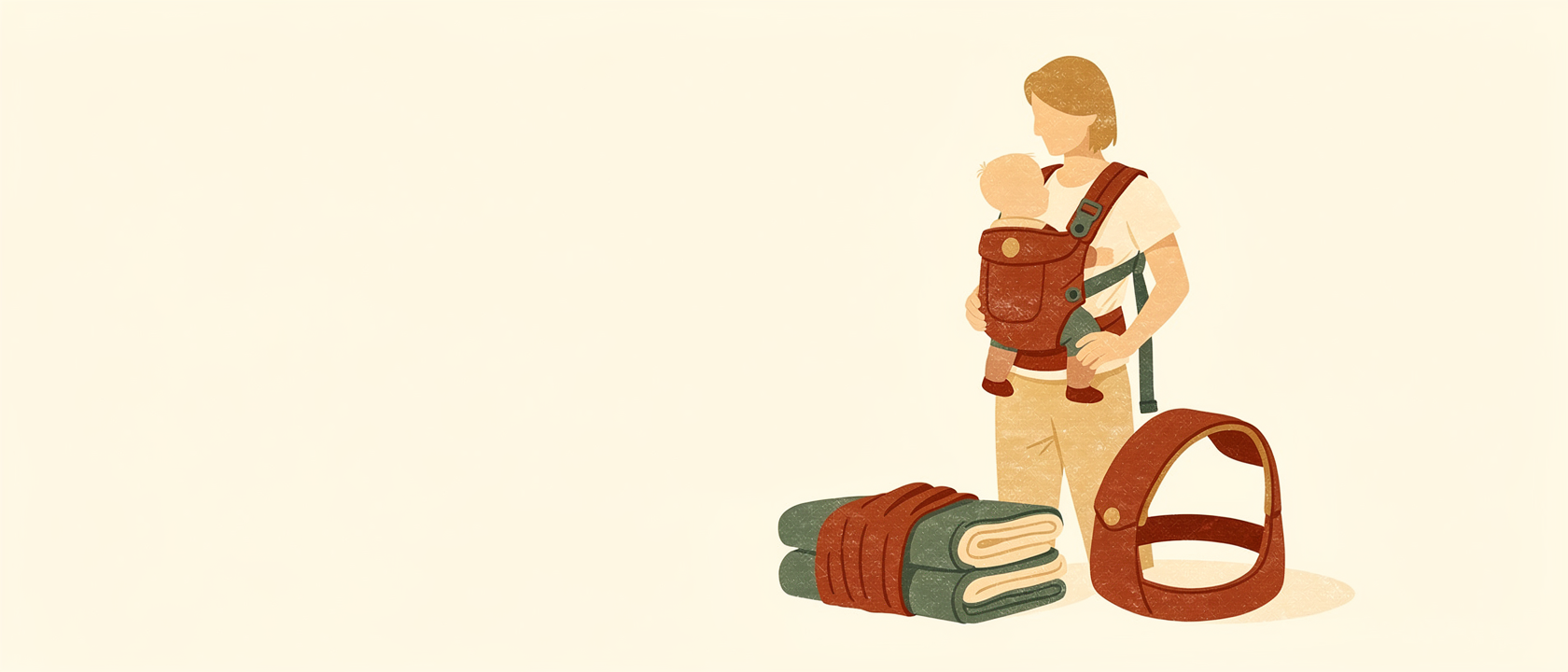
Best Baby Carriers Compared (UK Guide)
Six baby carriers compared on price, age range and carry positions: Ergobaby Omni 360, Tula Free-to-Grow, Izmi, BabyBjörn Carrier Mini, Close Caboo and Momcozy Move2Fit. Includes the Lullaby Trust and RoSPA T.I.C.K.S. safety checklist.
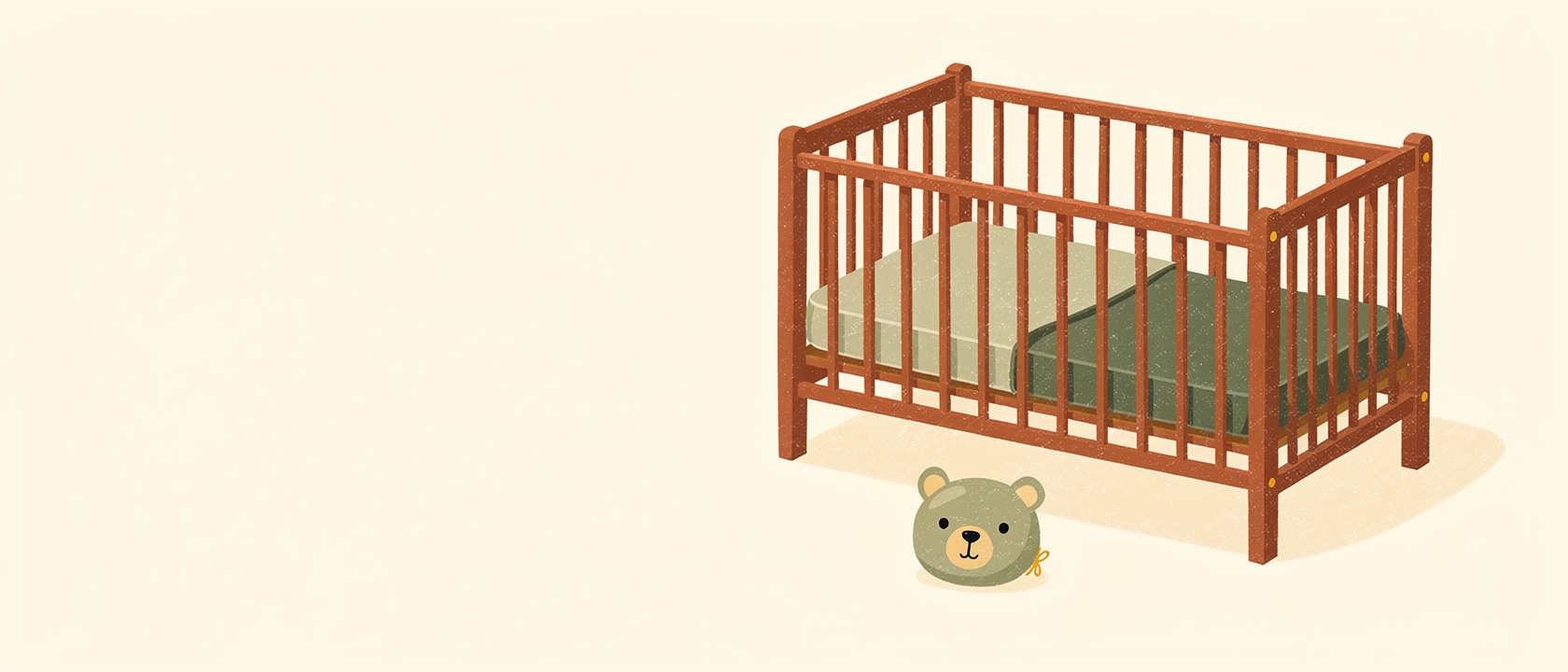
Electric Patting Baby Sleep Pillow: OPSS Serious Risk Report
On 13 October 2026 OPSS published a serious-risk safety report on a bear-shaped baby sleep pillow with an electric patting function, sold via AliExpress. Here is what the report says, why the NHS and Lullaby Trust keep pillows out of the cot, and what to do if you bought one.

Written by
Sepehr
Software engineer, soon-to-be dad, uncle to four — the tech-obsessed half of the two of us testing this stuff. Currently building this site with my wife, ahead of our own baby arriving.