Cot Mattress UK: What to Check Before You Buy (2026)
Black Friday is a good moment to buy a cot mattress, but only if it passes the safety basics. The NHS and Lullaby Trust say it should be firm, flat, waterproof-covered and fit the cot with no gaps. Here is the checklist, a comparison of mattress types, second-hand rules and the sale-season traps to avoid.
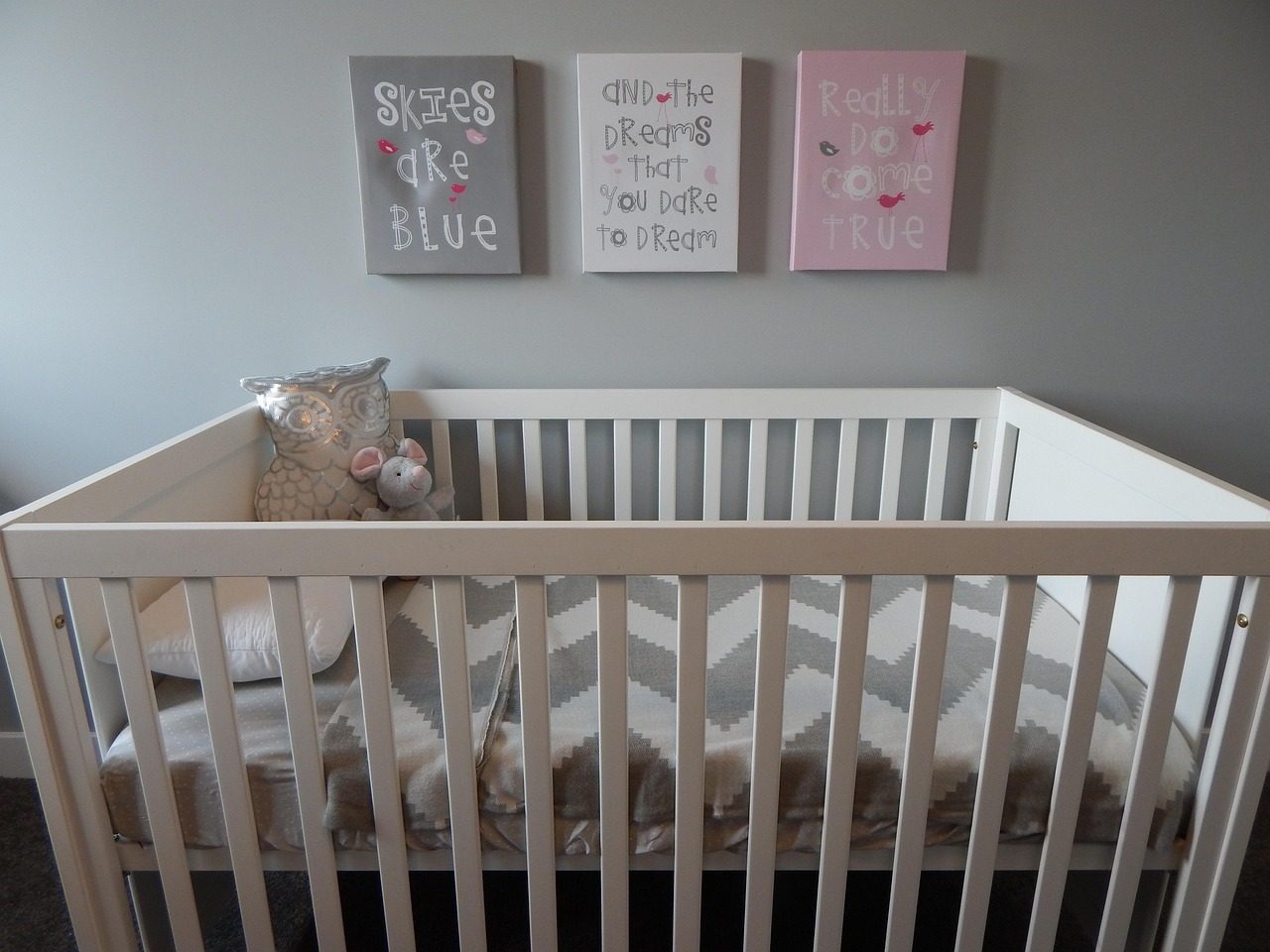
A safe cot mattress is firm, flat, waterproof-covered, in good condition and fits the cot with no gaps, according to the Lullaby Trust and NHS. A Black Friday discount changes none of that, so check these things first, then compare prices.
Mattress sales are one of the few baby-gear deals where the cheapest option can be perfectly fine, as long as it passes a short safety test. Unlike a pushchair or car seat, a cot mattress has no clever features to pay extra for. The job is simple: give your baby a firm, flat surface that stays that way. This guide walks through what to check, what to ignore in the marketing, and how to avoid the mistakes that cost parents money in the sales. If you are still choosing the cot itself, start with our cot, cot bed and Moses basket comparison.
What a safe cot mattress looks like
The Lullaby Trust says the safest mattresses are firm, flat and protected by a waterproof cover, with no raised or cushioned edges or sides. The NHS gives the same core advice: the mattress should be firm, flat and waterproof, and ideally new rather than second hand.
In practice that gives you a five-point test you can apply to any mattress, in a shop or from a product listing:
- Firm: your baby's head should sink no more than a few millimetres into it (NHS and Lullaby Trust wording). If you can press a hand in and it feels plush, it is too soft.
- Flat: no contoured sections, raised edges, pillow-top layers or built-in wedges.
- Waterproof cover: wipe-clean, well fitting and in one piece. A cover that is only "water resistant" is a reason to keep looking.
- Right size: it must fit the cot or Moses basket properly, with no gaps for a baby to slip into.
- Good condition: no rips, tears or sagging patches.
Anything that fails one of these is not a bargain, whatever the percentage off.
Why firmness matters more than comfort
Adults tend to equate soft with cosy. For a baby it is the opposite. The NHS explains that a mattress that is not firm enough can make it harder for a baby to lose heat, so they can become too hot, and overheating is linked with sudden infant death syndrome (SIDS). The Lullaby Trust adds that sleeping babies should not lie on, or have anything soft around, their heads.
That is also why the NHS does not advise sleeping pods or nests, and why the Lullaby Trust advises against sheepskin liners. If a listing promotes a "cloud-soft" feel, a memory-foam topper or a cushioned surround, treat it as a warning sign rather than a selling point. Our guide to baby nests and sleeping pods explains the risk in more detail.
Mattress types compared
Most UK cot mattresses fall into a handful of constructions. The table below summarises how they differ in practice. These are general characteristics rather than test results for any one product, so always check the manufacturer's specification for the model you are considering.
| Type | Typical feel | Things to check | Best for |
|---|---|---|---|
| Foam | Firm, lightweight | Cover quality, whether it springs back, no soft top layer | Budget-conscious buyers, travel cots |
| Pocket sprung | Firm, supportive, heavier | Edge firmness, a quality cover, weight if you lift it often | A mattress meant to last through to cot bed or toddler bed age |
| Natural fibre (coir, wool, latex blends) | Firm, breathable | Waterproof cover still needed, care instructions, fit | Parents who prefer natural materials |
| Hybrid or dual-sided | Different feel each side | Which side is the firm infant side, and whether the label says so | Mattresses intended to grow with your child |
"Breathable" and "hypoallergenic" are marketing terms. Neither replaces the five-point test above, and neither is something the NHS or Lullaby Trust recommends buying a mattress for.
Getting the size right
Fit is the part most often missed when shopping a sale. Both the Lullaby Trust and the NHS stress that the mattress must suit the cot, and the Lullaby Trust specifically lists "fits the cot or Moses basket well, with no gaps" in its checklist.
Cot sizes are not as standard as they look. A "standard" cot, a cot bed, a space-saver cot and a bedside crib can all use different dimensions. Before you buy:
- Measure the inside of your cot base, length and width, rather than relying on the product name.
- Check the mattress listing for exact dimensions and compare them with the cot manufacturer's recommended mattress size.
- When it arrives, press the mattress into the cot. If you can see or feel a gap down any side, return it, because the Lullaby Trust says the mattress should fit with no gaps.
Cot beds are the usual trap, because they stay in use for years. Our best cot beds compared guide lists each model's recommended mattress size alongside the price, so you can buy the right size first time. On our own listings a cot bed such as the Obaby Grace Inspire Cot Bed is listed at around £195, while premium models run well above that, so the mattress is a smaller line in the total budget than people expect.
Buying second hand: the checklist
Sale season also means more second-hand listings as families clear space. The Lullaby Trust says some research has found a higher risk of SIDS with a second-hand mattress from outside the family home, although the link hasn't been proven. It recommends a new mattress for each baby where possible, while accepting that is not always realistic. The NHS says the same, and adds that you can reuse a mattress from your own home if it has been stored somewhere clean, dry and smoke-free.
If you do use second hand, the Lullaby Trust says the mattress should:
- have a well-fitting, 100% waterproof cover
- have no rips or tears
- be in good condition with no water damage
- be firm and flat, with no sagging
- fit the cot or Moses basket well with no gaps
- carry a fire-resistant label
If the seller cannot show you every one of those, walk away. For other items on the same theme, see buying second-hand baby gear safely.
Bedding and extras that don't belong on a Black Friday list
A mattress deal often arrives bundled with "nursery sets": bumpers, quilts, pillows and cosy liners. The Lullaby Trust advises against soft or bulky bedding for babies under 12 months and says quilts, pillows and duvets have been shown to increase the risk of SIDS threefold. It also says to remove cot bumpers, because babies can get tangled in the ties and fabric or fall after pulling themselves up on them. The NHS advises against cot bumpers, pillows and loose bedding for the same reason.
What you do need is simple and cheap:
- two or three fitted sheets, so one is always clean
- a well-fitting baby sleeping bag, or lightweight tucked-in blankets used feet-to-foot (the Lullaby Trust's guidance)
- a spare waterproof cover or mattress protector if the one supplied is a poor fit
The NHS notes that sleeping bags are given a tog rating according to the warmth they provide, and lists 2.5 tog as suitable all year at standard room temperatures of 16 to 20°C. Our winter tog guide covers choosing between them. A "complete bundle" that adds extras you should not use is poor value, however big the saving looks.
Common mistakes in the sales
- Buying on thickness. A thicker mattress is not a safer one. Firmness, flatness and fit are what the Lullaby Trust and NHS say to look for.
- Trusting a cover that "looks" waterproof. Check the listing says fully waterproof, and that the cover is well fitting.
- Buying the wrong size for a cot bed or space-saver cot. Measure first, as above.
- Taking a bundle with a bumper or quilt. You will not use them in the first year.
- Buying a mattress from an unknown marketplace seller. OPSS has repeatedly removed unsafe baby sleep products from online marketplaces, including baby sleeping bags that failed safety checks. A named UK retailer with a clear returns policy is a safer bet than an anonymous listing.
When a deal is worth taking
The best time to use a sale is when you have already settled the cot and know the exact mattress size. Then a discount on a firm, flat, waterproof-covered mattress from a retailer you trust is straightforward. Price listings change day by day, so verify the current price and end date on the retailer's own page, rather than relying on any round-up. Our Black Friday baby offers page covers the wider event, and the nursery furniture roundup collects the cots and cot beds we have reviewed. To track what you still need, add the mattress to your checklist.
When to ask for help
If your baby's mattress is sagging, damaged or you are unsure of the fit, replace or measure it before the next sleep. If you have questions about safer sleep in your home, the Lullaby Trust runs a free baby safety helpline (0808 802 6869), and your health visitor or midwife can talk through your sleep set-up with you.
Mentioned in this guide
Frequently asked questions
How firm should a cot mattress be?+
The NHS and the Lullaby Trust both say a cot mattress should be firm and flat, so your baby's head sinks no more than a few millimetres into it. A mattress that is too soft can make it harder for a baby to lose heat, which can lead to overheating, a factor linked with sudden infant death syndrome (SIDS). It should also have no raised or cushioned edges. If you can easily press your hand into the surface, or the listing sells a plush, cushioned or memory-foam feel, choose a different mattress. Firm and plain is the safe choice for the first year.
Is a second-hand cot mattress safe?+
The Lullaby Trust says some research has found a higher risk of SIDS with a second-hand mattress from outside the family home, although the link hasn't been proven, and recommends a new mattress for each baby where possible. The NHS says you can reuse a mattress from your own home if it has been stored somewhere clean, dry and smoke-free. If you do buy second hand, the Lullaby Trust says it should have a well-fitting 100% waterproof cover, no rips, tears or water damage, no sagging, a snug fit in the cot and a fire-resistant label.
Does a cot mattress need a waterproof cover?+
Yes. Both the NHS and the Lullaby Trust say a baby's mattress should be waterproof. A wipe-clean cover keeps the mattress clean and dry, and the Lullaby Trust says the cover should fit well and be in good condition. If the cover supplied with a cheaper mattress is thin or fits badly, replace it before use rather than adding extra layers. Do not use sheepskin or soft toppers to make the surface cosier, because the Lullaby Trust warns this can make the surface too soft and increase the risk of overheating.
How do I check a cot mattress fits properly?+
The Lullaby Trust says a mattress should fit the cot or Moses basket well, with no gaps. Measure the inside base of the cot in length and width, then compare it with the mattress dimensions and the cot maker's recommended size. When the mattress arrives, place it in the cot and check all four sides for gaps. Cot beds, space-saver cots and bedside cribs often use non-standard sizes, so never buy on the product name alone. If it doesn't fit snugly, return it and order the correct size.
Are cot bumpers and quilts included in mattress bundles safe?+
No. The NHS advises against cot bumpers, pillows and loose bedding, and the Lullaby Trust recommends removing bumpers because babies can become tangled in the ties and fabric or fall after pulling up on them. It also says quilts, pillows and duvets have been shown to increase the risk of SIDS threefold. If a Black Friday bundle includes these items, buy the mattress on its own, or use the extras only once your child is over 12 months old and you have checked the Lullaby Trust's current guidance.
Sources
Related guides

BlueMello Swaddle Blanket Recall (Amazon): OPSS Warning
OPSS has recalled the BlueMello Baby Swaddle Blanket sold on Amazon because a baby can slip below the covers, risking overheating and airway obstruction. Here is what to do, how to check any swaddle, and safer UK alternatives.
Baby Sleep Away From Home at Christmas: UK Safe Guide
Staying with family over Christmas? Here is how to set up safe sleep for your baby away from home: checking a borrowed cot and mattress, using a travel cot, handling car seats and sofas, and what to pack, with NHS and Lullaby Trust guidance.

Best Baby Swaddles Compared: UK Guide to 6 Options
We compare six swaddles and sleep bags we list, from about £25 to £40, with tog ratings, who each suits, a six-month cost plan and the Lullaby Trust rules on hips, overheating and when to stop swaddling.

Written by
Sepehr
Software engineer, soon-to-be dad, uncle to four — the tech-obsessed half of the two of us testing this stuff. Currently building this site with my wife, ahead of our own baby arriving.