Baby Sleep Away From Home at Christmas: UK Safe Guide
Staying with family over Christmas? Here is how to set up safe sleep for your baby away from home: checking a borrowed cot and mattress, using a travel cot, handling car seats and sofas, and what to pack, with NHS and Lullaby Trust guidance.
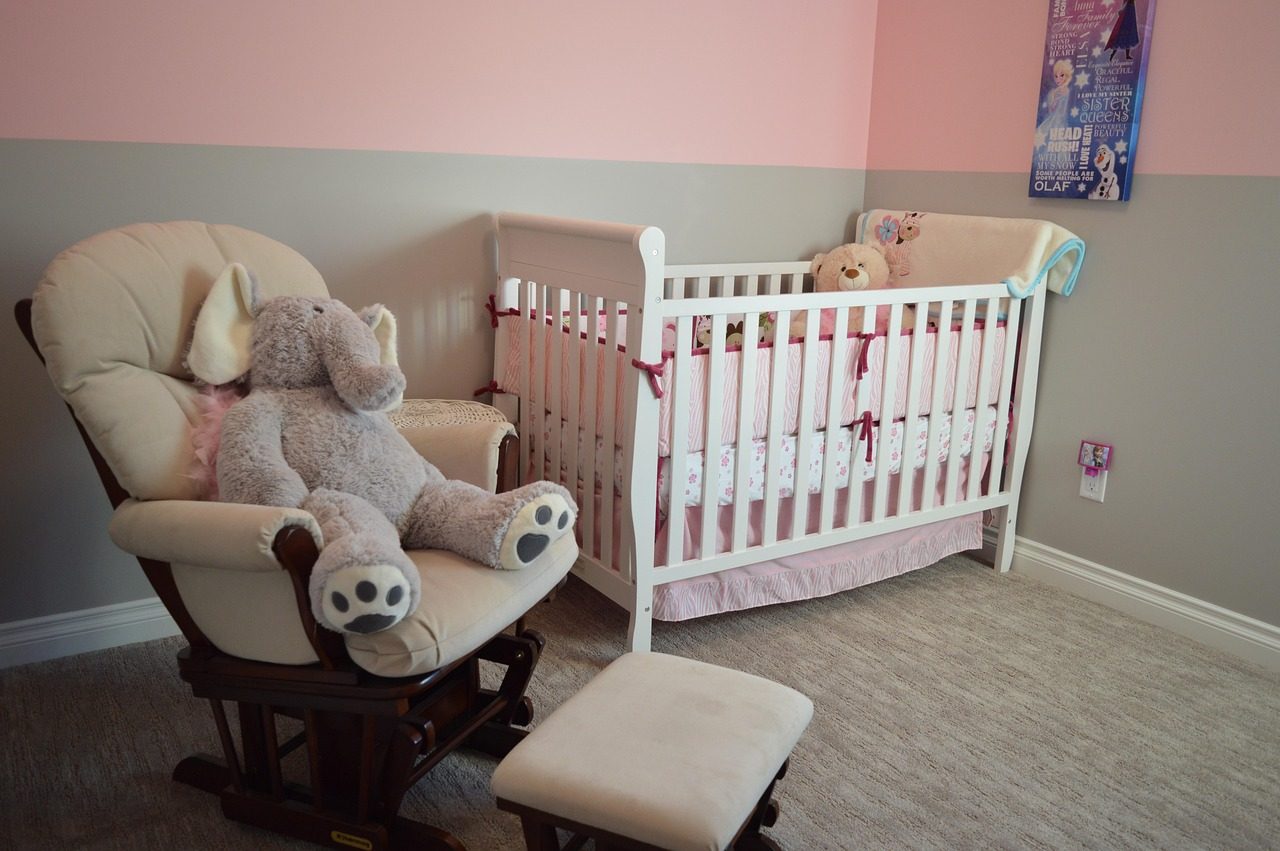
For baby sleep away from home at Christmas, the rules do not change: back to sleep, in their own clear, flat, firm sleep space, in a room kept at 16–20°C. What changes is the kit. Here is how to check a borrowed cot, pack a travel cot, and handle the sofa, the car and the party.
Why Christmas away from home is the hard test for safer sleep
At home, your baby's sleep space is set up the way you want it. At a grandparent's house, you are juggling an unfamiliar room, a cot that has been in the loft since 2009, a houseful of people, a late night and probably a glass of something. The Lullaby Trust says to follow the same safer sleep guidance for every sleep, day or night, wherever you are, and notes that doing something different from your usual routine is when mistakes creep in.
The good news is that almost everything comes down to a short list of checks you can do in ten minutes on arrival. If you want the full home-based picture first, our newborn safe sleep guide covers the NHS basics, and the winter room temperature guide explains how to get the heating right.
The ten-minute arrival checklist
Do these before the coats come off and the visiting starts, while you are still fresh.
- Pick the room. Ideally your baby sleeps in your room, in their own cot or Moses basket, for every sleep for at least the first six months, which is the NHS advice. If the only free space is another room, agree that you will check in often and use a monitor.
- Check the sleep space. The Lullaby Trust says a cot should have a firm, flat, waterproof mattress with no gaps at the sides, a rigid base, no soft bumpers and no damage.
- Strip it back. Babies need just a mattress and lightweight bedding. No pillows, duvets, cot bumpers, loose blankets or soft toys, all of which the NHS says to avoid.
- Take the room temperature. A cheap room thermometer tells you more than the radiator dial. Aim for 16–20°C. Move the cot away from radiators, windows, fires and direct draughts.
- Set your plan for the evening. Who is doing the last check, who is on the sofa, and who has not been drinking.
Borrowed and second-hand cots: what to check
Lots of grandparents keep a cot "just in case". Before you use it, run it through the Lullaby Trust's second-hand checklist:
- Find the instructions, usually on the manufacturer's website, and make sure you can assemble it properly.
- Check it meets the British Standard. For cots and travel cots that is BS EN 716-1:2017.
- Search for recalls on GOV.UK using the brand and model. Our second-hand baby gear guide shows how.
- Look for broken or missing parts, altered or adapted fittings, and added decorations.
- Do not use a cot from a home where people smoke.
The mattress matters as much as the cot. The Lullaby Trust advises buying a new mattress for each baby, because research suggests a second-hand mattress from outside the family home increases the risk of SIDS. If a used mattress is the only option it should have a well-fitting, 100% waterproof cover with no rips, tears or water damage, be firm and flat with no sagging, fit the cot with no gaps and carry a fire-resistant label. The standard for cot and travel cot mattresses is BS EN 16890:2017+A1:2021.
A realistic budget view: a new, correctly sized cot mattress typically costs roughly £30–£80 in the UK, and a basic new travel cot with its own mattress usually sits somewhere around £50–£150, with premium lightweight models costing more. Prices vary by retailer and the pre-Christmas sales, so treat these as ballpark figures.
Travel cots: using one safely
A travel cot is often the simplest answer, because you know exactly what is in it. The Lullaby Trust says the thinner mattresses that come with travel cots can be used as a main sleep space if they are firm, flat, in good condition and meet British safety standards. A few rules from the same guidance:
- Never put folded blankets or a quilt under your baby to make the surface softer.
- Check the manufacturer's guidance before using a replacement or extra mattress, as some create a gap between the mesh sides and the base, which is not recommended.
- Follow the manufacturer's instructions for setting it up, and check it has locked fully into place before every use.
- Check for recalls. Travel cots have featured in OPSS recalls this year, for example the Puggle Airlite travel cots recall, where consumers were told to stop using them immediately.
Hotels, holiday lets and "we'll sort a cot" promises
If you are staying in a hotel or rental over Christmas, the Lullaby Trust recommends calling ahead to find out whether a cot is provided, because accommodation does not always follow safer sleep guidance. When it arrives, check that the mattress is still firm and flat with no rips or sagging, that it has a waterproof cover, and that bedding is fresh. Bringing your own fitted sheet and sleeping bag removes a lot of guesswork.
Sleeping bag or blanket? Sort the bedding before you go
Strange houses have strange duvets. A baby sleeping bag keeps bedding consistent and lowers the temptation to pile on blankets. The NHS says to use lightweight bedding or a baby sleeping bag and to check warmth by feeling your baby's chest or the back of their neck, not their hands or feet, because cool hands and feet are normal. Take off hats and extra layers indoors. Our UK winter sleeping bag tog guide explains which tog to pack for a cold spare room versus an overheated living room.
| Situation | What to do | What to avoid |
|---|---|---|
| Cold spare room | Check temperature with a thermometer; use a suitable-tog sleeping bag | Extra duvets or blankets in the cot |
| Hot, crowded living room | Remove hat and layers; check chest or back of neck | Leaving baby asleep beside a fire or radiator |
| Borrowed cot | Check standard, recalls and mattress | Using an altered or damaged cot |
| Baby falls asleep in the car | Move them to a flat sleep surface on arrival | Leaving them in the car seat indoors |
| You feel drowsy while feeding | Put baby down on a firm, flat surface | Dozing on a sofa or armchair together |
Car seats, pushchairs and sofas
Christmas means long drives. The NHS says babies can doze in a car seat while travelling, but should be moved out as soon as you arrive; the Lullaby Trust says car seats are for travel only. Don't forget that thick winter coats shouldn't be worn under the harness, which our winter coat and car seat guide explains.
A carrycot can only be used for sleep if the sleep space is completely flat, the mattress is firm and waterproof, the hood can be pulled back, the apron can be removed, it meets British safety standards, and the manufacturer says it is suitable for overnight sleep. The NHS and Lullaby Trust also say never to fall asleep with your baby on a sofa or armchair. If you feel drowsy while feeding on Christmas night, put your baby back in their own cot or basket first.
Alcohol, smoke and bed-sharing at Christmas
NHS guidance says to avoid sharing a bed with your baby if you or your partner smoke, have had two or more units of alcohol, use recreational drugs or take medicine that makes you drowsy, or if the baby was born before 37 weeks or weighed under 2.5kg. Nobody should smoke in the same room as your baby. If you have had a drink, put your baby in their own cot or Moses basket, ideally next to your bed. Our bed-sharing guide goes through the full advice.
Awake time: a quick crawling-baby sweep
If your baby is mobile, a house you do not know is full of reach-height hazards: coffee tables with candles, dropped tablets, lowered tree decorations, stairs. Ask hosts to move anything small or hot out of reach, and think about a portable gate. A retractable gate such as the BabyDan Guard Me auto-close gate is one example of a portable option for a doorway (never use a pressure-fit gate at the top of stairs), and see our safety gate roundup and stair gate comparison. Our Christmas tree safety guide covers the decorations, and the room-by-room baby-proofing guide helps you brief hosts.
What to pack: a Christmas away-from-home sleep kit
- Fitted sheets that fit the cot, plus spares
- Baby sleeping bag in the right tog
- Room thermometer
- Baby monitor if baby sleeps in another room
- Travel cot with its own mattress, if the host's is unknown
- Portable white noise only if it is kept at a safe distance and volume
- A printed copy of your usual routine for any relative doing a night check
Add the lot to your baby checklist so you do not forget something obvious.
When to seek help
If your baby seems unusually hot, floppy, hard to wake, is breathing noisily or has a fever, do not wait until morning. Call 111, or 999 in an emergency. Trust your instincts about your baby, and do not worry about interrupting a party.
The short version
Bring a travel cot if you can, check any borrowed cot against the British Standard and GOV.UK recalls, keep the sleep space bare, keep the room at 16–20°C, and never let a sofa become a sleep space. Treat visitors' good intentions as a hazard to manage, not a reason to relax the rules. A clear plan before the family arrives means everyone, including your baby, can enjoy the day.
Mentioned in this guide

Frequently asked questions
Can my baby sleep in a travel cot at Christmas?+
Yes. The Lullaby Trust says the thinner mattress supplied with a travel cot can be used as a main sleep space if it is firm, flat, in good condition and meets British safety standards. Do not add folded blankets or a quilt to soften it, and follow the manufacturer's instructions. Check the model against GOV.UK product recalls before you travel, since several travel cots have been recalled in recent years, and make sure the cot has fully locked into position each time you set it up.
Is it safe to use my mum's old cot for my baby?+
It can be, if it passes some checks. The Lullaby Trust says to find the instructions, check it meets BS EN 716-1:2017, search GOV.UK for recalls, and make sure it is in good condition with no broken or missing parts or adaptations. The mattress is the bigger concern: the Lullaby Trust advises a new mattress for each baby, because research suggests second-hand mattresses from outside the family home increase the risk of SIDS. If the cot or mattress fails any check, use a travel cot instead.
Where should my baby sleep if we stay at relatives for Christmas?+
The NHS advises that your baby sleeps in a cot or Moses basket in the same room as you for every sleep for at least the first six months. That applies at a relative's house too. Put the cot away from radiators, windows and fires, keep it clear of anything except lightweight bedding or a sleeping bag, and take a room thermometer so you can keep the temperature between 16 and 20°C.
Can my baby sleep in the car seat when we arrive?+
No. The NHS says babies can doze in a car seat while travelling, but should be moved out as soon as you arrive, and the Lullaby Trust says car seats are for travel only. When you arrive, move your sleeping baby to a firm, flat sleep surface, such as their cot, Moses basket or travel cot. If you have a long journey, plan breaks so you can take your baby out of the seat.
Sources
Related guides
Cot Mattress UK: What to Check Before You Buy (2026)
Black Friday is a good moment to buy a cot mattress, but only if it passes the safety basics. The NHS and Lullaby Trust say it should be firm, flat, waterproof-covered and fit the cot with no gaps. Here is the checklist, a comparison of mattress types, second-hand rules and the sale-season traps to avoid.
BlueMello Swaddle Blanket Recall (Amazon): OPSS Warning
OPSS has recalled the BlueMello Baby Swaddle Blanket sold on Amazon because a baby can slip below the covers, risking overheating and airway obstruction. Here is what to do, how to check any swaddle, and safer UK alternatives.

Best Baby Swaddles Compared: UK Guide to 6 Options
We compare six swaddles and sleep bags we list, from about £25 to £40, with tog ratings, who each suits, a six-month cost plan and the Lullaby Trust rules on hips, overheating and when to stop swaddling.

Written by
Sepehr
Software engineer, soon-to-be dad, uncle to four — the tech-obsessed half of the two of us testing this stuff. Currently building this site with my wife, ahead of our own baby arriving.