Baby Eczema in Winter: NHS Guide to Emollients & Triggers
Dry, itchy, red skin on your baby's cheeks as it turns colder? Here is what the NHS says about baby eczema: daily emollients, washing without soap, avoiding overheating, the emollient fire-safety warning, and when to get a GP or NHS 111.
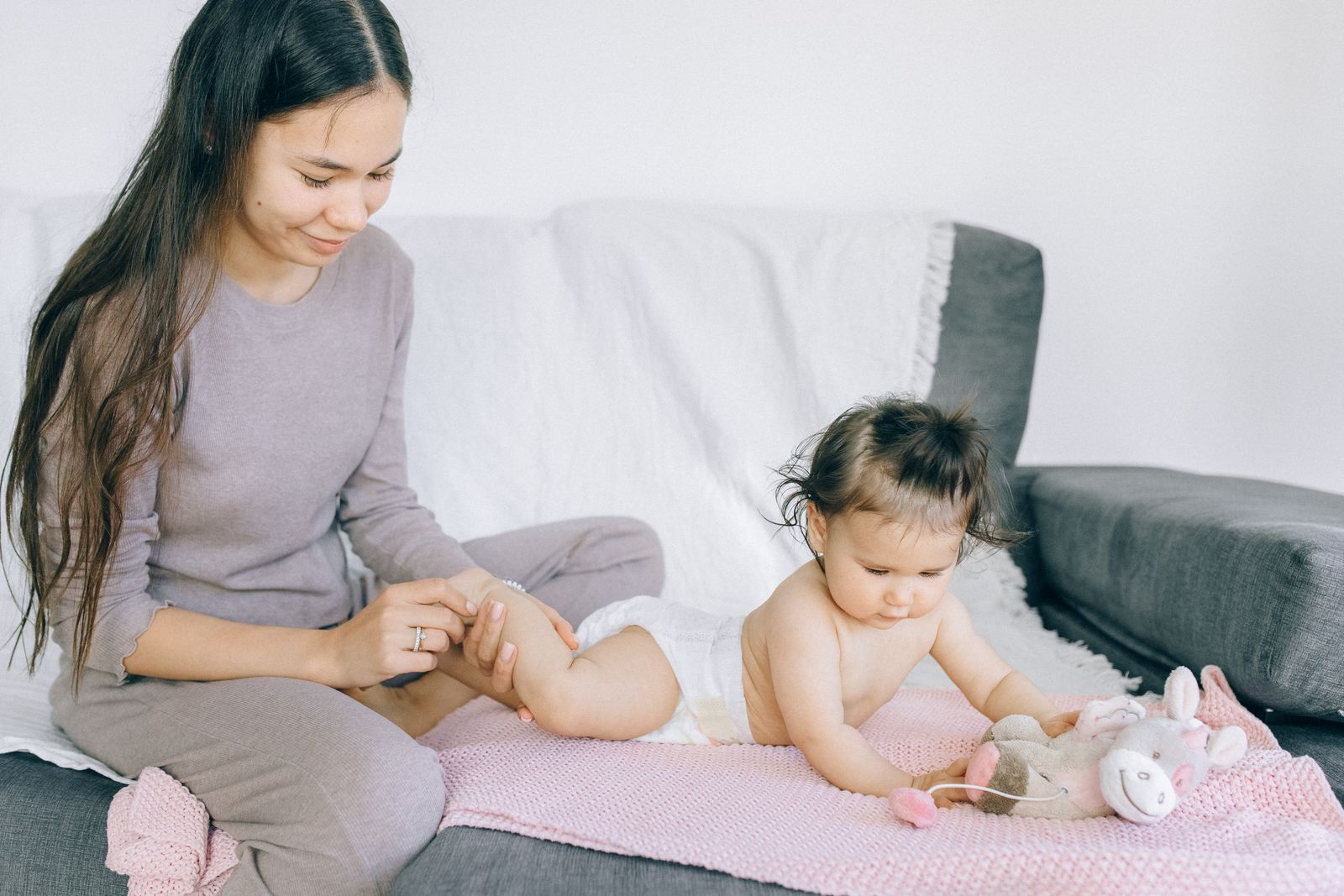
Baby eczema in winter is managed with an emollient at least twice a day, washing with an emollient instead of soap, and keeping your baby cool, according to the NHS. This guide covers triggers, safe emollient use and when to call a GP or NHS 111.
This is general information based on NHS guidance, not a diagnosis. If you think your baby has eczema, speak to a GP, pharmacist or health visitor. For under-5s, the NHS says to call NHS 111 rather than use its online checker.
What does eczema look like in a baby?
According to the NHS, atopic eczema is a common skin condition that causes itchy skin. It is most common in young children, usually starts in infancy and often improves with age. It can't be cured, but it can be managed, and it tends to come in flare-ups with calmer spells in between.
The NHS describes the skin as itchy, dry, cracked, scaly or thickened, and it may look red or discoloured. It can also blister or bleed. In babies and toddlers it is common on the face, particularly the cheeks, as well as on the elbows, knees and hands.
Because it is itchy, babies may rub their face on the cot sheet or scratch until the skin breaks. The NHS says anti-scratch mittens can help prevent skin damage from scratching.
Common eczema triggers to check in winter
The NHS lists these as possible triggers for eczema flare-ups:
- soap and washing detergent
- some fabrics
- house-dust mites, pets and pollen
- certain foods
- heat or changes in temperature
- skin infections
Winter brings several of these together: indoor heating on, bundles of layers, and more time in warm rooms and wrapped up in the car seat or pushchair. The NHS specifically notes that heat can make itching worse, so a baby who is too warm may be more uncomfortable. Our winter baby room temperature guide covers the Lullaby Trust's advice on keeping the nursery at a safe, comfortable temperature, and our baby winter coat and car seat safety guide explains how to layer up for the outdoors without overheating.
The NHS says that if you are breastfeeding, you should not change your own diet unless a doctor advises it. If you suspect a food is a trigger for your baby, speak to a GP or health visitor first rather than cutting foods out.
Emollients: the daily routine the NHS recommends
The NHS treatment advice for atopic eczema centres on emollients, which are moisturisers designed for dry, itchy skin. The key points:
- Apply often. Use an emollient as often as possible, at least twice a day, and keep going even when the eczema improves.
- Wash with an emollient, not soap. The NHS says to wash with an emollient instead of soap, and to avoid soap and washing detergent, which can trigger flare-ups.
- Avoid aqueous cream. The NHS says not to use aqueous cream, as it can irritate the skin.
- Keep it hygienic. Don't dip your fingers into the pot; use a spoon or a pump dispenser, and don't share emollients with anyone else.
Which emollient suits your baby is a decision for a pharmacist, GP or health visitor, as different products suit different skin. Bath time is a natural moment to build the routine; our guide to safe bathing temperature and technique for newborns covers the basics, and the NHS adds that you should keep things cool because heat can make itching worse.
How to apply emollient properly
Technique matters as much as the product. Guy's and St Thomas' NHS Foundation Trust gives this practical routine:
- Wash your hands first.
- Use a spoon for tubs. Scoop the amount you need onto a clean plate rather than dipping your fingers in. Pump bottles don't need this step.
- Apply in the direction of hair growth, and smooth it on rather than rubbing it in. Leave a thin layer to soak in for about 10 minutes.
- Apply straight after washing or bathing, and again whenever the skin feels dry. The trust says this is often 2 to 4 times a day or more, and you may need more in winter, when cold weather dries skin out.
- Use enough. For whole-body treatment the trust's guide is 250g to 500g a week for a child. Ask your doctor or pharmacist how much leave-on emollient suits your baby.
- Stop and ask for advice if an emollient makes the skin itchy or sore, as your baby could be reacting to an ingredient.
The trust also warns that emollient in the bath can make it more slippery. Take extra care lifting a baby out of the water; our comparison of baby baths and bath supports may help you choose a safer set-up.
If your baby also has a steroid cream
The same trust advises applying emollient at least 30 minutes before or after the steroid, and using much more emollient than steroid. It notes that frequent emollient use can reduce how much steroid is needed. Always follow the instructions your GP or pharmacist gives for how much and how long.
The fire-safety point
The NHS says emollients are not flammable on skin, but they can catch fire more easily when they get onto dressings, clothing or bedding. It advises not smoking or going near naked flames if you use an emollient. In winter that includes candles, gas fires, log burners and open fires, so keep your baby's bedding and clothes away from them. Our winter heating safety guide covers other home-heating risks.
Steroid creams: what the NHS says
For flare-ups that emollients alone don't settle, the NHS describes topical corticosteroids as steroid creams, lotions or gels applied to the skin. These are prescribed or recommended by a GP or pharmacist, who will advise on the strength, how much to use and for how long. Don't use a steroid product on a baby without that advice.
Why winter makes eczema worse
The NHS lists heat and changes in temperature as eczema triggers, and winter brings plenty of both: cold air outdoors, then a warm house, car or shop. Indoor heating, hot baths and too many layers can all make itching worse, and the NHS says to keep cool because heat worsens itching. Practical steps that fit with NHS advice include:
- Layer, don't bundle. Add and remove thin layers as you move between rooms, rather than one thick suit.
- Keep baths lukewarm, and wash with an emollient rather than soap or bubble bath.
- Check washing detergent. The NHS lists soap and washing detergent as triggers, so notice whether flare-ups follow a change of laundry product.
- Keep nails short and use anti-scratch mittens for babies, as the NHS advises.
- Don't scratch for them. The NHS suggests gently rubbing the itchy area with a finger instead.
Common mistakes to avoid
- Stopping emollient when the skin clears. The NHS says to keep moisturising even when eczema improves.
- Using aqueous cream as a moisturiser or wash. The NHS says it can irritate the skin and make eczema worse.
- Cutting out foods without advice. The NHS says not to change your diet, or your breastfeeding diet, unless a doctor tells you to.
- Treating it as contagious. The NHS says atopic eczema is not contagious, so there is no need to keep your baby away from other children because of the skin.
When to see a GP or call NHS 111
The NHS says to see a GP if you or your child have symptoms of atopic eczema, or if treatments aren't helping. A pharmacist can advise on small, dry, slightly itchy patches.
Ask for an urgent GP appointment or contact NHS 111 if the eczema:
- is blistered, crusty, leaking fluid or has pus-filled spots
- is painful, swollen or warm
- suddenly gets worse or gets bigger
- comes with a high temperature or your baby seems generally unwell
The NHS says these can be signs of infection or eczema herpeticum. If your baby also has a temperature, see our guide to baby fever and when to call 111. A baby who has a cold alongside a flare-up may be more miserable at night; the blocked nose guide covers that.
A simple winter eczema checklist
- Moisturise with the emollient your pharmacist or GP recommended, at least twice a day.
- Wash with an emollient instead of soap and avoid washing detergent on your baby's skin.
- Keep the room and layers comfortable rather than hot.
- Use anti-scratch mittens if scratching is breaking the skin.
- Keep emollient-coated clothes and bedding away from flames and heaters.
- Get a GP review if it isn't improving, and urgent help for any infection signs above.
Related guides
Frequently asked questions
What does eczema look like on a baby?+
The NHS says eczema skin can be itchy, dry, cracked, scaly or thickened, and it may look red or discoloured. It can also blister or bleed. In babies and toddlers it is common on the face, particularly the cheeks, as well as on the elbows, knees and hands. Because it is itchy, babies may rub their face on the cot sheet or scratch until the skin breaks, and the NHS says anti-scratch mittens can help prevent skin damage. Atopic eczema usually starts in infancy, often improves with age, and tends to come in flare-ups with calmer spells in between.
How often should I moisturise a baby with eczema?+
The NHS says to use an emollient as often as possible, at least twice a day, and to keep going even when the eczema improves. Guy's and St Thomas' advises applying it straight after washing or bathing and again whenever the skin feels dry, which is often 2 to 4 times a day or more, and you may need more in winter, when cold weather dries skin out. Wash your hands first, use a spoon for tubs rather than dipping your fingers in, and smooth it on in the direction of hair growth. Ask a pharmacist, GP or health visitor which emollient suits your baby.
Is baby eczema contagious?+
No. The NHS says atopic eczema is not contagious, so your baby cannot pass it to other children and there is no need to keep them away from others because of the skin. Eczema can, however, become infected, and the NHS says to get an urgent GP appointment or call 111 if the skin is blistered, crusty, leaking fluid, has pus-filled spots, is painful, swollen or warm, suddenly worsens, or your baby has a high temperature or seems unwell. A pharmacist can advise on small, dry, slightly itchy patches, and the NHS says to see a GP if treatments aren't helping.
Why does my baby's eczema get worse in winter?+
The NHS lists heat and changes in temperature among eczema triggers, and winter combines cold air outside with warm homes, cars and shops. Cold weather also dries skin out, so Guy's and St Thomas' advises that you may need more emollient in winter. Keep layers thin and removable, bath your baby in lukewarm water, wash with an emollient instead of soap, and keep up moisturising at least twice a day even when the skin looks better. The NHS also lists soap and washing detergent as triggers, so notice whether flare-ups follow a change of laundry product.
Can I use aqueous cream on my baby's eczema?+
No. The NHS says not to use aqueous cream because it can irritate the skin and make eczema worse. Ask a pharmacist, GP or health visitor to recommend an emollient that suits your baby, and use it both as a moisturiser and in place of soap. Use a spoon or pump dispenser instead of dipping your fingers into a tub, and do not share emollients with other people. The NHS also says to avoid soap and washing detergent, which can trigger flare-ups. Emollients are not flammable on skin, but they can catch fire more easily on dressings, clothing or bedding, so keep your baby away from naked flames.
Sources
Related guides

Baby Humidifier UK: Do You Need One? NHS Safety Guide
Do you need a baby humidifier this winter? NHS cold advice doesn't recommend one. We explain scald, mould and overheating risks, compare types, and give a safer checklist if you still want one.
Britax Römer SMILE Pushchair Recall: Check Front Wheels
OPSS and Britax Römer have recalled the SMILE III, SMILE 4 and some SMILE 5Z pushchairs because the front wheel locking mechanism can wear and the wheel may detach. Here is which models are affected, the two-minute wheel check, and what to do next.

Christmas Dinner for Babies and Toddlers: What's Safe (UK)
A plate-by-plate guide to Christmas dinner for babies and toddlers in the UK, built on NHS advice: which foods are fine, what to leave off (honey, salty gravy, whole nuts), how to cut food safely and what to do if baby chokes.

Written by
Sepehr
Software engineer, soon-to-be dad, uncle to four — the tech-obsessed half of the two of us testing this stuff. Currently building this site with my wife, ahead of our own baby arriving.