Britax Römer SMILE Pushchair Recall: Check Front Wheels
OPSS and Britax Römer have recalled the SMILE III, SMILE 4 and some SMILE 5Z pushchairs because the front wheel locking mechanism can wear and the wheel may detach. Here is which models are affected, the two-minute wheel check, and what to do next.
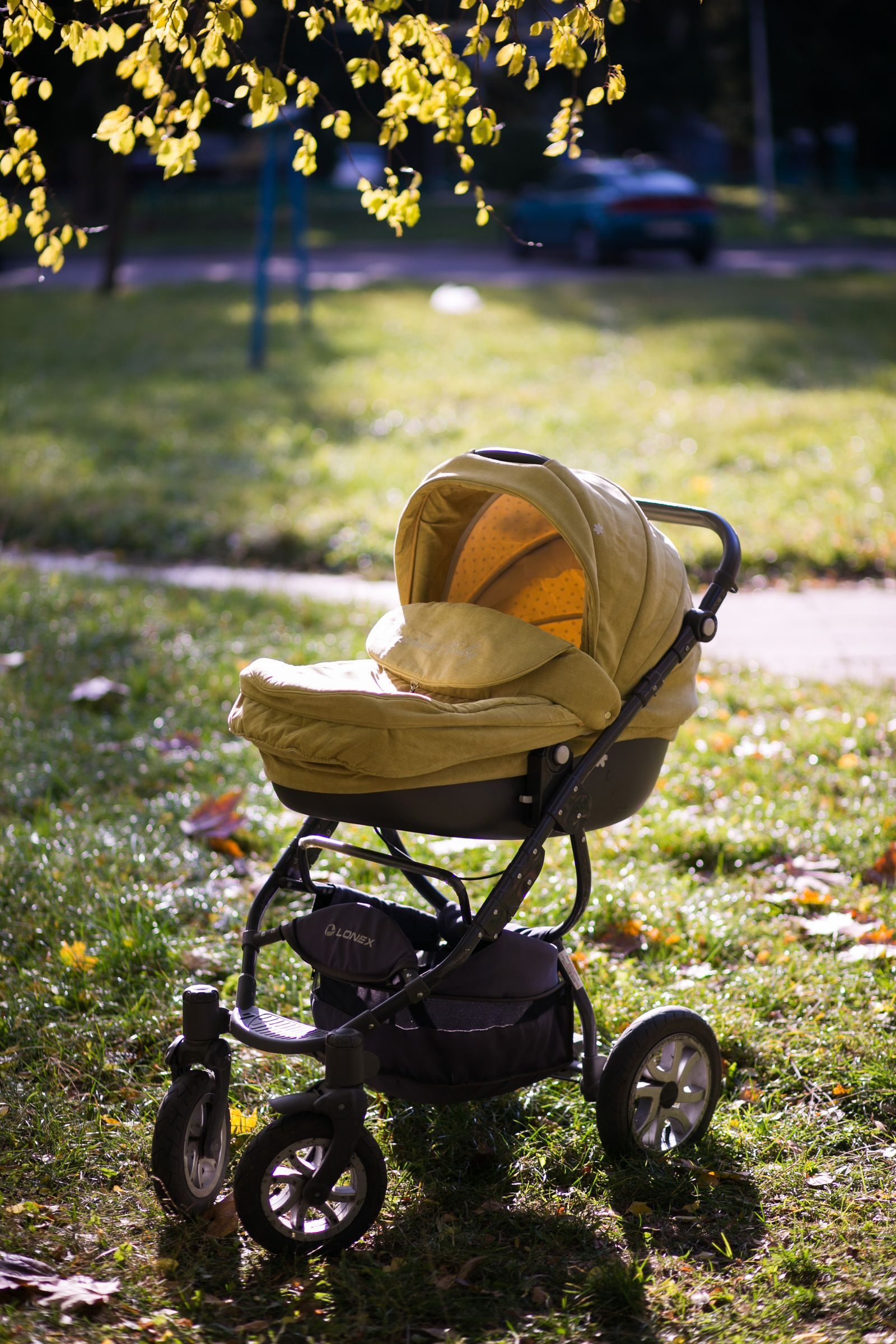
The Britax Römer SMILE pushchair recall covers the SMILE III, SMILE 4 and some SMILE 5Z models, because the front wheel locking mechanism can wear down and the wheel may detach. If you own one, test the front wheels now. If a wheel comes off without pressing the release button, stop using the pushchair.
What has been recalled
The Office for Product Safety and Standards (OPSS) published the recall on 12 November 2026 under notification number 2607-0090. According to the official gov.uk notice, the recalled models are the Britax Römer SMILE III, SMILE 4 and SMILE 5Z, with the 5Z only affected if it was made before March 2024. They are modular pushchairs suitable from birth up to 22 kg, and the notice says they were made in China. The recall was notified by Local Authority Trading Standards and the product has been recalled from end users by Britax Römer.
The notice links to a PDF listing the affected barcodes and manufacturing periods. We have not reproduced that list here, because it is long and is the authoritative way to confirm your exact pushchair. Use the PDF on the gov.uk page, and check the label on your chassis for the model name and production information.
What the fault is
OPSS describes the hazard as a risk of injury because, under certain conditions of use, the front wheel locking mechanism may wear down. This may result in the front wheel detaching from the chassis during use, causing the pushchair to become unstable or fail, resulting in injury to the child. The notice also states the product does not meet the requirements of the General Product Safety Regulations 2005.
The important word is "wear". This is not a fault that necessarily shows on day one. It is a part that can loosen over months of folding, unfolding, kerb-bumping and being lifted into boot after boot. That is why a pushchair that has felt perfectly fine for a year can still be affected, and why the test below matters even if nothing feels wrong when you push.
The two-minute check
The corrective action in the notice is specific: owners should check whether the front wheels detach without pressing the release button. In practice:
- Empty the pushchair. Take the child out and remove any bags from the handlebar or basket. Do the test with the pushchair stationary and on a flat surface.
- Check each front wheel separately. Without touching the release button, try to pull the wheel away from the fork. A wheel that is locked correctly should stay put.
- Look and listen. Note any wobble, rattle or a wheel that seems to sit looser than the other. This is not a substitute for the pull test, but it is useful information to give Britax.
- Repeat for both wheels and, if you use the pushchair with different seat units or a carrycot, test it in the configuration you use most.
If either wheel comes away without the button being pressed, the notice says to stop using the pushchair immediately.
What to do if a wheel detaches
Stop using the pushchair straight away and register via the Britax SMILE III, 4 and certain 5Z safety notice (the link is given in the gov.uk recall). Britax Römer will arrange a replacement chassis or repair kit. Practical steps while you wait:
- Keep your proof of purchase and photograph the serial label and the wheel before you register. It speeds things up if Britax asks for details.
- Do not improvise a fix. Tape, cable ties or a different wheel are not a repair. Wait for the official kit.
- Do not sell or give it away through a resale group or a nursery swap until it has been fixed. Anyone buying it will not necessarily know about the recall.
- Avoid carrying the child in the seat unit on a damaged chassis. If you need to move around the house, hold your baby or use a different safe surface.
Getting about in the meantime
A recall can leave you without a pushchair for days or weeks. If you only have one, you have a few options without buying a new travel system:
- A carrier or sling. Our best baby carriers roundup covers newborn-suitable options, and the carrier buying guide explains how to wear a baby safely.
- Borrowing a pushchair. This is fine, but read our guide to buying secondhand baby gear safely first and run the same wheel check on the borrowed one.
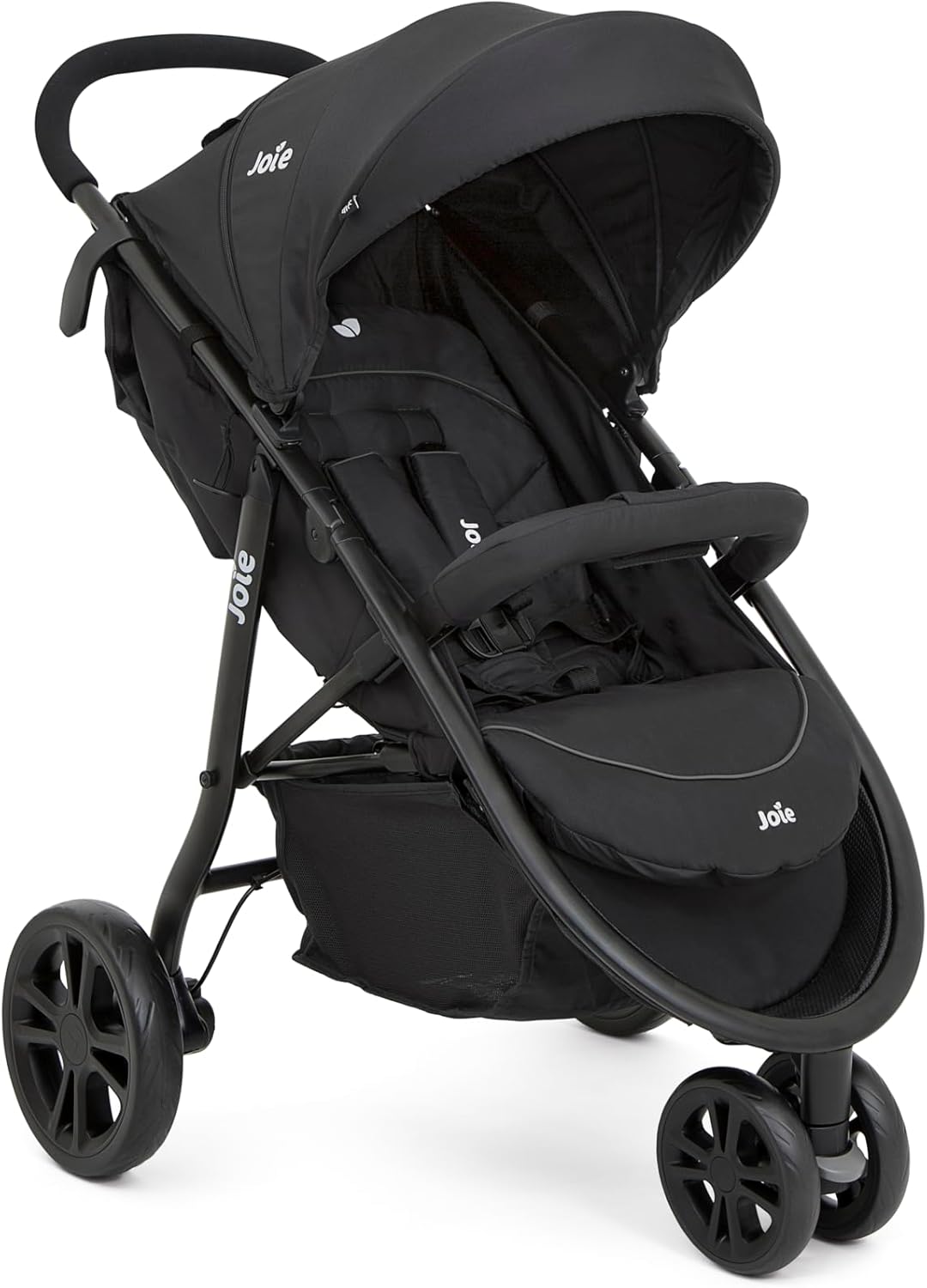
- A budget stroller as a stopgap. If you need a second pushchair anyway for the car boot or grandparents' house, something like the Joie Litetrax 3 stroller sits around the £110 mark on our listing, and our travel systems and pushchairs roundup compares the wider market. Check that any stroller is suitable for your baby's age before buying.
If you are using the SMILE as part of a travel system with a car seat, remember the recall is about the chassis wheels, not the car seat. Do not carry on using the chassis with a baby in a clicked-in seat if a wheel fails the test.
Checking any pushchair for wheel wear
RoSPA's pushchair and buggy safety guidance recommends following the manufacturer's instructions for use and maintenance. A few habits that fit with that, whatever brand you own:
- Give the wheels a quick tug and a spin when you unfold the pushchair, not only when something feels odd.
- Look for cracks, grit or stiff locking buttons, especially after a beach trip, muddy walks or a winter of grit and salt.
- Check the brakes and the harness at the same time. See our winter pushchair guide for other seasonal checks.
- Register your pushchair with the manufacturer, so you hear about recalls directly. The product registry on our baby registry planner is also a handy place to keep model names and purchase dates.
How to check other baby-product recalls
OPSS publishes new notices almost every day on the gov.uk product safety alerts, reports and recalls page. A weekly look is enough for most families. Notices that name your brand and model are the ones to act on. Notices that apply to marketplace sellers are often "reports" rather than recalls and may mean the product should not have been sold at all. For pushchairs, car seats and cot products it is worth registering with the maker so you do not rely on spotting a headline.
If your Britax pushchair is not in the recalled range, you do not need to do anything beyond normal checks. If you are unsure whether yours is included, the barcode list in the PDF on the gov.uk notice is the definitive answer, and Britax Römer's customer service can confirm from your model details.
Mentioned in this guide
Frequently asked questions
Which Britax Römer pushchairs are in the SMILE recall?+
According to the OPSS notice published on 12 November 2026, the recall covers the Britax Römer SMILE III, SMILE 4 and SMILE 5Z pushchairs. The SMILE 5Z is only included if it was made before March 2024. A PDF linked from the gov.uk notice lists the affected barcodes and manufacturing periods, so check your pushchair's label against that list to confirm whether yours is included.
How do I test whether my Britax SMILE front wheel is faulty?+
The notice tells owners to check whether the front wheels detach without pressing the release button. With the pushchair empty and stationary, try pulling each front wheel away from the fork without touching the button. If a wheel comes off, stop using the pushchair immediately and register with Britax Römer through the safety notice linked from the gov.uk recall to receive a replacement chassis or repair kit.
Is it safe to keep using the pushchair until the repair kit arrives?+
OPSS says that if the front wheels detach without the release button being pressed, you should stop using the pushchair immediately. If your wheels stay firmly in place in the check, the notice does not say to stop, but the recall still applies to the model, so register with Britax Römer and follow its guidance. Do not attempt your own repair, and do not carry a baby in a pushchair with a loose wheel.
What does the recall mean for a SMILE bought secondhand?+
The recall applies to the recalled models and manufacturing periods, whether the pushchair was bought new or secondhand. Check the barcode and production details against the PDF on the gov.uk notice and run the wheel test. If it is affected, contact Britax Römer through its safety notice page to arrange a replacement chassis or repair kit. Do not pass on or sell a recalled pushchair until it has been repaired.
Sources
Related guides
Baby Humidifier UK: Do You Need One? NHS Safety Guide
Do you need a baby humidifier this winter? NHS cold advice doesn't recommend one. We explain scald, mould and overheating risks, compare types, and give a safer checklist if you still want one.

Christmas Dinner for Babies and Toddlers: What's Safe (UK)
A plate-by-plate guide to Christmas dinner for babies and toddlers in the UK, built on NHS advice: which foods are fine, what to leave off (honey, salty gravy, whole nuts), how to cut food safely and what to do if baby chokes.
Urban Arrow Cargo Bike Seat Post Replacement: UK Check
On 6 November 2026 the OPSS published a safety report on Urban Arrow cargo bikes fitted with a Satori Trident seat post, where a clamp bolt can break and the saddle detach. Models from 2016 to 2022 are in a free replacement programme. Here is what the notice says and what family-bike owners should do.

Written by
Sepehr
Software engineer, soon-to-be dad, uncle to four — the tech-obsessed half of the two of us testing this stuff. Currently building this site with my wife, ahead of our own baby arriving.