Carbon Monoxide Alarm & Heating Safety With a Baby (UK)
As the heating goes back on, a carbon monoxide alarm is the key safety buy for a home with a baby. Here is what the NHS says about alarms, servicing and ventilation, what the Lullaby Trust says about heating a baby's room safely, and what to do if you suspect a leak.
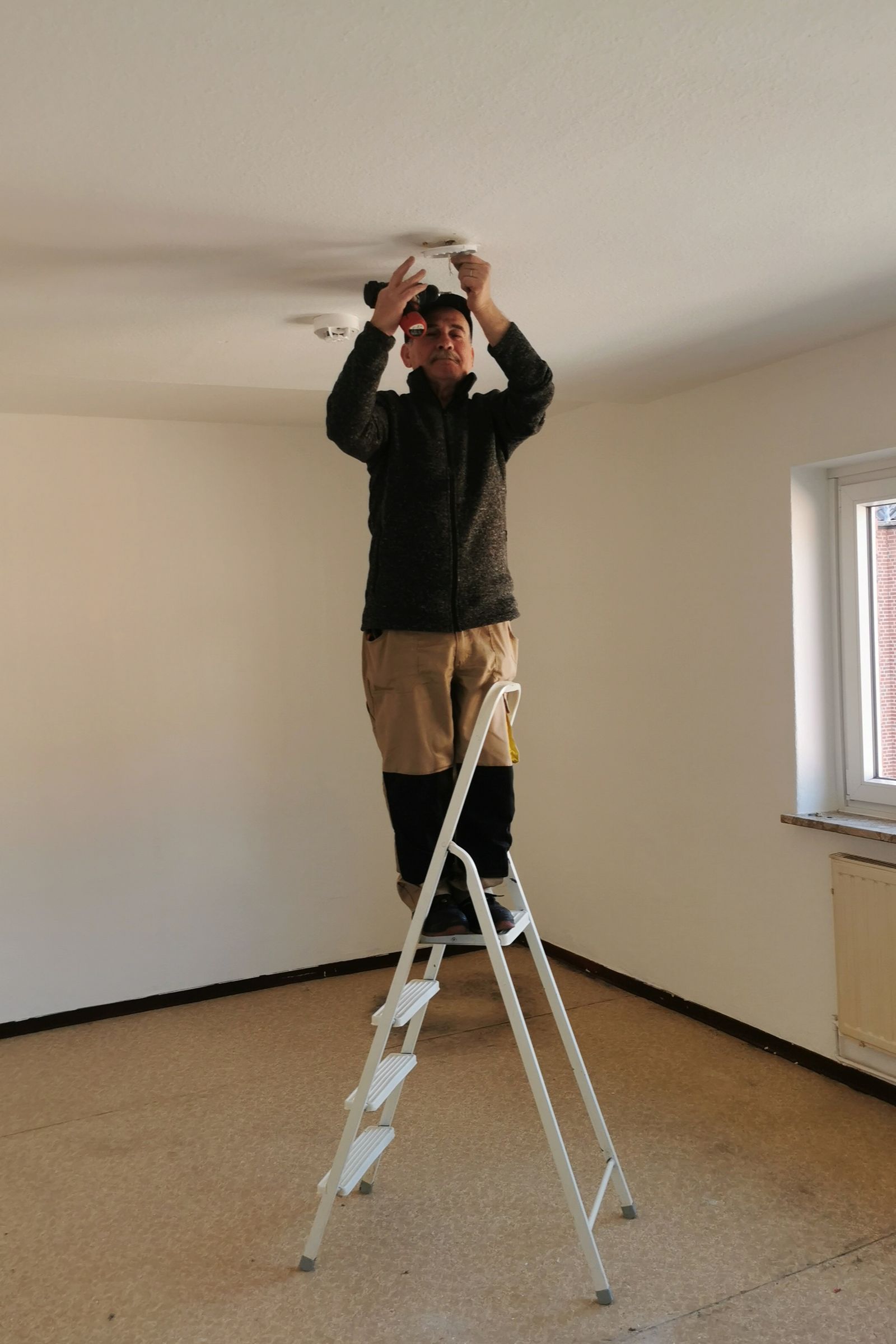
A carbon monoxide alarm is the single most useful heating-safety purchase for a home with a baby, and it costs very little. Carbon monoxide (CO) is a poisonous gas that you cannot see or smell, and the NHS says it can be produced by faulty, poorly installed or poorly maintained gas boilers, cookers, heaters and fires. This guide covers where to fit alarms, how to heat a baby's room without overheating them, and what to do if you suspect a leak, using NHS and Lullaby Trust advice throughout.
Why carbon monoxide matters when the heating goes on
The NHS describes carbon monoxide as a gas that is "colourless and does not smell", made by fires and by appliances that burn gas, wood, oil or coal (NHS). The first cold weeks of autumn are when many households switch the boiler, gas fire or wood burner back on after months of disuse, so it is a sensible time to check your set-up, particularly if you are expecting or have a newborn at home.
The NHS lists symptoms including headache, dizziness, feeling sick, tiredness, confusion, chest pain and shortness of breath. It also notes that symptoms may ease when you leave the affected room or building, which can make the cause hard to spot. A small baby cannot tell you how they feel, so the alarm is what does the noticing for you.
The NHS checklist: alarms, servicing and ventilation
The NHS prevention advice for any household comes down to a few points (NHS):
- Fit a CO alarm in each room that has a gas, oil, coal or wood-burning appliance.
- Have appliances installed properly and serviced regularly by a qualified, registered engineer.
- Keep rooms ventilated and keep chimneys and flues clean and maintained.
- Never use barbecues or camping stoves indoors or in a tent, and never leave engines running in enclosed spaces such as a garage.
If you rent, ask your landlord about the alarms and the last gas safety check; the NHS advice above applies whoever owns the property.
Where should the alarm go?
The NHS guidance is to put an alarm in each room with a fuel-burning appliance. For a new parent that is the baseline. Many families also add one near the bedrooms so that it can wake them overnight, but follow the placement instructions printed on the alarm you buy, as manufacturers differ. When you buy, check the packaging for a recognised safety standard marking and a clear test button, and put a reminder in your phone to test it regularly and to replace it when the manufacturer says it has expired.
Your baby's cot or Moses basket is usually in your bedroom for the first six months, so check which appliances sit in or near that room. If you are still choosing sleep furniture, our guides to bedside cribs and Moses baskets and safe sleep for newborns cover the rest of the room.
Keeping the baby's room warm, not hot
Heating safety is not only about gas. The Lullaby Trust says the recommended room temperature for babies is 16 to 20°C, and that it is "rarely necessary" to keep the heating on all night. If you do, it advises keeping it low and certainly no higher than 20°C (Lullaby Trust). It also says the cot or Moses basket should not be placed near a heat source such as a radiator, heater or direct sunlight.
The NHS says overheating can increase the risk of sudden infant death syndrome (SIDS) (NHS). A room thermometer at cot height is the simplest way to check. Our baby room temperature winter guide explains how to judge whether your baby is too hot or too cold and what to dress them in.
Heating tips for a home with a baby
| Situation | What the guidance says |
|---|---|
| Gas boiler or fire not used since spring | NHS: have appliances serviced regularly by a qualified, registered engineer |
| Wood burner or open fire | NHS: keep chimneys and flues clean and maintained; fit a CO alarm in the room |
| Cot near a radiator or heater | Lullaby Trust: do not place the cot or Moses basket near a heat source |
| Cold bedroom, tempted to heat all night | Lullaby Trust: rarely necessary; if you do, keep it low and no higher than 20°C |
| Barbecue or camping stove for warmth or cooking | NHS: never use indoors or in a tent |
What to do if you suspect carbon monoxide
The NHS steps are to turn off the suspected appliance if it is safe to do so, go outside, and get medical advice before going back in (NHS). Call NHS 111 if you think you or your baby might have symptoms. Call 999 or go to A&E if there is difficulty breathing, sudden confusion, loss of consciousness, weakness, or chest or muscle pain. If you think a gas appliance is leaking, the National Gas Helpline is 0800 111 999, free and open 24 hours a day. Do not drive yourself to hospital if you feel unwell; ask someone else or call 999.
Other winter heating habits to think about
Alarms and thermostats are only part of the picture. Keep the nursery ventilated, in line with the NHS advice to keep rooms ventilated, rather than sealing every gap to keep the heat in. If you use a wood burner or open fire, keep the flue and chimney maintained. Keep seats and play spaces well away from heat sources too. Whatever your set-up, test alarms when the clocks change or at the start of each season, and make sure everyone who looks after your baby, including grandparents and childminders, knows what the alarm sounds like and what to do when it goes off.
A quick winter checklist
- Book a boiler and appliance service with a registered engineer if it is overdue.
- Fit and test CO alarms in rooms with fuel-burning appliances.
- Put a thermometer in the baby's room and aim for 16 to 20°C.
- Move the cot or Moses basket away from radiators and heaters.
- Save the National Gas Helpline number in your phone.
For the rest of your seasonal prep, see our guide to damp and mould in a baby's room, and our baby winter coat and car seat safety article.
Frequently asked questions
Do I need a carbon monoxide alarm if I have a baby?+
The NHS advises fitting a CO alarm in each room with a gas, oil, coal or wood-burning appliance. Because carbon monoxide has no colour or smell, an alarm is the only practical way to detect it.
What is a safe room temperature for a baby in winter?+
The Lullaby Trust recommends 16 to 20°C. If you leave the heating on overnight, keep it low and certainly no higher than 20°C.
What should I do if I think there is carbon monoxide in my home?+
The NHS says to turn off the suspected appliance if safe, go outside and get medical advice before re-entering. Call 999 for breathing difficulty or collapse, and the National Gas Helpline on 0800 111 999 for a suspected gas leak.
Should the cot be near a radiator?+
No. The Lullaby Trust advises that the cot or Moses basket should not be near a heat source such as a radiator, heater or direct sunlight.
Sources
Related guides
Cot Mattress UK: What to Check Before You Buy (2026)
Black Friday is a good moment to buy a cot mattress, but only if it passes the safety basics. The NHS and Lullaby Trust say it should be firm, flat, waterproof-covered and fit the cot with no gaps. Here is the checklist, a comparison of mattress types, second-hand rules and the sale-season traps to avoid.
BlueMello Swaddle Blanket Recall (Amazon): OPSS Warning
OPSS has recalled the BlueMello Baby Swaddle Blanket sold on Amazon because a baby can slip below the covers, risking overheating and airway obstruction. Here is what to do, how to check any swaddle, and safer UK alternatives.
Baby Sleep Away From Home at Christmas: UK Safe Guide
Staying with family over Christmas? Here is how to set up safe sleep for your baby away from home: checking a borrowed cot and mattress, using a travel cot, handling car seats and sofas, and what to pack, with NHS and Lullaby Trust guidance.

Written by
Sepehr
Software engineer, soon-to-be dad, uncle to four — the tech-obsessed half of the two of us testing this stuff. Currently building this site with my wife, ahead of our own baby arriving.