Whooping Cough in Babies: NHS Symptoms & When to Call 111
Whooping cough is most serious in babies under 6 months. Here is what the NHS says about the symptoms (a baby may not whoop), when to call 111 or 999, how it is treated, and how pregnancy and routine vaccines protect your baby.
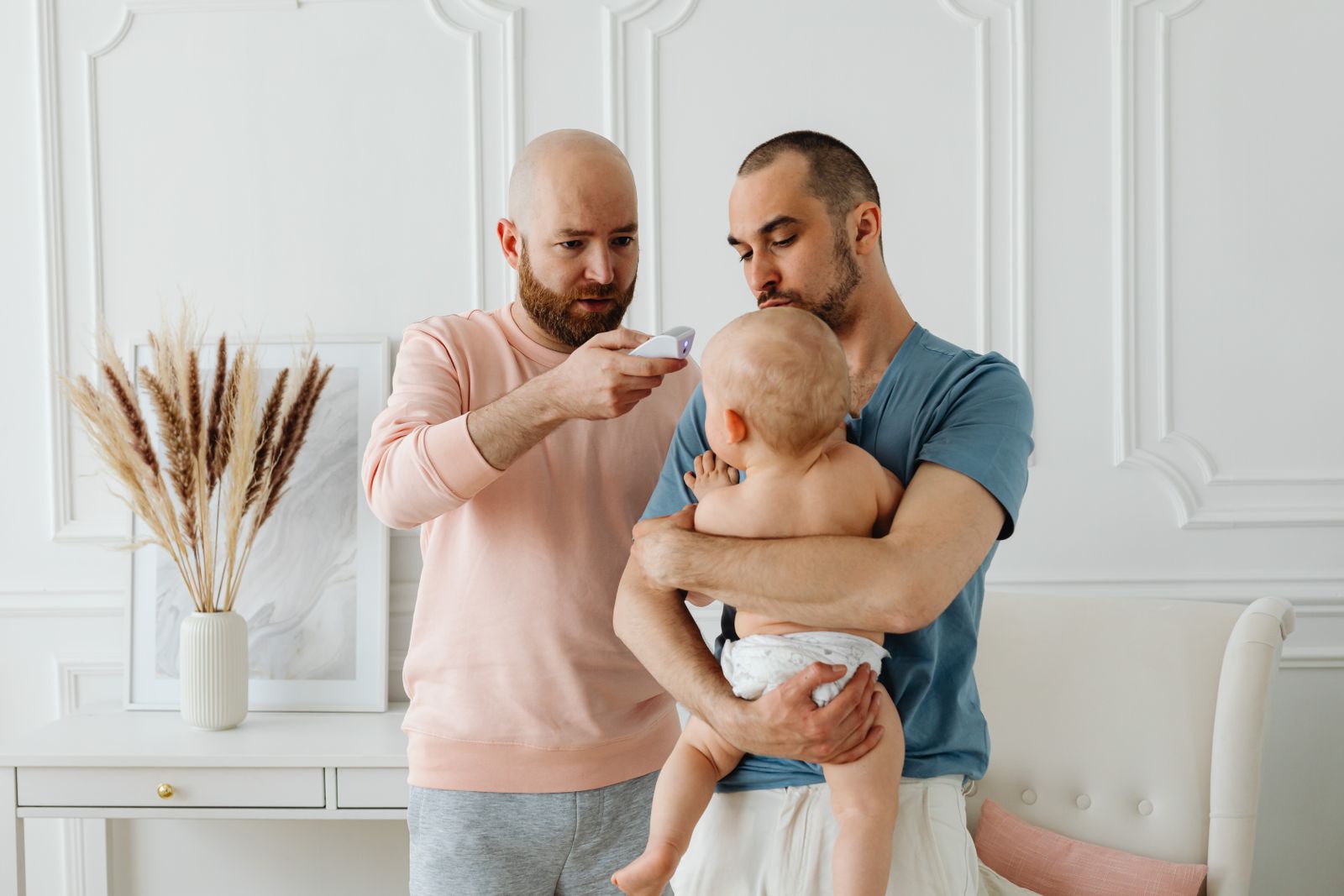
Whooping cough (also called pertussis) is a bacterial infection of the lungs and airways, and the NHS says babies under 6 months are at higher risk of serious problems such as dehydration, breathing difficulties, pneumonia and seizures. If your baby is under 6 months and has symptoms, the NHS advises getting urgent advice from a GP or by calling 111. This guide covers the whooping cough symptoms in babies to look for, what the NHS says about when to call 111 or 999, how it is treated, and how the vaccines protect your baby, all based on NHS guidance.
Whooping cough symptoms in babies
The NHS describes two stages. The first looks very like a common cold, so it is easy to miss.
Early stage
- a runny nose and sore throat
- a high temperature is uncommon, which can make it seem milder than it is
After about a week
- coughing bouts that can last several minutes and are often worse at night
- a "whoop" sound as the person gasps for breath between coughs in some cases
- thick mucus that can make the child vomit after coughing
The point many parents find surprising is that young babies under 3 months may not make the whoop sound at all, according to the NHS. So a baby without a whoop can still have whooping cough. The cough can last for several weeks or even months, which is why it has long been nicknamed the "100-day cough".
If your baby has a cold that is getting worse, a cough that comes in long bouts, or seems to struggle to catch their breath, do not wait for a whoop before getting advice. Our guides to a baby cold and blocked nose and to bronchiolitis in babies explain how those more common illnesses differ, but with a young baby the safe step is to get them checked.
Why whooping cough is more serious in babies
The NHS lists the complications for babies under 6 months as dehydration, breathing difficulties, pneumonia and seizures (fits). In older children and adults the complications are usually less dangerous, such as sore ribs, a hernia, middle ear infections and urinary incontinence from coughing. Because of this, the NHS says hospital treatment is usually needed for severe cases and for babies under 6 months.
Young babies are also the group who cannot yet be fully vaccinated, which is why protection in pregnancy matters so much (see below).
When to call 111, get urgent help or call 999
This is the part to save. The NHS splits the advice like this.
Get urgent advice from a GP or call 111 if:
- your baby is under 6 months old and has symptoms of whooping cough
- a very bad cough is getting worse
- you are pregnant and have been in contact with someone who has whooping cough
For a child under 5, the NHS says to call 111. Use 111 online only for children aged 5 and over.
Call 999 or go to A&E if:
- your baby's lips, tongue, face or skin turn blue or grey
- they have difficulty breathing
- they have chest pain that is worse when breathing or coughing, which can be a sign of pneumonia (this is more relevant for older children and adults)
- they have a seizure
The NHS adds a warning not to drive to A&E yourself if someone is this unwell, because you may not be able to watch them closely. Call 999 instead. If you are unsure whether a temperature is a concern for your baby's age, see our guide to baby fever and when to call 111.
How whooping cough is treated
Treatment depends on how old the child is and how unwell they are.
- Hospital care: the NHS says this is usually needed for severe cases and for babies under 6 months.
- Antibiotics: if whooping cough is diagnosed within 3 weeks of the cough starting, antibiotics are given to help stop it spreading to others. The NHS notes they may not reduce the symptoms themselves. Finish the full course even if the person feels better.
- At home (older children and adults): rest, plenty of fluids, and paracetamol or ibuprofen if needed. The NHS says not to give aspirin to children under 16.
A baby under 6 months should be assessed by a clinician rather than managed with home remedies, so the home-care advice above mainly applies to older household members who catch it.
How long is whooping cough contagious?
According to the NHS, a person with whooping cough can pass it on for up to 3 weeks after the cough starts. Starting antibiotics as soon as possible helps reduce the spread. The NHS says to stay off school, work or nursery until 48 hours after starting antibiotics, or until 3 weeks after the cough started if no antibiotics were taken.
If a sibling, grandparent or childminder has a worsening cough while you have a newborn at home, ask a GP or 111 for advice about whether they should be tested and how to keep your baby away from them. It is also worth keeping visits to a minimum while a cough is still being checked, as we explain in our guide to visitors and infection prevention for newborns.
Whooping cough vaccine: protecting your baby
There are two layers of protection, and the first one happens before your baby is born.
In pregnancy
The NHS recommends the whooping cough vaccine in every pregnancy, even if you have had it before. It is usually given around 20 weeks, often around the time of the 20-week scan, but it can be given from 16 to 32 weeks. The NHS says you and your baby get the best protection if you have it before 32 weeks. You can still have it after 32 weeks, but it gives your baby less protection. Having it in pregnancy protects your baby in their first weeks of life, until their own vaccines begin.
If you have had your 20-week scan and have not been offered it, the NHS says to speak to your GP, midwife or health visitor. For the full picture on this and the other vaccines offered in pregnancy, see our guide to flu and whooping cough vaccines in pregnancy.
In your baby's routine vaccinations
Babies are offered whooping cough protection as part of the 6-in-1 vaccine at 8, 12 and 16 weeks, with another dose at 18 months, according to the NHS. A 4-in-1 pre-school booster follows at 3 years 4 months. Because the first dose is not until 8 weeks, the pregnancy vaccine is what covers the gap. Our first-year vaccination schedule walks through each appointment.
Practical steps for parents
- Check your pregnancy vaccine is recorded in your maternity notes, and ask your midwife if you are unsure.
- Do not delay your baby's 8-week vaccinations. If you miss an appointment, contact your GP surgery to rebook.
- Know the red flags above, and keep the NHS 111 number handy.
- If you are around a baby under 3 months, avoid contact with anyone who has a persistent or worsening cough until they have been checked.
- Do not rely on a missing "whoop" as reassurance, particularly in newborns.
This article is general information drawn from NHS guidance and is not a substitute for medical advice. If you are worried about your baby, call 111, or 999 in an emergency.
Frequently asked questions
What does whooping cough sound like in a baby?+
The NHS says some people make a 'whoop' as they gasp for breath between coughing bouts, but babies under 3 months may not. In babies the main signs are long coughing bouts, often worse at night, and sometimes vomiting after coughing.
When should I call 111 about a baby's cough?+
The NHS says to get urgent advice from a GP or call 111 if your baby is under 6 months and has whooping cough symptoms, or if a very bad cough is getting worse. Call 999 if their lips, tongue, face or skin turn blue or grey, they struggle to breathe, or they have a seizure.
Can a baby catch whooping cough before their first vaccine?+
Yes. Babies are not offered the whooping cough vaccine as part of the 6-in-1 until 8 weeks old. The NHS recommends the vaccine in every pregnancy, ideally before 32 weeks, to protect your baby in the first weeks of life.
How long is whooping cough contagious?+
The NHS says up to 3 weeks after the cough starts. Antibiotics started promptly help reduce spread, and the NHS advises staying off school, work or nursery until 48 hours after starting them, or 3 weeks after the cough began if untreated.
Does my baby need hospital treatment for whooping cough?+
The NHS says hospital treatment is usually needed for severe cases and for babies under 6 months, because of the risk of dehydration, breathing difficulties, pneumonia and seizures.
Sources
Related guides
Cot Mattress UK: What to Check Before You Buy (2026)
Black Friday is a good moment to buy a cot mattress, but only if it passes the safety basics. The NHS and Lullaby Trust say it should be firm, flat, waterproof-covered and fit the cot with no gaps. Here is the checklist, a comparison of mattress types, second-hand rules and the sale-season traps to avoid.
BlueMello Swaddle Blanket Recall (Amazon): OPSS Warning
OPSS has recalled the BlueMello Baby Swaddle Blanket sold on Amazon because a baby can slip below the covers, risking overheating and airway obstruction. Here is what to do, how to check any swaddle, and safer UK alternatives.
Baby Sleep Away From Home at Christmas: UK Safe Guide
Staying with family over Christmas? Here is how to set up safe sleep for your baby away from home: checking a borrowed cot and mattress, using a travel cot, handling car seats and sofas, and what to pack, with NHS and Lullaby Trust guidance.

Written by
Sepehr
Software engineer, soon-to-be dad, uncle to four — the tech-obsessed half of the two of us testing this stuff. Currently building this site with my wife, ahead of our own baby arriving.