Visitors Kissing Your Newborn: Lullaby Trust Advice
New Lullaby Trust research says 57% of parents have had a baby kissed without asking. Here is the Trust's THANKS guidance on handwashing, kissing and unwell visitors for newborns, plus practical ways to set boundaries with family without causing offence.
Should visitors kiss your newborn? According to the Lullaby Trust, no: only a parent or main carer should kiss a new baby, and everyone should wash their hands before touching or holding them. The charity's Infection Prevention Week (19–25 October 2026) is built around the theme “your baby, your boundaries”, and a new Trust poll suggests many parents find those boundaries hard to enforce. Here is what the guidance says, why it matters, and how to say it without a family row.
What the new Lullaby Trust poll found
On 19 October 2026 the Lullaby Trust published research showing that 57% of parents and carers surveyed said a family member had kissed their baby without asking, and 46% felt uncomfortable asking loved ones to wash their hands before touching or holding their baby. The Trust has not published the survey's sample size alongside those figures, so treat them as an indication of how common the pressure is rather than a precise national number. An earlier Trust survey of 2,300 new and expectant parents, from 2023, pointed the same way: 54% would let friends and family kiss their newborn, unaware of the risk of serious infection, and 63% would feel uneasy asking visitors not to touch their baby.
Why the Lullaby Trust says newborns need extra protection
The Trust explains that babies have immature immune systems and are more vulnerable to infection than older children, especially in their first few weeks of life. An infection that causes a minor illness in an adult can be serious in a newborn. The Trust's campaign uses the acronym THANKS – Think Hands And No KisseS, and its published guidance is short:
- Always wash your hands before touching or holding a baby.
- People from outside the home should not kiss a new baby when they visit. Only a parent or main carer should.
- Don’t visit a new baby if you are ill or have been ill recently. The Trust specifically names active cold sores, diarrhoea and vomiting illnesses.
The cold sore case behind the campaign
This year’s campaign includes the story of Meg, whose daughter Magnolia died at ten days old in February from HSV-1, the virus that causes cold sores. Meg says she had a primary HSV infection in her mouth on the day she gave birth without realising what it was. She told the Trust that no one around her knew a cold sore could kill a baby, even though most of them had had cold sores themselves. It is a rare and painful example, and the Trust uses it to make a simple point: the person who passes on an infection is almost never being careless on purpose, which is why a clear, consistent house rule is easier than trying to judge who looks well.
How to set boundaries without causing offence
The Trust’s chief executive, Jenny Ward, has said parents may feel awkward or guilty about these requests, especially with grandparents who were given different advice when they had their own babies, and that parents are not being rude or overprotective. The charity’s line is that protecting your baby from infection is never something you need to justify. Some practical ways to put that into practice:
- Say it before the visit, not at the door. A short message such as “We’d love to see you. House rules for the first few weeks: hands washed on arrival, no kisses for the baby, and please stay away if you’ve been unwell.” gets the awkward bit out of the way.
- Make it about the baby, not the person. “The Lullaby Trust says…” hands the responsibility to a third party, which many grandparents find easier to accept than a request from their own child.
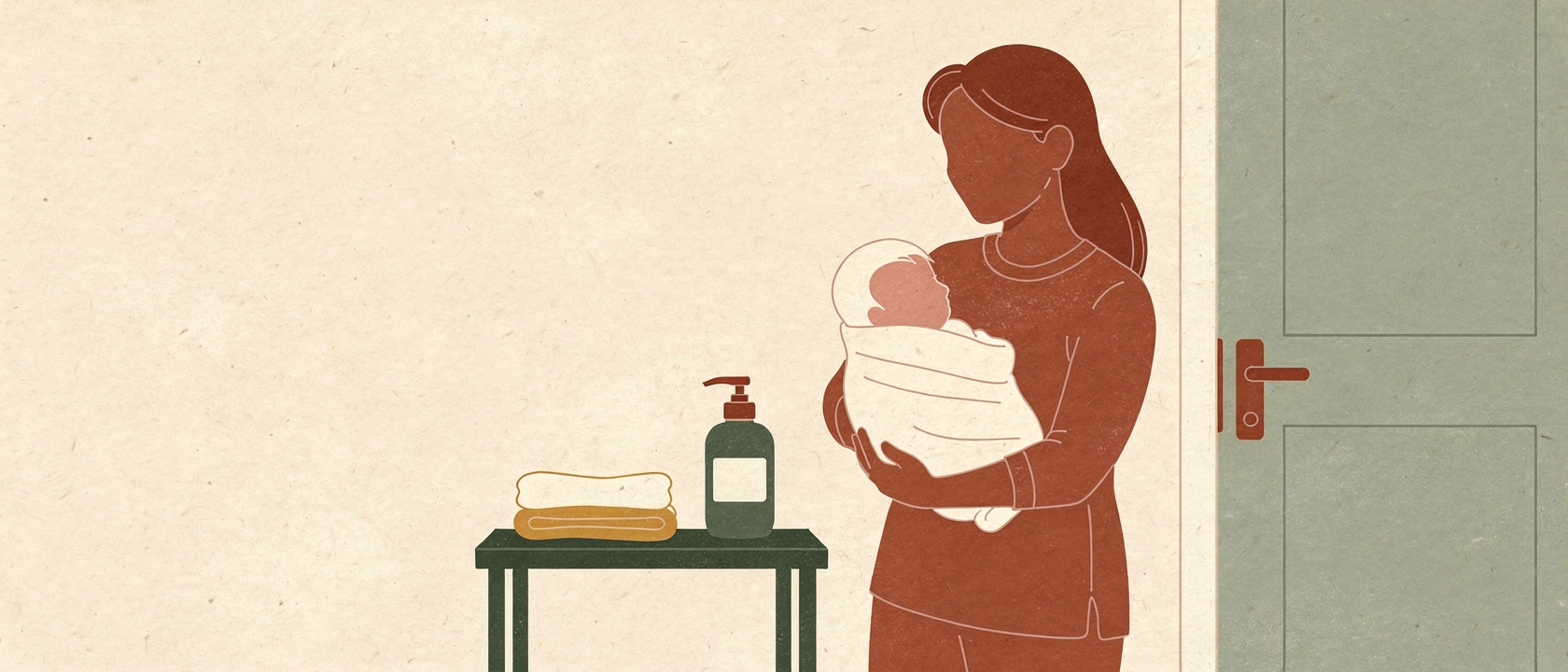
- Put the sink in the way. Directing visitors straight to the bathroom or kitchen sink makes handwashing the default rather than a request. A bottle of hand soap by the front door helps.
- Offer an alternative. A cuddle with clean hands, holding a hand or a photo of the baby is a perfectly good substitute for a kiss.
- Use a visual cue. A soap dispenser by the door and a short note on the hall table repeating the three rules speak for you when you are tired.
- Apply the rule in public too. The Trust says boundaries aren’t limited to home: parents can step in and say no if a stranger tries to touch or kiss a baby when out and about. A pram cover, carrier or simply holding your baby close makes this easier.
What if a visitor is poorly?
Ask them to wait until they have fully recovered. The Trust’s advice is that anyone who is ill or has been recently ill, including with a cold sore or a sickness bug, should not visit a new baby. Most people respond well to “we’d rather see you when you’re better”, and a video call or a delivered meal is a kind alternative. If you or your partner develop a cold sore or sickness bug, apply the same logic to yourselves and speak to your midwife, health visitor or GP about how to protect the baby.
Know the signs of infection in a newborn
Boundaries reduce the risk, but they can’t remove it. If your baby seems unwell, is feverish, feeding poorly or unusually sleepy, follow NHS guidance on when to get help; our baby fever guide and bronchiolitis guide summarise the NHS advice on when to call 111 or 999.
Vaccines are part of the picture
Visitor rules sit alongside, not instead of, the protection offered by NHS vaccination. Pregnant women are offered vaccines that protect their baby in the first weeks of life; see our guides to the RSV vaccine in pregnancy and the flu and whooping cough vaccines in pregnancy, and ask any adults who will help with childcare to check they are up to date with their own flu jab this winter (see the children’s flu vaccine guide for the wider autumn programme).
A quick visitor checklist for the front door
- Hands washed with soap and water on arrival.
- No kisses for the baby from anyone other than a parent or main carer.
- Anyone with a cold, cold sore or tummy bug stays home.
- Visits kept short in the early weeks, so you and baby can rest.
- You are always allowed to say no, and you don’t have to explain.
As the Trust puts it, your baby’s health comes before anyone else’s feelings. This article summarises Lullaby Trust guidance and is not medical advice; speak to your midwife, health visitor or GP with any concerns about your baby.
Frequently asked questions
Is it okay for visitors to kiss a newborn baby?+
The Lullaby Trust advises that people from outside the home should not kiss a new baby. Only a parent or main carer should, and not if they are unwell.
Should visitors wash their hands before holding a newborn?+
Yes. The Lullaby Trust's THANKS guidance says to always wash your hands before touching or holding a baby.
Can I ask visitors with a cold sore to stay away from my baby?+
Yes. The Lullaby Trust says anyone who is ill or has been ill recently, including with an active cold sore, diarrhoea or a vomiting illness, should not visit a new baby.
How do I tell grandparents not to kiss the baby?+
Explain it in advance, point to the Lullaby Trust guidance, and offer alternatives like a cuddle with clean hands. The Trust says parents are not being rude or overprotective.
Sources
- Lullaby Trust — New poll: more than half of new parents say someone has kissed their baby without asking (19 Oct 2026)
- Lullaby Trust — Infection Prevention Campaign (THANKS)
- Lullaby Trust — Over half of UK parents unaware of risk kissing poses to newborns
- Lullaby Trust — Why do we need to keep babies safe from infection?
Related guides
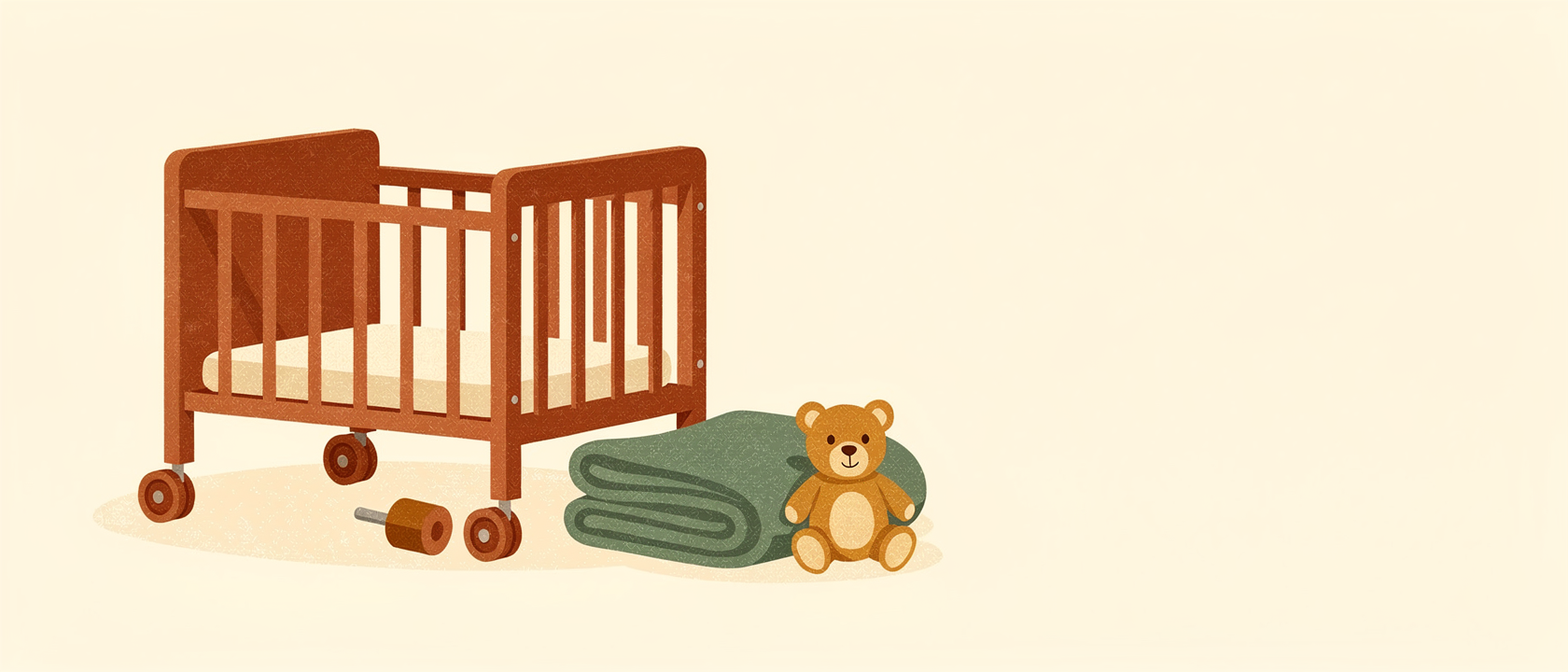
Babymore Space Saver Cot Castors: OPSS Overturn Risk
On 23 October 2026 OPSS published a safety report on the grey Babymore Space Saver Cot (model 2620003): it may overturn when pushed sideways with castors fitted, and a sample had a sharp splinter. Babymore has removed the castors; here is what to check.
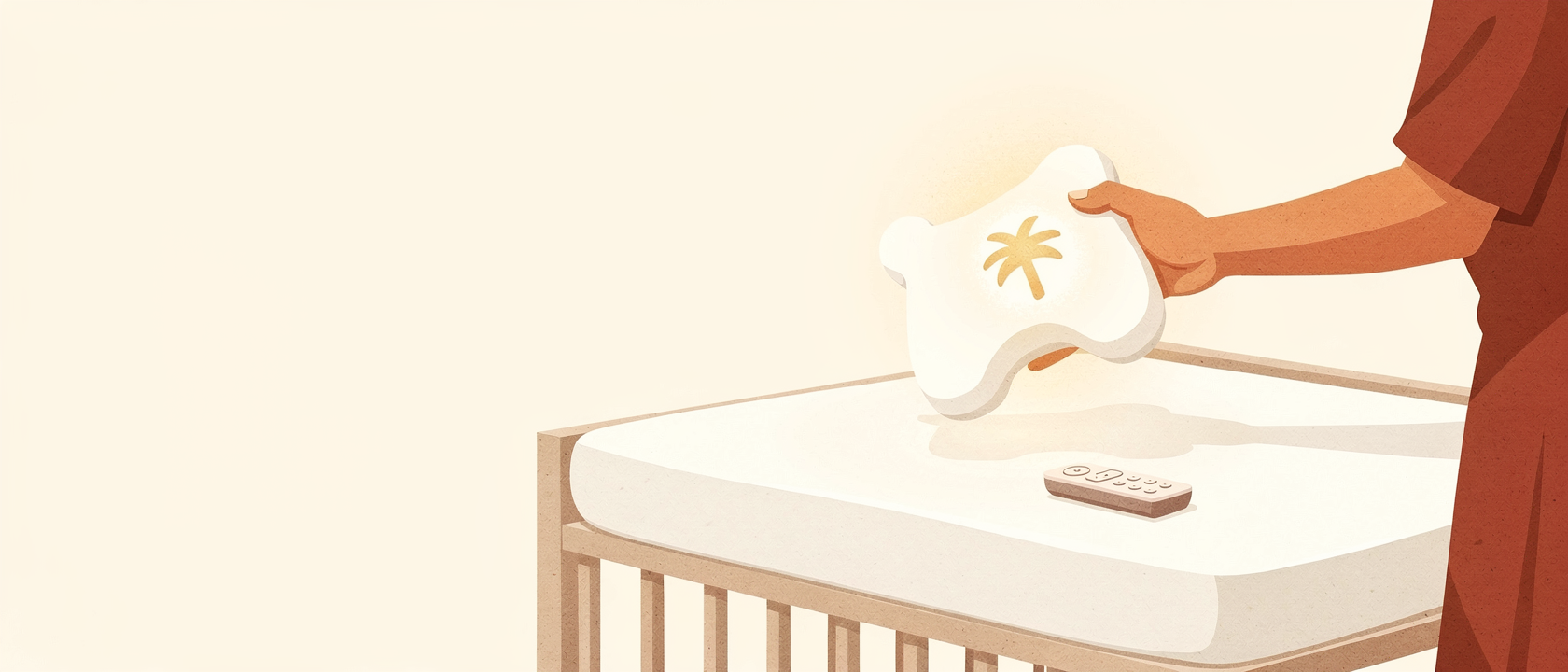
Warming Baby Sleep Pillow Toy: OPSS Serious Risk
On 21 October 2026 OPSS published a serious-risk report on an animal-shaped baby sleep pillow with a built-in warming device, sold via Wish. Here is what the report says, why the NHS advises against both pillows and heat sources in the cot, and what to do if you have one.
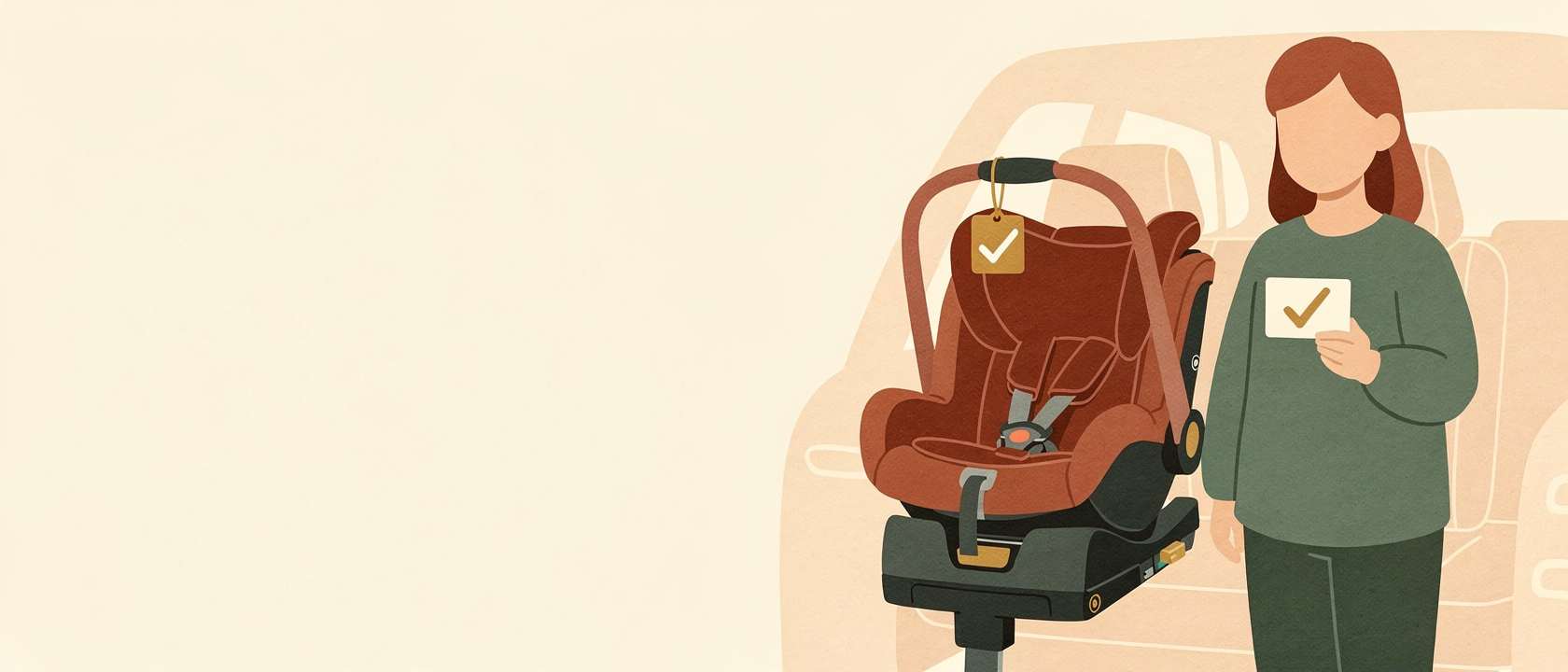
Britax Baby-Safe Pro & Axkid Minikid Car Seat Recalls
Britax Römer has recalled the Baby-Safe Pro and Axkid the Minikid Core after both seats failed Which? crash tests. Here is how to check your seat, what each maker advises in the meantime, and how to get the free remedy.

Written by
Sepehr
Software engineer, soon-to-be dad, uncle to four — the tech-obsessed half of the two of us testing this stuff. Currently building this site with my wife, ahead of our own baby arriving.