Moon-Shaped Baby Sleep Pillow: OPSS Serious Risk
On 4 November 2026 OPSS published a serious-risk report on a blue moon-shaped baby sleep pillow sold via Wish. Here is what the report says, why the NHS advises against pillows in a baby's sleep space, and what to do if you have one.

The Office for Product Safety and Standards (OPSS) published a serious-risk safety report on a moon-shaped baby sleep pillow on 4 November 2026.
The short answer for parents: a baby sleep pillow of any shape does not belong in a cot, Moses basket or bedside crib. If you bought this one, stop using it and take it out of the sleep space.
What the OPSS report says about the moon-shaped baby sleep pillow
According to the OPSS report (PSD notification 2610-0055), the product is a blue moon-shaped pillow marketed as suitable for baby sleeping, made in China and sold on the Wish marketplace. The listing was titled "Super Soft Baby Breastfeeding Pillow Baby Bed Cushion Decorate House Decoration Baby Sleeping Pillow Moon Cushion".
OPSS rated the risk serious, stating that the product "presents a risk of suffocation when used in a sleep space for babies", and that it does not meet the General Product Safety Regulations 2005. Wish has removed the listing. OPSS's advice to anyone who owns one is to stop using it immediately, keep it out of reach of children, and contact the seller for a refund.
Why pillows are not safe for babies under one
The OPSS report notes that pillows and soft toys are advised against in sleep spaces for babies under one year, because they increase the risk of overheating and airway obstruction, both associated with sudden infant death syndrome (SIDS). OPSS has also published a national Product Safety Alert on baby sleep pillows (PSA8).
The NHS safe sleep guidance backs this up:
- Keep the sleep space clear. The NHS says not to use pillows, duvets, cot bumpers, loose blankets or soft toys, and to put your baby on their back on a firm, flat mattress.
- Avoid overheating. The NHS recommends a room temperature of about 16 to 20°C and says overheating increases the risk of SIDS.
The product name is part of the problem. The listing mixes "breastfeeding pillow", "decoration" and "baby sleeping pillow" in one title, which makes a decorative cushion look like a sleep product. Age labels and "sleeping pillow" wording on a marketplace listing do not mean a product has been tested for infant sleep.
What to do if you have one
- Stop using it and remove it from the cot, Moses basket or bedside crib.
- Keep it out of reach of babies and young children, as OPSS advises.
- Contact the seller for a refund, keeping the order details and a screenshot of the listing if you still have it.
- Check the room. Use a thermometer and aim for 16 to 20°C. Our winter baby room temperature guide covers what to dress a baby in as the nights get colder.
What the wider OPSS alert says about baby sleep pillows
This report sits alongside a general Product Safety Alert, PSA8, which OPSS issued on 11 December 2025. It uses "baby sleep pillows" as a catch-all for pillows or cushions marketed for babies to sleep on or with, or to be left on or with unsupervised. Other names it lists include baby anti-stress, comfort, cuddle and sleep cushions, baby hug pillows and stuffed sleeping pillows, so a moon, star or cloud shape is no different from the rest. The alert says these products are linked to child deaths in the UK and overseas, through two routes:
- Suffocation: soft, squishy material can cover a baby's nose and mouth.
- Overheating: a baby's head can sink into the pillow and trap heat, and overheating raises the risk of SIDS.
OPSS also says the harm can happen when a baby is left on the product unattended or is used for sleep, including when it is placed in a cot or crib. The alert excludes nursing pillows designed only for breastfeeding, and cot mattresses that meet BS EN 16890. Even a genuine nursing pillow should not be used in the sleep space.
How to spot a risky listing
This listing is a good example of mixed messaging. Watch out for:
- A title that stacks unrelated terms, such as "breastfeeding pillow", "decoration" and "baby sleeping pillow" together.
- Product photos showing a baby lying on or beside the item in a cot.
- Phrases like "anti-roll", "head shaping", "sleep aid" or "hug pillow" for babies under a year.
- No UK address for the seller, no UKCA or other safety information, and no age or use warnings.
OPSS says businesses should not market any pillow or cushion as a sleep pillow for babies under 12 months, and should include clear warnings where misuse is reasonably foreseeable. If a listing breaks that rule, you can report it to your local Trading Standards service.
Your rights if you bought one
PSA8 tells parents who bought a product marketed for baby sleep or unattended use to contact the seller, and says you may be entitled to redress under the Digital Markets, Competition and Consumers Act 2024. Practically, that means:
- Message the seller through the marketplace and ask for a refund, quoting the OPSS notification number 2610-0055.
- Keep the order confirmation, payment record and screenshots of the listing.
- If the seller does not respond, ask your card provider or payment service about a chargeback or dispute.
Refunds are not guaranteed on marketplaces with overseas sellers, so do not keep using the pillow while you wait.
Signs your baby may be too warm
OPSS lists the signs to watch for as a hot tummy, sweating (especially on the face and head), irritability, or faster-than-usual breathing. If you notice these, remove any extra layers or soft items, and check the room is at 16 to 20°C. If you are worried about your baby's breathing, they are hard to wake, or are floppy, call 999 or 111 for advice. If your baby has already slept on a pillow like this, there is nothing to do except stop using it; if they seem unwell at all, speak to your GP, health visitor or call 111.
What to use instead
According to the NHS, the cot or Moses basket should hold a firm, flat, waterproof mattress, with no pillows, bumpers or loose bedding. When you press the mattress, your baby's head should not sink in by more than a few millimetres. If your baby needs extra warmth, the NHS suggests a well-fitting sleeping bag, with the tog chosen for the room:
| Room temperature | NHS tog guide for a sleeping bag |
|---|---|
| 16–20°C | 2.5 tog, all year |
| 20–24°C | 1.0 tog |
| 24–27°C | 0.5 tog |
A sleeping bag should fit well around the shoulders so your baby's head can't slip down inside, and you should use no other bedding with it. If you prefer blankets, lay your baby with their feet at the foot of the cot, use cellular cotton, tuck the blanket in firmly no higher than the shoulders, and do not double it over. Do not use sleeping pods or nests, which have raised or cushioned areas.
Childminders, grandparents and nurseries
PSA8 says childcare and education settings should apply the same rules: no sleep pillows for babies under 12 months and nothing placed in cots or cribs. If someone else looks after your baby, check what they put in the cot. A pillow given as a gift can slip into the cot unnoticed, so a polite word about the NHS advice is worth having.
This is part of a run of sleep-pillow reports
OPSS has flagged several baby sleep pillows in recent weeks. We have covered the warming baby sleep pillow toy, the electric patting baby sleep pillow, and a round-up of other sleep pillow reports. The pattern is the same each time: a cute, soft product sold on an online marketplace with sleep marketing the NHS guidance does not support.
A simple test before buying anything for the cot
Ask whether the NHS or the Lullaby Trust recommends it for the sleep space. Beyond a firm, flat mattress with a fitted sheet, the safe additions are a well-fitting baby sleeping bag with arm holes and no hood, or light blankets tucked in below shoulder height. Our guide to baby nests and sleeping pods applies the same reasoning to other soft products sold for sleep. Anything else, however cosy, can stay out of the cot. The Lullaby Trust runs a free information line if you are unsure about an item in your baby's sleep space, and you can check the latest notices on the gov.uk product safety alerts, reports and recalls page.
Frequently asked questions
Is it ever safe to put a pillow in a baby's cot?+
No, not for babies under 12 months. The OPSS report and its wider alert on baby sleep pillows say pillows and soft toys should not be placed in the sleep space, because they raise the risk of overheating and airway obstruction, both linked to sudden infant death syndrome. The NHS safe sleep advice is the same: keep the cot clear of pillows, duvets, cot bumpers and loose blankets, and place your baby on their back on a firm, flat mattress. If you want extra warmth, use a well-fitting baby sleeping bag of the right tog for the room temperature instead.
What should I do if I already bought the moon-shaped pillow?+
Stop using it straight away and take it out of the cot, Moses basket or bedside crib. OPSS advises owners to keep it out of reach of children and to contact the seller for a refund. Keep your order confirmation and a screenshot of the listing, and quote the report number 2610-0055 when you get in touch. If the seller doesn't respond, ask your card provider or payment service about a dispute. Wish has removed the listing, but copies of similar products may be sold elsewhere, so check any other soft items in your baby's sleep space.
Does a pillow labelled as a breastfeeding pillow count as a baby sleep pillow?+
A nursing pillow designed only for breastfeeding is excluded from the OPSS baby sleep pillow alert, but it still should not be used for your baby to sleep on or left in the cot. The problem with this moon-shaped product was its mixed listing, which described it as a breastfeeding pillow, a decoration and a baby sleeping pillow all at once. If a product's marketing suggests it can be used for baby sleep, treat it as unsuitable. Use nursing pillows only for feeding while you are awake and alert, then move your baby to a flat cot.
How do I know if my baby is overheating?+
OPSS lists the signs as a hot tummy, sweating (especially on the face and head), irritability, or faster-than-usual breathing. The NHS suggests checking your baby by feeling their chest or the back of their neck; cool hands and feet are normal. Keep the room at about 16 to 20°C, remove layers if your baby feels hot, and use a sleeping bag with the right tog rather than extra blankets. If you are worried about your baby's breathing or they are very hard to wake, call 999 or 111 for advice.
Sources
Related guides
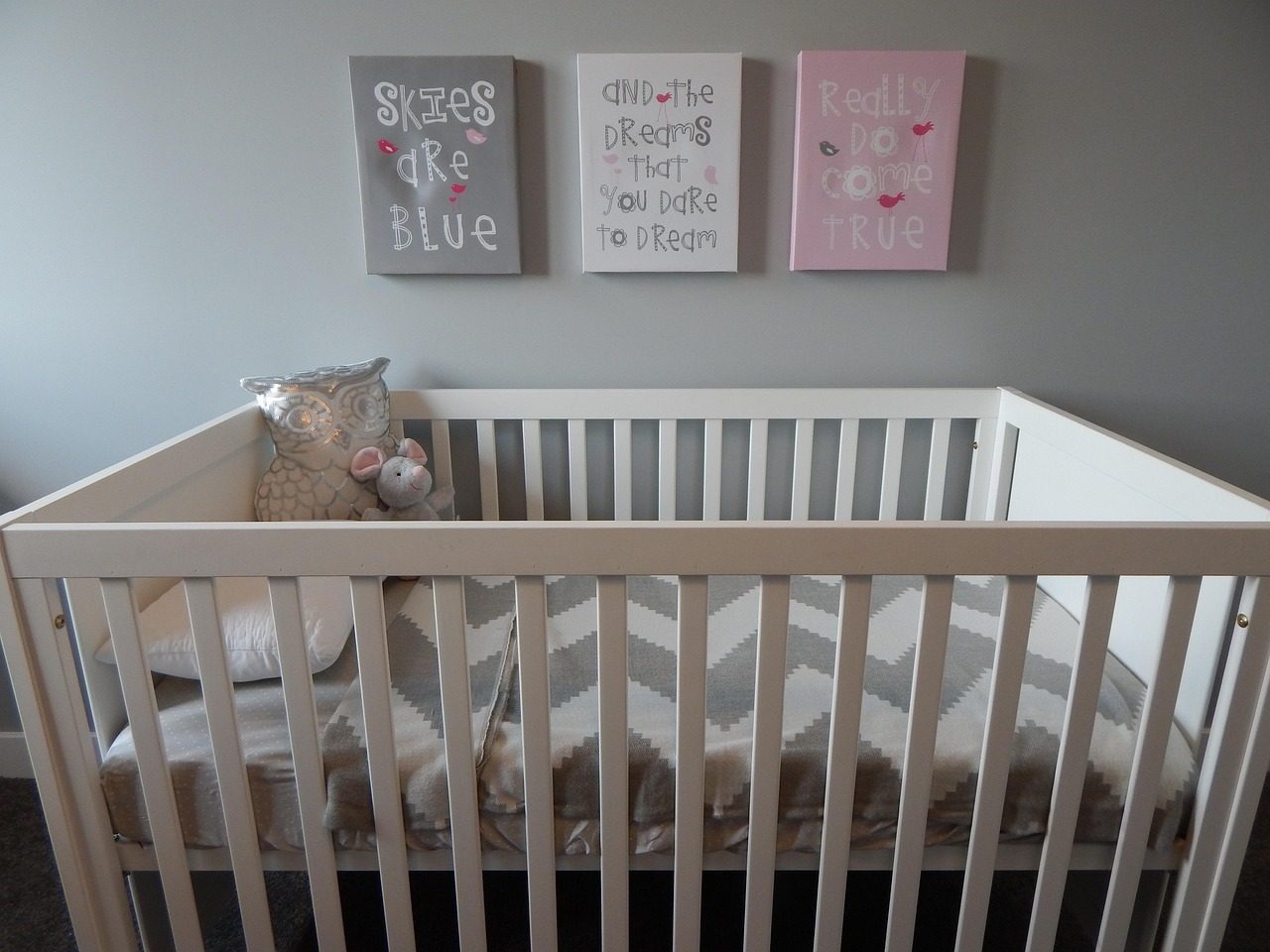
Cot Mattress UK: What to Check Before You Buy (2026)
Black Friday is a good moment to buy a cot mattress, but only if it passes the safety basics. The NHS and Lullaby Trust say it should be firm, flat, waterproof-covered and fit the cot with no gaps. Here is the checklist, a comparison of mattress types, second-hand rules and the sale-season traps to avoid.
BlueMello Swaddle Blanket Recall (Amazon): OPSS Warning
OPSS has recalled the BlueMello Baby Swaddle Blanket sold on Amazon because a baby can slip below the covers, risking overheating and airway obstruction. Here is what to do, how to check any swaddle, and safer UK alternatives.
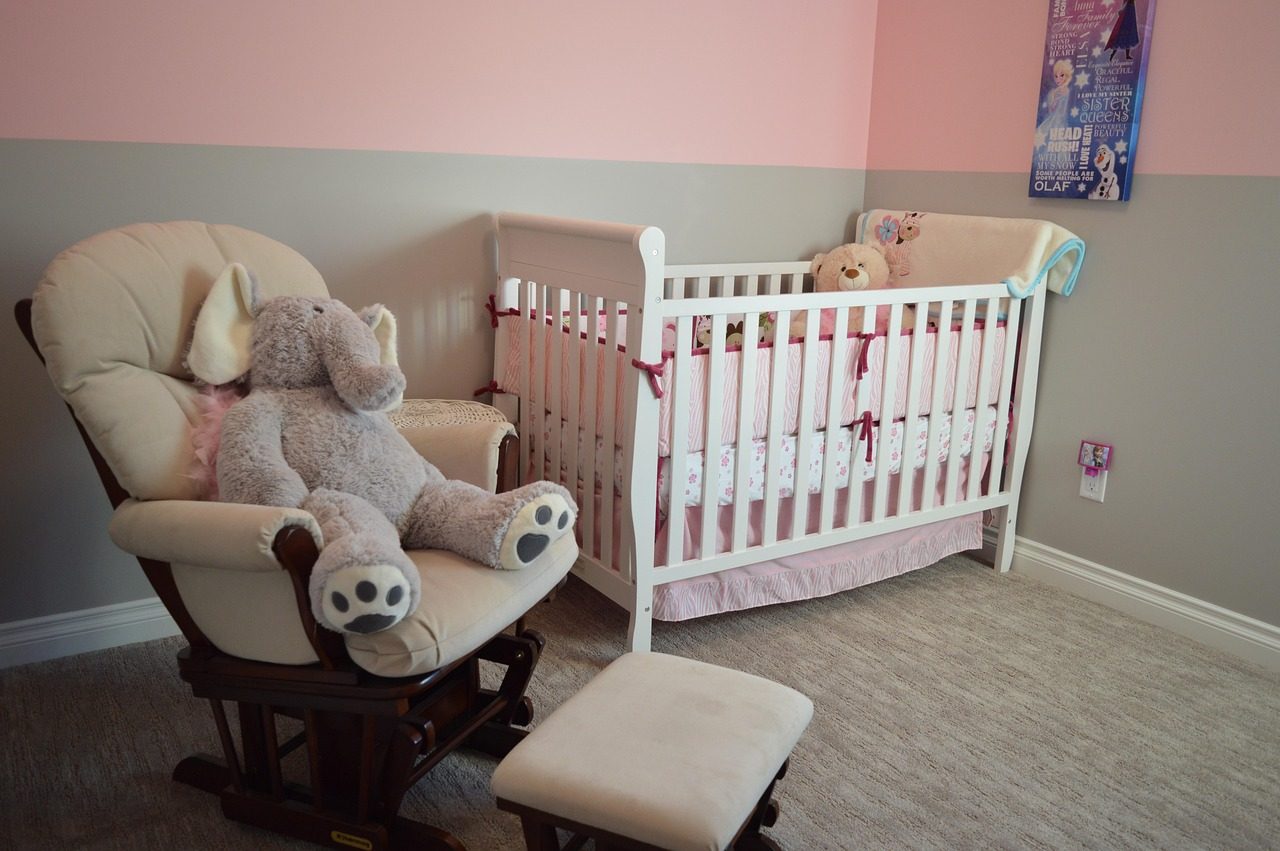
Baby Sleep Away From Home at Christmas: UK Safe Guide
Staying with family over Christmas? Here is how to set up safe sleep for your baby away from home: checking a borrowed cot and mattress, using a travel cot, handling car seats and sofas, and what to pack, with NHS and Lullaby Trust guidance.

Written by
Sepehr
Software engineer, soon-to-be dad, uncle to four — the tech-obsessed half of the two of us testing this stuff. Currently building this site with my wife, ahead of our own baby arriving.