Baby Sleeping Bags: OPSS Warns on No Armholes or Hoods
On 1 October 2026 the OPSS told parents not to buy or use any baby sleeping bag that lacks armholes or has a hood, citing overheating and suffocation risks. Here is how to check the bag you own, what the Lullaby Trust and NHS advise, and what to look for when buying a safer one.
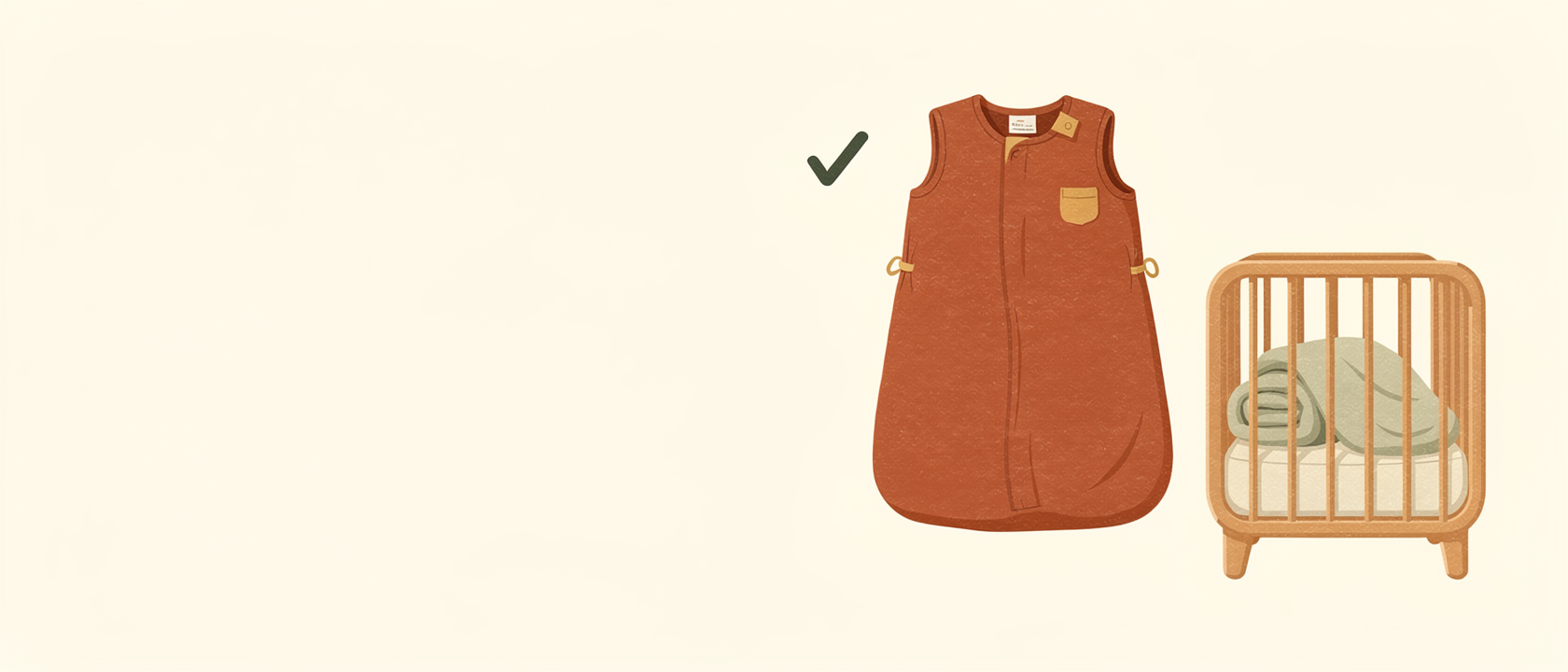
The Office for Product Safety and Standards (OPSS) has issued a Product Safety Alert, published on 1 October 2026, telling parents not to buy or use any baby sleeping bag that has no armholes or that has a hood. If you own a baby sleeping bag with either feature, stop using it for sleep. Choose a sleeping bag with armholes and no hood, fitted snugly at the neck and shoulders, instead.
What the OPSS alert says
The OPSS alert covers baby sleeping bags marketed or used for unsupervised sleep in a cot or crib. Its advice is blunt: do not buy or use a baby sleeping bag that lacks armholes or that includes a hood. The OPSS says the two features create different hazards:
- No armholes: without armholes holding the bag in position around the shoulders, a baby can slip down inside it. That can lead to overheating and suffocation.
- A hood: hooded bags can cover a baby's nose and mouth as the material shifts, and a covered head raises the risk of overheating.
The OPSS notes it has published nearly 50 recalls or product safety reports on unsafe baby sleeping bags since 2023, which is why it has now issued a general alert rather than another single-product notice. It also says that bags meeting the voluntary standard BS EN 16781:2018 are considered compliant, so that standard is worth looking for on the label or product listing. If you bought a product marketed for unsupervised sleep that falls short, the alert says you may be able to seek redress from the supplier under consumer protection law.
Why overheating and head covering matter
This is not a niche risk. The Lullaby Trust advises keeping a baby's sleeping space at 16–20°C so they do not get too hot, and says babies' heads should be uncovered while they sleep because they lose heat through their heads. The NHS lists overheating and a covered head among the factors linked to sudden infant death syndrome (SIDS). A hood works against exactly that advice, and a bag with no armholes can let the whole body, head included, slide down inside it. For the wider picture, see our guide to safe sleep guidance for newborns.
How to check the sleeping bag you already own
It takes a minute. Go through these points with the bag in front of you:
- Armholes. Are there two proper armholes (or sleeves) so your baby's arms come out and the bag is held at the shoulders? A sack that simply closes over the shoulders with no arm openings fails the OPSS test.
- Hood. Is there any hood, even a small or detachable one? If so, do not use it for sleep.
- Neck and shoulder fit. The Lullaby Trust says a sleeping bag should be well fitted around the neck and shoulders so the baby cannot wriggle down inside. Check the weight or size range on the label and use the right size rather than buying large to grow into.
- Standard. Look for BS EN 16781:2018 on the label or listing. Marketplace listings that mention no standard at all deserve extra suspicion.
- Tog and room temperature. Match the tog to the room, following the manufacturer's guidance, and check your baby by feeling their chest or the back of their neck. Cool hands and feet are normal; a hot chest or neck means they are too warm.
Use one bag, not two
The Lullaby Trust advises against layering a sleeping bag over another, because air trapped between the layers increases the warmth. If the room is cooler, switch to a higher-tog bag as advised by the manufacturer rather than doubling up. Hats should also come off indoors, for the same head-covering reason.
Where sleeping bags fit with swaddles and other sleep products
A well-fitted sleeping bag with armholes is the Lullaby Trust's recommended alternative to loose blankets, because it cannot be kicked off or pulled over a baby's face. If you are still weighing up a wrap against a bag, our comparison of swaddles versus sleep sacks covers when each is appropriate, and our step-by-step guide on how to swaddle a newborn safely covers the technique. Be equally cautious with anything that props, wedges or straps a baby in place; see why sleep wedges and positioners are never safe and whether baby nests and sleeping pods are safe. Our round-up of the latest nursery safer sleep rules is a useful companion read.
Buying a safer sleeping bag
- Buy from a retailer that states the safety standard and gives clear sizing by baby weight or height.
- Be wary of cheap, unbranded listings on online marketplaces, which is where many recent product safety reports have originated.
- Avoid products marketed as "weighted" or with built-in padding around the head; the Lullaby Trust says weighted swaddles are not recommended for babies under a year.
- Buy two so you always have a clean one when the other is in the wash, and so you are never tempted to improvise with blankets.
The rest of the safer sleep basics
A compliant sleeping bag is one piece of a safe cot setup, not the whole of it. The Lullaby Trust and NHS advise putting your baby to sleep on their back, on a firm, flat, waterproof-covered mattress, in a clear cot with no pillows, duvets, bumpers or soft toys, and in the same room as you for the first six months. Keep the room within the 16–20°C range, and take off hats and extra layers once you are indoors. If your baby is unwell, feels hot, or you are unsure how many layers they need, the NHS advises calling 111 or speaking to your GP or health visitor rather than guessing. Our guide to baby fever and when to call 111 explains what to look out for.
What to do if you have an unsafe bag
Stop using it for sleep straight away and go back to a simple, light cot setup: baby on their back, on a firm flat mattress, in a bag that meets the checks above. Contact the seller about a refund, and if the listing looks unsafe, report it through the marketplace. Always follow current NHS and Lullaby Trust advice for any questions about your own baby's sleep or temperature, and speak to your health visitor or GP if you are worried.
Frequently asked questions
Are baby sleeping bags with hoods safe?+
No. The OPSS Product Safety Alert of 1 October 2026 says not to buy or use baby sleeping bags with a hood for unsupervised sleep, because the hood can cover a baby's nose and mouth and cause overheating.
Why do baby sleeping bags need armholes?+
The OPSS says that without armholes a baby can slip down inside the bag, risking overheating and suffocation. The Lullaby Trust also advises a snug fit around the neck and shoulders.
What safety standard should a baby sleeping bag meet?+
The OPSS alert says bags meeting the voluntary standard BS EN 16781:2018 are considered compliant. Look for it on the label or product listing.
What room temperature is right for a baby in a sleeping bag?+
The Lullaby Trust advises keeping the room at 16–20°C and checking your baby's chest or the back of their neck. Match the bag's tog to the room using the manufacturer's guidance.
Sources
Related guides
Best Bedside Cribs & Moses Baskets Compared (UK)
Six bedside cribs and Moses baskets compared on price, size and lifespan: Silver Cross Lunar, Shnuggle Air Lite, SnuzPod4, HALO BassiNest, Chicco Next2Me Forever and a Mamas & Papas Moses basket. Includes the British Standards the Lullaby Trust lists and NHS safer sleep rules.
Bronchiolitis in Babies: Symptoms & When to Worry
Bronchiolitis is a common winter chest infection in babies. Here is what the NHS says about the symptoms, the signs that mean call 999 or 111, how to care for your baby at home, and how to lower the risk, including RSV protection.
Best Baby Carriers Compared (UK Guide)
Six baby carriers compared on price, age range and carry positions: Ergobaby Omni 360, Tula Free-to-Grow, Izmi, BabyBjörn Carrier Mini, Close Caboo and Momcozy Move2Fit. Includes the Lullaby Trust and RoSPA T.I.C.K.S. safety checklist.

Written by
Sepehr
Software engineer, soon-to-be dad, uncle to four — the tech-obsessed half of the two of us testing this stuff. Currently building this site with my wife, ahead of our own baby arriving.