Best Baby Carriers Compared (UK Guide)
Six baby carriers compared on price, age range and carry positions: Ergobaby Omni 360, Tula Free-to-Grow, Izmi, BabyBjörn Carrier Mini, Close Caboo and Momcozy Move2Fit. Includes the Lullaby Trust and RoSPA T.I.C.K.S. safety checklist.

The best baby carrier for most UK families is a structured carrier that fits from birth without an insert and has the carry positions you will actually use. Of the six carriers we list, the Ergobaby Omni 360 (about £155) is the most versatile, the Izmi Baby Carrier (£79) is the best-value structured option, and the Caboo Stretchy Wrap (about £45) is the snuggest for the first few months. Whichever you choose, the Lullaby Trust and RoSPA both point parents to the T.I.C.K.S. checklist, which matters more than any brand. For the basics of wraps, ring slings and buckle carriers, start with our how to choose a baby carrier or sling guide.
Safety first: the T.I.C.K.S. checklist
The Lullaby Trust lists the T.I.C.K.S. points for slings and carriers: Tight, In view at all times, Close enough to kiss, Keep chin off the chest and Supported back. It says these help make sure your baby can breathe easily and is not overheating, and that you should always be able to see their face.
RoSPA says the safest carrier keeps the baby solidly against the parent's body in an upright position. It warns that curved, "C-like" positions below the chest are risky because a baby's head can flop forward, and that a sling's fabric can press against a baby's nose and mouth and block the airway, with suffocation possible within a minute or two. RoSPA also says a good carrier supports the baby's spine, neck and hips and spreads weight across the wearer's shoulders, hips and back, and that you should follow the manufacturer's instructions.
Two further points from the Lullaby Trust: feeding hands-free while moving around and doing other jobs is unsafe, especially for babies under four months old, and the same warning applies to premature babies and those with a health condition. If your baby needs a feed, take them out of the carrier. RoSPA says premature and low birth weight babies need advice from a health professional, such as a health visitor, before babywearing.
Baby carriers compared
| Carrier | Price we list | Type | Specced range | Carry positions | Best for |
|---|---|---|---|---|---|
| Ergobaby Omni 360 Cool Air Mesh | About £155 | Structured, mesh | 3.2kg–20kg | 4 (front-in, front-out, hip, back) | One carrier from newborn to toddler |
| Tula Free-to-Grow | £145 | Structured, cotton | 3.2kg–20kg | 2 (front-in, back) | Simple, easy buckles |
| Izmi Baby Carrier | £79 | Lightweight structured | 3.2kg–15kg | 4 (front-in, front-out, hip, back) | Best value, UK fit support |
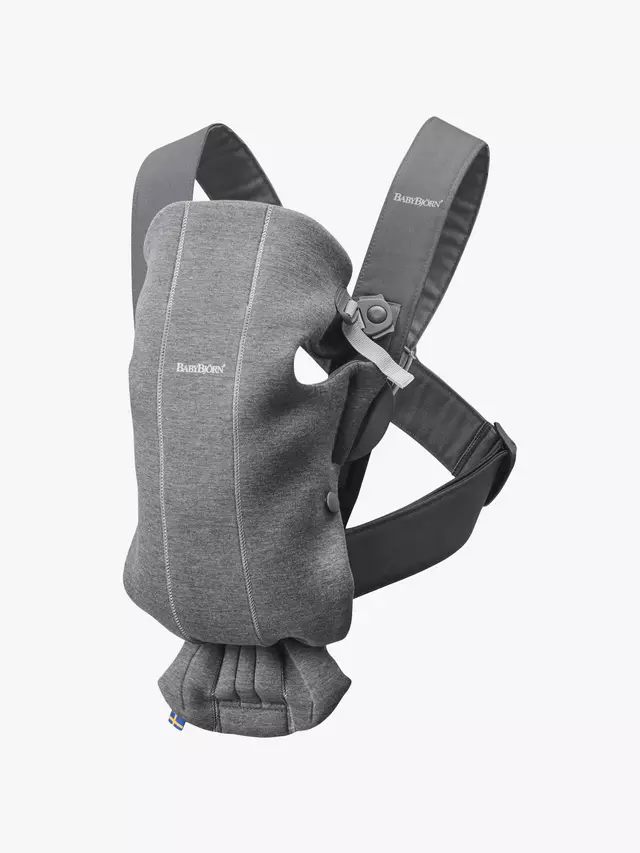
| BabyBjörn Carrier Mini | About £60 | Soft-structured newborn | 3.2kg–11kg | 1 (front-in) | Quick on and off in the early months |
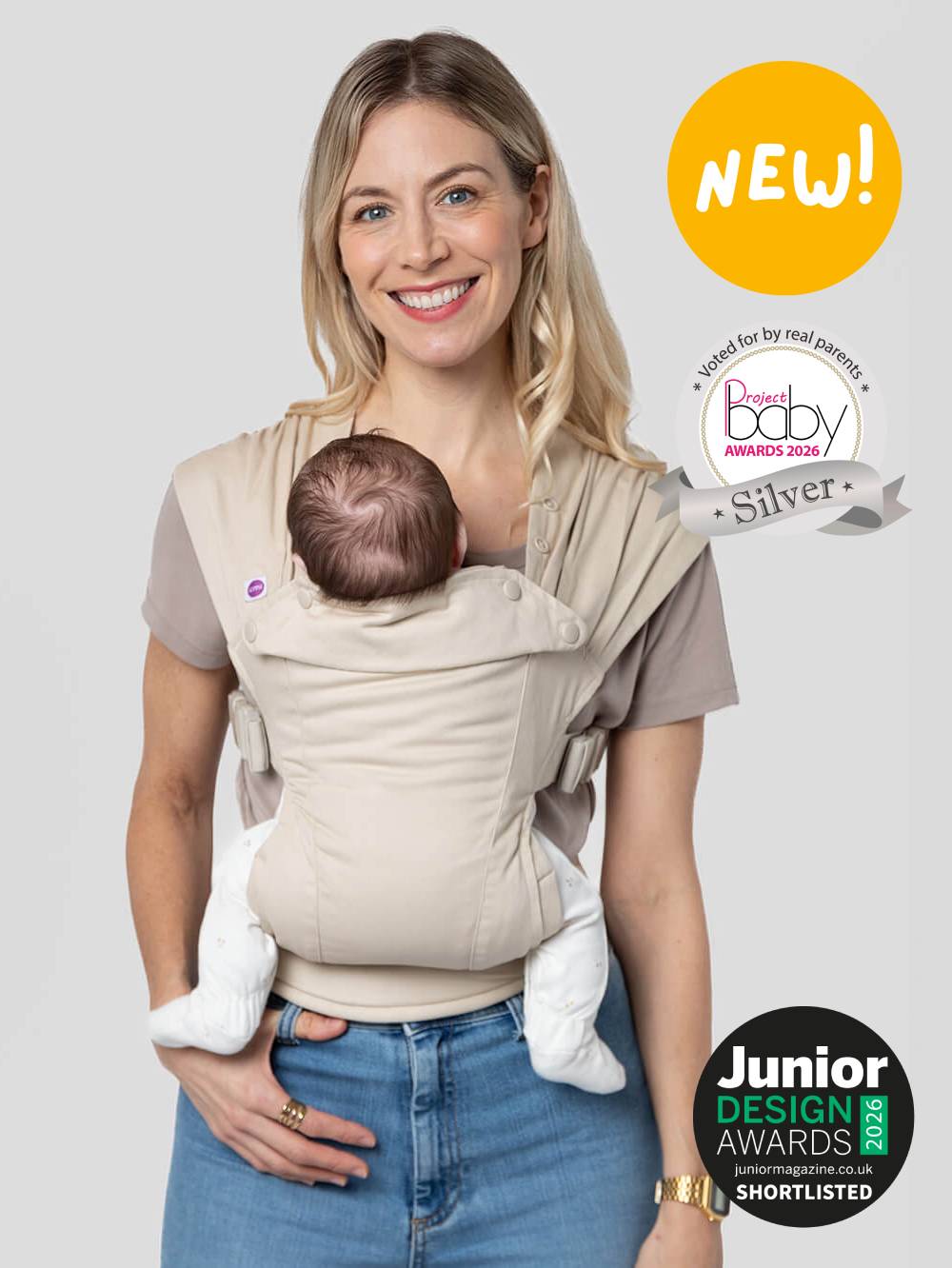
| Close Caboo Stretchy Wrap | About £45 | Pre-formed stretchy wrap | 3.5kg–15kg | 2 (front, hip) | Snug newborn cuddles |
| Momcozy Move2Fit Hip Seat | About £80 | Hip seat with shoulder panel | From around 5 months (sitting independently) | 2 (hip seat, or with shoulder straps) | Quick pick-ups with an older baby |
Prices and ranges are the manufacturer and retailer specifications we list, and they change, so check the retailer. We have not hands-on tested any of these carriers, so everything below comes from specs and published information, not our own use. A carrier should always be fitted to your own body and baby, ideally with the manufacturer's instructions open.
Best all-rounder: Ergobaby Omni 360 Cool Air Mesh (about £155)
Specced from 3.2kg (7lb) to 20kg (45lb) with no separate infant insert, the Omni 360 offers four carry positions including front-facing-out and back. The mesh panel is the main reason to pick it over standard cotton if you expect to use it in warmer months. The trade-offs are the price, a bulkier pack size than a wrap, and a bit of reading to get the newborn settings right the first time.
Best simple structured carrier: Tula Free-to-Grow (£145)
Also specced for 3.2kg to 20kg without an insert, the Tula keeps things to two carries, front-inward and back, with a buckle system reputed to be easy to adjust one-handed. It has no forward-facing-out option, and cotton runs warmer than mesh. Back carries need practice, so rehearse over a bed or sofa with another adult nearby rather than trying it solo for the first time.
Best value: Izmi Baby Carrier (£79)
The cheapest of our structured carriers, the Izmi weighs a listed 480g, has four carry positions and is specced from 3.2kg to 15kg without an insert. It also lists compliance with the CEN/TR 16512:2015 safety standard and a free UK fit-check consultation from the brand. The softer straps give less rigid support than heavily padded carriers on long wears, and the weight limit is lower than the Omni 360 or Tula.
Best for the early weeks: BabyBjörn Carrier Mini (about £60)
Built for newborns, the Mini is specced from 3.2kg to 11kg, front-inward only, and folds small enough for a changing bag. It is quick to put on and take off, which helps when you are doing it repeatedly each day. You will likely outgrow it around the first birthday, and it gives less back support than structured carriers on longer wears. See our best changing bags guide if you plan to carry it as a spare.
Best for newborn snuggles: Close Caboo Stretchy Wrap (about £45)
The Caboo is a pre-formed stretchy wrap with buckles, so there is no long wrap-tying technique to learn. It is specced from 3.5kg to 15kg, but the stretchy fabric gives less precise support as your baby gets heavier, so treat it as a first-few-months carrier. Because the fabric is close and snug, take extra care that your baby's face stays visible and their chin is off their chest, and that the wrap stays tight.
Best for older babies and quick carries: Momcozy Move2Fit Hip Seat (about £80)
A hip seat is a different tool: a rigid shelf that takes some weight on your hip, with a detachable shoulder panel for longer outings. It is specced for babies who can sit independently, from around 5 months, so it does not replace a newborn carrier. It suits school runs and quick pick-ups rather than all-day wear, and fit varies more by body shape than a soft-structured carrier.
How to choose between them
- One carrier for everything: Ergobaby Omni 360 or Tula Free-to-Grow.
- Tight budget: Izmi, or the Caboo if you only need the newborn months.
- Newborn only, light and quick: BabyBjörn Carrier Mini.
- Hot weather: the Omni 360's mesh panel.
- A second option for an older baby: Momcozy Move2Fit.
If you are tempted to buy a carrier second-hand, read our guide to buying secondhand baby gear safely first, and never use one with worn straps, damaged buckles or missing instructions. For help deciding what else you need, see the baby gear you don't actually need.
Before you buy: get a fit check
A carrier that suits your friend may not suit your body. Many babywearing groups and sling libraries offer fit sessions, and Izmi lists a free UK fit-check consultation. Try the carrier on with a doll or your baby, check each T.I.C.K.S. point in a mirror, and ask a second adult to check the position. Our safer sleep guide remains the reference for where your baby should sleep: a carrier is for carrying, not for settling a baby to sleep unattended.
Mentioned in this guide
Frequently asked questions
What does T.I.C.K.S. stand for in babywearing?+
The Lullaby Trust and RoSPA list it as Tight, In view at all times, Close enough to kiss, Keep chin off the chest, and Supported back.
Can I feed my baby hands-free in a carrier?+
The Lullaby Trust says feeding hands-free while moving around and doing other jobs is unsafe, especially for babies under four months old, and for premature babies or those with a health condition. Take your baby out to feed.
Which carrier is best for a newborn?+
On specs, the Ergobaby Omni 360, Tula Free-to-Grow, Izmi and BabyBjörn Carrier Mini are all listed from 3.2kg without an infant insert, and the Caboo from 3.5kg. Check the T.I.C.K.S. points whichever you choose.
Is a hip seat carrier suitable for a newborn?+
No. The Momcozy Move2Fit is specced for babies who can sit independently, from around 5 months.
Are premature babies safe in slings and carriers?+
RoSPA says premature and low birth weight babies need advice from a health professional, such as a health visitor, before babywearing.
Sources
Related guides

Best Bedside Cribs & Moses Baskets Compared (UK)
Six bedside cribs and Moses baskets compared on price, size and lifespan: Silver Cross Lunar, Shnuggle Air Lite, SnuzPod4, HALO BassiNest, Chicco Next2Me Forever and a Mamas & Papas Moses basket. Includes the British Standards the Lullaby Trust lists and NHS safer sleep rules.

Bronchiolitis in Babies: Symptoms & When to Worry
Bronchiolitis is a common winter chest infection in babies. Here is what the NHS says about the symptoms, the signs that mean call 999 or 111, how to care for your baby at home, and how to lower the risk, including RSV protection.

Electric Patting Baby Sleep Pillow: OPSS Serious Risk Report
On 13 October 2026 OPSS published a serious-risk safety report on a bear-shaped baby sleep pillow with an electric patting function, sold via AliExpress. Here is what the report says, why the NHS and Lullaby Trust keep pillows out of the cot, and what to do if you bought one.

Written by
Sepehr
Software engineer, soon-to-be dad, uncle to four — the tech-obsessed half of the two of us testing this stuff. Currently building this site with my wife, ahead of our own baby arriving.