How Many Muslins Do You Need? A UK Parent's Guide
Most families need around 8 to 12 muslins in the first few months. Here's how to stock them across the changing bag, feeding spots and wash pile, what size and material to look for, and the Lullaby Trust safety rules on swaddling, cots and prams.
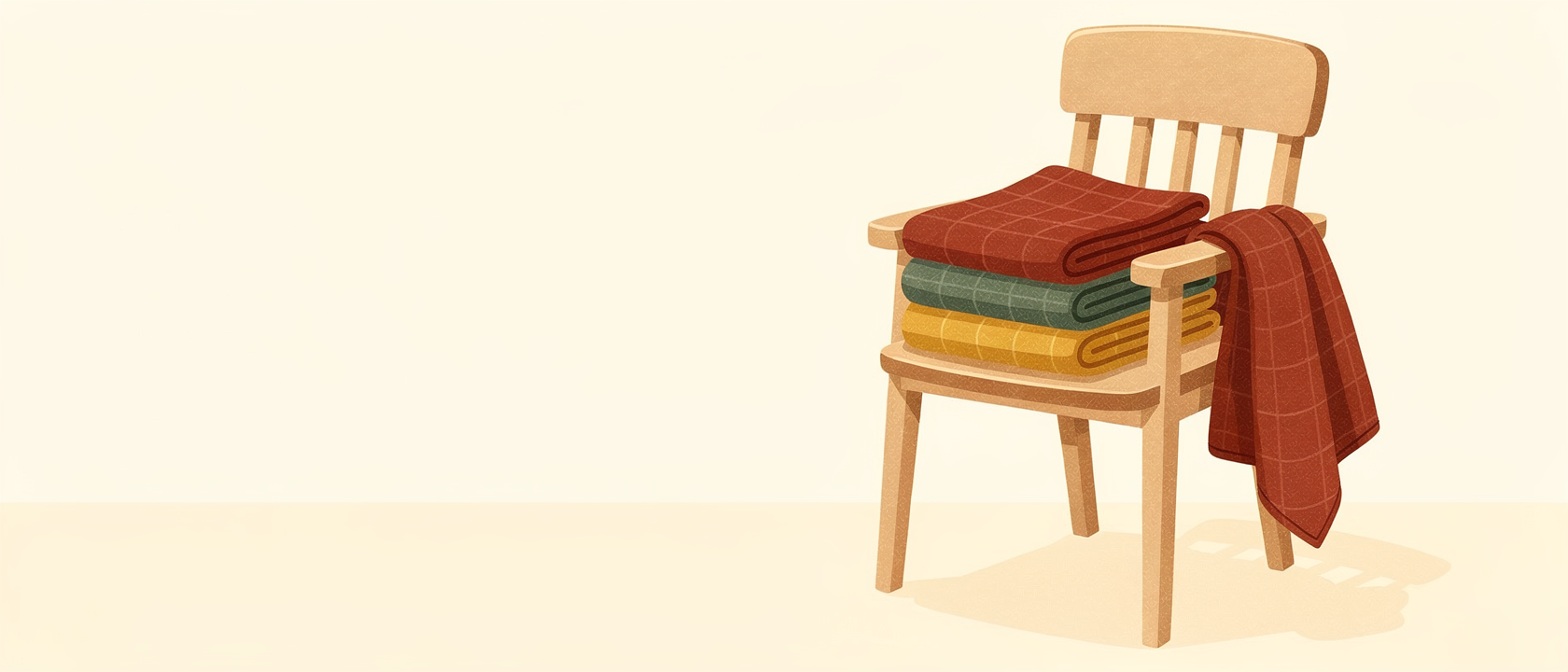
Most families do well with 8 to 12 muslins in the first few months, with a few more if you are using them for everything. That is enough to keep a clean one in the changing bag, one by each place you feed and burp, and a spare for the inevitable laundry backlog. The number matters less than what you use them for, because the safety rules differ: the Lullaby Trust says muslins have no place loose in a cot, and a muslin draped over a pram is a very different thing from a proper sunshade. This guide covers how many muslins you need, what size and weight to look for, and the uses that are fine and the ones to avoid.
How many muslins do you actually need?
There is no official number, so treat this as a practical rule of thumb rather than a rule. Newborns spit up, dribble and leak in unpredictable bursts, and a muslin is the cheapest thing to grab when it happens. Here is a sensible starting stash:
- Changing bag: 2 muslins. One for mess, one spare.
- Where you feed and burp: 2 to 3 in the room you use most, plus 1 to 2 in a second spot such as the bedroom or living room.
- Pram or car: 1 to 2 kept in the pram basket or glovebox for emergencies.
- In the wash: 3 to 4, because you will be washing them almost daily.
That adds up to roughly 10 to 12. If your baby is a frequent spitter, aim for the top of the range or beyond; if you are mostly bottle feeding at the table with a bib, 6 to 8 may do. Buying one large multipack is usually cheaper per cloth than several small premium packs, and you can add a couple of nicer ones later. If you are building your wider list, our guide to baby gear you don’t actually need shows where muslins sit among the genuine essentials.
What size and material should you look for?
Muslins are woven cotton squares, and the main differences are size, layers and price.
Size
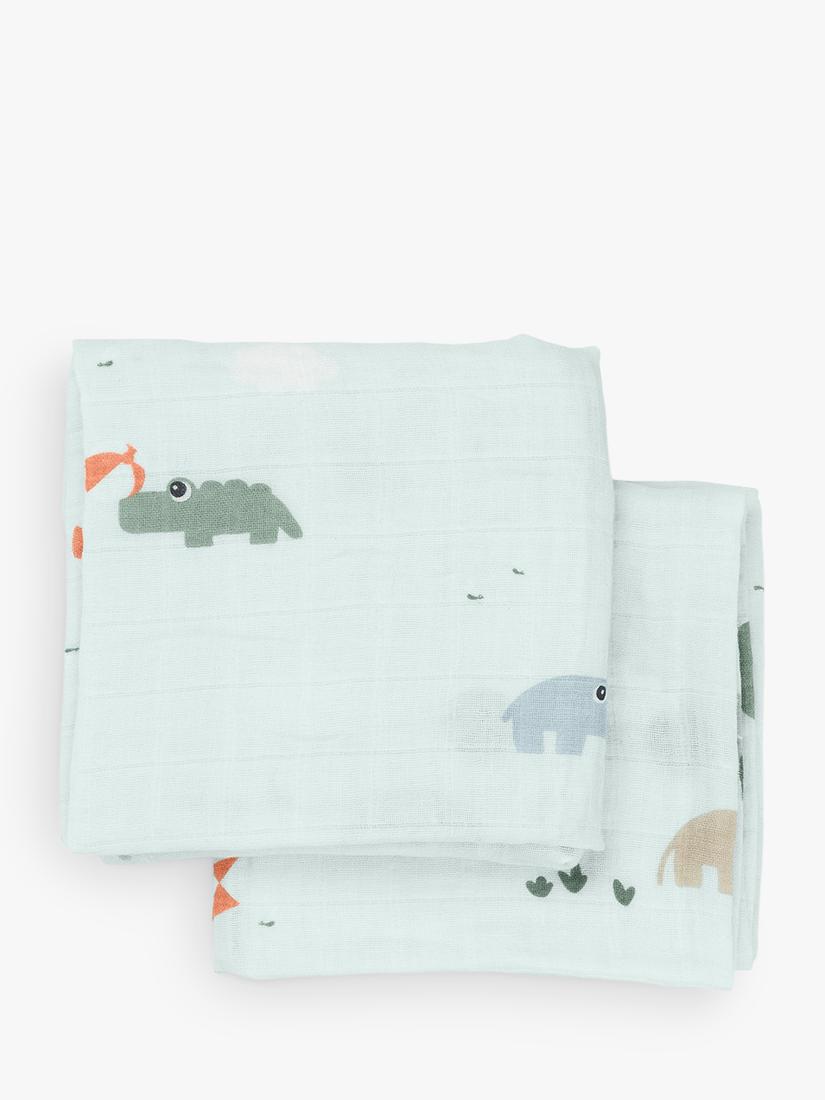
Standard supermarket and own-brand muslins are typically around 60 x 60 cm, which is plenty for burping and wiping. Larger squares of about 70 cm, such as the aden + anais Essentials muslin squares, are more useful as a light shoulder cover or feeding cover, but cost more per cloth. The Done by Deer double-layered muslins are listed at approximately 65 cm.
Single or double layer
Single-layer muslins dry quickly and fold small. Double-layered ones feel softer and absorb a little more, but take longer to dry. Neither is safer than the other, so choose on how much washing and drying you are willing to do.
Organic and certified cotton
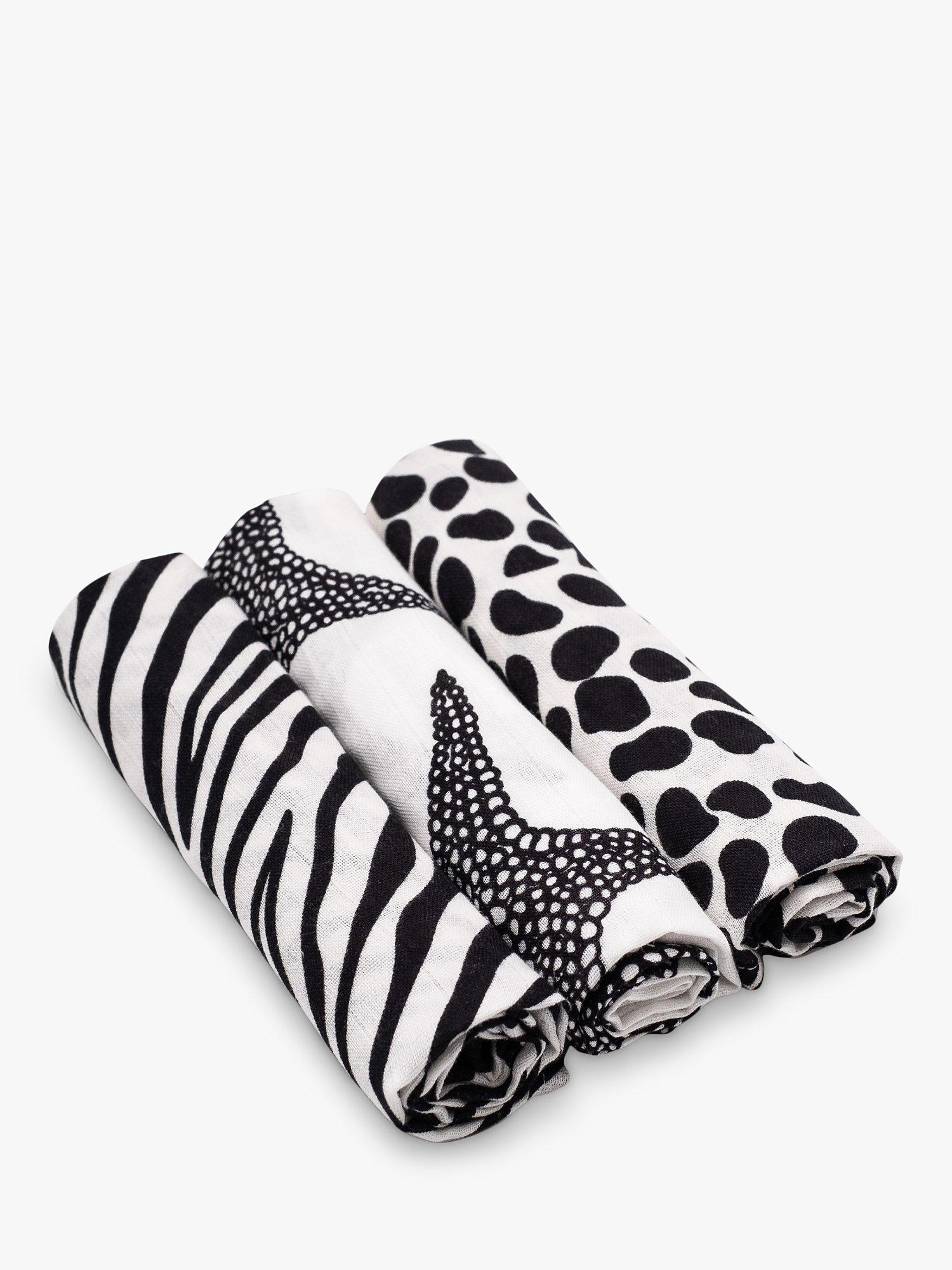
Certified organic cotton, such as the GOTS-certified Etta Loves sensory muslins we list at about £26 for three, is a material upgrade if it matters to you, but it is not needed for the job. Specifications here are as stated by the manufacturers; we have not hands-on tested these products. You can compare every muslin we list on our muslins and burp cloths category page.
What muslins are good for
- Burping and spit-up: the classic use. Keep one over your shoulder or on your lap.
- Wiping faces, hands and surfaces: softer than kitchen roll and washable.
- Changing mat cover: a quick, clean layer on top of the changing mat, changed after each accident.
- Feeding cover: if you like a little privacy, a larger muslin works as a light cover while breastfeeding.
- Light swaddle: covered below, with the safety rules that apply.
- Tummy-time or floor blanket: a clean square to lay under your baby during supervised play.
Safe swaddling with a muslin
The Lullaby Trust says to use a lightweight material such as a thin muslin or thin cot sheet for swaddling, not a blanket, because a blanket could cause your baby to overheat. Its wider swaddling guidance is worth reading in full: keep the swaddle looser around the hips so their legs can move, always lay your baby on their back, keep their head uncovered, and stop swaddling with the arms wrapped once your baby shows signs of trying to roll. If you are deciding between a swaddle and something else for night time, our guide to swaddles versus sleep sacks goes through it in detail.
What not to do with a muslin
Don’t leave one loose in the cot or Moses basket
The Lullaby Trust advises keeping the cot clear of any items that could cover your baby’s face and head, such as bumpers, toys and loose bedding, and says babies are at a higher risk of sudden infant death syndrome (SIDS) if their heads are covered. A muslin left in the cot, tucked in as a “comforter” or draped over the side, is exactly the sort of loose fabric it means. Babies need a firm, flat, waterproof mattress and lightweight bedding that is firmly tucked in. That is why muslins are a great everyday cloth but not part of the sleep space. If you are setting up the sleep area, our guide to choosing between a cot, cot bed and Moses basket is a good next step.
Don’t drape one over the pram as a sunshade
The Lullaby Trust says prams should not be covered with blankets, cloths or any cover that prevents air circulating, because this could lead to overheating, which increases the chance of SIDS. Instead, it advises a clip-on sunshade to keep your baby out of direct sunlight, with their temperature monitored to avoid overheating. So keep your muslin for spit-up and use a proper shade for sun.
Looking after your muslins
Wash new muslins before first use, since they tend to be stiff and slightly shrink at first. Most cotton muslins are machine washable and get softer with each wash, but care instructions vary: some brands say to line dry or avoid tumble drying, so check the label. Rotate them so the same few do not take all the wear, and retire any that have holes or fraying, because loose threads are not something you want near a baby’s fingers.
The short version
Buy about a dozen muslins in a multipack, add one or two larger ones if you want a versatile cover, and use them for burping, wiping, light swaddling and feeding. Keep them out of the cot and off the pram, and you have one of the cheapest and most useful bits of baby kit.
Mentioned in this guide
Frequently asked questions
How many muslins do I need for a newborn?+
There is no official number, but around 8 to 12 works for most families: two in the changing bag, a few where you feed, one or two for the pram or car, and a few in the wash. Frequent spitters may want more.
Can I put a muslin in my baby's cot?+
No. The Lullaby Trust advises keeping the cot clear of items that could cover your baby's face and head, such as loose bedding, and says babies are at higher risk of SIDS if their heads are covered.
Can I use a muslin to swaddle my baby?+
Yes, with care. The Lullaby Trust says to use lightweight material such as a thin muslin or thin cot sheet, not a blanket, keep the swaddle loose around the hips, lay your baby on their back and stop swaddling once they show signs of trying to roll.
Is it safe to cover the pram with a muslin to block the sun?+
No. The Lullaby Trust says prams should not be covered with blankets, cloths or any cover that prevents air circulating, as this could lead to overheating. It recommends a clip-on sunshade and monitoring your baby's temperature.
Do I need to wash muslins before using them?+
It is sensible to. New muslins are often stiff and can shrink slightly, and they get softer with washing. Follow the care label, as some brands recommend line drying rather than tumble drying.
Sources
Related guides
Best Bedside Cribs & Moses Baskets Compared (UK)
Six bedside cribs and Moses baskets compared on price, size and lifespan: Silver Cross Lunar, Shnuggle Air Lite, SnuzPod4, HALO BassiNest, Chicco Next2Me Forever and a Mamas & Papas Moses basket. Includes the British Standards the Lullaby Trust lists and NHS safer sleep rules.
Best Baby Carriers Compared (UK Guide)
Six baby carriers compared on price, age range and carry positions: Ergobaby Omni 360, Tula Free-to-Grow, Izmi, BabyBjörn Carrier Mini, Close Caboo and Momcozy Move2Fit. Includes the Lullaby Trust and RoSPA T.I.C.K.S. safety checklist.
Bronchiolitis in Babies: Symptoms & When to Worry
Bronchiolitis is a common winter chest infection in babies. Here is what the NHS says about the symptoms, the signs that mean call 999 or 111, how to care for your baby at home, and how to lower the risk, including RSV protection.

Written by
Sepehr
Software engineer, soon-to-be dad, uncle to four — the tech-obsessed half of the two of us testing this stuff. Currently building this site with my wife, ahead of our own baby arriving.