Formula Prep Machines UK: Check the 70°C Rule First
Formula prep machines cost £150 to £250 in the UK, but the NHS says the water must still be at least 70°C. Here is how to test one, how Perfect Prep and Baby Brezza compare, and when a kettle is enough.
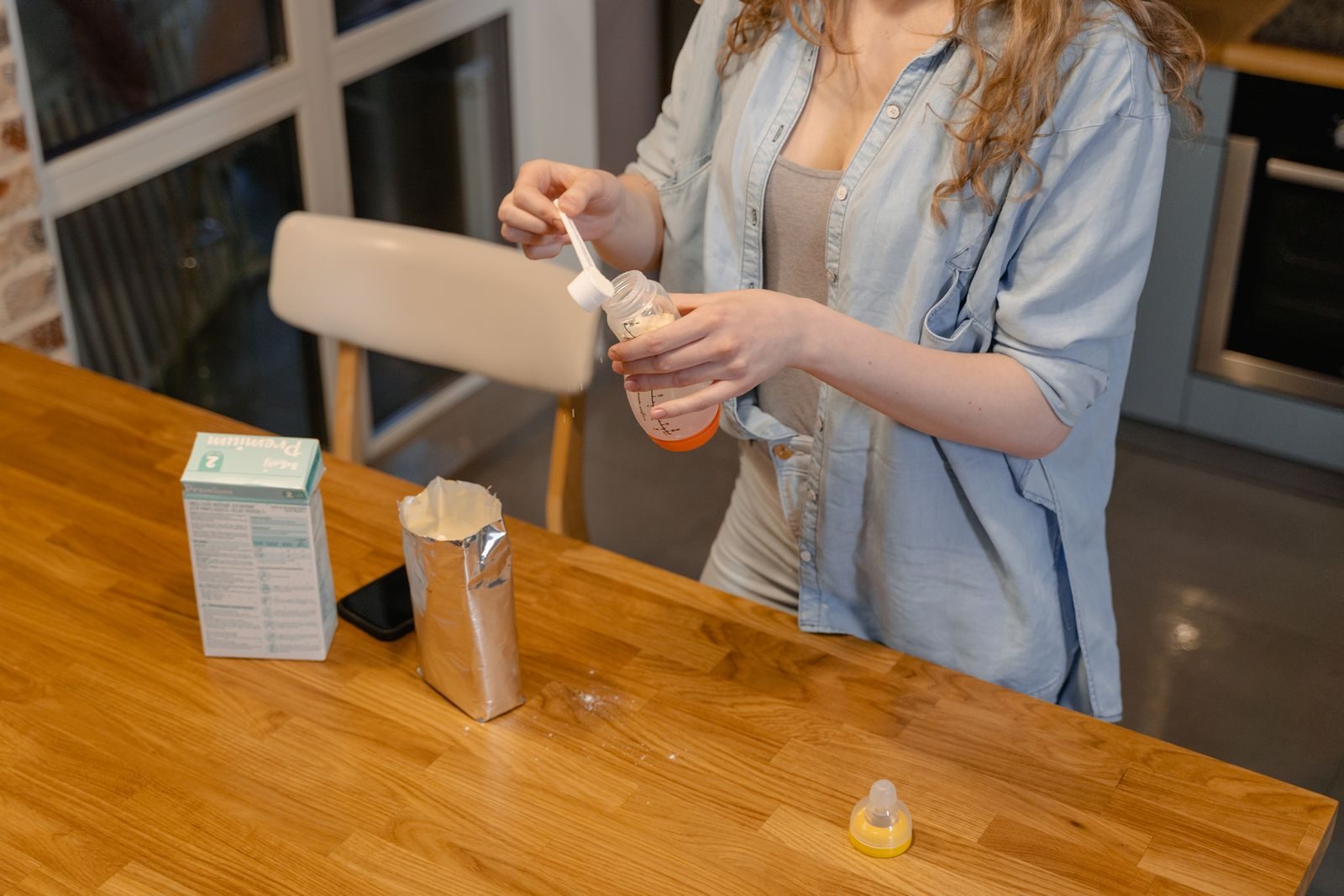
Formula prep machines cost roughly £150 to £250 in the UK, but the NHS says the water must still be at least 70°C when it meets the powder. Check any machine with a thermometer before relying on it. Here is how the options compare and when a kettle does the job.
What the NHS actually says about formula prep machines
The NHS guidance on making up baby formula is short on machines but clear. It says: "If you use a baby formula preparation machine, follow the manufacturer's instructions." It then adds that you should make sure the water that comes out of the machine is at least 70°C when it is mixed with the powder, and suggests using a digital food thermometer to check. If the water is below 70°C, the NHS says to stop using the machine and follow the kettle method instead. It also says you can contact the manufacturer, your local Trading Standards office or Citizens Advice to report a fault.
The reason is the same as for the kettle method. Powdered formula is not sterile, and the NHS says water at 70°C or more will kill any harmful bacteria. For the standard method (boil a kettle, leave it for no more than 30 minutes, add water first and powder second) see our guide to making up formula safely.
The charity First Steps Nutrition Trust goes further. Its "making infant milk safely" page cites a 2023 paper stating that, despite marketing claims, formula preparation devices often do not deliver water hot enough (at least 70°C). It advises checking the dispensed water with a food thermometer and, if it is under 70°C, using a kettle instead and reporting it to the manufacturer. We have not tested any machine ourselves, and this is a general caution about the category, not a finding against a particular model. Treat it as a reason to verify, not a reason to panic.
The four types of formula-prep product, compared
Not everything in this category is a machine. The six products we list fall into four jobs, and mixing them up is the most common way to overspend.
| Product | Price we list | What it does | You still have to | Best for |
|---|---|---|---|---|
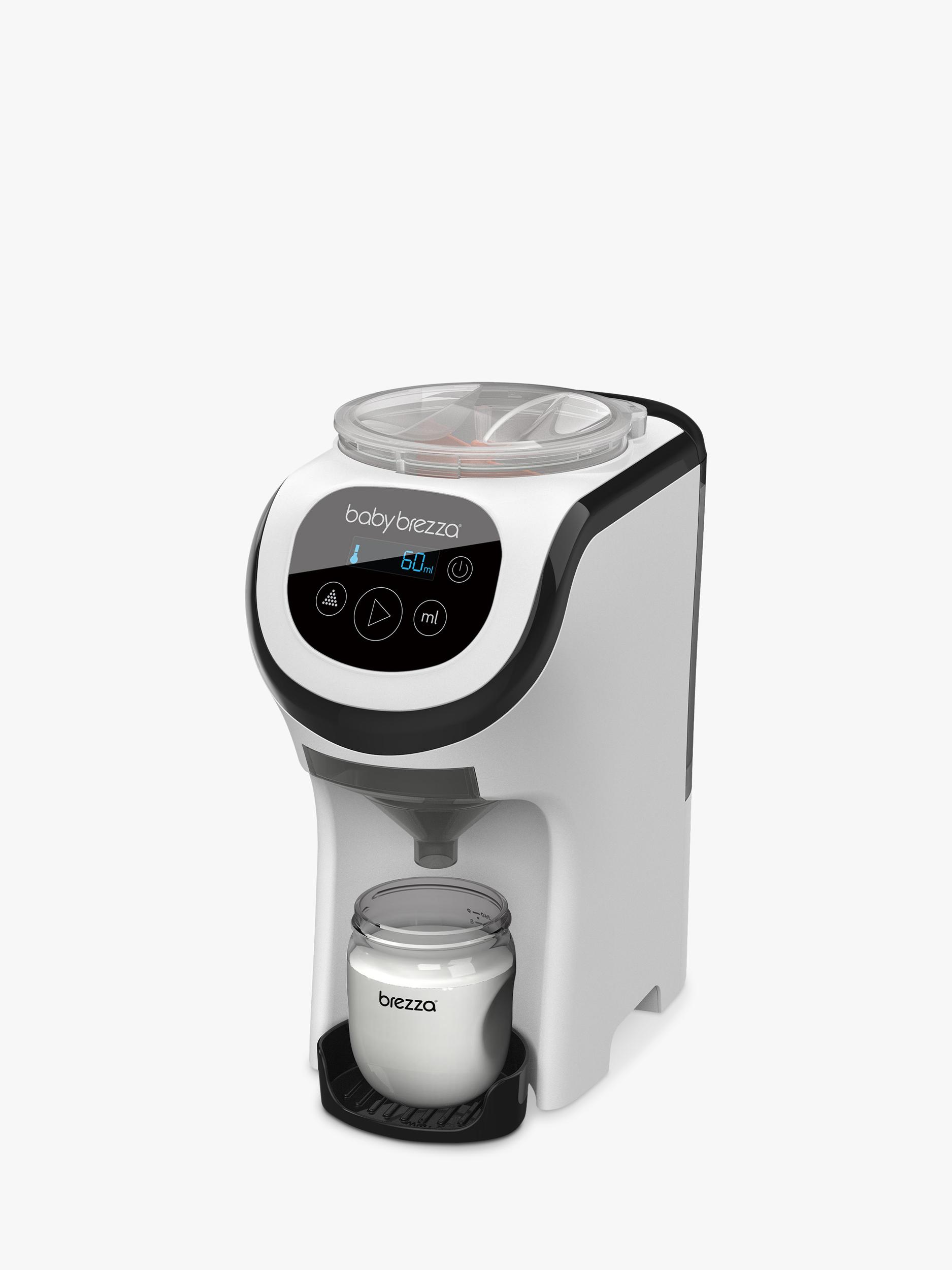
| Baby Brezza Formula Pro Advanced | Around £180 (retailer listings up to £249.99) | Mixes powder and water and dispenses a bottle | Fill the hopper, clean the funnel, descale | Many bottles a day |
| Baby Brezza Formula Pro Mini | £169.99 | Same mixing system, about 30% smaller footprint, 60ml to 300ml | Hand-wash the body, descale monthly | Small kitchens |
| Tommee Tippee Perfect Prep Pro | Around £149.99 | Filters and heats water, dispenses it | Add the powder yourself, descale | Parents who want to measure powder themselves |
| Tommee Tippee GOPrep | £34.99 | Two flasks, one hot and one cooling, for one feed out and about | Measure powder, wash two flasks | Days out and travel |
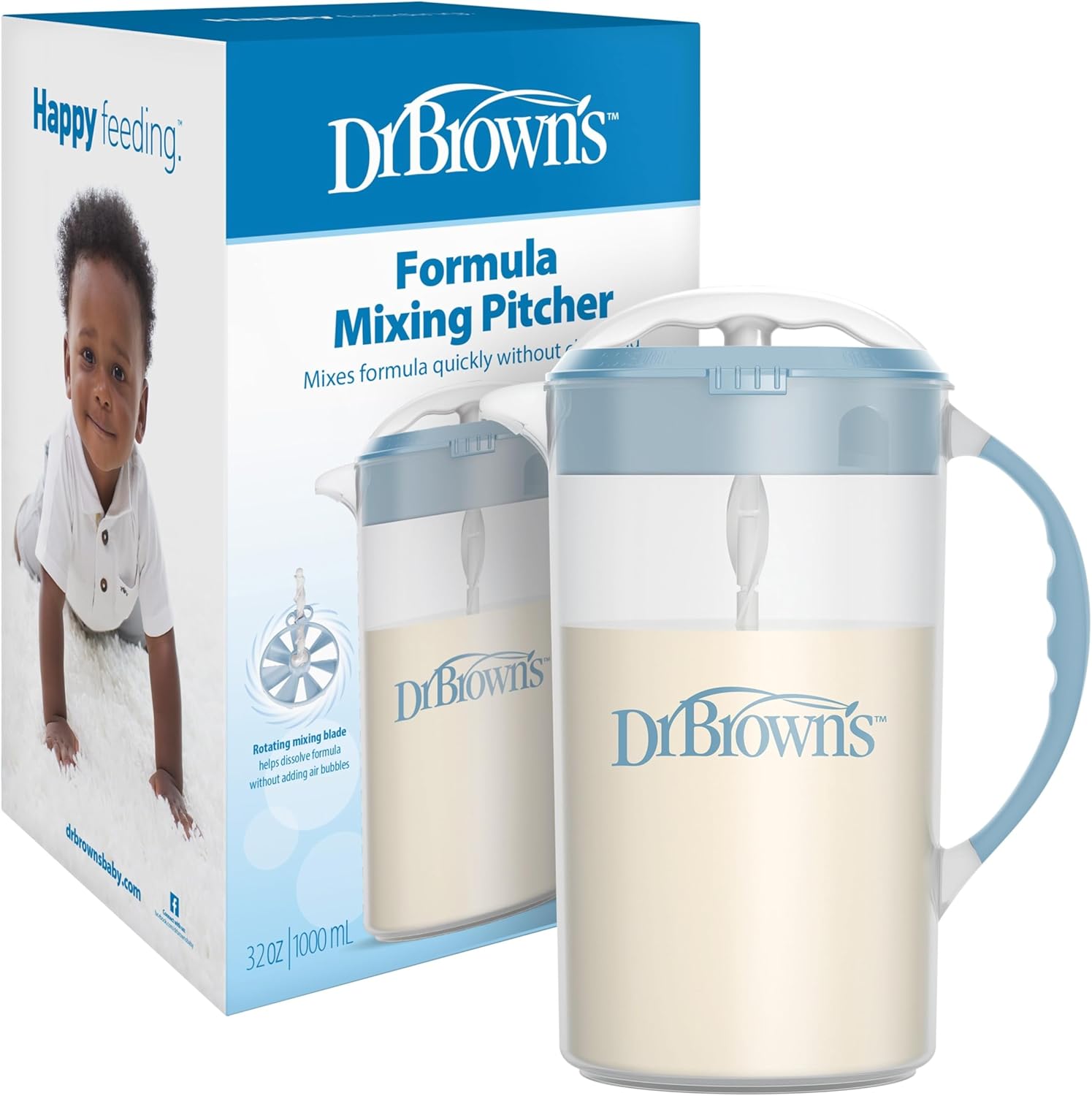
| Dr Brown's mixing pitcher | Around £10 | Agitator jug for mixing | Boil and cool the water yourself | Batch mixing, no electronics |
| Nuby powder dispensers | Around £6.99 for 6 | Pre-portions powder for trips | Everything else | Changing-bag top-up |
Prices are the figures we list and they move, particularly around Black Friday, so check the retailer. We have not tested any of these ourselves, so the descriptions come from manufacturer specs and retailer information. Our best formula feeding prep roundup keeps the full list with pros and cons.
The two-minute 70°C check to run on any machine
This is the practical layer the product pages do not give you, built straight from the NHS wording. A digital food thermometer costs about £5 to £10 at most UK supermarkets and hardware stores.
- Read the manual first. The NHS says to follow the manufacturer's instructions, including priming, descaling and cleaning intervals.
- Dispense water only, into a clean jug, and measure it straight away. Put the thermometer probe in the middle of the stream or the first few seconds of the pour. Water cools quickly once it is in a bottle, so a reading taken after a minute will look worse than the real figure.
- Look for 70°C or above. That is the NHS figure for the water at the point it meets the powder.
- Repeat at different times. Run it first thing in the morning, mid-afternoon, and after several bottles in a row, because some machines recover slowly between runs.
- If it reads under 70°C, stop. The NHS says to stop using the machine and make feeds with a kettle. Report the fault to the manufacturer, Trading Standards or Citizens Advice.
- Re-check after descaling or any fault. Limescale in hard-water areas can affect heating, so a machine that passed in week one is worth testing again.
Fully automatic machines that mix powder in the unit add a second question: the powder also meets the water inside the machine, so a clogged or damp hopper matters. Both Baby Brezza models need regular funnel cleaning, and the Pro Mini's body is hand-wash only, so factor the cleaning routine into your choice, not just the price.
Is a formula prep machine worth the money?
For most families a kettle is perfectly adequate, and the NHS method is designed around it. A machine earns its place in a few situations:
- Frequent night feeds where waiting for a kettle to cool is the pain point. A Night mode, such as the dimmed display on the Perfect Prep, is helpful here.
- A second carer on night shifts who needs a simple, repeatable routine.
- Mixed feeding or a very hungry baby where bottle numbers are high.
- Disability or limited hand strength, where lifting a hot kettle repeatedly is a real barrier.
It is harder to justify if you make two or three bottles a day, because the machine adds descaling, cleaning and a thermometer routine to the job. Remember the cost of running one too: filters (Perfect Prep filters water as it heats), descaling products and counter space.
A cheap middle route is to keep a kettle for the bulk of feeds and spend £10 on a mixing pitcher if you batch up. Note the NHS preference, though: it says it is best to make up feeds one at a time, as your baby needs them, and to throw away any made-up formula left in the bottle after a feed.
Taking formula out and about
This is where the cheap kit earns its keep. The NHS says to take a measured amount of powder in a small, clean, dry container, a vacuum flask of water that has just been boiled, and an empty sterilised bottle. The flask does not need sterilising but should be clean and used only for your baby, and if it is full and sealed the NHS says the water will stay above 70°C for several hours. Make up the feed only when your baby needs it, and cool the bottle under cold running water.
The £34.99 GOPrep kit packages that same idea into two flasks and a temperature indicator, and the £6.99 Nuby dispensers handle the powder portions. If you cannot manage that, the NHS says to use a carton of ready-to-feed liquid formula. Stock your changing bag using our changing bag guide.
Black Friday: what to watch for on machine deals
Formula machines are a staple of Black Friday baby promotions, which run on Friday 27 November this year. A discount is only a good deal if the machine passes the 70°C test, so:
- Buy from a retailer with a clear returns policy so you can send it back if it fails your thermometer test.
- Check the listing's date and stock. Our own product data shows retailer prices and stock status changing between checks, for example a Formula Pro Mini offer shown out of stock on 30 October.
- Do not buy unbranded or second-hand machines. Heating elements are not something to gamble on, and our secondhand baby gear guide explains the wider risks.
- Do not drop the sterilising budget. Bottles and teats still need to be sterilised up to the first birthday; see our sterilising guide.
For the wider picture on what is worth buying and skipping, read our Black Friday baby deals guide, and add what you decide on to your checklist.
Common mistakes with formula prep machines
- Trusting the marketing line "safe temperature" without ever measuring it.
- Skipping descaling, which can affect heating performance and hygiene.
- Leaving powder sitting in a damp hopper. Clumping is a sign it needs cleaning.
- Pre-making a day's bottles and leaving them out. The NHS limits are 24 hours in the fridge, 4 hours in a cool bag with an ice pack and 2 hours at room temperature.
- Changing the powder-to-water ratio. Always use the scoop supplied with the tin.
- Buying the machine before the bottles. Choose the feeding setup first; our baby bottle comparison is the place to start.
When to speak to a professional
If your baby has a fever, repeated vomiting, diarrhoea or seems unwell after feeds, contact your GP, health visitor or call NHS 111. If you think a machine is faulty or unsafe, stop using it, make feeds with a kettle and report it to the manufacturer and your local Trading Standards office. Your health visitor can also talk through formula choice and preparation if you are unsure.
Mentioned in this guide
Frequently asked questions
Do formula prep machines get the water hot enough?+
Not always, and you should not assume they do. The NHS says that if you use a baby formula preparation machine you should follow the manufacturer's instructions and make sure the water coming out is at least 70°C when it is mixed with the powder, ideally checked with a digital food thermometer. First Steps Nutrition Trust cites research suggesting some devices do not reach that temperature despite marketing claims. If your machine reads below 70°C, the NHS says to stop using it and make feeds with a kettle instead.
Is it safe to use a formula machine for night feeds?+
It can be, provided the machine passes the NHS 70°C check and you follow the manufacturer's cleaning and descaling instructions. The NHS says to make up feeds one at a time as your baby needs them and to throw away any made-up formula left in the bottle after a feed. A machine is convenient at night because there is no waiting for a kettle to cool, but it does not change those storage rules or remove the need for sterilised bottles and teats.
How much does a formula prep machine cost in the UK?+
The machines we list range from around £150 to £250 depending on the model and retailer: the Tommee Tippee Perfect Prep Pro is listed at around £149.99, the Baby Brezza Formula Pro Mini at £169.99 and the Formula Pro Advanced at around £180, with some retailer listings higher. Cheaper alternatives include the £34.99 GOPrep travel kit and a mixing pitcher at around £10. Prices change often, especially around Black Friday, so check the retailer before buying.
Do I need a formula machine, or is a kettle enough?+
A kettle is enough for most families, and the NHS method is built around it: boil fresh water, leave it for no more than 30 minutes so it stays at 70°C or above, add the water to the bottle first and then the powder. A machine mainly helps with frequent night feeds, shared caring or limited hand strength. If you only make a few bottles a day, the cleaning, descaling and temperature checking may outweigh the convenience.
Sources
Related guides
Cot Mattress UK: What to Check Before You Buy (2026)
Black Friday is a good moment to buy a cot mattress, but only if it passes the safety basics. The NHS and Lullaby Trust say it should be firm, flat, waterproof-covered and fit the cot with no gaps. Here is the checklist, a comparison of mattress types, second-hand rules and the sale-season traps to avoid.

BlueMello Swaddle Blanket Recall (Amazon): OPSS Warning
OPSS has recalled the BlueMello Baby Swaddle Blanket sold on Amazon because a baby can slip below the covers, risking overheating and airway obstruction. Here is what to do, how to check any swaddle, and safer UK alternatives.
Baby Sleep Away From Home at Christmas: UK Safe Guide
Staying with family over Christmas? Here is how to set up safe sleep for your baby away from home: checking a borrowed cot and mattress, using a travel cot, handling car seats and sofas, and what to pack, with NHS and Lullaby Trust guidance.

Written by
Sepehr
Software engineer, soon-to-be dad, uncle to four — the tech-obsessed half of the two of us testing this stuff. Currently building this site with my wife, ahead of our own baby arriving.