How to Choose a Changing Bag: What Actually Matters
Backpack, tote, or convertible; how many pockets you actually need; whether an insulated bottle compartment matters. A practical changing bag buying guide that skips the marketing and focuses on what makes a bag usable one-handed at 3am.

The single most useful thing you can decide before buying a changing bag is the structure: backpack, tote, or convertible. Everything else — pocket count, insulated compartments, changing mats — is secondary to whether you can actually carry and access the bag one-handed while holding a baby. Here's what to check before you buy, and what's just marketing.
Backpack vs tote vs convertible
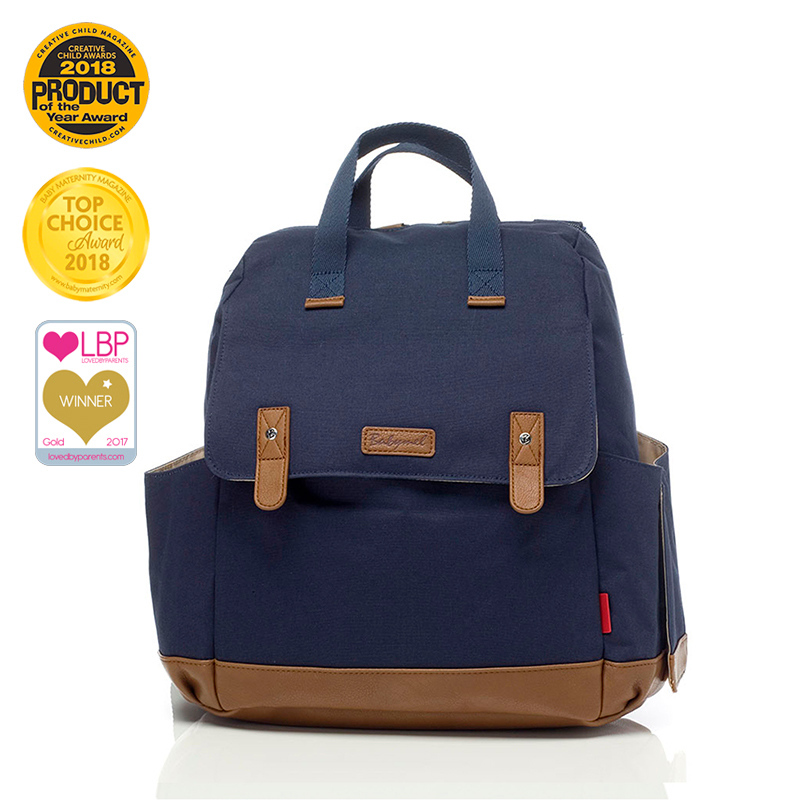
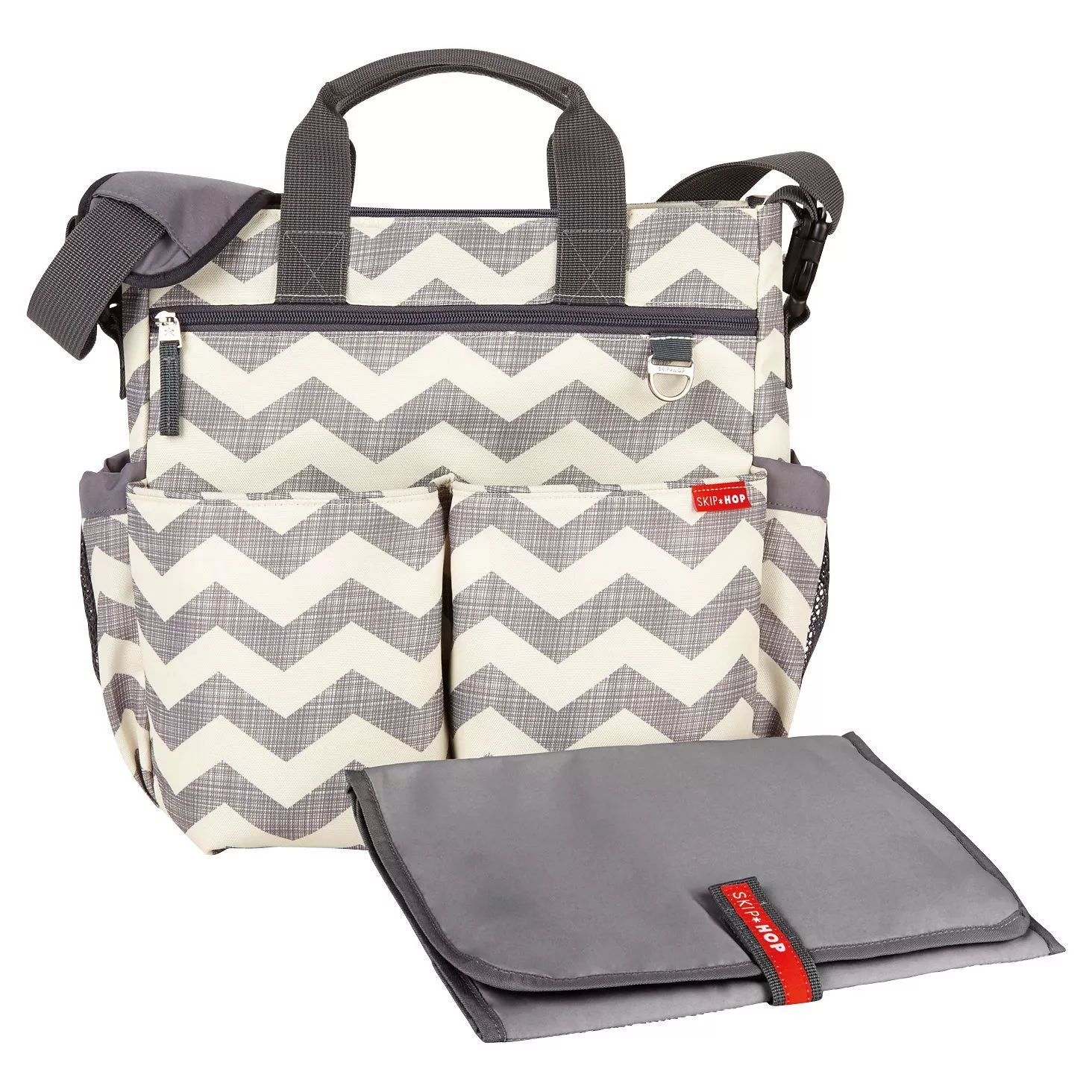
A backpack-style changing bag keeps both hands free, which matters more than it sounds like it will once you're also managing a pushchair, a car seat, and a toddler. A tote is faster to grab one item from without taking it off, but you'll be carrying it on one shoulder or in one hand, which gets old fast when you're also holding a baby. Convertible bags — designed to switch between backpack straps and a shoulder/tote grip — cost more but suit parents who alternate between walking with a pushchair and carrying the baby.
If you're only buying one bag, backpack or convertible is the safer default. A tote makes more sense as a second, lighter bag for short trips once you already know your routine.
Capacity and pocket layout — pick for your season, not the display model
Bags are usually marketed by litre capacity, but the layout matters more than the raw volume. Look for: a wipe-clean interior lining, at least one zipped pocket that's genuinely nappy-and-wipes sized rather than decorative, a separate section for your own things (phone, keys, wallet) so they don't end up under a used nappy bag, and exterior pockets you can reach without opening the main compartment — useful for a dummy or a muslin you need in a hurry.
Newborn-stage bags need to fit more (spare outfits, more frequent nappy changes, feeding kit); by toddler stage most parents downsize because the bag mostly holds snacks and one spare outfit. Buying for where you are now, not a hypothetical future stage, avoids paying for capacity you won't use for long.
Insulated bottle pockets: genuinely useful if you formula feed
If you're formula feeding and expect to be out of the house at feed times, an insulated bottle pocket is one of the few changing-bag features with a real safety basis rather than just convenience. The NHS advises that if you need to carry a made-up feed, you should take it out of the fridge just before leaving, carry it in a cool bag with an ice pack, and use it within 4 hours — or within 2 hours if you don't have access to an ice pack or a fridge along the way.[1] A bag with a dedicated insulated compartment (rather than just a padded pocket) makes it easier to actually hit that window; see our guide on making up formula safely for the full preparation steps. If you exclusively breastfeed or your baby is weaned, this feature is one you can safely skip.
Changing mat: nice to have, not a dealbreaker
Most changing bags include a fold-out wipe-clean mat, and it's a genuinely handy inclusion for changes on the go — car boots, café floors, friends' houses without a proper changing table. But it's rarely the deciding factor between two bags, since a decent stand-alone travel mat costs very little if the bag you actually want doesn't include one. Don't let a missing mat rule out an otherwise better-fitting bag.
Stroller attachment
If you plan to hang the bag from the pushchair rather than carry it, check that it has integrated stroller straps or clips rather than relying on a separate strap accessory you'll have to remember to pack. This matters most with heavier travel-system pushchairs, where an unbalanced hanging bag can affect how the pushchair sits — worth checking against your own pushchair's handlebar width before buying. Our pushchair and travel system guide covers handlebar and frame considerations if you're choosing both at once.
Material and wipeability
Changing bags get genuinely dirty — spilled milk, wipes, the occasional nappy leak — so a wipeable exterior (coated canvas, vegan leather, or similar) will outlast a bag in a fabric that needs spot-cleaning or a wash you can't easily do. Zips matter more than they seem: chunky, easy-to-grip zip pulls are worth prioritising over a slightly nicer finish, because you'll often be operating them one-handed.
Structure at a glance
| Structure | Best for | Trade-off |
|---|---|---|
| Backpack | Both hands free; pushchair walks, stairs, toddler-plus-baby days | Slower to swing round and access one item quickly |
| Tote | Short trips, car-based days, quick single-item access | Ties up one hand or shoulder for the whole trip |
| Convertible | Parents who switch between carrying and pushing regularly | Costs more; strap-conversion hardware adds weight |
Budget vs premium: what the extra cost actually buys
At the budget end, expect a wipe-clean lining, a basic fold-out mat, and two or three pockets — perfectly workable for most parents. Spending more typically buys better zips and hardware that hold up to daily use for longer, a genuinely insulated (rather than just padded) bottle compartment, more thoughtfully divided interior pockets, and materials that resist staining and cracking over a year or two of hard use. It rarely buys more capacity — a mid-range bag and a premium one are often a similar size, with the difference in how well the pockets are laid out and how long the hardware lasts. If you're only using a bag heavily for a year or so before downsizing at toddler stage, there's a reasonable case for buying budget and replacing it rather than paying premium prices upfront.
What you don't need
Skip: bags marketed specifically as "designer" without a matching increase in genuinely useful storage, bags with more pockets than you'll realistically use (more pockets often means more time spent hunting for the one thing you need), and any bag advertised primarily on looks with vague or missing detail on interior layout or material. If a listing doesn't tell you what's inside, that's usually because there isn't much to say.
For the changing essentials that actually go inside the bag, our newborn changing station guide has the practical list of what you need versus what's marketed at you — most of it applies equally to what you pack for being out of the house.
A simple way to decide
If you're short on time: buy a backpack-style bag with a wipe-clean lining, at least one properly sized zip pocket, a separate compartment for your own belongings, and integrated stroller straps. Add an insulated bottle pocket only if you're formula feeding. Everything past that — designer branding, extra pocket count, matching accessories — is preference, not necessity.
Mentioned in this guide
Frequently asked questions
Do I need a separate changing bag if I already have a big handbag or backpack?+
Not strictly, but a dedicated changing bag is designed around what you actually need on the go — a wipe-clean lining, a nappy-and-wipes-sized pocket, and often an insulated bottle compartment. A general bag works fine short-term, but most parents switch to a purpose-made one once they're out with the baby regularly.
How long can a made-up bottle stay in a changing bag before it's unsafe?+
The NHS advises using a made-up feed within 4 hours if it's carried in a cool bag with an ice pack, or within 2 hours if you don't have an ice pack or fridge access along the way.
Backpack or tote — which is better for a newborn?+
A backpack is generally more practical for the newborn stage since it keeps both hands free for the baby, the pushchair, and everything else you're juggling. A tote can work if you mostly travel by car and aren't carrying the bag far.
Sources

Written by
Sepehr
Software engineer, soon-to-be dad, uncle to four — the tech-obsessed half of the two of us testing this stuff. Currently building this site with my wife, ahead of our own baby arriving.