Baby in a Pushchair in Winter: Footmuffs & Overheating
How to dress a baby for a winter pushchair walk in the UK: layers, footmuffs, pram suits, rain covers and why a hot, sweaty baby is a bigger worry than cold hands. Includes a quick layers table, buying checks, and when to seek help.
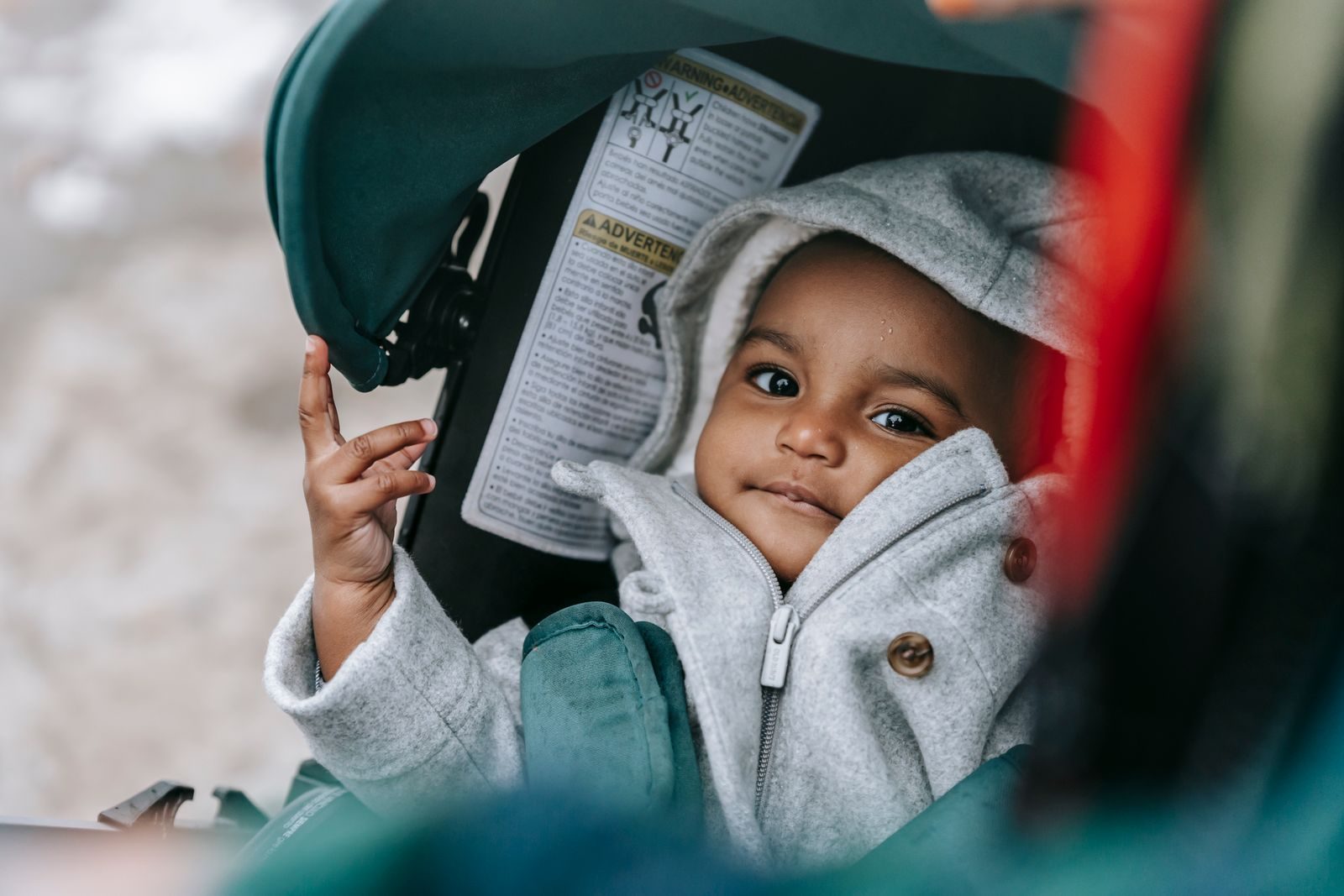
Keeping a baby in a pushchair in winter warm is about thin layers, not bulk: dress them for the temperature, add a footmuff or lightweight blanket if needed, and check their chest or the back of their neck. Cold hands are normal. A hot, sweaty baby is the real warning sign.
The short version: warm, but never hot
The Lullaby Trust is clear that the risk of sudden infant death syndrome (SIDS) is higher in babies who get too hot, and that babies are safer being cooler than being too hot. The NHS says babies can overheat because of too much bedding or clothing. That advice is written for sleep, but pushchair walks are where many babies nap, and the same principle applies: a cold-weather pram walk is a place where parents instinctively pile on extra layers.
Here is the practical version for a UK November walk:
- Dress for the weather in layers you can remove – vest, sleepsuit, a fleece or knitted layer, then a pram suit or footmuff.
- Check the chest or the back of the neck, not the hands or feet. The Lullaby Trust says to feel the chest or the back of the neck; if the skin is hot or sweaty, remove a layer.
- Keep the baby's face and head clear of covers, hoods pulled forward and blankets.
- Take outer layers off when you go indoors – shops, cafés, buses and trains are warm, and a baby in a padded suit in a heated shop heats up fast.
What to dress a baby in for a pushchair walk
There is no single correct outfit, because it depends on the air temperature, wind, how old the baby is and whether they are asleep. A sensible starting point for a cold UK day (around 0–8°C) is a vest, a sleepsuit, one warm mid-layer, and a footmuff or all-in-one pram suit, with a hat and mittens outdoors. On a milder, damp day (10°C or more), drop the mid-layer or the pram suit, not the hat. These are our rules of thumb rather than official thresholds, so treat them as a starting point and let the check below decide.
| Conditions | Sensible starting layers | Watch for |
|---|---|---|
| Frosty, 0–5°C, dry | Vest, sleepsuit, fleece or knit, footmuff or pram suit, hat, mittens | Cold nose and cheeks are fine; shivering or being very still is not |
| Cold and wet, 5–10°C | Vest, sleepsuit, light mid-layer, footmuff or blanket, hat; rain cover only if ventilated | Condensation inside covers, damp clothes |
| Mild, 10–14°C | Vest, sleepsuit, light layer or blanket; hat for wind | Sweaty neck or flushed cheeks – remove a layer |
| Popping into a warm shop or café | Unzip the footmuff, remove hat and mittens, take the pram suit off if you will be there a while | Overheating while parked up |
Hats: on outside, off inside
Babies lose heat through their heads, so a hat is sensible outdoors in the cold. The Lullaby Trust's room-temperature guidance, though, notes that wearing a hat indoors can make a baby too hot, and that covered heads can lead to overheating. Take the hat off the moment you are inside or the pushchair is in a warm place.
Mittens and booties
Mittens and warm socks are low-risk extras. Cold hands and feet are not a sign that a baby is too cold overall, so do not add another layer on the strength of cold fingers alone. Feel the tummy or neck first.
Footmuffs, cosy toes and pram suits: which is best?
A footmuff (also called a cosy toes) is a padded, zip-up sleeve for the pushchair seat. The harness usually threads through slots, so the baby is still buckled in properly. They tend to be the easiest way to add warmth without changing the baby's clothes, because you can unzip the front when you go indoors.
| Option | Pros | Cons | Typical UK cost* |
|---|---|---|---|
| Universal footmuff | Cheap, fits most seats, easy to wash | Fit can be loose; check the harness slots line up | Roughly £20–£40 |
| Brand-matched footmuff | Designed for your seat, often with a hood and fleece lining | Expensive, only fits one brand | Roughly £50–£120 |
| All-in-one pram suit | Baby stays warm when lifted out | Too bulky for car seats; easy to overdress | Roughly £25–£60 |
| Lightweight blanket | Flexible, easy to remove | Can slip over the face; must be tucked in firmly | Roughly £10–£30 |
*Indicative high-street ranges; prices vary by retailer and season.
A few buying checks matter more than the brand:
- Harness access. RoSPA says to keep a child harnessed in at all times in a pushchair, and a footmuff that stops you doing the harness up properly is a problem. Look for a design with slots or an open back for the straps.
- Breathable lining. A thick, non-breathable lining is more likely to cause overheating once you walk into a warm building.
- Easy zips. You should be able to open the front quickly without lifting the baby out.
- Washable. Dribble, milk and wet-weather mud make a machine-washable cover worth paying for.
Rain covers, blankets and covering the pushchair
Winter walks often mean rain, which raises the question of the plastic rain cover. We could not find a specific NHS or Lullaby Trust ruling on rain covers, so what follows is a reasoned application of their overheating advice rather than an official rule:
- Use the manufacturer's rain cover as designed – it is made for your model, with vents.
- Check the baby regularly while it is on, and take it off if it is not raining or you go indoors; a sealed cover traps warm, damp air.
- Do not drape a blanket, muslin or shawl over the hood or over the front of the pushchair to make a tent. It cuts airflow and makes it hard to see the baby. The Lullaby Trust's overheating advice applies equally to a covered pushchair.
- If you tuck a blanket around the baby, keep it lightweight, tuck it in firmly below the arms, and keep it clear of the face. The Lullaby Trust notes a blanket doubled over counts as two blankets.
Never use weighted products
The Lullaby Trust does not recommend weighted swaddles, blankets or sleeping bags for babies under one year because of overheating and head-covering risks. Do not add weighted blankets to a pushchair either. For overnight sleep, see our guide to swaddles vs sleep sacks.
When baby falls asleep in the pushchair
Many babies drop off on a walk. The NHS says to place your baby on their back to sleep with their feet at the bottom of the cot, Moses basket or pram, and not to let them get too hot. If a lie-flat carrycot or a fully reclined seat is available, that is the better place for a younger baby to nap. RoSPA also points out that non-reclining seats are not suitable for a child under six months. That is why a newborn needs a carrycot or a fully lie-flat seat, not a rigid forward-facing seat with a footmuff stuffed behind them.
Practical checks when a sleeping baby is in a pushchair:
- Open the footmuff or loosen the top layer once they nod off – they are quieter and warmer asleep.
- Keep the pushchair in sight and the baby's face visible.
- Do not leave a baby to sleep for long periods in a pushchair seat; move them to a flat surface when you are home.
Pushchair features that make winter easier
If you are shopping now, some features make cold-weather use simpler. Our pushchair and travel system guide covers the main decisions; for winter specifically, look at:
- Full-size wheels and suspension – wet leaves and frosty pavements are easier with bigger wheels.
- A lie-flat or carrycot-capable seat for the first six months.
- A large, ventilated hood and rain cover included in the box.
- A footmuff made for your model – check whether it is included or an add-on, since add-ons push the real cost up.
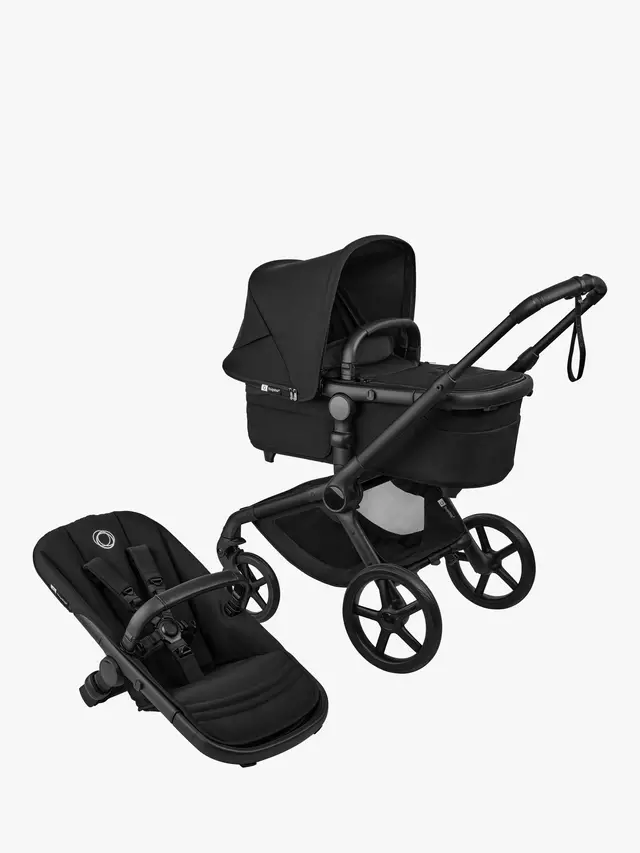
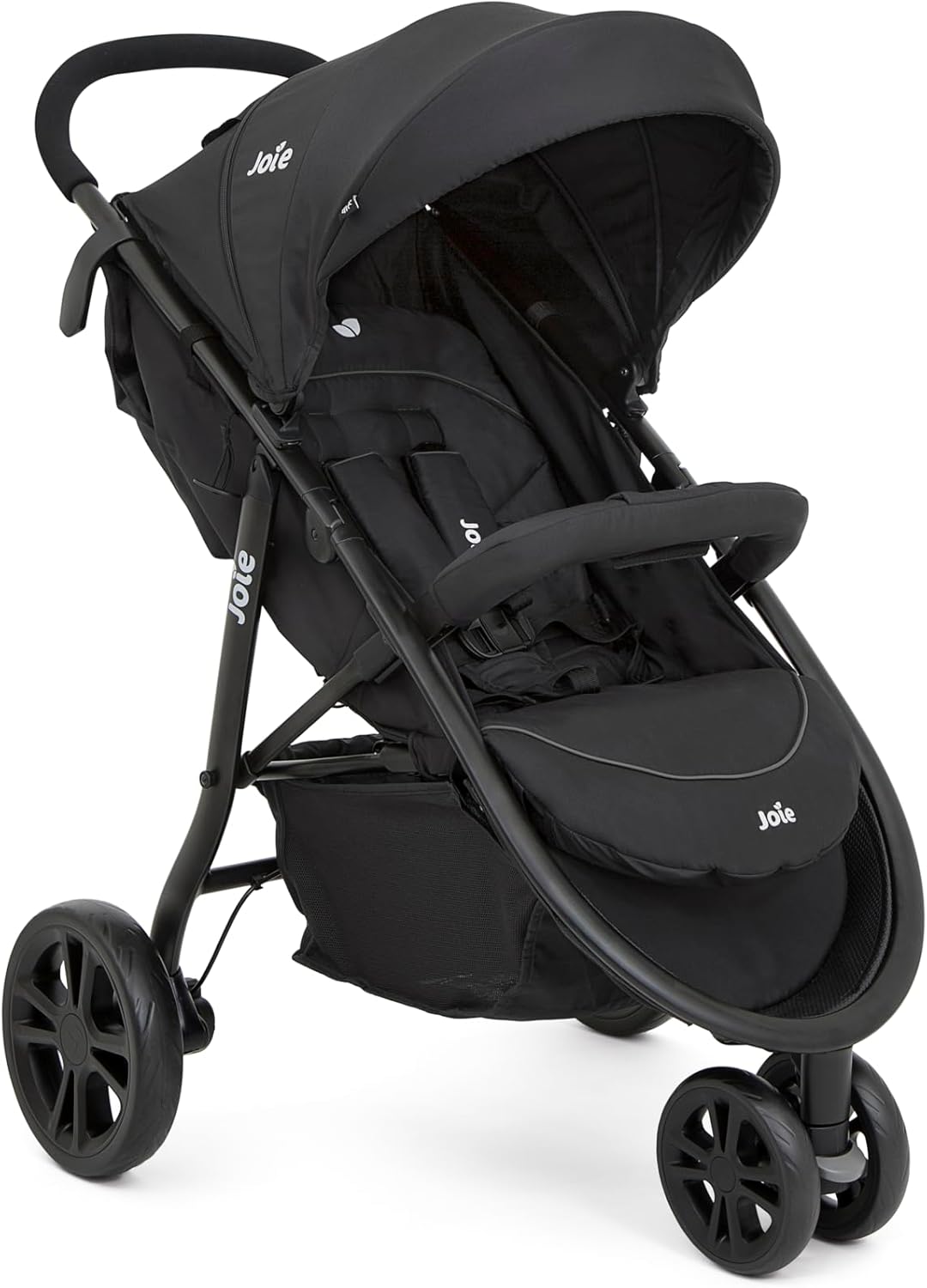
On our database, the Joie Litetrax 3 is listed at about £110 as a budget option, while the Bugaboo Fox 5 is listed at about £959 with a far higher footmuff and accessory cost. Browse the full pushchair and travel system roundup before the Black Friday weekend. If you are tempted by a deal, our guide on how to check a car seat or pram deal is safe covers what to verify before you buy.
Cold walks versus the car seat
A footmuff and a pram suit are fine in the pushchair, but they are not meant for the car. Bulky layers under a car seat harness can leave slack in the straps, so take the pram suit off before buckling in and put a blanket over the top instead. We explain the pinch test in our winter coat and car seat guide. If your pushchair uses the car seat as a travel system, do not leave the baby in the car seat on the chassis for long stretches, and remove the footmuff or extra layers before you are back in the car.
Keeping the home side of winter in check
Walks are only half the picture. Both the Lullaby Trust and the NHS recommend a baby's room is kept at 16–20°C. If the house is cold, that does not mean dressing the baby like they are outside; see our winter room temperature guide for what to wear at each temperature and how to use a room thermometer. If you are building your winter kit list, add a footmuff, hat, mittens and a room thermometer to your checklist.
Common winter pushchair mistakes
- Judging by cold hands. Feel the chest or back of the neck instead.
- Leaving a snowsuit on in warm places. A baby in a heated shop or bus is likely to overheat quickly.
- Draping a blanket over the pushchair. It blocks airflow and your view of the baby.
- Using a footmuff that blocks the harness. The harness should always be fastened.
- Using a sealed rain cover as a general windbreak. Use it only while it is raining and keep checking.
- Forgetting babies are a bit different. Newborns, premature babies and unwell babies may need more careful checking; ask your midwife or health visitor.
When to seek help
If a baby feels unusually hot, is sweating heavily, is very sleepy or hard to wake, or is cold, pale and floppy, treat it as urgent. A baby under three months with a temperature of 38°C or higher should be seen by a doctor, according to the NHS. Call NHS 111 for advice, or 999 in an emergency. The Lullaby Trust runs a baby safety helpline if you want to ask about safer sleep and overheating questions.
Mentioned in this guide
Frequently asked questions
Should a baby wear a snowsuit in the pushchair?+
A snowsuit or pram suit can be fine for a short, cold walk, but it is easy to overdress a baby in one. Check their chest or the back of the neck rather than their hands. If the skin is hot or sweaty, unzip or remove a layer. Take the suit off when you go indoors or into a warm place, and never leave a baby in a padded suit under a car seat harness. A footmuff you can open quickly is usually more flexible, because it can be unzipped without changing the baby’s clothes.
Can I put a blanket over the pushchair to keep baby warm?+
It is better not to. A blanket draped over the hood or front of a pushchair cuts airflow and stops you seeing the baby, which raises the risk of overheating. The Lullaby Trust says babies are safer being cooler than being too hot. Instead, dress the baby in suitable layers, use a footmuff or a lightweight blanket tucked in firmly below the arms, and keep the face clear. If it is raining, use the manufacturer’s rain cover only while needed and check the baby regularly.
How do I know if my baby is too hot in the pushchair?+
Feel the chest or the back of the neck. If the skin is hot or sweaty, the baby is too warm and you should remove one or more layers. Cold hands and feet are normal and are not a good guide to body temperature. Other signs of overheating include flushed cheeks, damp hair and restlessness. Check more often when moving between cold and warm places, such as walking into a shop, because babies can warm up quickly in a heated room while still wrapped up.
Is a footmuff safe to use with the pushchair harness?+
A footmuff is safe if the harness still works properly. RoSPA says a child should be kept harnessed in at all times in a pushchair. Choose a footmuff with slots or an open back so the straps go through correctly, and never place thick padding between the baby and the harness in a way that leaves the straps slack. Brand-matched footmuffs are usually designed for the specific seat. Check the instructions for your model and unzip the front when indoors to avoid overheating.
Sources
Related guides
Cot Mattress UK: What to Check Before You Buy (2026)
Black Friday is a good moment to buy a cot mattress, but only if it passes the safety basics. The NHS and Lullaby Trust say it should be firm, flat, waterproof-covered and fit the cot with no gaps. Here is the checklist, a comparison of mattress types, second-hand rules and the sale-season traps to avoid.
BlueMello Swaddle Blanket Recall (Amazon): OPSS Warning
OPSS has recalled the BlueMello Baby Swaddle Blanket sold on Amazon because a baby can slip below the covers, risking overheating and airway obstruction. Here is what to do, how to check any swaddle, and safer UK alternatives.
Baby Sleep Away From Home at Christmas: UK Safe Guide
Staying with family over Christmas? Here is how to set up safe sleep for your baby away from home: checking a borrowed cot and mattress, using a travel cot, handling car seats and sofas, and what to pack, with NHS and Lullaby Trust guidance.

Written by
Sepehr
Software engineer, soon-to-be dad, uncle to four — the tech-obsessed half of the two of us testing this stuff. Currently building this site with my wife, ahead of our own baby arriving.