White Noise Machines for Babies: Safe Use & UK Picks
White noise machines can help babies settle, but they must stay out of the cot, well away from your baby and at a low volume. Here is what research and the Lullaby Trust say, plus six UK sleep aids compared on price and features.
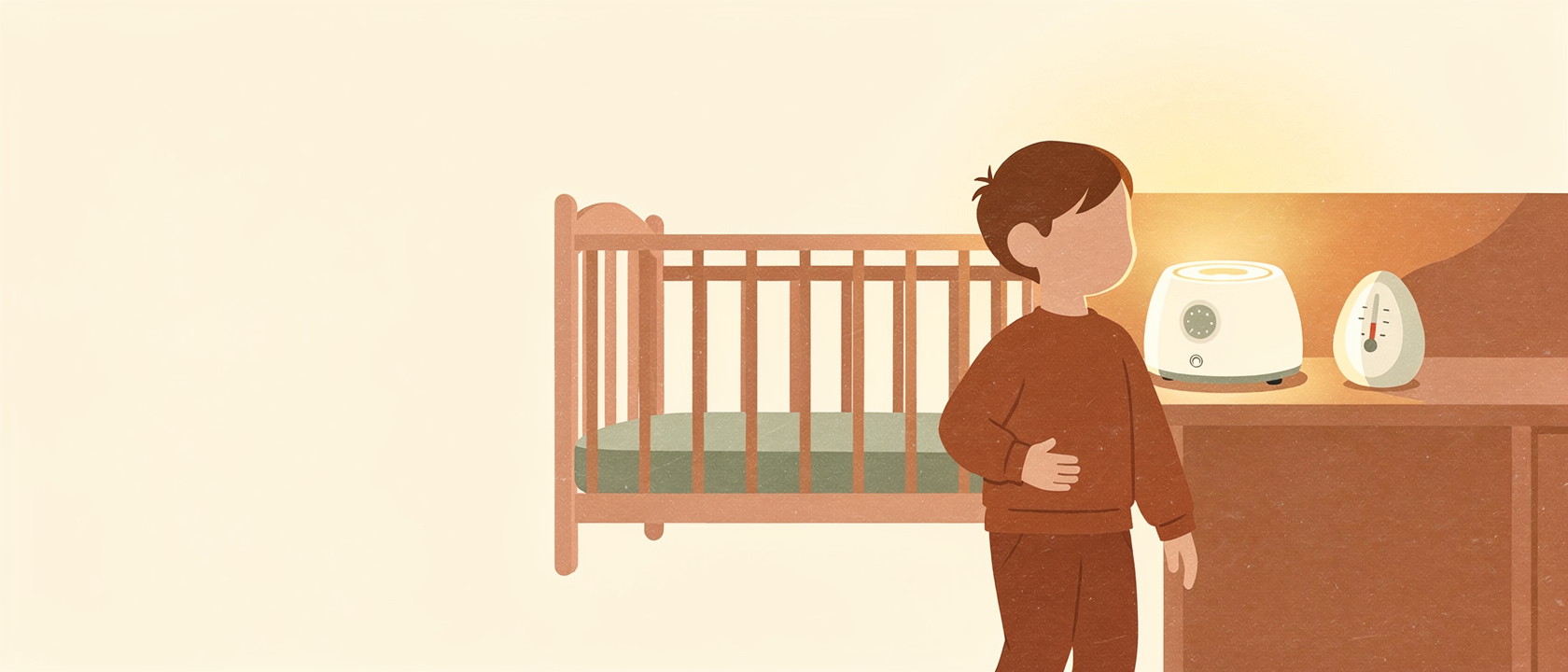
A white noise machine can be used for a baby, but it is a sleep aid to use with care, not a safety product: keep it out of the cot, well away from your baby, and at a low volume. The Lullaby Trust's safer sleep advice says a baby's cot needs just a firm, flat, waterproof mattress and lightweight bedding, so anything electrical belongs on a shelf across the room rather than beside your baby's head. This guide explains what research says about volume, where to put a white noise machine, and how six sleep aids we list compare.
Are white noise machines safe for babies?
Used sensibly, they can be, but the evidence is about hearing rather than SIDS. A 2014 study in the journal Pediatrics measured 14 infant sleep machines at maximum volume. At 30 cm every machine produced more than 50 A-weighted decibels, the noise limit recommended for infants in hospital nurseries, and three machines exceeded 85 A-weighted decibels, a level that could risk noise-induced hearing loss if played for over eight hours. The authors recommended placing the machine as far from the infant as possible, never in the cot or on the cot rail, using the lowest volume that works, and running it for a short time until your baby is sleeping soundly.
The practical takeaways are simple:
- Distance: put the machine across the room, not on the cot or a shelf right beside it.
- Volume: start at the lowest setting. If it drowns out normal conversation from the doorway, it is too loud.
- Duration: use a timer, or turn it down once your baby is asleep, if the machine allows.
- Listen out: make sure you can still hear your baby when they wake.
Keep sleep aids out of the cot
The Lullaby Trust advises that babies need just two items in their cot: a firm, flat, waterproof mattress and lightweight bedding. It says to remove pillows, duvets, bumpers, soft toys and positioning products such as wedges. That matters for sleep aids because many are cuddly: a sound-and-light soft toy such as a sleep sheep is a soft toy, so it should sit on a shelf or the floor away from the cot, not sleep with a young baby. Our guide to safe sleep for newborns covers the full checklist, and our piece on baby nests and sleeping pods shows how other "helpful" products can run against the same rules.
Anything that charges or plugs in deserves a look at its safety notice too. We covered a recent OPSS recall of a sleep machine over overheating of its battery in Love to Dream Sleep Machine recall. Register products where you can, and check gov.uk product safety alerts occasionally.
The sleep aid that matters most: a room thermometer
The Lullaby Trust recommends a room temperature of 16 to 20°C for babies so they do not get too hot, and says the risk of sudden infant death syndrome (SIDS) is higher in babies who get too hot. Because it is hard to guess a temperature, it advises using a room thermometer in the rooms where your baby sleeps. For cold homes, it says it is rarely necessary to keep the heating on all night and an extra layer will usually help; if heating is left on overnight it should be low and certainly no higher than 20°C. It also says babies do not need hats indoors or a duvet or quilt.
That is why a simple room thermometer is arguably a better first purchase than a sound machine, and why autumn is a sensible time to buy one as bedrooms start to cool. The Lullaby Trust also advises having your baby sleep in the same room as you for at least the first six months, day and night, which means a white noise machine will be in your room too at first, so keep the volume low for your own sleep as well.
How the sleep aids we list compare
None of these have been hands-on tested by us; the details below come from the manufacturers' descriptions and our listings, so check current specifications before buying.
| Product | Type | Price | What it does (per listing) |
|---|---|---|---|
| VAVA Baby White Noise Soother | White noise machine | Around £30 | Multiple sound modes, adjustable volume, dimmable night light |
| Hatch Rest 2nd Gen | Sound machine and light | Around £70 | App-controlled, custom colour, brightness and sound-schedule presets |
| Sweet Dreamers Ewan Deluxe | Soft toy sleep aid | Around £45 | Womb-sound white noise, gentle glowing light and a cry sensor |
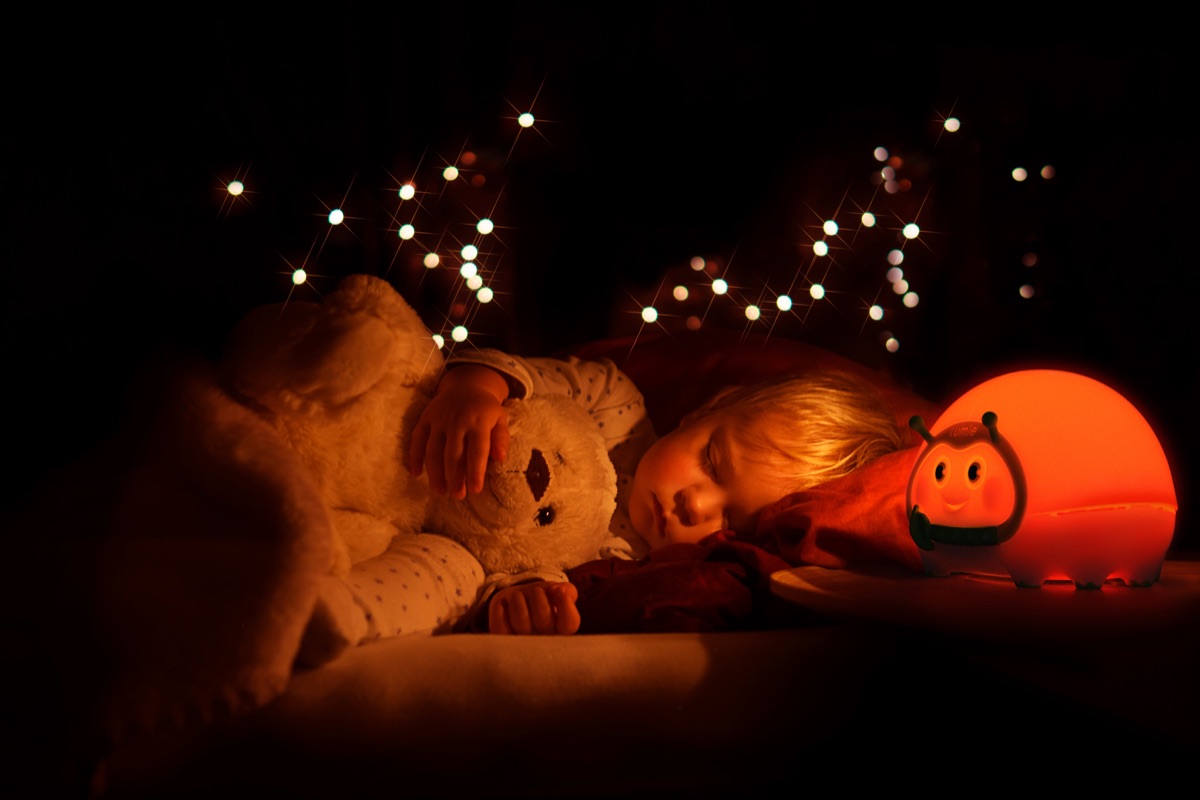
| Lumie Bedbug | Low-blue bedside light | Around £59.95 | 15-minute sunset fade to help settle babies and young children |
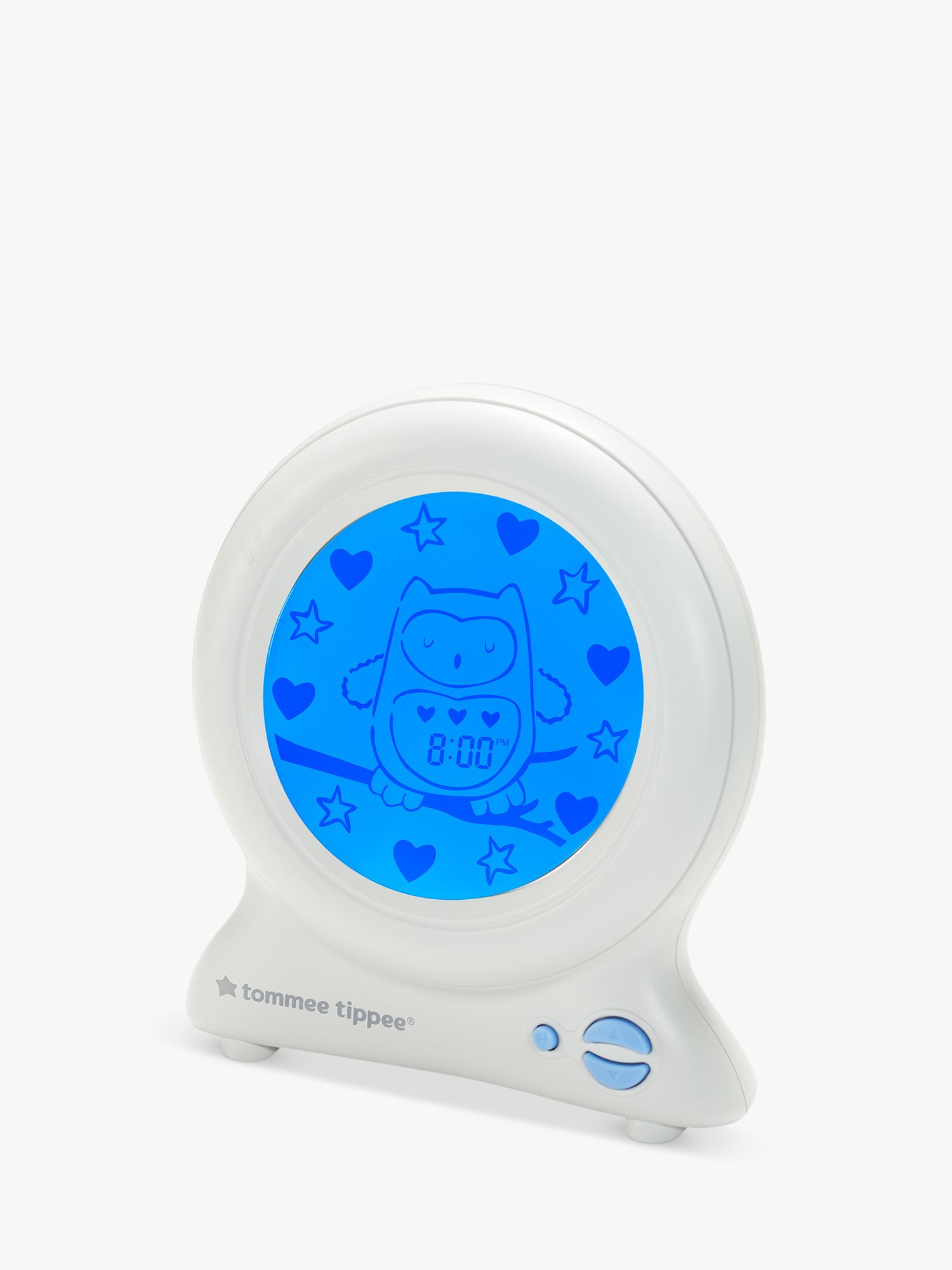
| Tommee Tippee Groclock | Toddler sleep clock | Around £24.99 | Shows a sleeping or awake owl so children learn when it is morning |
| Tommee Tippee Groegg2 | Room thermometer | Around £20 | Colour-changing egg that shows if the room is too hot, cold or just right |
Which one to choose
For a newborn: start with the Groegg2 room thermometer (£20), then add a basic white noise machine like the VAVA (about £30) only if you find your baby settles better with steady sound. The machine's adjustable volume is the feature that matters most, because it lets you follow the low-volume advice above.
If you want a routine tool: the Hatch Rest offers schedules and app control at a higher price, useful mainly if you like programming light and sound; it is not needed for safety.
For toddlers: the Groclock and the Lumie Bedbug are aimed at older children who are learning to settle or stay in bed until morning, so they are not first buys for a newborn.
Think twice about the cuddly option: the Sweet Dreamers Ewan combines sound and light in a soft toy. Because the Lullaby Trust says soft toys should be kept out of a baby's cot, we would use it as a room fixture or for an older child rather than in the cot with a young baby.
If you want a full overview of what else to put in the nursery, see our baby monitor comparison and the white noise and sleep aids category.
When to stop using white noise
There is no set age to stop. If your baby has become reliant on it, you can gradually lower the volume over several nights, as the study authors' advice to use the lowest effective volume suggests. If you have any concern about your baby's hearing or sleep, speak to your health visitor or GP.
Mentioned in this guide
Frequently asked questions
Are white noise machines safe for babies?+
They can be if used carefully. A 2014 Pediatrics study found all 14 machines tested exceeded 50 A-weighted decibels at 30 cm on maximum volume, so the authors advised placing them as far from the baby as possible, never in the cot, at the lowest volume and for a short time.
How far should a white noise machine be from a baby?+
As far away as practical. The Pediatrics study authors recommended placing it as far from the infant as possible and never in the crib or on the crib rail.
Can a sleep aid or soft toy go in the cot?+
The Lullaby Trust says babies need just a firm, flat, waterproof mattress and lightweight bedding in the cot, and that soft toys should be removed.
What room temperature should a baby sleep in?+
The Lullaby Trust recommends 16 to 20°C and advises using a room thermometer, as the risk of SIDS is higher in babies who get too hot.
Sources
Related guides
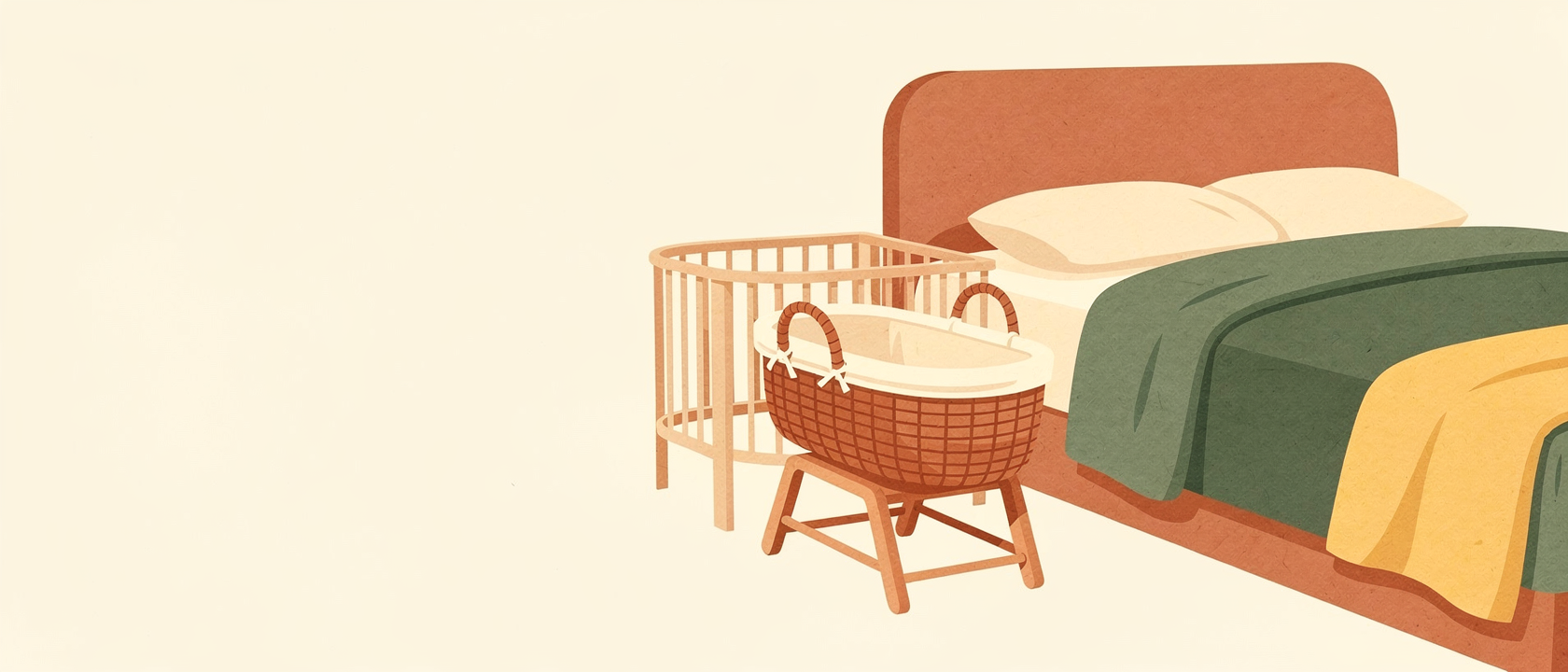
Best Bedside Cribs & Moses Baskets Compared (UK)
Six bedside cribs and Moses baskets compared on price, size and lifespan: Silver Cross Lunar, Shnuggle Air Lite, SnuzPod4, HALO BassiNest, Chicco Next2Me Forever and a Mamas & Papas Moses basket. Includes the British Standards the Lullaby Trust lists and NHS safer sleep rules.
Best Baby Carriers Compared (UK Guide)
Six baby carriers compared on price, age range and carry positions: Ergobaby Omni 360, Tula Free-to-Grow, Izmi, BabyBjörn Carrier Mini, Close Caboo and Momcozy Move2Fit. Includes the Lullaby Trust and RoSPA T.I.C.K.S. safety checklist.
Bronchiolitis in Babies: Symptoms & When to Worry
Bronchiolitis is a common winter chest infection in babies. Here is what the NHS says about the symptoms, the signs that mean call 999 or 111, how to care for your baby at home, and how to lower the risk, including RSV protection.

Written by
Sepehr
Software engineer, soon-to-be dad, uncle to four — the tech-obsessed half of the two of us testing this stuff. Currently building this site with my wife, ahead of our own baby arriving.