Best Toddler Learning Toys Compared (UK)
Six baby and toddler learning toys compared on price, age range and what each is for, from a £12 clip-on sensory toy to a £27 three-stage tablet, plus what the NHS says about play, safety marks and button batteries.
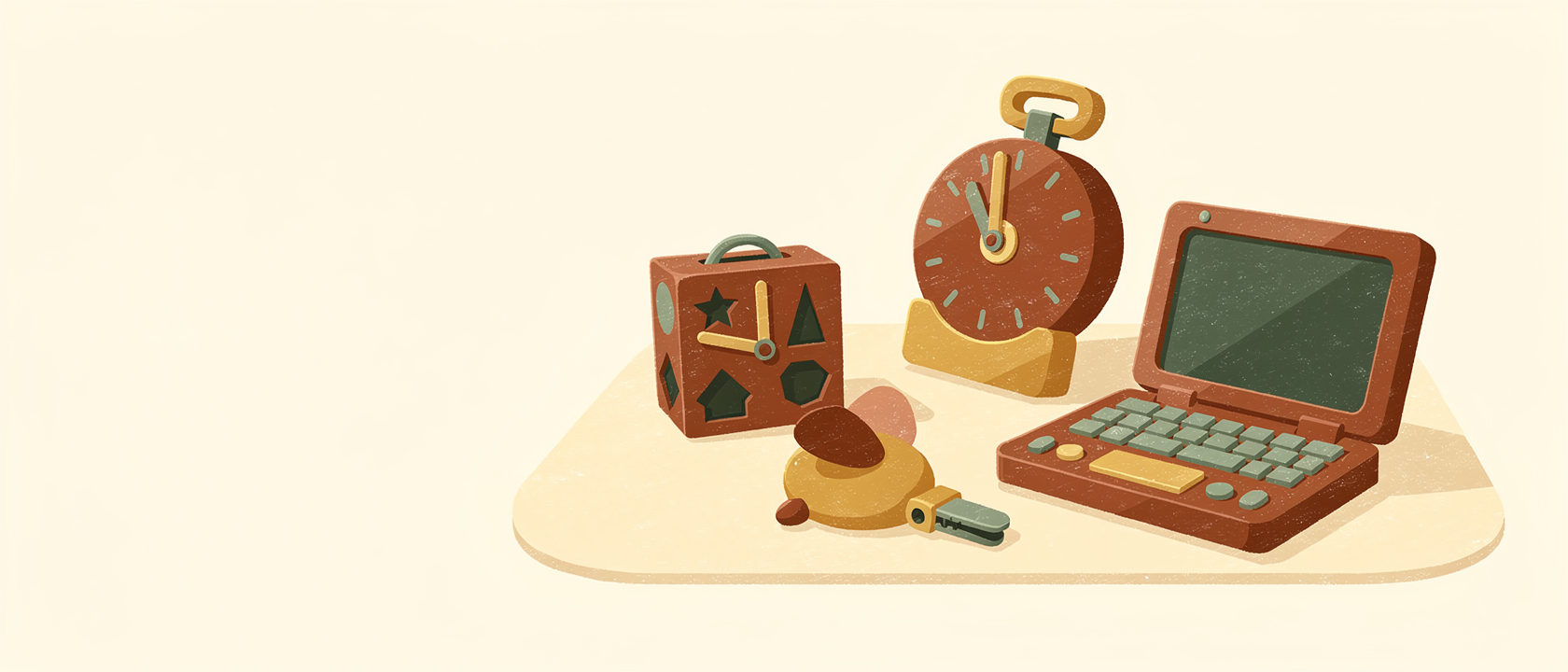
The best learning toy for most families is a simple one: the Lamaze Freddie the Firefly (about £12) for a young baby, or the VTech Baby's Learning Laptop (about £20) once your child is a toddler. The NHS is clear that children do not need expensive toys to learn, and that they learn most when a grown-up plays alongside them. So treat the toys below as handy extras, not requirements. This guide compares the six baby and toddler learning toys we list, on price, age range and what each is actually for.
What the NHS says before you buy
The NHS says you can use things you already have around the house for play, and that water play, singing, nursery rhymes and sharing books are all good for development. On language, it says toys and books that make a noise help your child's listening skills, but that playing and listening to stories is more helpful than television when they are learning to talk. In other words, a talking toy is no substitute for you chatting while you feed, change and bathe your baby. Our 6 to 12 month milestones guide and toddler screen time guidance cover the wider picture.
Learning toys compared
| Product | Price | Age range (as specced) | Power | Best for |
|---|---|---|---|---|
| Lamaze Freddie the Firefly | About £12 | 0-3 years | None | Pram and car seat sensory play |
| LeapFrog Scout's Learning Lights Remote | About £15 | 6-36 months | 3 x AAA | Pretend play from 6 months |
| Baby Einstein Take Along Tunes | About £15 | 3 months-2 years | AA | Cause-and-effect and music |
| VTech Baby's Learning Laptop | About £20 | 18 months-4 years | AA | Letters, numbers and shapes |
| Melissa & Doug Shape Sorting Clock | About £20 | 3+ years | None | Shapes, numbers, telling time |
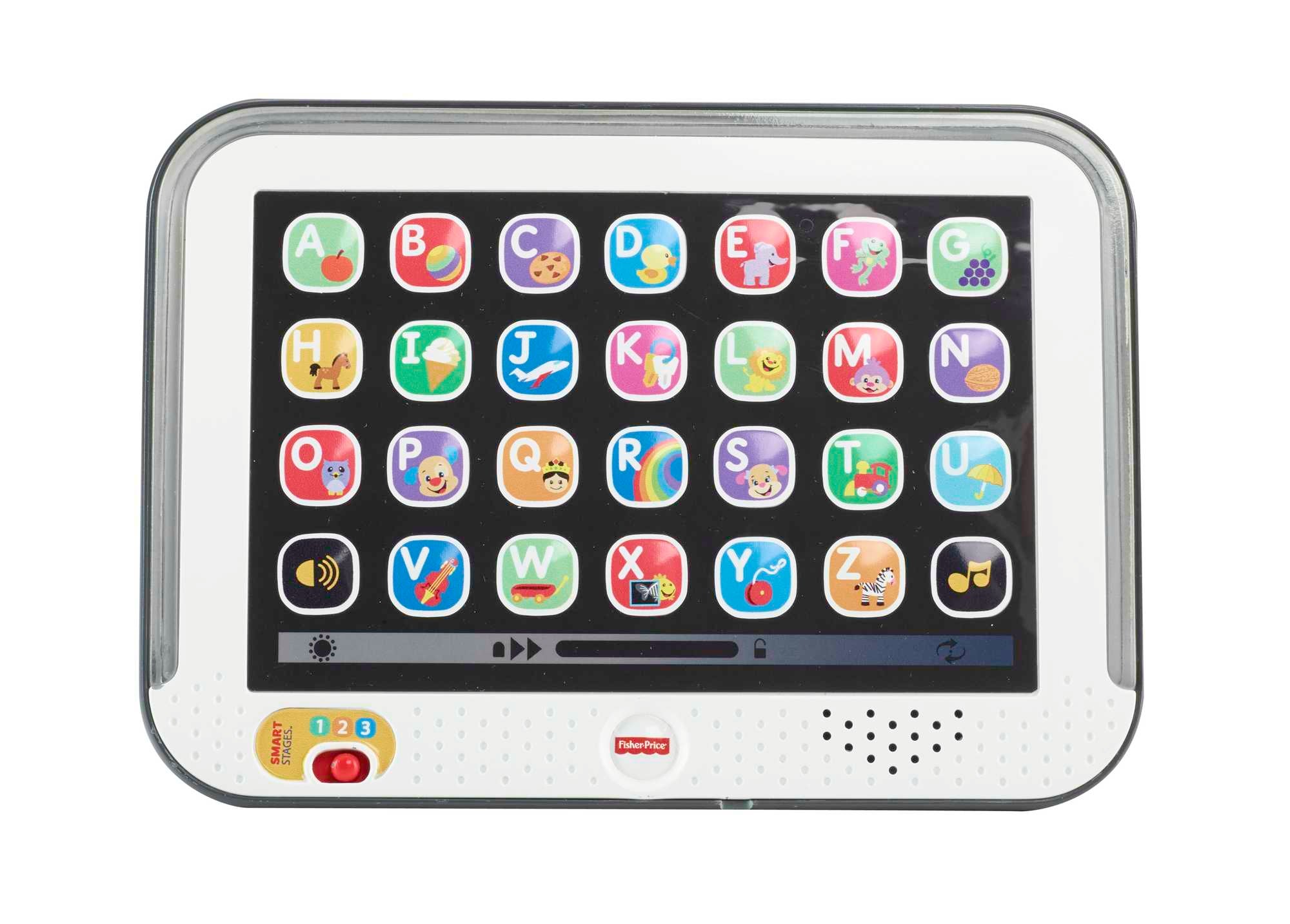
| Fisher-Price Laugh & Learn Smart Stages Tablet | About £27 | 6 months-3 years | AA | Toy that grows through three stages |
Prices are approximate. Ages and specifications are as stated by each manufacturer, and none of these toys has been hands-on tested by us yet, so everything here comes from published specifications rather than our own use.
Best for newborns and young babies: Lamaze Freddie the Firefly
Freddie is a soft clip-on toy with crinkle wings, a squeaker and high-contrast patterns, specced for 0 to 3 years at about £12. It needs no batteries, the fabric is machine washable, and the clip attaches to a pram, car seat or highchair, which makes it the most practical of the six for out and about. It is a sensory toy rather than a structured learning one, so it teaches less about letters or numbers than the electronic options. That is fine for this age: the NHS suggests simply positioning toys within a baby's reach and talking and singing to them from around four months.
Best for pretend play: LeapFrog Scout's Learning Lights Remote
At about £15, this chunky pretend TV remote has 17 light-up buttons and over 100 phrases, sounds and music clips, specced from 6 months. It suits babies who already reach for your real phone or remote, because the imitation does most of the work. It takes three AAA batteries, the repeated phrases can wear thin for adults faster than for babies, and the plastic feels less premium than wood.
Best for music and cause and effect: Baby Einstein Take Along Tunes
This portable musical toy plays classical music tracks and has light-up buttons and a built-in carry handle, specced from 3 months to 2 years for about £15. Pressing a button and getting a result is the whole appeal, and the handle makes it easy to move between rooms. It needs AA batteries and has less variety than the Fisher-Price or VTech toys, so it is likely to be outgrown sooner.
Best for letters and numbers: VTech Baby's Learning Laptop
VTech's laptop is specced for 18 months to 4 years at about £20 and has large, toddler-friendly buttons covering letters, numbers, shapes, animal sounds and music. It has more pre-literacy content than the other toys here, which makes it the better pick once your toddler is past pulling up and ready for more focused play. It has no physical role like a sit-to-stand toy, runs on AA batteries, and volume can be loud, so test it in the shop or check reviews before gifting.
Best screen-free classic: Melissa & Doug Shape Sorting Clock
This wooden clock with 12 removable shaped numbers costs about £20, takes no batteries and is specced for 3 and over. That age matters. The small removable pieces are the reason for the grading, so it is not a toy for babies or most under-threes, and the NHS says to check age warnings on toys carefully. For a preschooler it covers shapes, colours, numbers and basic time-telling, and a wooden toy tends to survive being passed on or stored for a younger sibling.
Best for longevity: Fisher-Price Laugh & Learn Smart Stages Tablet
At about £27 this is the priciest of the six. It has 28 app buttons with lights, sounds, phrases and songs, and three switchable Smart Stages levels that change the content, specced for 6 months to 3 years. The same toy therefore stays relevant for longer than most single-level electronic toys. The trade-offs are the repetitive songs, a bulkier shape to store and a taste for AA batteries.
Toy safety checks that matter more than the brand
The NHS advises checking toys for safety marks, such as the CE mark, the lion mark or the British Standard kitemark, and reading the age warning on the box. Battery-powered toys deserve a second look. The NHS says button batteries can cause severe internal burns if swallowed or lodged in your child's ear or nose, and that if your child swallows a button battery or magnet, or you think they may have, you should call 999 or take them to A&E straight away. Make sure the battery compartment of any electronic toy is closed with a screw, and keep spare batteries well out of reach. Our toy safety standards guide explains the marks in more detail.
How to choose
- Newborn to 6 months: Freddie the Firefly. It is battery-free, washable and clips to the pram.
- 6 to 18 months: LeapFrog remote or Fisher-Price tablet, depending on whether you want pretend play or a toy that changes as your child grows.
- 18 months to 3 years: VTech laptop for early letters and numbers.
- Age 3 and over: Melissa & Doug clock, when small pieces are no longer a concern for your child.
- Want to avoid batteries: Freddie and the wooden clock need none.
How to get more from any of these toys
Sit down and play with your child rather than handing the toy over. The NHS says games such as peek-a-boo and round and round the garden help babies learn turn-taking, attention and listening, and you can build those games around any toy here: hide Freddie under a muslin, ask your toddler to find the circle on the clock, or name the animals as the VTech laptop plays their sounds. Rotating two or three toys, rather than leaving everything out, also tends to keep interest up and keeps costs down.
Do you need a learning toy at all?
No. Peek-a-boo, nursery rhymes, a plastic bottle and a bowl of water under supervision cost nothing, and the NHS recommends all of them. A baby gym or play mat gives babies a space to reach and kick, and our list of baby gear you don't actually need puts toys in context. If you do want a few, browse all our toddler toys and development picks, and see buying secondhand baby gear safely if you are accepting hand-me-down toys, since you need working battery covers and no missing parts.
Mentioned in this guide
Frequently asked questions
Do toddlers need learning toys?+
No. The NHS says you can use things you already have around the house for play, and that children learn most through playing, talking and reading with you.
Are electronic learning toys better than ordinary toys?+
Not necessarily. The NHS says toys and books that make a noise help listening skills, but playing and listening to stories is more helpful than television when children are learning to talk.
What should I check before buying a toy for a toddler?+
The NHS advises looking for a safety mark such as the CE mark, lion mark or British Standard kitemark and checking the age warning. For battery toys, make sure the battery compartment is secure.
What should I do if my child swallows a button battery?+
The NHS says to call 999 or take your child to A&E straight away if they swallow a button battery or magnet, or you think they may have.
Sources
Related guides
Best Toddler Car Seats Compared (UK Guide)
Six toddler car seats compared on price, fitting and rear-facing range: Joie Every Stage, Axkid Movekid, BeSafe Stretch², Cybex Pallas G3, Britax Advansafix Pro and Maxi-Cosi Titan Pro2. Includes gov.uk and RoSPA car seat guidance.
Toddler Ghost Costume Safety Report: Cord and Bag Risk
OPSS published a serious-risk safety report on 13 October 2026 for a toddler ghost costume sold via Amazon: its cord is too long for young children and its plastic bag is too thin. Here's what the report says, how to check yours and what to look for in any Halloween costume.
Pimple Popping Squishy Toys With Needles: OPSS Report
OPSS published reports on 9 October 2026 about pimple popping squishy toys sold with needles or syringes across seven online marketplaces. Here is what the reports say, what to do if you have one, and how to keep sharps away from babies and toddlers.

Written by
Sepehr
Software engineer, soon-to-be dad, uncle to four — the tech-obsessed half of the two of us testing this stuff. Currently building this site with my wife, ahead of our own baby arriving.