Best Pregnancy Skincare Compared: Oils, Creams & Butters
No pregnancy cream or oil has been shown to prevent stretch marks, but the right one can make a tight, itchy bump more comfortable. We compare six UK products from £4 to £54 by texture, scent and cost per 100ml, and flag the itching that needs a call to your midwife.
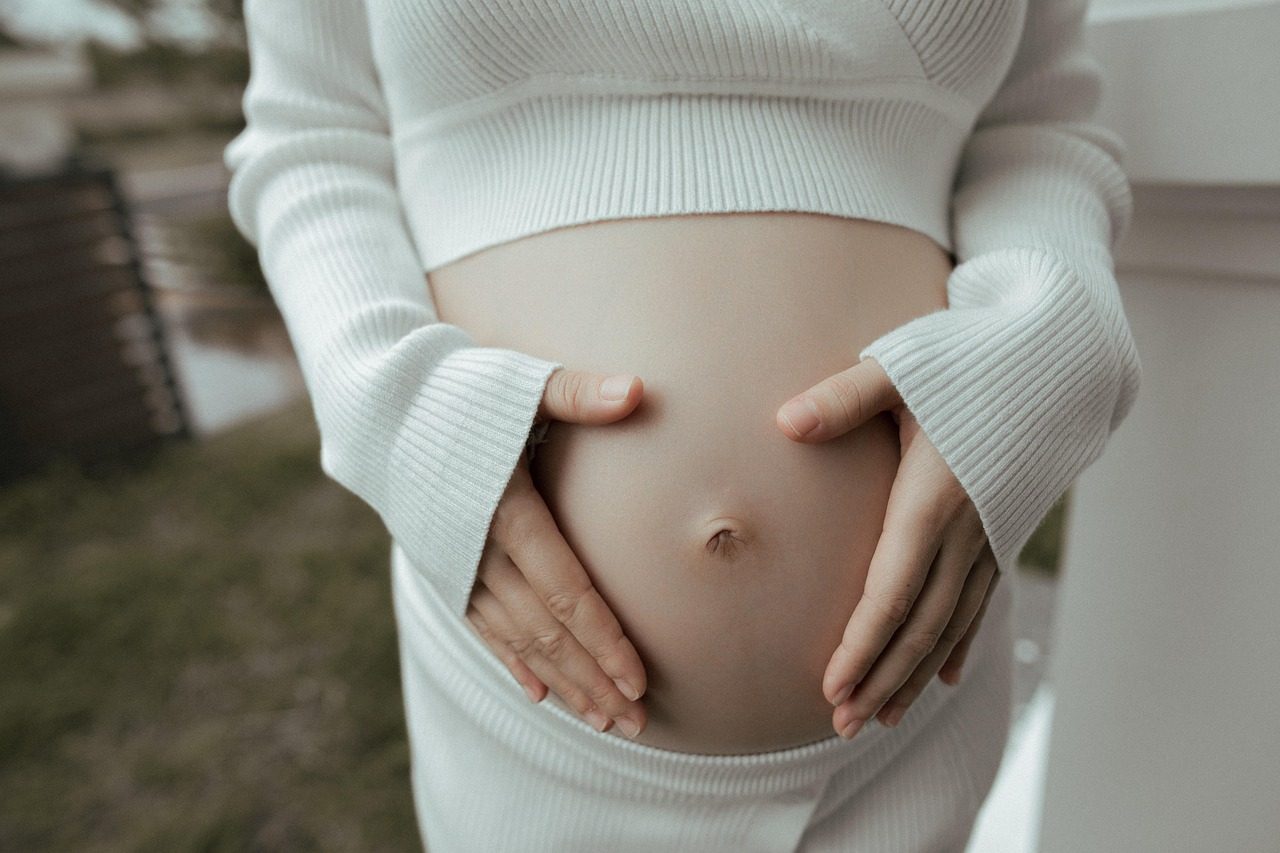
The best pregnancy skincare is whichever product keeps your bump comfortable and fits your budget, because no cream or oil has been shown to prevent stretch marks. The NHS says evidence is limited. This guide compares six products from a £4 lotion to a £54 cream on texture, scent and cost per 100ml.
What pregnancy skincare can and can't do
The NHS explains that stretch marks form when the middle layer of the skin (the dermis) stretches and tears in places. Hormonal changes in pregnancy make this more likely, more elastic skin is less prone to it, and gaining more weight than average raises the chance. The NHS also says evidence is limited on whether oils or creams prevent stretch marks, and that there is no reliable evidence for creams that claim to remove them once they appear. A Cochrane review of topical preparations for preventing stretch marks in pregnancy reached a similarly cautious conclusion. We cover the research in more depth in do stretch mark creams actually work.
So why buy anything? Comfort. Stretching skin often feels tight and itchy, particularly in the third trimester, and the NHS notes that itchiness over areas where the skin is thinning may be the first sign of stretch marks. A moisturiser you enjoy using twice a day can ease that dryness, and it gives you a few minutes to sit down, which is not nothing in late pregnancy. Judge every product below on that basis: does it feel good, will you actually use it daily, and is the price sustainable for months?
The six products compared
| Product | Format | Listed price | Approx. cost per 100ml/g | Fragrance | Best for |
|---|---|---|---|---|---|
| Palmer's Cocoa Butter Formula Massage Lotion | Lotion, 250ml | £4.00 | £1.60 | Strong cocoa butter scent | Lowest cost, daily all-over use |
| Boots Maternity Stretch Mark Moisturising Balm | Balm, 50g | £5.99 | £11.98 | Light lavender | Budget balm, high-street availability |
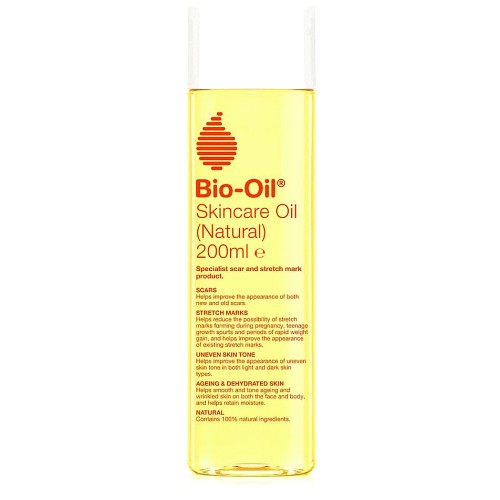
| Bio-Oil Skincare Oil | Oil, 60ml | £9.99 | £16.65 | Lightly fragranced | Fast absorption, useful after birth |
| Weleda Stretch Mark Massage Oil | Oil, 100ml | £20.95 | £20.95 | Herbal, arnica-forward | Natural-formulation preference |
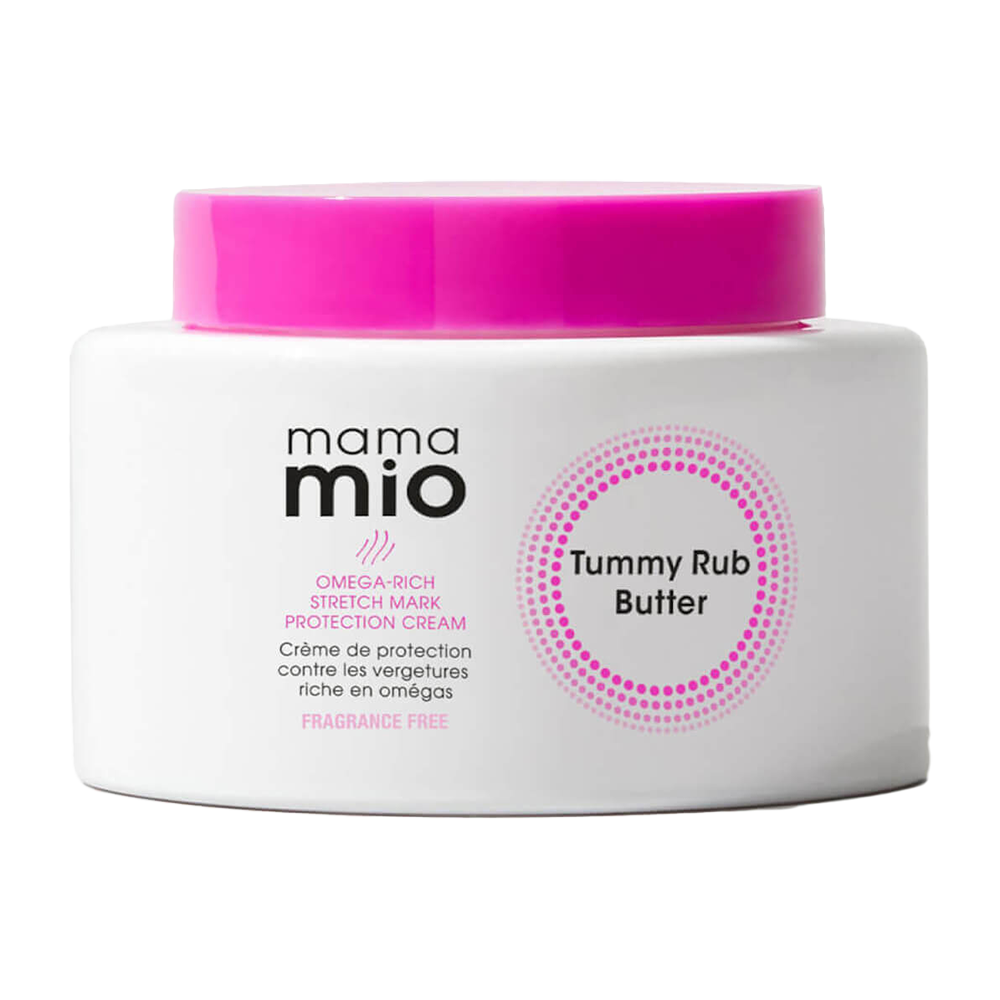
| Mama Mio Tummy Rub Butter | Thick butter, 120ml | £24.00 | £20.00 | Fragranced (fragrance-free version sold) | Very tight, itchy skin |
| Clarins Body Partner Stretch Mark Expert | Cream, 175ml | £54.00 | £30.86 | Fragrance-free | Scent-sensitive skin, if budget allows |
Prices are the figures listed on our product pages and move around, so check the retailer before buying. We have not tested any of these ourselves; the notes below are drawn from manufacturer specifications, ingredient lists and the trade-offs of each format.
Best budget pick: Palmer's Cocoa Butter lotion
Palmer's Cocoa Butter Formula Massage Lotion is a 250ml bottle at around £4, built on cocoa butter and vitamin E. At roughly £1.60 per 100ml it is by far the cheapest way to moisturise a bump twice a day for six months, and the large bottle means you will not ration it. Texture sits between an oil and a butter. The catch is scent: it smells strongly of cocoa butter, and a heightened sense of smell in pregnancy can turn that from pleasant to overwhelming. There is no fragrance-free version, so if you are nauseous in the first trimester, sniff before you commit.
Best high-street balm: Boots Maternity Stretch Mark Moisturising Balm
The Boots balm (50g, about £5.99) uses olive fruit oil, sunflower seed oil and vitamin E, is listed as vegan and not tested on animals, and has a light lavender scent. Per gram it costs more than Palmer's, but the pot is small and a firm balm goes a long way on a small area. It takes a little longer to work in than an oil, which some people like for a slower, deliberate massage and others find slow before work. It has no brand-funded clinical data behind it, though no product here has proof that it prevents stretch marks.
Best all-rounder: Bio-Oil
Bio-Oil (60ml about £9.99, also sold in 125ml and 200ml) is a light, quick-absorbing oil with vitamins A and E and plant oils. It is lightly fragranced and not marketed as pregnancy-specific, which is part of its appeal: the same bottle can be used on scars and general skin recovery after birth. The thin texture means you can apply it and get dressed within a couple of minutes. Against a thick butter it feels less soothing on very tight skin, and the 60ml size is small for daily use on a growing bump, so buy a larger bottle if you plan to use it every day. The formula lists vitamin A, so if you are unsure about it, ask your pharmacist or midwife before using it (see the retinoids point in the mistakes section below).
Best for natural-formulation fans: Weleda Stretch Mark Massage Oil
Weleda's massage oil (100ml, about £20.95) blends sweet almond, jojoba and arnica oils and is specced as free from mineral oil and synthetic preservatives. The texture is a true oil, similar to Bio-Oil, with a herbal, arnica-forward scent that some find calming and others find too strong. The only reason to choose it over a cheaper oil is the natural formulation. If that does not matter to you, spend the difference elsewhere. If you have a nut allergy, check the ingredients carefully, as sweet almond oil is the first ingredient.
Best for very tight, itchy skin: Mama Mio Tummy Rub Butter
Mama Mio's Tummy Rub Butter (120ml, about £24) is a thick, occlusive butter with shea butter, cocoa butter and omega oils, formulated specifically for pregnancy skin. Its richness is the point: in the second and third trimester, when skin feels tight and itchy, a butter holds moisture on the surface for longer than a thin oil. The trade-offs are cost (about £20 per 100ml), a slower absorption time that makes it better as an evening routine than a pre-work one, and the standard version is fragranced, though a fragrance-free version is sold.
Best fragrance-free, if the budget stretches: Clarins Body Partner
Clarins Body Partner Stretch Mark Expert (175ml, about £54) is the premium option and the only fragrance-free product on our shortlist as standard. That matters if you have sensitive skin or pregnancy has made scented products hard to tolerate. It is also by far the most expensive per 100ml, and for the core job of keeping skin supple, a cheaper unfragranced moisturiser from the pharmacy aisle will do the same thing for most people. Buy it if you value the brand and the formulation; do not buy it because of fear of stretch marks.
How to choose: a quick decision guide
- Tightest budget: Palmer's lotion. Start with the smallest option if you are unsure about the smell.
- Want something you can use after birth too: Bio-Oil, which also stays useful for general skin recovery.
- Sensitive to smells: Clarins, or the fragrance-free Mama Mio, or an unperfumed moisturiser of your choice.
- Skin feels very tight and itchy in the third trimester: a rich butter such as Mama Mio, or the Boots balm for a cheaper alternative.
- Prefer natural formulations: Weleda, mindful of the almond oil.
You can compare all six side by side, with product details, on our pregnancy skincare roundup, and add your pick to your checklist so it is on the list before the third trimester.
Mistakes to avoid
Paying more for a promise. The research gives no basis for a premium price buying better prevention, so price mostly reflects texture, scent and packaging.
Using retinoids. Some anti-ageing and anti-scarring products contain retinoids. The UK Teratology Information Service has leaflets on topical retinoids in pregnancy, and the general advice is to check with your midwife, GP or pharmacist before using any product containing them.
Starting a new product and ignoring a reaction. Any fragranced product can irritate. Patch-test on your inner forearm first, and stop using a product that causes redness or a rash.
Treating severe itching as a skin problem. This is the one that matters. Moisturiser helps with ordinary stretching-skin itch, but intense itching, especially on the palms of the hands and soles of the feet, often worse at night, can be a sign of obstetric cholestasis, a liver condition. NHS maternity guidance is to tell your midwife or maternity unit promptly rather than waiting for your next appointment. Diagnosis is by blood test, and no cream will fix it.
Building a simple routine
Apply after a shower while skin is still slightly damp, once or twice a day, to the bump, hips, thighs and chest, the areas most likely to feel tight. Use gentle, circular strokes; treat it as comfort time rather than a treatment. If sleep is disrupted by itching in the later weeks, a cool-room routine and a rich butter at bedtime can help, and our guide to third trimester sleep problems has other ideas. Pop a small tube or pot in your hospital bag too, since postnatal skin feels dry and the bump will not vanish immediately; see what to pack in your hospital bag.
If you are also thinking about what else to buy for your own recovery, the bump-skin product you choose now can double as a general moisturiser for months afterwards, which is another argument for the cheaper, larger bottles.
Mentioned in this guide
Frequently asked questions
Do pregnancy stretch mark creams and oils actually work?+
The NHS says evidence is limited on whether oils or creams prevent stretch marks, and that there is no reliable evidence for creams claiming to remove them after they appear. A Cochrane review of topical products for preventing stretch marks in pregnancy was similarly cautious. Whether you get stretch marks depends mostly on your skin type, genetics, hormones and how much weight you gain. That does not make moisturising pointless: a cream or oil can ease the tightness and dryness that come with stretching skin, which is a perfectly good reason to use one. Just choose on comfort, scent and price rather than a prevention promise.
When should I start using skincare for my bump?+
There is no evidence that starting early makes a difference to stretch marks, so start whenever your skin begins to feel dry or tight. For most people that is the second trimester, when the bump grows quickly, and it is most noticeable in the third trimester. The NHS notes that itchiness over areas where skin is thinning may be the first sign of stretch marks, so an itchy bump is a sensible cue to begin. Using a moisturiser from the start of pregnancy is fine if you enjoy the routine, but it is not necessary and does not need to be expensive.
Is itching in pregnancy always just stretching skin?+
No. Mild itching over the bump is common and is often linked to the skin stretching. But intense itching, particularly on the palms of the hands and soles of the feet, often worse at night and usually starting after 28 weeks, can be a sign of obstetric cholestasis, a liver condition that needs blood tests to diagnose. NHS maternity guidance is to tell your midwife or maternity unit if you have this kind of itching, rather than waiting for your next appointment. Moisturiser will not treat it, so do not rely on a cream if the itch is severe, constant or affecting your sleep.
Are essential oils or retinoid creams safe to use in pregnancy?+
Be cautious. Topical retinoids, found in some anti-ageing and anti-scarring products, are a group the UK Teratology Information Service has specific leaflets on, and the usual advice is to check with your midwife, GP or pharmacist before using them. For any product with plant or essential oils in the ingredient list, check the label, patch-test on your inner forearm first, and ask a pharmacist if you are unsure about a particular ingredient. A simple, unperfumed moisturiser is the lowest-risk choice if you are worried about any ingredient or have reactive skin.
Sources
Related guides
Statutory Maternity Pay 2026/27: Rates & How to Claim
Statutory Maternity Pay pays 90% of earnings for six weeks, then £194.32 a week or 90% if lower, for up to 39 weeks. Here is who qualifies, the notice deadlines, Maternity Allowance if you can't get SMP, Child Benefit and a simple leave budget.

Best Maternity Clothes Compared (UK Guide)
Six maternity clothes compared for UK parents, from £16.99 nursing-friendly dresses to a £179 tailored blazer, with how to choose over-bump or under-bump, NHS advice on tight bras and shoes, and a sample budget.
Flu and Whooping Cough Vaccines in Pregnancy: NHS Guide
The NHS offers pregnant women the flu jab from September at any stage and the whooping cough vaccine from 16 weeks, ideally before 32. Here's when to book each, why they protect your baby and what to do if you miss them.

Written by
Sepehr
Software engineer, soon-to-be dad, uncle to four — the tech-obsessed half of the two of us testing this stuff. Currently building this site with my wife, ahead of our own baby arriving.