What to Actually Pack in Your Hospital Bag
Every hospital bag list online has 60 items on it. Here's what the NHS actually recommends, split from what's genuinely optional.
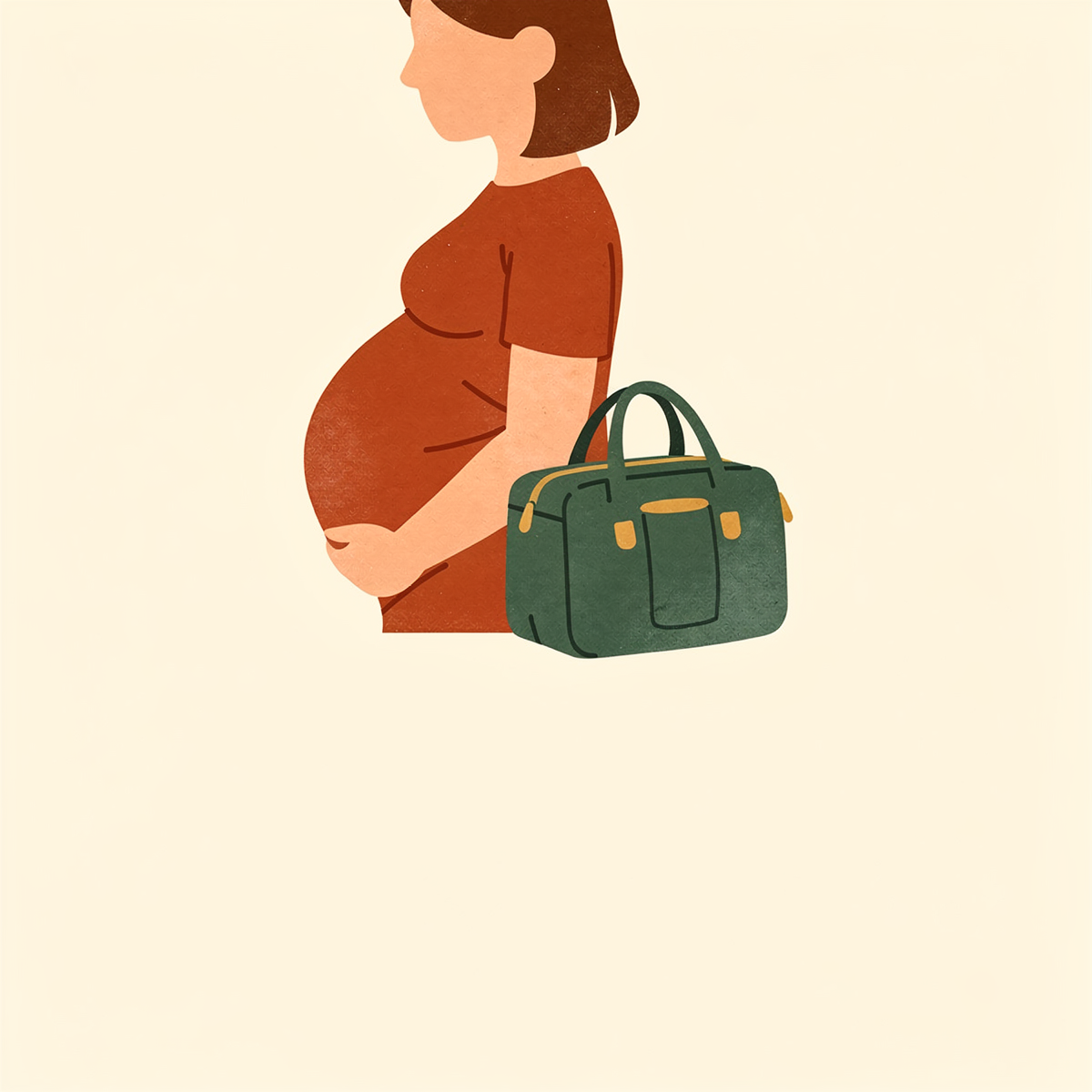
Hospital bag checklists online tend to have 50-plus items on them, which makes packing feel like a bigger job than it is. The NHS's own guidance is shorter and more useful — here's what it actually recommends, plus a few honest additions from what real labour wards ask for.
When to pack it
The NHS suggests having your bag ready from around 36 weeks, so you're not packing mid-contraction if your baby arrives early. Keep it somewhere accessible, and make sure whoever's driving you knows where it is too.
For you, during labour
- Loose, comfortable clothing to labour in
- A dressing gown and slippers or flip-flops (hospital floors, hospital corridors)
- Your birth plan and hospital notes/maternity notes
- A fully charged phone and charger, plus a portable battery if you have one — wards are notoriously short on plug sockets
- Snacks and a water bottle — labour can take a long time and hospital food service doesn't run to your schedule
- Hair ties, lip balm — small comfort items that matter more than you'd expect
For you, after the birth
- Nightwear — front-opening or loose-fitting if you're planning to breastfeed
- 2–3 comfortable bras, including nursing bras if breastfeeding
- 5–6 pairs of comfortable (or disposable) knickers — post-birth bleeding is heavier than a period, disposable ones are genuinely worth it
- Maternity pads (super-absorbent, for the heavier bleeding after birth) — not tampons or menstrual cups, which the NHS advises against for the first 6 weeks due to infection risk
- 3 changes of comfortable going-home clothes — your body won't be back to pre-pregnancy size immediately, pack for where you are at 40 weeks, not before
- Toiletries: toothbrush, flannel, soap, deodorant
For your baby
- At least 3 each of: vests, sleepsuits, cardigans
- A hat and mittens (scratch mitts if it's cold, or your baby has long nails)
- An all-in-one snowsuit if the weather's cold for the trip home
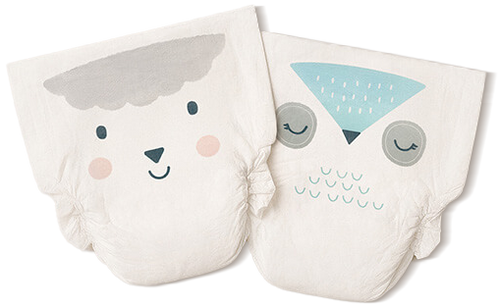
- Nappies and wipes — hospitals sometimes provide the first few, but don't rely on it
- An infant car seat, correctly fitted, before you leave for hospital — you cannot legally drive your baby home without one, and hospital staff will often check before discharge
What's genuinely optional (despite what other checklists say)
You don't need a going-home outfit that's different from your everyday newborn clothes. You don't need a full toiletry bag's worth of makeup. You don't need pre-sterilised bottles unless you already know you're formula feeding from day one — if you're planning to breastfeed, hospital staff will support that first and you can sterilise equipment at home later if things change (the NHS recommends sterilising all feeding equipment until your baby is 12 months old, whenever you do start).
One thing worth packing that's easy to forget
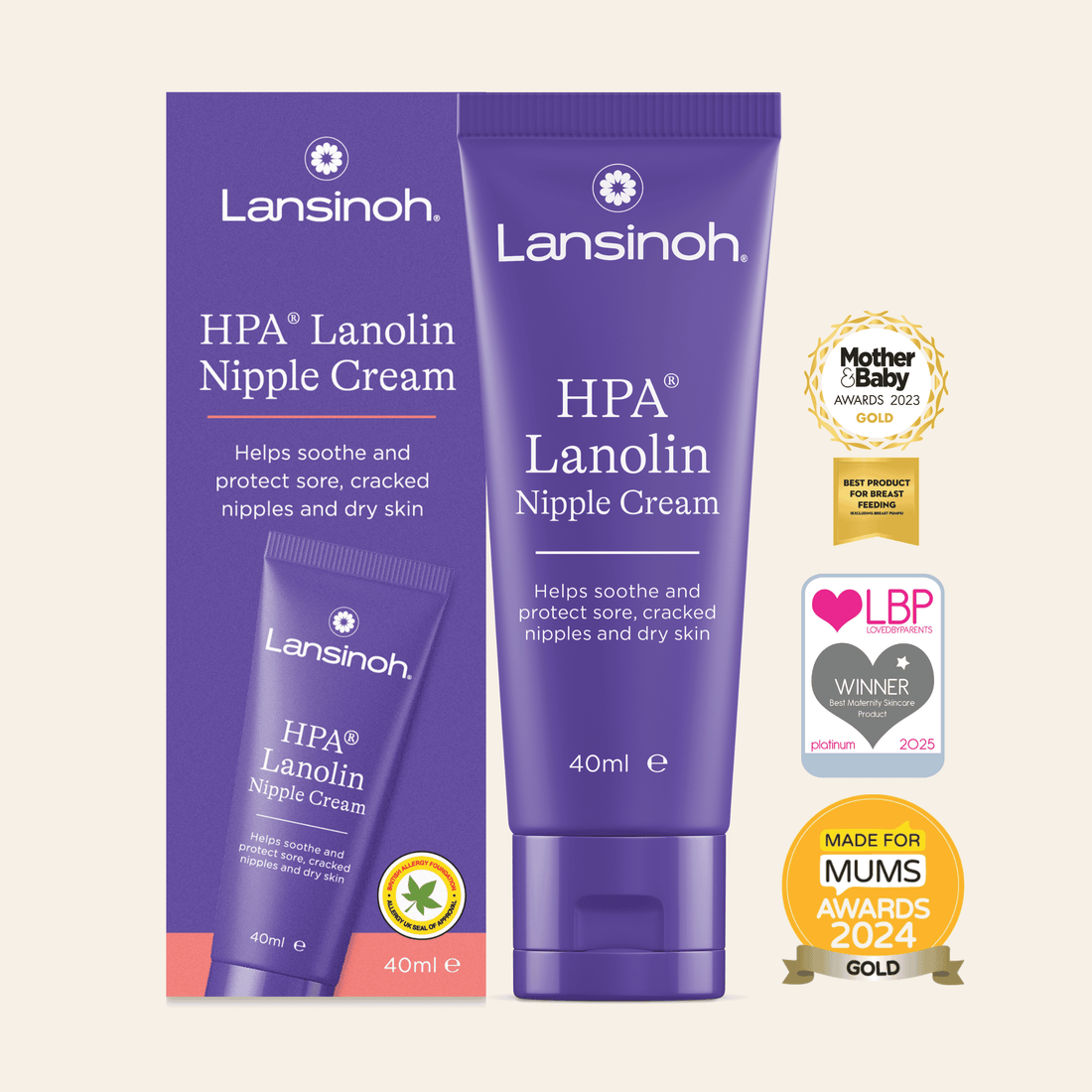
A nipple cream or balm, packed and ready from the start, even if you're not sure yet whether breastfeeding will go smoothly. Early feeding soreness is extremely common in the first days regardless of technique, and having something on hand from hour one beats a 2am chemist run.
Mentioned in this guide
Frequently asked questions
How early should I pack my hospital bag?+
The NHS suggests having it ready by around 36 weeks, in case your baby arrives before your due date. It's fine to add last-minute items (like a phone charger) right before you leave.
Do I really need a car seat before I go to hospital?+
Yes — you cannot legally drive your baby home without a correctly fitted infant car seat, and many hospitals check this before discharge. Fit and test it before labour starts, not on the way to hospital.
Can I use regular sanitary towels instead of maternity pads?+
No — post-birth bleeding (lochia) is heavier than a period and maternity pads are designed with the extra absorbency and comfort this needs. Pack more than you think you'll need.
What should I pack for going home if I don't know my due-date weight yet?+
Pack going-home clothes based on how you look at 40 weeks pregnant, not your pre-pregnancy size — your body doesn't shrink back immediately after birth, and snug clothing packed too optimistically is a common regret.
Does the hospital provide nappies and wipes?+
Some do provide a small supply for the first feed or two, but it's not guaranteed and varies by hospital — pack your own rather than relying on it.
Sources
Related guides
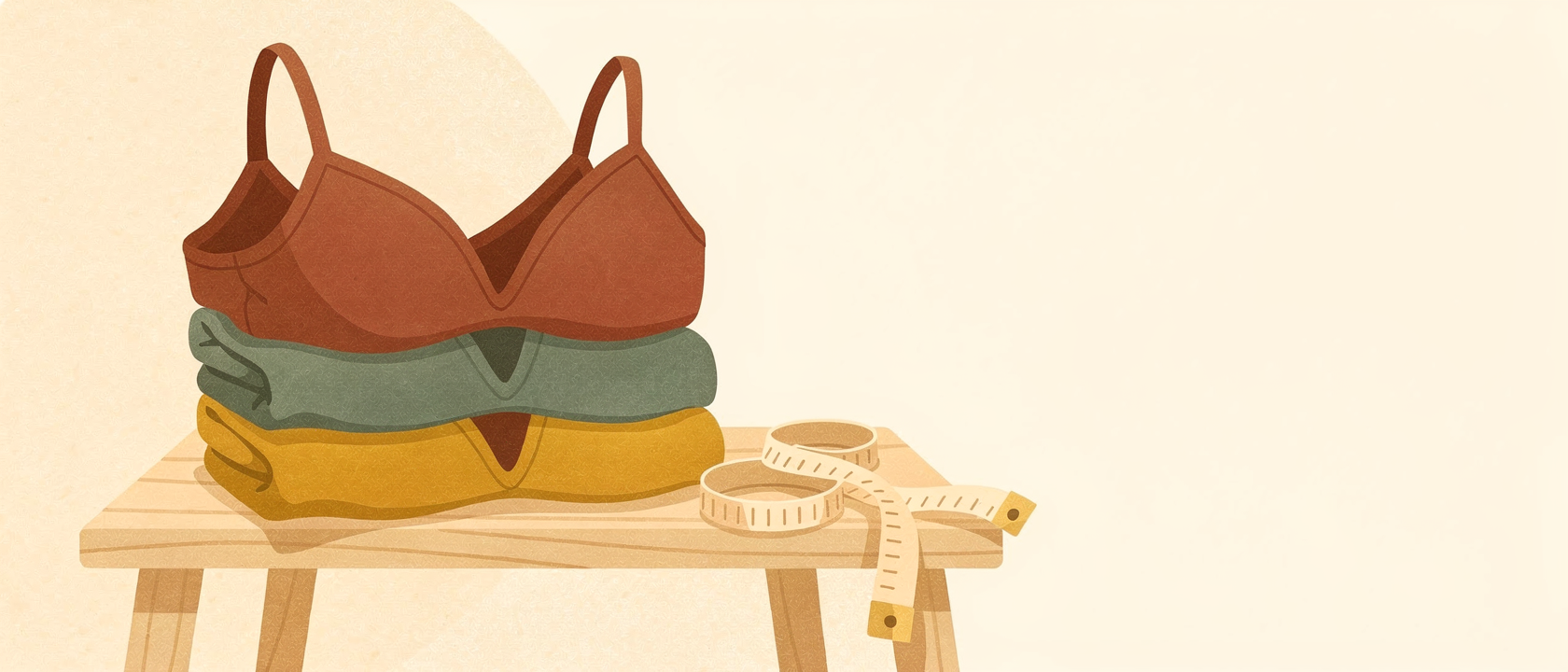
Best Maternity & Nursing Bras Compared (UK Guide)
Six maternity and nursing bras compared for UK parents, from a £20 two-pack to extended sizing up to a K cup, with NHS advice on tight bras and what to buy before and after birth.
RSV Vaccine in Pregnancy: NHS Guidance for Winter Babies
The NHS offers the RSV vaccine from 28 weeks of pregnancy to pass protection to your baby before birth. Here's who it's for, when to get it, and the bronchiolitis warning signs to know once your baby arrives.
Building a Baby Registry: What to Put on It, Stage by Stage
Most baby registries are built as one long list, front-loaded with items you won't need until month six. Splitting it by stage — hospital bag, first weeks, first months, first year — means you spend on what matters when it matters, and you don't end up storing a highchair before the cot's even up.

Written by
Sepehr
Software engineer, soon-to-be dad, uncle to four — the tech-obsessed half of the two of us testing this stuff. Currently building this site with my wife, ahead of our own baby arriving.