Statutory Maternity Pay 2026/27: Rates & How to Claim
Statutory Maternity Pay pays 90% of earnings for six weeks, then £194.32 a week or 90% if lower, for up to 39 weeks. Here is who qualifies, the notice deadlines, Maternity Allowance if you can't get SMP, Child Benefit and a simple leave budget.
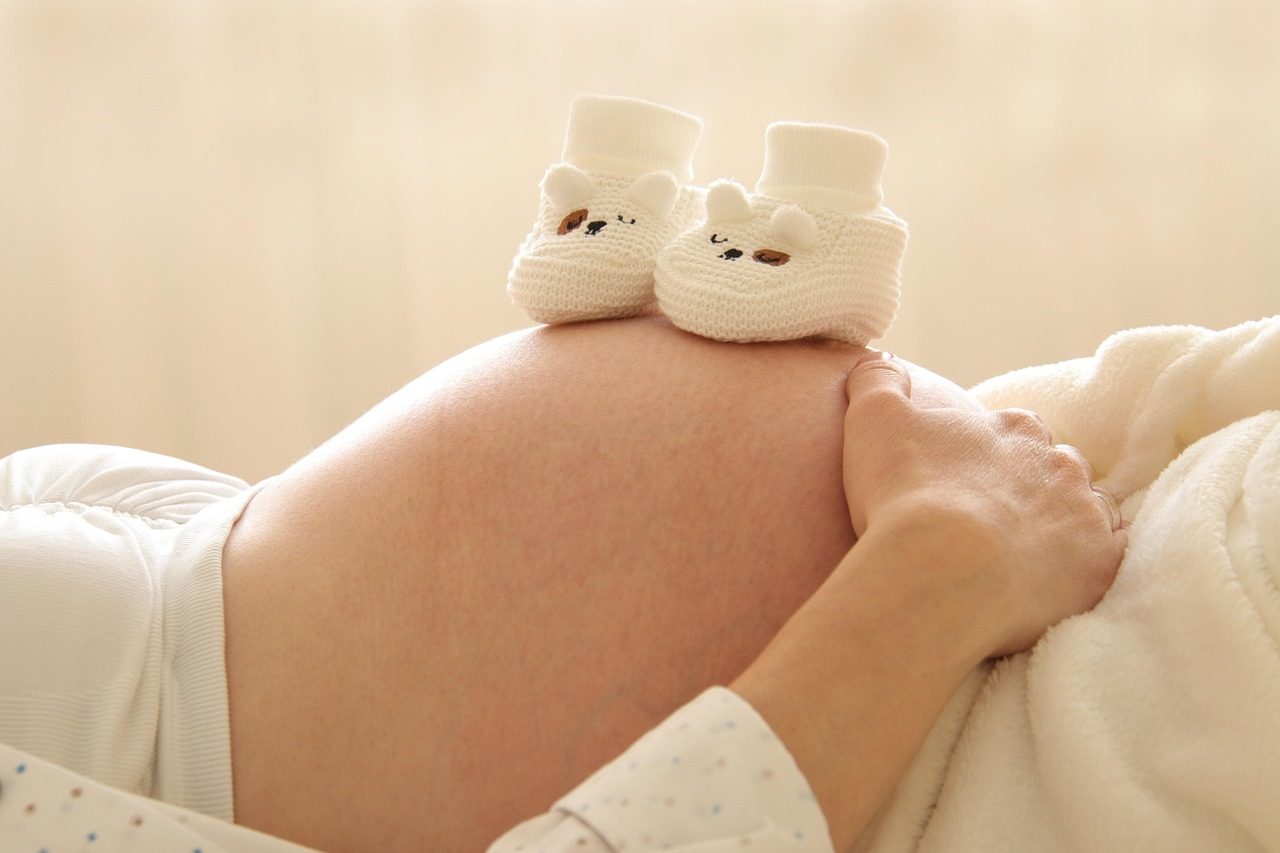
Statutory Maternity Pay (SMP) is paid for up to 39 weeks: 90% of your average weekly earnings for six weeks, then the lower of £194.32 or 90% of earnings for 33 weeks. If you can't get SMP, Maternity Allowance may apply.
How much is Statutory Maternity Pay?
According to gov.uk, SMP is paid for up to 39 weeks. The first six weeks are paid at 90% of your average weekly earnings before tax, with no cap. For the remaining 33 weeks you get £194.32 a week or 90% of your average weekly earnings, whichever is lower. Tax and National Insurance are deducted, and it is paid like your normal wages, weekly or monthly.
If you take the full 52 weeks of statutory maternity leave, the final 13 weeks are unpaid. Your employer may offer an enhanced scheme that pays more, so check your contract or staff handbook before you assume you only get the statutory minimum. An employer cannot pay less than the statutory amount.
| Period | What you get | Example on £2,400 a month gross |
|---|---|---|
| Weeks 1–6 | 90% of average weekly earnings | Roughly £499 a week (90% of about £554) |
| Weeks 7–39 | Lower of £194.32 or 90% of earnings | £194.32 a week |
| Weeks 40–52 | Unpaid (if you take full leave) | £0 |
The example is an illustration worked from the gov.uk formula, not a payslip: your own figure depends on your average weekly earnings in the relevant weeks, and tax is deducted. The headline is the same for almost everyone: after week six, income falls to a flat rate that is well below most take-home pay, so plan for that step down months before the baby arrives.
Who qualifies for SMP?
Gov.uk sets out three tests. You must have worked for your employer for at least 26 weeks continuously into the qualifying week, which is the 15th week before the expected week of childbirth. Your average weekly earnings must be at least £129. And you must give the correct notice with proof that you are pregnant.
That 26-week rule is about the same employer, so a job change in early pregnancy can cost you SMP even if you have worked for years elsewhere. If that applies to you, look at Maternity Allowance below rather than assuming you get nothing. Agency workers, zero-hours workers and people with several jobs can also have a more complicated position, so ask your employer's payroll team early rather than waiting for the first payslip.
What if you can't get SMP? Maternity Allowance
Maternity Allowance is for people who are employed but cannot get SMP, are self-employed, have recently stopped working, or do unpaid work for a spouse's or civil partner's business. It is paid for up to 39 weeks, every two or four weeks, and you can apply once you are 26 weeks pregnant. Payments can start from the 11th week before your baby is due.
- Employed but not eligible for SMP, or recently stopped working: £194.32 a week or 90% of average weekly earnings, whichever is less.
- Self-employed: between £27 and £194.32 a week, depending on Class 2 National Insurance contributions in the 66 weeks before the due date. For the top rate you need to have been registered with HMRC for at least 26 weeks of that period and paid Class 2 contributions for at least 13 of the 66 weeks.
- Unpaid work in a spouse's or civil partner's business: £27 a week for up to 14 weeks.
If your contributions fall short, gov.uk says you can pay additional Class 2 National Insurance contributions after applying, currently £3.65 a week, to raise the amount. Use the government maternity entitlement calculator to work out your own figure rather than guessing.
The deadlines that catch people out
Missing a date is the most avoidable way to lose money. These are the ones to put in your diary.
- By the 15th week before your due date (about 25 weeks pregnant): tell your employer you are pregnant, your due date and when you want leave to start. They can ask for this in writing, and must confirm your leave dates in writing within 28 days.
- At least 28 days before you want SMP to start: give your employer notice, plus proof of pregnancy. They must confirm within 28 days how much SMP you will get and when it starts and stops.
- Proof of pregnancy: a letter from your doctor or midwife, or your MATB1 certificate. Midwives and doctors give the MATB1 no more than 20 weeks before the due date. You need to hand it over within 21 days of your SMP start date, or as soon as possible if the baby comes early.
- From 26 weeks pregnant: apply for Maternity Allowance if you are not eligible for SMP.
SMP also starts automatically if you are off work with a pregnancy-related illness in the four weeks before the week your baby is due. Our guide to telling your employer you're pregnant covers timing, time off for antenatal appointments and your protection from unfair treatment.
Paternity pay and your partner's rights
Statutory paternity pay is also £194.32 a week, or 90% of average weekly earnings if that is lower, paid like wages with tax and National Insurance deducted. To change the start date of a block of paid leave, gov.uk says you must give 28 days' notice before it begins. As with maternity pay, employers can run schemes that pay more but never less. If your partner is eligible, agree on their dates early so that both sets of notice periods are met and your household income plan reflects two reduced incomes at different points.
Child Benefit: claim it straight away
Child Benefit is separate from maternity pay and is not affected by whether you get SMP. Gov.uk lists the current rates as £27.05 a week for your eldest or only child and £17.90 a week for each additional child. It is worth claiming even if you earn a high income: if either parent's individual income is £20,000 or more above the High Income Child Benefit Charge threshold, the charge equals the full benefit, but you can still register, which protects your National Insurance record while you are at home. Use the gov.uk Child Benefit tax calculator to see where you stand.
A simple budget for maternity leave
The step down after week six is the number to plan around. A sensible approach is to work it out in three passes.
- Find your baseline: add up rent or mortgage, council tax, utilities, food, travel and debt payments. These continue regardless of leave.
- Map your income by period: weeks 1–6 at 90%, then £194.32 a week or 90% if lower, plus Child Benefit, any employer enhancement and partner income. Convert weekly figures to monthly by multiplying by 52 and dividing by 12.
- Close the gap: savings, reduced commuting costs, a partner's leave, annual leave taken before or after, and cutting spending you have already pinned down as optional.
Baby costs are the part you control most. Many parents overspend on kit they use for weeks, so use our list of baby gear you don't actually need before you buy, build your shortlist in My Registry so friends and family can cover bigger items, and work through the baby checklist to see what you really need by stage. Checking what to pack in your hospital bag in advance also avoids expensive last-minute purchases.
Common mistakes to avoid
- Assuming SMP is 90% for the whole leave. It is 90% only for the first six weeks.
- Changing jobs in early pregnancy without checking the 26-week rule, which can move you from SMP to Maternity Allowance.
- Leaving proof of pregnancy until the last minute. Ask your midwife for the MATB1 once you are within the 20-week window.
- Not asking about enhanced pay. Many employers pay more than the statutory minimum, sometimes with conditions such as returning to work for a set period.
- Forgetting Child Benefit, which can be claimed as soon as the baby is born.
When to get advice
If your employer disputes your eligibility, miscalculates your pay or treats you unfairly because you are pregnant, get independent help early. Acas, Citizens Advice and the gov.uk calculators are good starting points, and a union rep can often check your payslip against the rules. Rates and thresholds are uprated each April, so always check the gov.uk page before you finalise a budget; the figures here are those shown on gov.uk when this guide was written.
Frequently asked questions
How much is Statutory Maternity Pay a week?+
For the first six weeks SMP is 90% of your average weekly earnings before tax. For the next 33 weeks it is £194.32 a week or 90% of your average weekly earnings, whichever is lower, according to gov.uk. SMP is paid for up to 39 weeks in total, and tax and National Insurance are deducted. If you take the full 52 weeks of maternity leave, the final 13 weeks are unpaid. Many employers offer enhanced maternity pay, so check your contract: they can pay more than the statutory minimum but never less.
Can I get SMP if I have been in my job less than 26 weeks?+
Probably not. Gov.uk says you need 26 weeks of continuous employment with your employer running into the qualifying week, which is the 15th week before your expected week of childbirth, and average weekly earnings of at least £129. If you do not meet those tests you may still qualify for Maternity Allowance, which pays up to £194.32 a week for up to 39 weeks to people who are employed but not eligible for SMP, are self-employed or recently stopped working. You can apply once you are 26 weeks pregnant.
When do I have to tell my employer I'm pregnant to get maternity pay?+
Gov.uk says you must tell your employer at least 15 weeks before your due date, giving the due date and when you want leave to start. For SMP you must also give at least 28 days' notice before the day you want it to start, with proof of pregnancy such as a letter from your doctor or midwife or a MATB1 certificate. Your employer must confirm your leave dates within 28 days and tell you how much SMP you will get. Giving notice earlier is always safer than leaving it to the deadline.
What is Maternity Allowance and how much do you get?+
Maternity Allowance is a payment for people who cannot get Statutory Maternity Pay, including many self-employed people. Gov.uk says it can be paid for up to 39 weeks. Employed people not eligible for SMP get £194.32 a week or 90% of average weekly earnings, whichever is less. Self-employed people get between £27 and £194.32 a week depending on their Class 2 National Insurance record in the 66 weeks before the due date. It is paid every two or four weeks, and you can apply from 26 weeks pregnant.
Sources
Related guides

Best Maternity Clothes Compared (UK Guide)
Six maternity clothes compared for UK parents, from £16.99 nursing-friendly dresses to a £179 tailored blazer, with how to choose over-bump or under-bump, NHS advice on tight bras and shoes, and a sample budget.
Flu and Whooping Cough Vaccines in Pregnancy: NHS Guide
The NHS offers pregnant women the flu jab from September at any stage and the whooping cough vaccine from 16 weeks, ideally before 32. Here's when to book each, why they protect your baby and what to do if you miss them.

Maternity Bra Sizing: When to Get Refitted Each Trimester
Most women change bra size at least twice during pregnancy, and the bra that fit at 12 weeks is very unlikely to still fit at 32. Here's what's actually changing in your breasts and ribcage each trimester, when to get professionally refitted, and how to tell a bra has stopped doing its job before it starts causing you discomfort.

Written by
Sepehr
Software engineer, soon-to-be dad, uncle to four — the tech-obsessed half of the two of us testing this stuff. Currently building this site with my wife, ahead of our own baby arriving.