Best Maternity Clothes Compared (UK Guide)
Six maternity clothes compared for UK parents, from £16.99 nursing-friendly dresses to a £179 tailored blazer, with how to choose over-bump or under-bump, NHS advice on tight bras and shoes, and a sample budget.
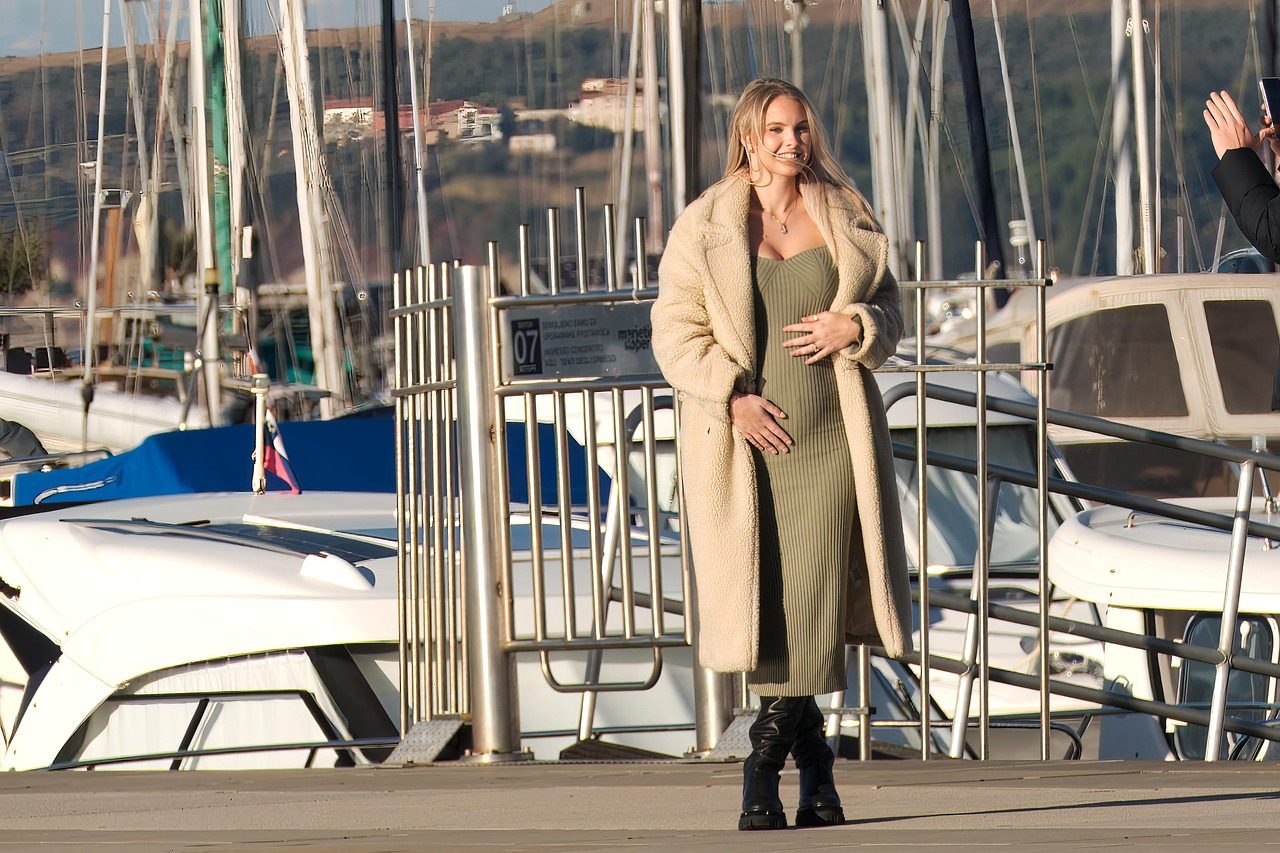
The best maternity clothes for most people are over-bump leggings, one versatile wrap dress and a couple of nursing-friendly tops, with smart pieces only if your job needs them. We compared six UK options from £16.99 to £179. Our value pick is the JoJo Maman Bébé leggings; we have not worn or tested any of them ourselves.
The six maternity pieces at a glance
These are the six items in our maternity wear roundup. Prices are the figures on our product pages and can change, so check the retailer before you buy. Specs come from manufacturer and retailer listings, not our own testing.
| Piece | Price | Type | Sizes (as listed) | Best for |
|---|---|---|---|---|
| 2in1 Pregnancy and Nursing Skater Dress (Purpless Maternity) | £16.99 | Stretch-jersey dress, nursing access | UK 6–20 | One dress through pregnancy and feeding |
| Maternity High-Waisted Leggings (JoJo Maman Bébé) | £22 | Over-bump leggings | Standard UK sizing, stretch fit | Everyday wear |
| Maternity Baby Bump Skinny Jeans (Levi Strauss & Co.) | £28 | Under-bump stretch jeans | UK 8–20 | A denim look at work or out |
| 2in1 Pregnancy and Nursing Long Sleeve Top (Purpless Maternity) | £33.99 | Double-layer nursing top | UK 8–18 | Layering, then feeding |
| Grayson Maternity Dress (Isabella Oliver) | £129 | Ruched midi dress | Not listed | Weddings and events |
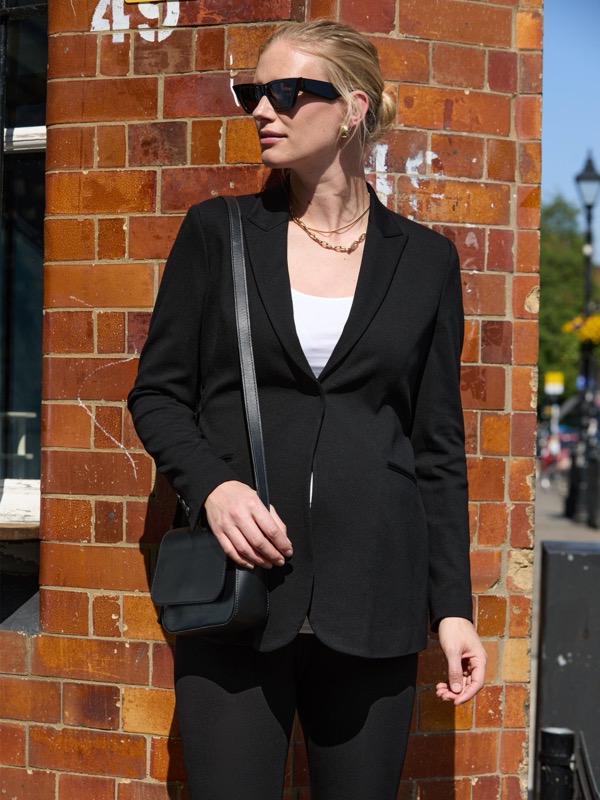
| Lisbeth Maternity Blazer (Isabella Oliver) | £179 | Tailored blazer | UK 8–14 | Smart workwear |
You can browse the full set on our best maternity wear page, and our maternity capsule wardrobe guide explains how many pieces you need in total.
How to choose: five things that matter more than the brand
1. Over-bump or under-bump
Over-bump panels cover the belly with soft stretch fabric, so they stay put and feel supportive, which is why leggings in this style tend to become the most worn item. Under-bump bands sit below the bump and rely on stretch denim for room. They look more like ordinary jeans, but they can slip in the early weeks before the bump holds them up. If you are choosing one pair, over-bump is the lower-risk option; if you want jeans for work, try the under-bump style in a shop or buy where returns are easy.
2. How long you will actually wear it
Most people wear maternity clothes for roughly five to six months, so cost per wear matters. A £22 pair of leggings worn most days for four months costs pennies a wear. A £129 dress worn to two events costs far more per wear, although it may hold resale value. Pieces that also work after birth, such as nursing tops and wrap dresses, stretch your budget furthest.
3. Nursing access
If you plan to breastfeed, a top or dress with nursing access means one purchase covers two stages. Look for double-layer fronts or wrap openings that let you feed without lifting everything up. Pair them with bras that are not tight: the NHS advises avoiding tight clothes or bras while breastfeeding so milk can flow freely, and lists pressure on the breast as something that can contribute to a blocked duct. Our guide to maternity and nursing bras covers that side of the wardrobe, and our bra-sizing guide explains when to get refitted.
4. Fabric and washing
Stretch jersey and cotton-elastane blends are forgiving as the bump grows and wash easily at 30–40°C. Jersey does show wear with frequent washing, so if a piece will be your daily uniform, buy two. Natural or breathable fibres are worth prioritising if you run warm.
5. Shoes and swelling
Clothes are only half of comfort. The NHS recommends flat shoes to distribute your weight evenly if you have back pain in pregnancy, and for swollen feet suggests comfortable shoes and socks while avoiding tight straps or anything that might pinch. The same NHS page says to contact your midwife, GP or labour ward straight away about a sudden increase in swelling in your face, hands or feet, because it can be a sign of pre-eclampsia. Do not put that down to your clothes feeling tight.
The six pieces in more detail
JoJo Maman Bébé maternity leggings (£22)
These are the sensible starting point. The listing describes soft, stretchy over-bump leggings in a cotton-elastane blend, machine washable and suited from early pregnancy to full term. Pros: good value, holds shape through repeated washing according to the product information, wide wearability. Cons: casual styling only and no structural back support beyond comfort. Buy two if you work from home.
Purpless Maternity 2in1 skater dress (£16.99)
Listed as a stretch-jersey wrap-front dress that works across all three trimesters and opens for nursing, in UK 6–20. At £16.99 it is the cheapest dress in the group, with the trade-off that jersey wears with repeated washing and the colour range is limited. Our product page lists it under the Seraphine slug, so check the retailer listing for the exact brand and fabric before ordering.
Levi Strauss & Co. under-bump skinny jeans (£28)
Stretch denim with a wide soft band that sits under the bump, UK 8–20, machine washable at 30°C. They look more structured than leggings, which suits offices with a dress code. Expect fit to vary: they can slip early on and offer less stretch than leggings in the third trimester.
Purpless Maternity 2in1 nursing top (£33.99)
A long-sleeve jersey top with a double-layer front, UK 8–18, aimed at wearing through pregnancy and then nursing. It is a basic that works well layered under a cardigan. The size range stops at an 18, so larger sizes may need another brand.
Isabella Oliver Grayson dress (£129)
A midi dress with a ruched, adjustable waist panel in a stretch jersey made from eco-friendly fabric, described as suited to the second and third trimesters. It drapes better than budget jersey and suits weddings or photos. It is expensive as an everyday item, so treat it as an occasion piece. Note that the verdict text on our product page quotes a lower price than the £129 label, so confirm the current price at the retailer.
Isabella Oliver Lisbeth blazer (£179)
The odd one out: a tailored, single-breasted blazer with adjustable side ties and a cropped sleeve, in UK 8–14, machine washable at 30°C with hand washing recommended. It is the most expensive item here and has less give than jersey if your bump grows fast, but it is the only smart layer in the set and it still works as a blazer after the bump has gone. Worth it only if you regularly need tailored workwear; our guide on telling your employer you are pregnant may help you plan around your working pattern.
A sample budget for a UK pregnancy wardrobe
| Budget | What to buy | Approx. cost |
|---|---|---|
| Essentials | 2 pairs of leggings, 1 jersey dress, 2 nursing tops | £120–£140 |
| Work-ready | Essentials, plus 1 pair of jeans | £150–£170 |
| Occasion extras | One dress or blazer for an event or smart work | £130–£180 on top |
These totals are our own sums from the listed prices and will move with sales. Black Friday and January sales are good times to pick up the pricier items, as long as you buy from the retailer rather than an unknown marketplace seller.
What to buy and when: a trimester timeline
| Stage | What usually helps | Which of these fits |
|---|---|---|
| First trimester | Nothing new for most people; stretchy waistbands and loose tops you own already | Leggings, if your usual waistbands already feel tight |
| Second trimester | Over-bump leggings, jeans or a wrap dress as the bump becomes visible | JoJo leggings, jeans, the £16.99 dress |
| Third trimester | Maximum stretch, adjustable ties, easy-to-wash layers and flat shoes | Leggings, wrap dress, Grayson dress for events |
| After the birth | Nursing tops and wrap dresses you can feed in; loose waistbands while you recover | Nursing top, wrap dress, leggings |
Because you will wear most of these pieces over several months, it helps to decide which stage each purchase is for before you click buy. A piece described as suitable for the second and third trimesters will not cover your first twelve weeks, and a piece that opens for nursing will earn its cost again after the birth.
Questions to ask before you order
- Is it machine washable at a temperature you can manage, and does the fabric hold its shape?
- Does the size range include your pre-pregnancy size, or the size you expect to be in by 36 weeks? Listed ranges differ: the nursing top stops at UK 18, the blazer at UK 14.
- Can you return it free of charge if the fit is wrong once the bump changes?
- If it is a nursing piece, can you open it one-handed, and is it still comfortable without a tight bra?
- Will you wear it twice a week or twice in total? Spend more only on the pieces you will actually wear often.
Common mistakes to avoid
- Buying too early. Many people can wear stretchy non-maternity clothes well into the second trimester, so wait until your usual waistbands pinch.
- Buying for one trimester only. Check whether a piece works across stages, or is clearly a third-trimester item.
- Ignoring the season. A due date in winter means layers and a coat that closes over the bump or is worn open; a summer due date means breathable fabrics.
- Skipping returns policies. Fit changes week to week, so buy where you can return easily.
- Forgetting the hospital bag. Pack nursing-friendly pieces and a loose dress; our hospital bag checklist and personal checklist help you track this.
When to buy second-hand or borrow
Maternity clothes have a short working life, so second-hand and borrowing make sense for the occasion pieces especially. Check that waistbands still have their stretch and that nursing openings still work and fasten. Unlike car seats or cot mattresses, clothing carries no safety-standard concern when pre-owned, so it is one of the safest places to save money.
Our verdict
Start with the leggings and one nursing-friendly dress or top, add jeans only if you want them, and keep the £129–£179 pieces for a defined need such as a wedding or a smart job. That plan keeps a pregnancy wardrobe at roughly £120–£170 rather than a full new wardrobe.
Mentioned in this guide
Frequently asked questions
What maternity clothes do I actually need?+
Most people need very few. A realistic starter set is two pairs of leggings or jeans, one or two dresses and two or three tops, plus properly fitting bras. Stretchy non-maternity clothes often work into the second trimester, so wait until your waistbands start to pinch before buying. If you plan to breastfeed, choose tops and dresses with nursing access so they work after the birth as well. Add a smart piece only if your job needs one, and borrow or buy second-hand for occasion wear, since you will probably wear maternity clothes for only five to six months.
Are over-bump or under-bump maternity jeans better?+
Neither is better for everyone. Over-bump panels cover the belly with soft stretch fabric and tend to feel more supportive, so many people find them easier in the third trimester. Under-bump bands sit below the bump and look more like regular jeans, but they can slip down in the early weeks before the bump holds them in place and usually give less stretch late in pregnancy. If you can only afford one pair, over-bump is the lower-risk choice. If you want an under-bump style, buy where returns are easy so you can check the fit.
When should I start wearing maternity clothes?+
There is no fixed week. Many people move into maternity clothing between about 12 and 20 weeks, depending on body shape, whether it is a first pregnancy and what they wore before. Leggings, loose jersey dresses and long tops you already own can bridge the gap. Buy maternity pieces when your usual waistbands feel uncomfortable rather than at a set date, because buying too early is the most common way to overspend. Fit changes quickly, so favour pieces with stretch panels, wrap fronts or adjustable ties.
What shoes should I wear in pregnancy?+
The NHS advises wearing flat shoes to distribute your weight evenly if you have back pain in pregnancy. For swollen feet, it suggests comfortable shoes and socks and avoiding tight straps or anything that might pinch. Contact your midwife, GP or labour ward straight away if you notice a sudden increase in swelling in your face, hands or feet, because the NHS says this can be a sign of pre-eclampsia. Do not assume tight shoes or clothes are the cause.
Sources
Related guides
Statutory Maternity Pay 2026/27: Rates & How to Claim
Statutory Maternity Pay pays 90% of earnings for six weeks, then £194.32 a week or 90% if lower, for up to 39 weeks. Here is who qualifies, the notice deadlines, Maternity Allowance if you can't get SMP, Child Benefit and a simple leave budget.
Flu and Whooping Cough Vaccines in Pregnancy: NHS Guide
The NHS offers pregnant women the flu jab from September at any stage and the whooping cough vaccine from 16 weeks, ideally before 32. Here's when to book each, why they protect your baby and what to do if you miss them.
Maternity Bra Sizing: When to Get Refitted Each Trimester
Most women change bra size at least twice during pregnancy, and the bra that fit at 12 weeks is very unlikely to still fit at 32. Here's what's actually changing in your breasts and ribcage each trimester, when to get professionally refitted, and how to tell a bra has stopped doing its job before it starts causing you discomfort.

Written by
Sepehr
Software engineer, soon-to-be dad, uncle to four — the tech-obsessed half of the two of us testing this stuff. Currently building this site with my wife, ahead of our own baby arriving.