Water Beads Safety: OPSS Warning for Babies & Toddlers
Water beads swell to over 400 times their size and can cause gut blockages or choking. Here is what the OPSS product safety alert says, the delayed symptoms to watch for and what to do if your baby or toddler swallows one.
Water beads are not safe for babies or toddlers. The Office for Product Safety and Standards (OPSS) says to keep them away from children under 5, because a swallowed bead can swell and cause a gut blockage needing surgery, or block the airway. Avoid having them in the home.
This guide explains what water beads are, why the risk is so hard to spot, and what the government's product safety alert advises. It is based on the OPSS alert on GOV.UK, which is our source for every safety point below.
What are water beads?
Water beads (also sold as water gel beads, gel balls, orbeez-style beads or "sensory beads") are tiny superabsorbent polymer balls. They are sold as sensory toys, décor for vases and craft or classroom kits. Dry, they can be only a few millimetres across, about the size of a seed or a small pea. In water they swell dramatically.
According to the OPSS product safety alert, dehydrated beads can "expand to over 400 times" their size on contact with liquid.
Why are water beads dangerous for babies and toddlers?
The OPSS alert identifies two serious harms:
- Gastrointestinal blockage. A bead swallowed dry can absorb fluid and grow in the gut, causing a blockage that may need surgery to remove.
- Asphyxiation (choking). A bead that lodges in the throat or airway, especially once swelling, can block breathing.
Babies and toddlers explore by putting things in their mouths, and beads are small, colourful and squishy, which makes them especially tempting. OPSS notes that water beads have been linked to child deaths overseas and serious harm to children in the UK.
What does the OPSS advise?
The government alert gives these points:
- Keep water beads away from children under 5.
- Older children should only use them under close adult supervision.
- Store them out of sight and reach of children.
- If you care for young children, avoid having water beads in your home or classroom, even if they are intended for an older child.
The last point matters for families with an older sibling. A toy that is fine for a seven-year-old with supervision can still end up within a crawling baby's reach. Our room-by-room baby-proofing guide covers how to think about what sits at floor level, and the same logic applies to craft supplies.
Spotting the signs after a bead is swallowed
This is the part that catches parents out. OPSS warns that a child may only show symptoms hours, or even a day or more, after swallowing a bead. Watch for:
- Vomiting
- Stomach pain
The alert also says swallowed beads can be very difficult to detect and do not show up on an X-ray. Because of that, tell medical staff you suspect a water bead, and take a sample of the product with you if you can.
Signs of choking
OPSS lists the signs of choking as difficulty breathing, speaking or crying, a child pointing at their throat or grasping their neck, or a face that turns pale and blue-tinted. That is an emergency: call 999. The NHS also publishes step-by-step first aid for choking babies and children, and our baby first aid kit guide is a good prompt to learn it before you need it.
What to do if your child swallows a water bead
OPSS's advice is to seek immediate medical attention if you suspect a bead has been swallowed, even if your child seems fine. Do not wait for symptoms to appear, given that they can be delayed. If your child is struggling to breathe, call 999.
If older children do use them
The OPSS alert says older children should use water beads only with close adult supervision. For families who decide to keep them in the house, for example for a school-age child with no babies or toddlers around, the alert's practical advice is to limit how many beads are out at any one time, check the play area afterwards for stray beads, and make sure none have been swallowed. It also flags that some vulnerable people, including those with special educational needs and disabilities, may be more likely to put objects in their mouths, so extra care applies in those households and settings.
Beads have a habit of escaping: they bounce, roll under furniture and can be missed on carpet or in a vase of decoration. A crawling baby finds them first. That is why the OPSS advice for anyone caring for under-5s is to avoid having them at all, rather than relying on tidy-up routines.
What the law expects of sellers
The alert tells businesses to place water beads on the market only if they meet product safety requirements, to make sure what they make, import or sell does not endanger children, and to include clear warnings where there is a swallowing or choking risk. It notes that the toy safety standard EN71 sets a maximum expansion limit that water beads must not exceed. As a buyer you cannot see the expansion rate from a listing, which is why a marketplace page or a label alone is not reassurance. Trading Standards teams have been asked to tell local businesses and to check importers and distributors.
What to tell medical staff
Because swallowed beads do not show up on an X-ray, the details you give matter. Say clearly that you suspect a water bead, roughly when it happened, and what your child has done since (vomiting, pain, refusing food). Take a sample or the packaging if you can, as the alert advises. If your child is struggling to breathe, speak, or cry, or has gone pale or blue, call 999 straight away. For a choking baby under one, the NHS describes up to five back blows then up to five chest thrusts; for a child over one, up to five back blows then abdominal thrusts, repeating the cycle until the object comes out or help arrives. Get medical help even if the object comes out.
How to check toys and craft items in your home
- Look for water beads in sensory kits, vase fillers and craft sets, including anything from older siblings, relatives' houses or a party bag.
- Check the age label, but do not rely on it. OPSS has published safety reports and recalls for water bead products sold online, including through marketplaces, so a listing is not proof a product is safe. See our toy safety standards explainer for what markings do and do not tell you.
- Store or remove them. Keep any you decide to keep in a sealed container out of sight and reach.
- Ask about them elsewhere. Childminders, nurseries and relatives may not know the alert exists.
- Dispose of them carefully. Follow the OPSS guidance and product instructions rather than washing them down the sink.
Safer sensory play for under-5s
Babies and toddlers still love sensory play. Simple options that avoid this particular hazard include supervised water play with cups and spoons, cardboard boxes and scrunchy paper, and toys made for their age group and marked with UKCA or CE. Even then, small parts remain a choking risk, so stay within arm's reach. Our guide to baby gyms and play mats is a good place to start for age-appropriate options.
The bottom line
For households with a baby or toddler, the OPSS position is clear: keep water beads out of the home, or at minimum locked away and well out of reach. If you suspect one has been swallowed, seek medical help straight away and do not wait for symptoms.
Related guides
Frequently asked questions
Are water beads safe for toddlers?+
No. The OPSS product safety alert says water beads should be kept away from children under 5, and that anyone caring for young children should avoid having them in the home at all, even if they are intended for an older child. The alert identifies two serious harms: a gut blockage that may need surgery, because a swallowed bead can absorb fluid and grow in the gut, and choking if a bead lodges in the throat or airway. Dehydrated beads can expand to over 400 times their size on contact with liquid.
What happens if a child swallows a water bead?+
The OPSS says a swallowed bead can cause a gut blockage needing surgery. Symptoms such as vomiting and stomach pain may only appear hours, or even a day or more, after swallowing a bead. Seek immediate medical attention if you suspect a bead has been swallowed, even if your child seems fine, and do not wait for symptoms to appear. Tell medical staff clearly that you suspect a water bead, roughly when it happened and what your child has done since, and take a sample or the packaging if you can. If your child is struggling to breathe, call 999.
Do water beads show up on an X-ray?+
According to the OPSS alert, swallowed water beads can be very difficult to detect and do not show up on an X-ray. Because of that, the details you give matter. Tell medical staff clearly that you suspect a water bead was swallowed, roughly when it happened, and what your child has done since, such as vomiting, pain or refusing food. Take a sample of the product or the packaging with you if you can, as the alert advises. Do not wait for symptoms, because they can be delayed by hours or even a day or more.
Can I keep water beads if I have an older child and a baby?+
The OPSS advice for anyone caring for children under 5 is to avoid having water beads in the home at all, even if they are intended for an older child or adult. Beads escape easily and a crawling baby can find a stray one before you do. If you decide to keep them, the alert says to keep them out of sight and reach, limit how many are out at once, and check the area afterwards. For most families with a baby or toddler, removing them is the simplest option.
Sources
Related guides
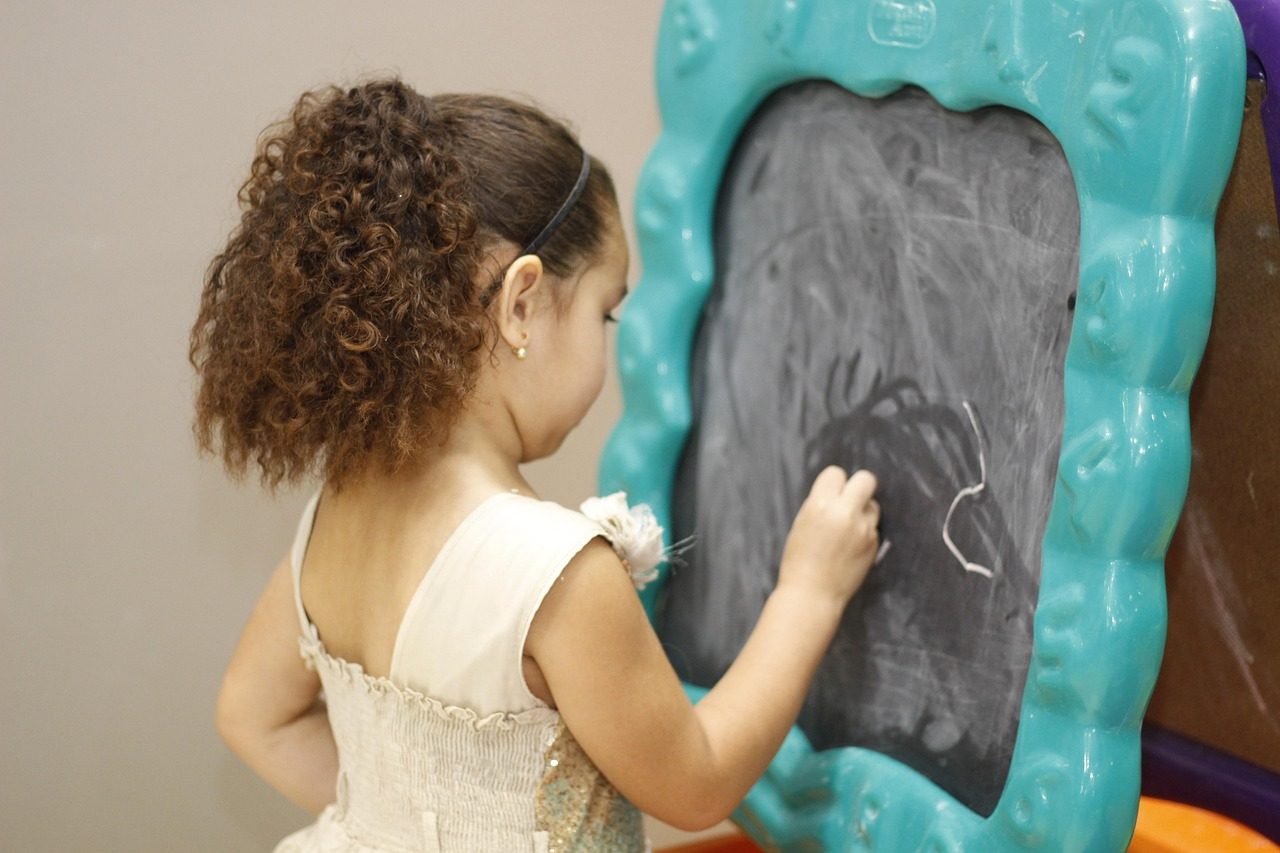
Honphier Magnetic Drawing Board: Packaging Bag Warning
On 20 November 2026 OPSS published a safety report on the Honphier children's magnetic drawing board sold via Amazon: its plastic bag packaging is too thin and could suffocate a child. Here is how to check yours, what to do, and how to handle toy packaging safely.
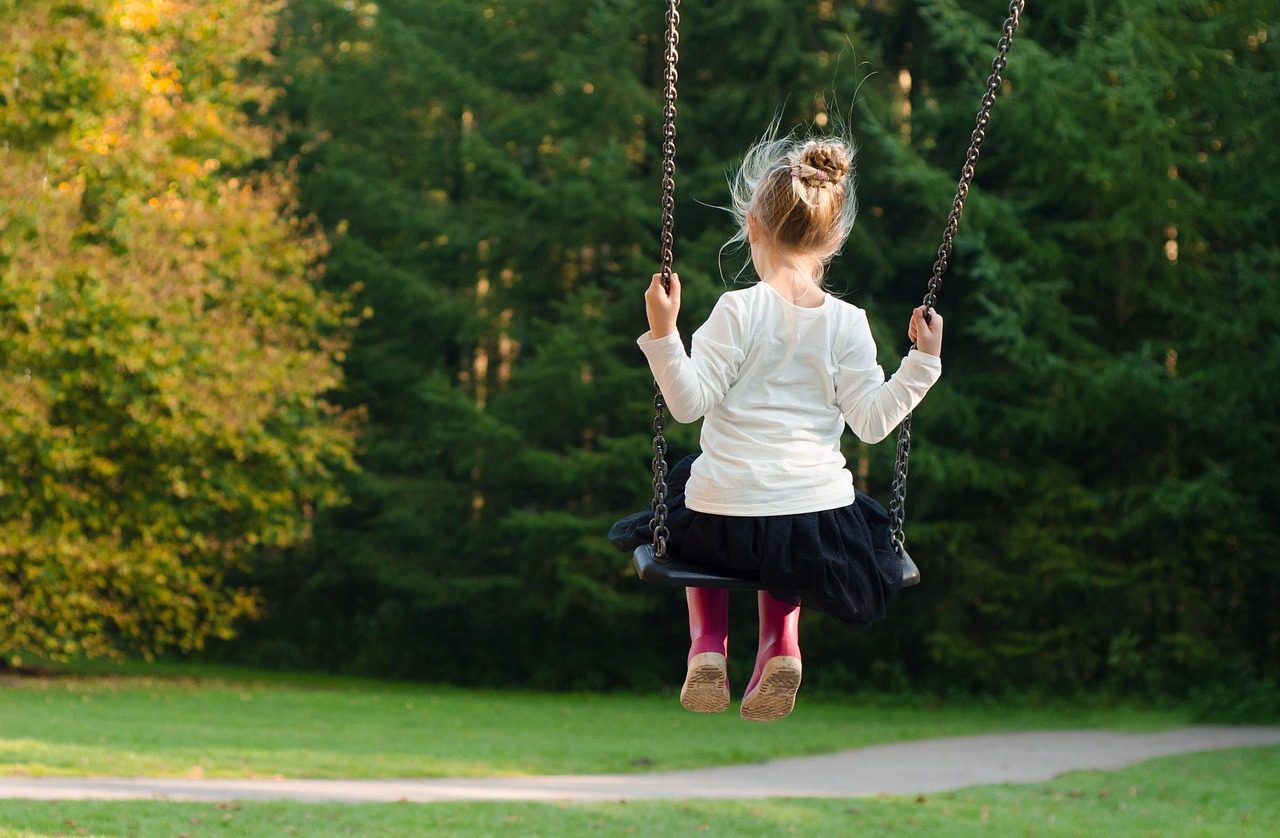
Vuly V1 Seat Swing Recall: Seat May Separate From Rope
On 19 November 2026 OPSS published a recall of the Vuly V1 Seat Swing (model V1 ASST10, batch TGB) because the seat may separate from the rope and a child could fall. Here is how to check yours, claim the free V2 replacement, and inspect any garden swing using RoSPA guidance.
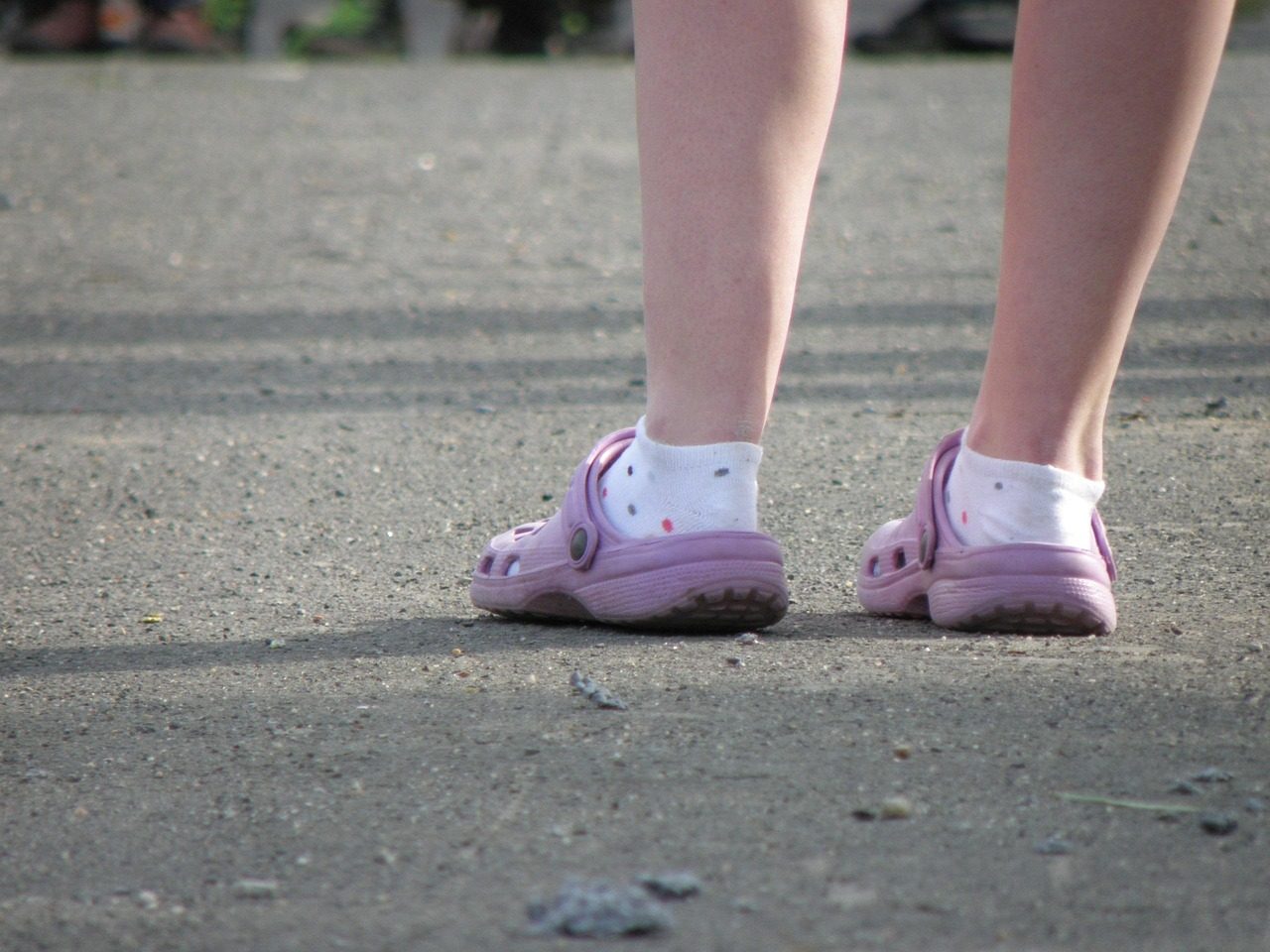
Minecraft Children's Clogs Recall: Phthalates and Batteries
On 17 November 2026 OPSS published a recall for Minecraft-licensed children's green light-up clogs sold via Amazon, over excess phthalates and an easily removed battery compartment. Here is how to check your pair, what to do, and what the NHS says about button batteries.

Written by
Sepehr
Software engineer, soon-to-be dad, uncle to four — the tech-obsessed half of the two of us testing this stuff. Currently building this site with my wife, ahead of our own baby arriving.