Vuly V1 Seat Swing Recall: Seat May Separate From Rope
On 19 November 2026 OPSS published a recall of the Vuly V1 Seat Swing (model V1 ASST10, batch TGB) because the seat may separate from the rope and a child could fall. Here is how to check yours, claim the free V2 replacement, and inspect any garden swing using RoSPA guidance.
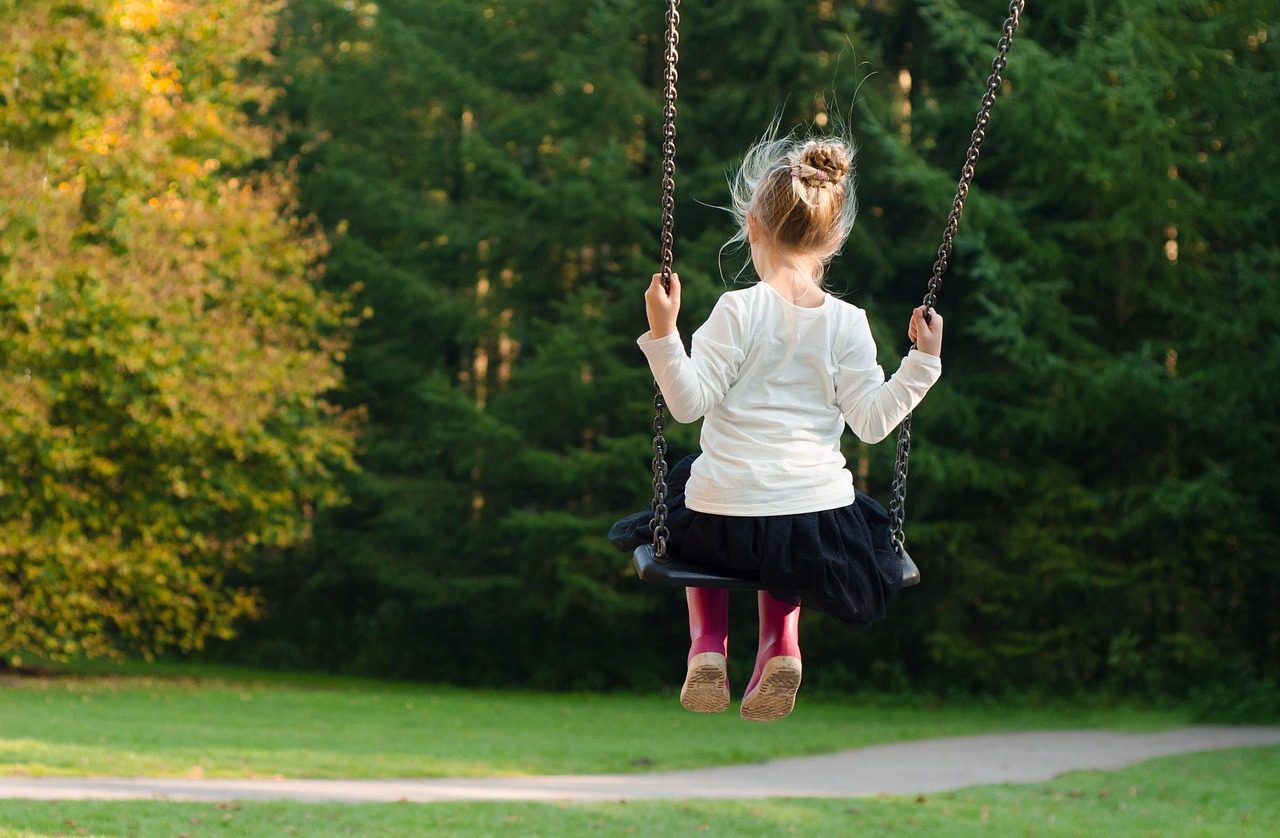
The Vuly V1 seat swing recall covers a rope swing whose seat may separate from the rope during use, so a child could fall and be hurt. OPSS says to stop using it immediately; Vuly will send a free replacement V2 Seat Swing and disposal instructions.
What the OPSS recall notice says
The Office for Product Safety and Standards (OPSS) published the recall on 19 November 2026 under reference 2610-0248. According to the official gov.uk notice, the product is the Vuly V1 Seat Swing, a seat swing with ropes for outdoor use, listed under outdoor play structures. The notice gives a medium risk rating, says the seat "may separate from the rope during use", and says a child could fall and be injured. It also states that the swing does not meet the Toys (Safety) Regulations 2011. Vuly is carrying out the recall from end users.
That is a failure of the one part of a swing that holds all the weight, which is why it matters even at a "medium" rating. A fall from a swing seat at the top of its arc is a very different thing from a stumble on the lawn, and a toddler gripping the ropes has little chance to react when a seat lets go.
How to check whether your swing is affected
| Detail | What the notice lists |
|---|---|
| Product | Vuly V1 Seat Swing (rope seat swing, outdoor use) |
| Model | V1 (ASST10) |
| Batch | TGB |
| Barcode | 9346582005493 |
| Country of origin | China |
| Not stated in the notice | Age range, date codes, where it was sold |
Look for the model code, batch code and barcode on the packaging, a label on the swing or your order confirmation. If you have thrown the packaging away, check the order email or your account with the retailer, or contact Vuly using the details below and describe the swing. The notice does not say where the product was sold, so don't assume that buying elsewhere than Vuly's own site rules you out. If you cannot confirm the batch, the sensible default is to treat the swing as affected and stop using it until Vuly tells you otherwise.
What to do if you have the Vuly V1 swing
- Stop using it now. The notice says to stop using the swing immediately and keep it out of reach of children. Take it down rather than leaving it hanging, because a swing that is in sight is a swing a toddler will ask for.
- Don't try to repair or re-tie it. A new knot or a cable tie on a faulty fixing is not a fix, and the notice offers a proper remedy.
- Contact Vuly. The notice gives 020 4578 4821 and a contact form at vulyplay.com. Vuly says it will provide safe disposal instructions and a replacement Vuly V2 Seat Swing free of charge.
- Keep your proof of purchase and a photo of the model and batch labels before you dispose of anything.
- Tell anyone who borrowed or inherited it. Recalled products shouldn't be passed on. Our guide to buying second-hand baby gear safely explains why checking recall lists matters for anything that changes hands.
Why swings fail: the parts that matter
A garden swing is a simple machine, but every part is under repeated load. The seat, the rope and the fixing between them take the child's weight and the extra force of every swing. The seat-to-rope connection in this recall is the weak point the notice identifies; others to know about are the top fixings, hooks, bolts and the rope itself where it wears against a bar or branch. Rope swings also stretch, fray and weather, especially after a wet autumn, which is another reason a winter check is worthwhile.
RoSPA's information sheet on home play equipment lists several features to look for on swings. It says the seats should be impact attenuating, ropes should be protected against wear at their fixing points, ropes should not cross in the middle, ground clearance should be at least 200mm, and S-hook fixings should be closed or capable of being closed. You can read the full list on the RoSPA home play equipment page.
A five-minute swing check you can repeat monthly
RoSPA's routine inspection checklist for public play areas asks simple questions, such as whether the swing chains are unbroken and the seats are fixed securely and undamaged (RoSPA routine inspection of play areas). The same questions make a sensible home routine:
- Pull test the seat. With the swing hanging, pull down firmly on the seat and the ropes. Anything that slips, creaks or moves at the join needs attention.
- Look at the fixings. Check hooks, shackles, bolts and knots for rust, wear, or anything that has loosened. Closed S-hooks are better than open ones.
- Inspect the rope where it rubs against the frame or branch, for fraying, thinning or stiff, sun-damaged sections.
- Check the seat itself for cracks, splinters, or sharp edges, and the surface beneath for stones, puddles and compacted soil.
- Look at the surroundings. Keep fences, walls and other furniture clear of the swinging area, and make sure nothing hangs from the swing, such as scarves or skipping ropes.
- Log it. A note on your phone with the date makes it easy to see when you last checked, and when you last tightened anything.
Buying a garden swing for a toddler: what to look for
Winter sales are a common time to pick up outdoor toys, so it is worth knowing what a good buy looks like. RoSPA's sheet says to look for a CE or GS mark, which it says indicates a degree of quality, and to check that full installation, maintenance and operating instructions are included, that there is a recommended age of use and information on durability, and that items which can be secured to the ground are fixed securely. In the UK, check for UKCA or CE marking and read our explainer on toy safety standards, CE and UKCA marks.
| Check | Why it matters |
|---|---|
| Stated age range | RoSPA's sheet says to check for a recommended age of use, so choose equipment made and labelled for your child's age. |
| Safety marking and standard | CE/UKCA marking and a named toy or playground standard show the maker is claiming compliance, though marketplace listings can be wrong, as recalls like this show. |
| Seat-to-rope fixing | Look for a fixing that is clearly secured rather than simply tied or clipped, and for stitching or moulding you can inspect. |
| Instructions and installation | Clear instructions, and hardware that fits your frame or tree. Poor installation is a risk in its own right. |
| Spare parts and returns | A maker that can replace a seat or fixing and has a visible recall contact is easier to deal with when something goes wrong. |
| Surface underneath | RoSPA's sheet asks for information on appropriate surfaces under the equipment. Grass is better than concrete, but compacted ground is not soft. |
Our toddler toys and development roundup covers indoor and outdoor play ideas, and the best toddler learning toys comparison is a good place to look if you would rather spend a gift budget on something with fewer moving parts than a swing.
Staying on top of recalls without the stress
Recall notices for baby and toddler products appear every week, and most owners never see them. A few habits help. Register products with the maker where possible, keep order confirmations in one email folder, and check the OPSS recalls page when you buy anything second-hand. Add outdoor equipment to your baby and toddler checklist so that a winter "check the garden kit" task sits alongside other safety jobs. A recall is not a failure on your part: the notice exists so that you can act quickly and get a replacement.
When a fall happens: what to do
If a child does fall from a swing, check for injury before you move them, particularly after a head injury. The NHS advises seeking medical help for a head injury if there are signs such as vomiting, drowsiness or a severe headache, and calling 999 if the child is unconscious or having a fit; see the NHS guidance on head injuries and concussion. If in doubt, call 111 or your GP for advice rather than waiting.
After any incident with a recalled or faulty product, it is worth reporting it. The recall notice gives Vuly's contact details, and you can also tell your local Trading Standards service, which feeds into the national picture that OPSS acts on.
The short version
If you own a Vuly V1 Seat Swing (model V1 ASST10, batch TGB), take it down, stop using it and contact Vuly for the free V2 replacement and disposal instructions. If you own a different rope swing, the same fifteen minutes of checking is worth doing now, before the garden is wet and cold and the swing is out of sight. Look at the seat, the fixings and the rope, and replace anything you are unsure about. Swings are one of the best bits of toddler play kit, and a quick check keeps them that way.
Frequently asked questions
Which Vuly swing has been recalled?+
The recall covers the Vuly V1 Seat Swing, model V1 (ASST10), batch TGB, barcode 9346582005493, a rope seat swing for outdoor use made in China. OPSS published the notice on 19 November 2026 (reference 2610-0248). The notice says the seat may separate from the rope during use, so a child could fall. It does not list an age range, date codes or where the swing was sold, so check the model, batch and barcode on your packaging or label. If you cannot find them, treat the swing as affected until Vuly confirms it is not.
What should I do if I have the Vuly V1 seat swing?+
Stop using it immediately and keep it out of reach of children, as the OPSS notice instructs. Take it down, don't try to repair it, and contact Vuly on 020 4578 4821 or through the contact form at vulyplay.com. According to the notice, Vuly will provide safe disposal instructions and a replacement Vuly V2 Seat Swing free of charge. Keep your proof of purchase and photograph the model and batch labels first. Don't give the swing to a friend, a neighbour or a charity shop, because recalled products should not be passed on.
How often should I check a garden swing?+
RoSPA's routine inspection checklist for play areas asks whether swing chains are unbroken and seats are fixed securely and undamaged, and those questions work at home too. A quick monthly check is a sensible habit, plus a closer look after storms, long wet spells or a winter shut-down. Pull down hard on the seat, look at the hooks, bolts and knots for rust or wear, check the rope where it rubs on the frame, and clear the area around it. Replace anything worn, loose or damaged rather than patching it.
What should I look for when buying a toddler swing in the UK?+
RoSPA's home play equipment sheet says to look for a CE or GS mark, full installation, maintenance and operating instructions, a recommended age of use with durability information, and equipment that can be fixed securely to the ground. For swings it lists impact-attenuating seats, ropes protected against wear at the fixings, ropes that do not cross in the middle, ground clearance of at least 200mm and S-hooks that are closed. Buy from sellers with a clear returns and recall contact, and keep the receipt and packaging.
Sources
Related guides
Honphier Magnetic Drawing Board: Packaging Bag Warning
On 20 November 2026 OPSS published a safety report on the Honphier children's magnetic drawing board sold via Amazon: its plastic bag packaging is too thin and could suffocate a child. Here is how to check yours, what to do, and how to handle toy packaging safely.
Minecraft Children's Clogs Recall: Phthalates and Batteries
On 17 November 2026 OPSS published a recall for Minecraft-licensed children's green light-up clogs sold via Amazon, over excess phthalates and an easily removed battery compartment. Here is how to check your pair, what to do, and what the NHS says about button batteries.
Slime Safety UK: OPSS Boron Reports on Two Bottled Slimes
On 17 November 2026 OPSS published two serious chemical risk reports on bottled glitter slime and fashion slime, both with boron above the permitted level. Here is what the reports say, how to check slime at home, what to do if a child has swallowed any, and safer sensory play for babies and toddlers.

Written by
Sepehr
Software engineer, soon-to-be dad, uncle to four — the tech-obsessed half of the two of us testing this stuff. Currently building this site with my wife, ahead of our own baby arriving.