Advent Calendars for Babies and Toddlers: UK Safety Guide
Most advent calendars are built for older children. This UK guide explains why chocolate and toy calendars are a poor fit for babies and under-3s, how to check age labels, batteries and small parts, and four safer alternatives, with the NHS advice on sugar, choking and button batteries.
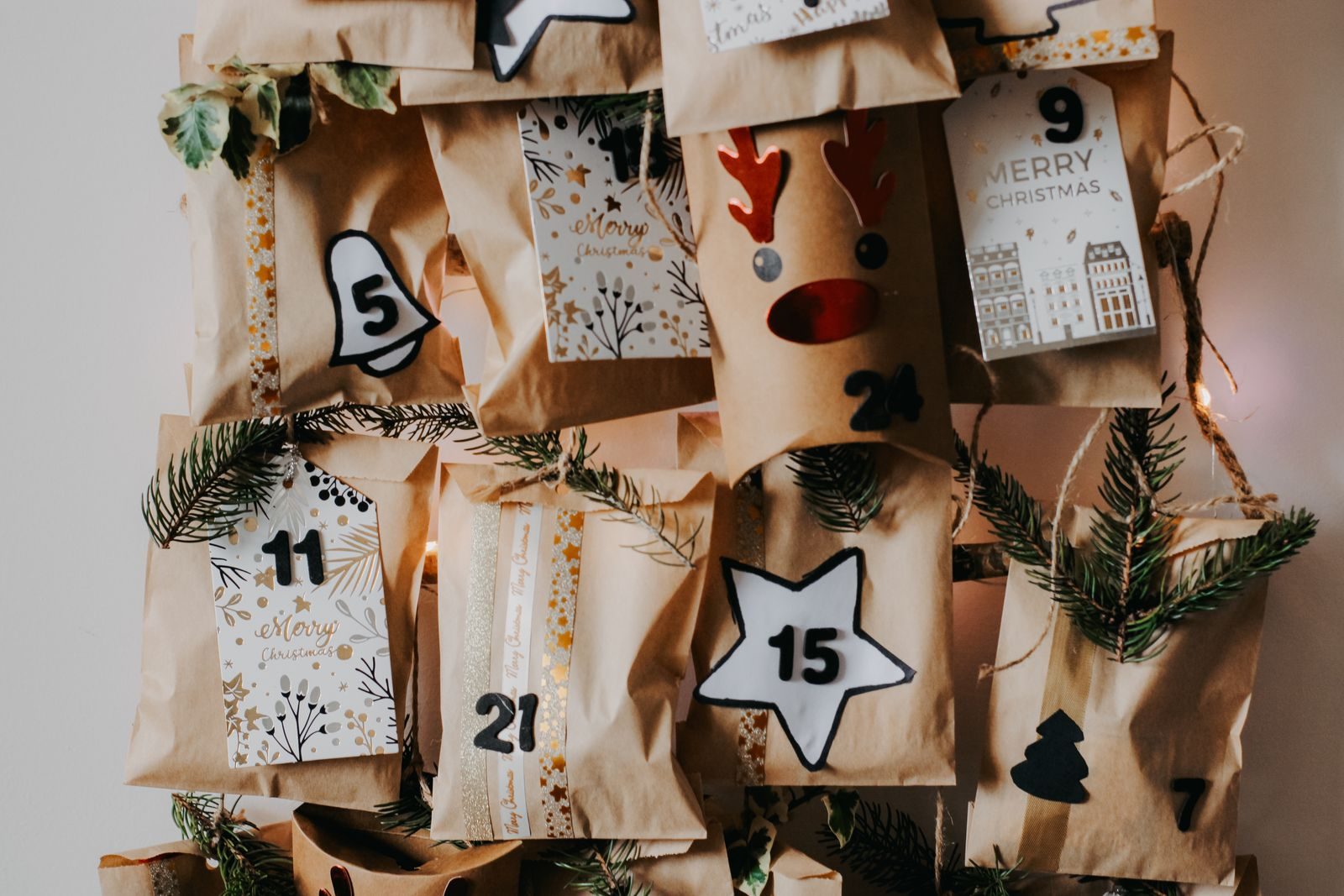
Advent calendars for babies and toddlers should be food-free: chocolate and sweet calendars are not suitable for under-ones. Choose a calendar you fill yourself with large, age-labelled items, such as board books, and keep every small item out of reach.
Advent calendars are on shelves now, ahead of 1 December, and the choice is bigger than ever: chocolate, toys, beauty, tea, even sensory and "baby's first Christmas" versions. The trouble is that a calendar is a box of 24 small things, which is exactly the shape of a choking hazard. This guide covers what to look for, what to skip, and some safer alternatives.
The short version: what is safe at each age
| Age | Chocolate or sweet calendar? | Toy calendar? | Best option |
|---|---|---|---|
| Under 6 months | No | No: nothing to chew, mouth or swallow | A countdown for the grown-ups, or a simple fabric calendar with no contents |
| 6-12 months | No (babies do not need sugar, and honey is off the menu until 1) | Only if every item is large, one-piece and labelled suitable for under-3s | Book-a-day or large soft toys, one per day |
| 1-3 years | Avoid, or swap for a fruit or non-food treat | Only calendars labelled as suitable for under-3s | Reusable fabric pocket calendar you fill yourself |
| 3-5 years | Occasional, with supervision | Yes, with age labels checked | Activity calendar, such as a family activity for each day |
That table is built on two official rules we cover below: the NHS advice on sugar and choking for young children, and the toy age warnings that products have to carry.
Why chocolate and sweet calendars are the wrong fit for babies
The NHS says your baby does not need sugar or sweeteners, and that for children aged 4 or younger, you should avoid food and drink with added sweeteners or sugar. It also says to avoid sugary snacks and drinks to help prevent tooth decay, and to avoid honey until a child is over 1 year old because of the risk of infant botulism. That rules out most of the calendars on supermarket shelves, including those with honey, caramel, fudge or nut fillings.
Chocolate calendars add a second problem: choking. The NHS notes that children between 1 and 5 often put objects in their mouth, and that whole nuts should not be given to under-5s because they can choke on them. Hard sweets, jelly sweets, chocolate-covered nuts and wrapped sweets with foil all sit in the same risk category for a toddler. If an older sibling has a chocolate calendar, keep it on a high shelf and open the door for them yourself, away from the baby.
There is also allergy to think about. Many chocolate calendars carry "may contain" warnings for nuts, milk and gluten. The NHS recommends introducing allergenic foods one at a time from around 6 months so you can spot a reaction, which a mixed box of 24 unfamiliar sweets makes impossible. Our guide to introducing allergens safely covers how to do it properly.
Toy advent calendars: how to check them
A toy calendar is a pack of mini toys, figures, stickers and tiny accessories, and the typical item is smaller than a 50p. Look for these before you buy:
- The age label. Many toys in the UK carry a warning such as "not suitable for children under 36 months" because of small parts. Under the Toys (Safety) Regulations 2011, toys for under-3s must meet stricter requirements, and a warning is there for a reason. If the box says 3+, treat it as 3+, even if the picture shows a toddler.
- The safety mark. Look for a UKCA or CE mark on the box (and UKNI in Northern Ireland), plus a name and address for the maker or importer. Our explainer on toy safety standards and choking hazards shows how to read them.
- Item size. A common home check is whether an item fits through a toilet-roll tube, which is a rough proxy for something a small child could choke on. It is a rule of thumb, not a certification, so use it as a second check after the label.
- Batteries and magnets. Calendars with light-up or sound items often contain button batteries, and some building-style calendars include magnets. The NHS says that if a child swallows a button battery or magnet, or you think they may have, call 999 or go to A&E straight away. See our Christmas gift safety guide for the symptoms and the checks.
- Seller. Be wary of unbranded calendars from online marketplaces where you cannot identify the seller or see the safety paperwork. The government publishes recalls and safety alerts, so search gov.uk before you buy and again after.
Mini-figure and sticker calendars are usually the worst fit for under-3s, because the items are small and numerous. Calendars with a single larger toy per day, a board book, or a chunky wooden shape are better, provided each one is labelled for your child's age.
Safer alternatives for babies and toddlers
1. A reusable fabric pocket calendar you fill yourself
Fabric calendars with 24 pockets cost roughly £10-£25 depending on the brand, and you control what goes in. Fill them with things that suit your child's age: a board book, a bath toy, a new muslin, a toddler-safe snack for the day, or a small note about a family activity. Because you choose each item, you can check every one against the age label.
2. A book-a-day calendar
Wrapping 24 board books or library books and opening one each evening gives a bedtime routine that lasts well beyond December. Library books make it nearly free. Board books are also lower risk than loose toy parts, though babies will still chew them, so supervise.
3. An activity calendar
For toddlers, 24 small activities cost nothing: spot the Christmas lights, make a paper chain, bake together (with no raw egg unless it is red lion stamped, per the NHS), dance to a carol, visit a grandparent. This is the least likely to end up in a mouth.
4. A play gym or big toy as a "countdown present"
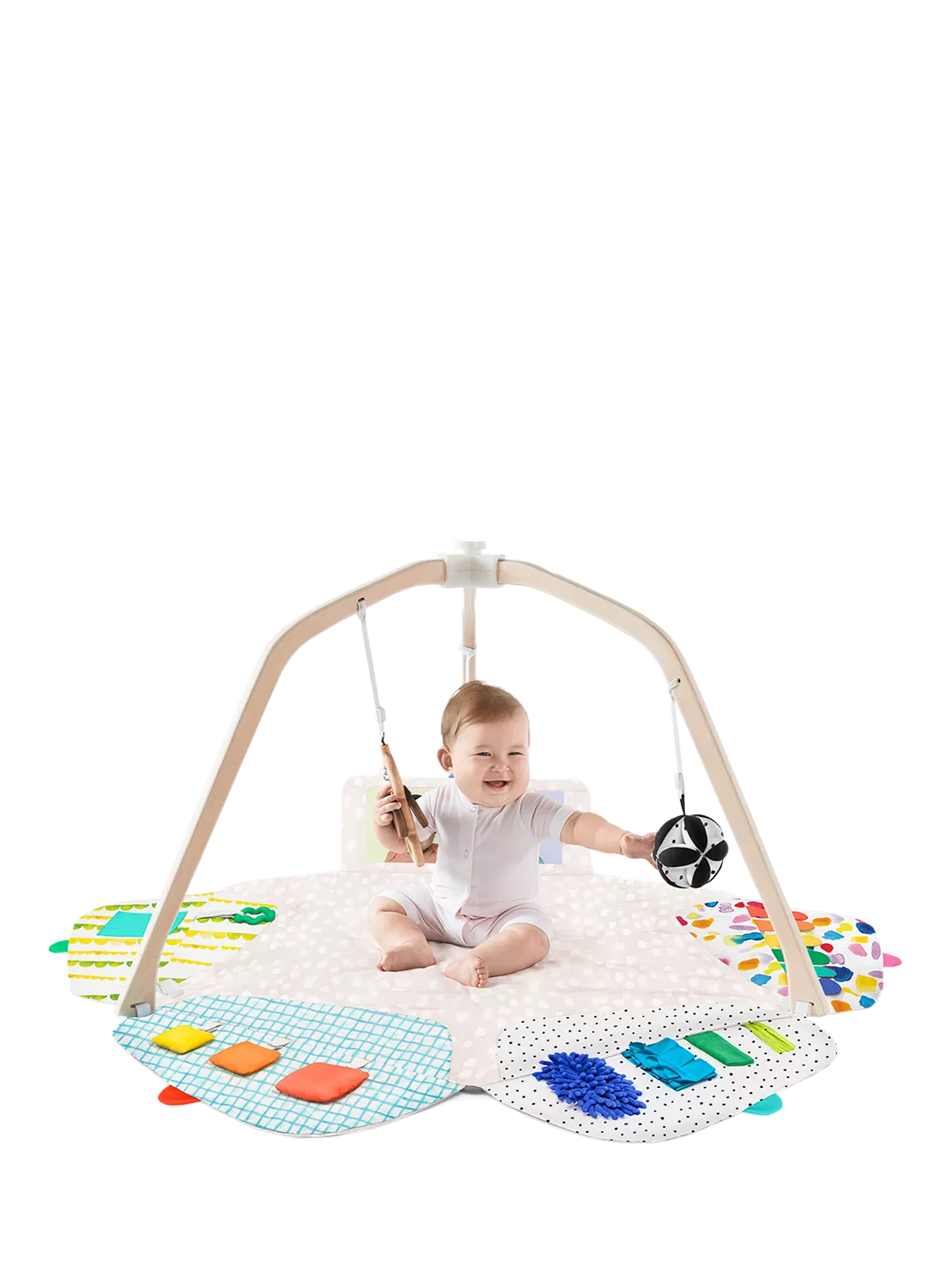
If you were already planning to buy a developmental toy, you can wrap it as a Christmas gift instead of dividing it into 24 pieces. Our reviews of play mats and gyms, such as the Lovevery Play Gym, and our toddler toys and development roundup cover age ranges and what each is specced for. We have not tested these hands-on, so treat the details as manufacturer specs.
What if the baby's calendar is also for the older child?
Many families have a three-year-old and a baby. That is the most common scenario for accidents: a sibling's calendar is left within reach, a baby crawls over, and a small toy or sweet goes in the mouth. A few rules help:
- Hang or place calendars high, where a crawling or cruising baby cannot reach them.
- Open the door together and take the item away to a clear area, then bin the foil, wrapping and cardboard immediately.
- Do not leave small pieces in the play area. Check under the sofa when you tidy up, because the NHS says small objects such as marbles, beads and button batteries are just the right size to block a child's airway.
- Ask the older child to keep all small figures in a lidded box.
What to do if a child chokes
If a child is choking and coughing loudly, the NHS says to encourage them to keep coughing. If the cough is silent or ineffective, shout for help and use back blows, then chest thrusts (under 1) or abdominal thrusts (over 1), alternating until the object comes out. Call 999 if the blockage does not clear, and get medical help even if the object comes out, because part of it may have been left behind. It is worth learning the technique before Christmas, and our baby first aid kit guide is a sensible companion.
Quick buying checklist
- Is it labelled for your child's age? If it says 3+, it is not for a baby or a one-year-old.
- Does it have a UKCA or CE mark and a named seller?
- Are there batteries, magnets or loose beads inside?
- Does it contain honey, nuts or lots of sugar?
- Is there a plan for where the calendar lives so a baby cannot reach it?
- Have you checked gov.uk recalls for the brand?
If you want to plan what else to buy for the festive stretch, add it to your baby checklist and keep the list short: babies and toddlers rarely need 24 of anything.
Mentioned in this guide
Frequently asked questions
Can a baby have a chocolate advent calendar?+
No. The NHS says babies do not need sugar or sweeteners, and that children aged 4 or younger should avoid food and drink with added sugar or sweeteners. It also says not to give honey until a child is over 1 year old. Chocolate calendars often contain nuts, caramel or hard sweets, which add choking and allergy risks. If an older sibling has one, keep it out of reach and open the doors for them away from the baby.
Are toy advent calendars safe for toddlers?+
Only if every item is labelled as suitable for the child's age. Many toy calendars contain tiny figures, stickers and accessories marked as not suitable for under-3s because of small parts. Check the age label, look for a UKCA or CE mark and a named seller, and avoid calendars with button batteries or magnets. If you are unsure about any item, take it out and put it away until your child is older.
What is a good advent calendar for a one-year-old?+
The safest options are ones where you choose the contents: a fabric pocket calendar filled with board books, a bath toy or a new muslin, or 24 wrapped board books opened one a night. These let you check every item against the age label and avoid sugar, honey and small parts. An activity calendar, with one small family activity per day, costs nothing and keeps everything out of little mouths.
What should I do if my toddler swallows something from an advent calendar?+
If your child is choking and coughing loudly, the NHS says to encourage coughing. If the cough is silent or ineffective, shout for help and use back blows and chest thrusts (under 1) or abdominal thrusts (over 1), and call 999 if it does not clear. If they may have swallowed a button battery or magnet, call 999 or go to A&E straight away, and bring the packaging with you.
Sources
- NHS — Foods to avoid giving babies and young children
- NHS — How to stop a child from choking
- NHS — Food allergies in babies and young children
- GOV.UK — Toys (Safety) Regulations 2011: guidance for Great Britain
- GOV.UK (OPSS) — Hidden danger in your home: button batteries and powerful magnets
- GOV.UK — Product safety alerts, reports and recalls
Related guides
Honphier Magnetic Drawing Board: Packaging Bag Warning
On 20 November 2026 OPSS published a safety report on the Honphier children's magnetic drawing board sold via Amazon: its plastic bag packaging is too thin and could suffocate a child. Here is how to check yours, what to do, and how to handle toy packaging safely.

Vuly V1 Seat Swing Recall: Seat May Separate From Rope
On 19 November 2026 OPSS published a recall of the Vuly V1 Seat Swing (model V1 ASST10, batch TGB) because the seat may separate from the rope and a child could fall. Here is how to check yours, claim the free V2 replacement, and inspect any garden swing using RoSPA guidance.
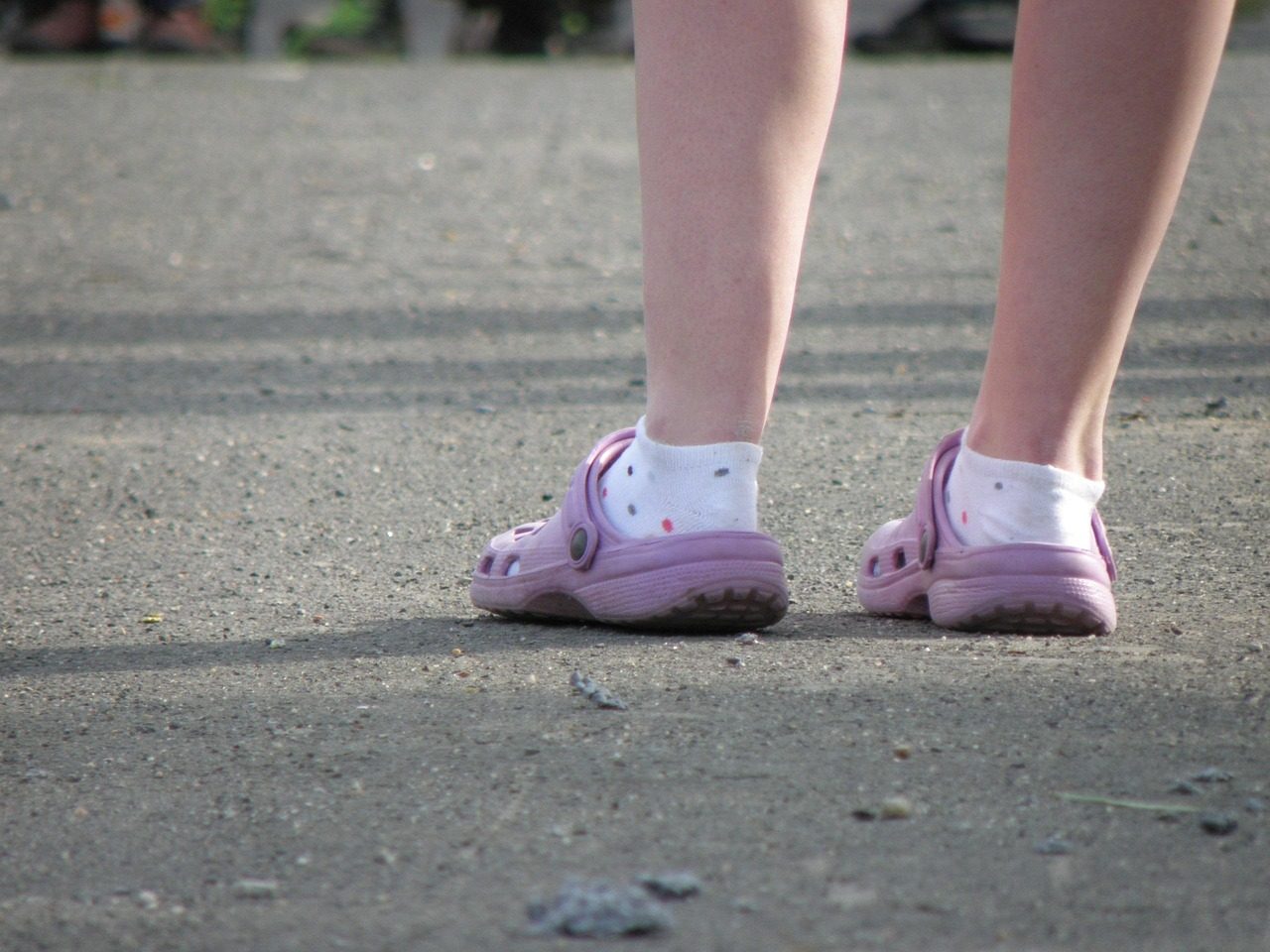
Minecraft Children's Clogs Recall: Phthalates and Batteries
On 17 November 2026 OPSS published a recall for Minecraft-licensed children's green light-up clogs sold via Amazon, over excess phthalates and an easily removed battery compartment. Here is how to check your pair, what to do, and what the NHS says about button batteries.

Written by
Sepehr
Software engineer, soon-to-be dad, uncle to four — the tech-obsessed half of the two of us testing this stuff. Currently building this site with my wife, ahead of our own baby arriving.