RoSPA's 'Must-Have' Baby Product Warning: What to Stop Using
On 3 September 2026 RoSPA warned parents against three 'must-have' baby products: self-feeding cushions, sleep positioners and in-cot sleep aids. Here is what RoSPA said, what the NHS, OPSS and the Lullaby Trust say about each, why the products are still easy to buy, and what to do if one is already in your nursery.
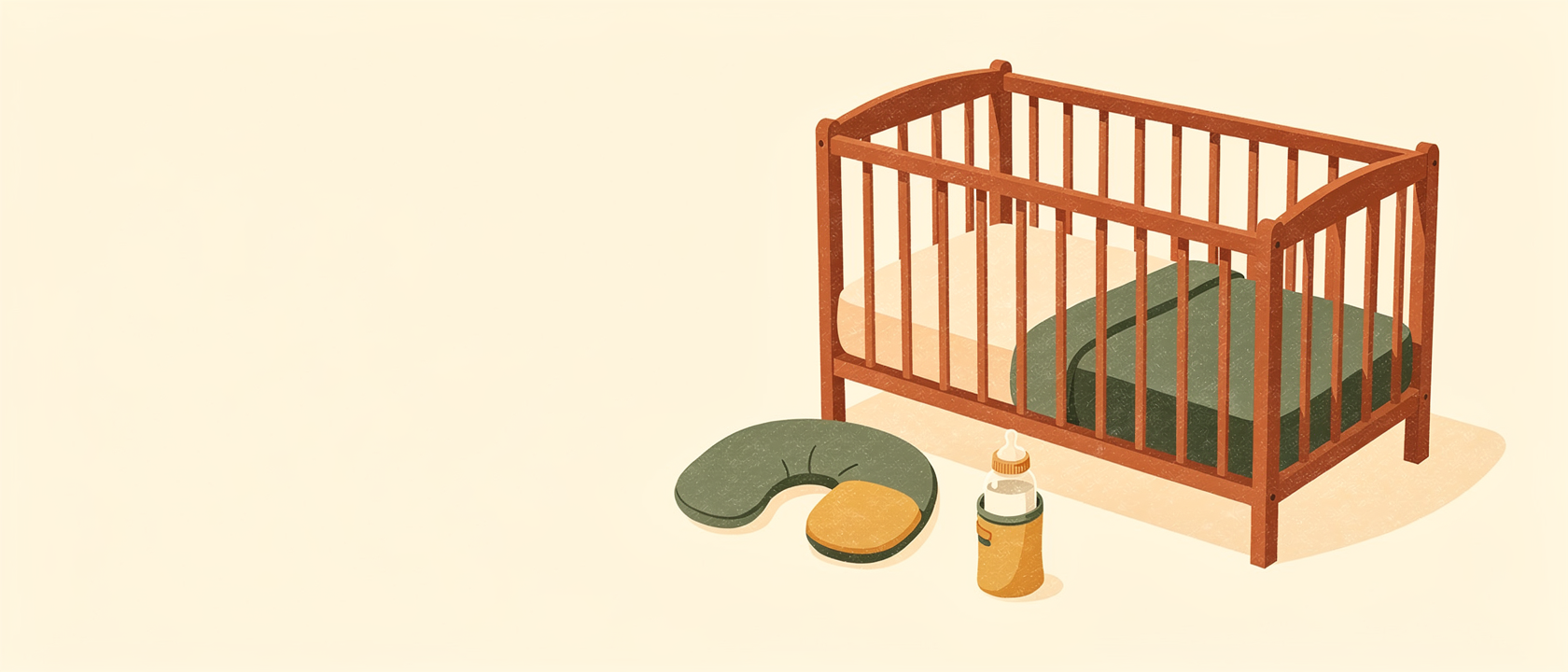
On 3 September 2026 the Royal Society for the Prevention of Accidents (RoSPA) warned parents to think twice before buying three kinds of "must-have" baby product: self-feeding cushions, baby sleep positioners and in-cot sleep aids. The short version is that none of them is needed, all three add risk to something that is already safe when kept simple, and the government's product safety regulator has spent the last four years trying to get one of them off the market entirely. Here is what RoSPA actually said, what the NHS, the Office for Product Safety and Standards (OPSS) and the Lullaby Trust say about each product, and what to do if one is already in your nursery.
What RoSPA actually said
RoSPA's warning, reported by STV News and PA Media on 3 September 2026, named three product types that "may present a risk to babies":
- Self-feeding cushions, also sold as hands-free or adjustable baby bottle holders, which RoSPA says can increase the risk of choking because they make it harder for a baby to control the flow of milk.
- Baby sleep positioners, sold under names such as baby pillow, cuddle cushion, hug cushion, ergonomic pillow or anti-roll pillow, which RoSPA says are designed to keep a baby in one position but restrict movement and put items in the sleep space, increasing the risk of suffocation.
- In-cot sleep aids, sometimes sold as sleep-aid pillows, which RoSPA says can increase the risk of suffocation or overheating.
Rebecca Guy, RoSPA's senior policy manager, said that "some products can introduce risks that parents may not be aware of, particularly when they are marketed as must-have items", and that "the safest sleep spaces are often the simplest. Babies should sleep on their backs in a clear cot, Moses basket or bassinet with a firm, flat mattress and without extra items." RoSPA also pointed out that several products of this kind have already been recalled, urged parents to look for CE or UKCA markings, and advised caution with anything that does not explain how it has been assessed for safety.
None of this is new guidance. What is new is that a national safety charity has put the three products side by side and said plainly that the marketing is the problem. The table below summarises where each one stands.
| Product | Also sold as | Stated risk | Official position |
|---|---|---|---|
| Self-feeding cushion | Hands-free bottle holder, prop feeder, bottle-holder pillow | Choking, aspiration pneumonia | OPSS safety alert since 2022: stop using and dispose |
| Sleep positioner | Baby pillow, cuddle cushion, anti-roll pillow, pod, nest | Suffocation | NHS: nothing in the cot to keep baby in place; no British standard exists for pods or nests |
| In-cot sleep aid | Sleep-aid pillow, comfort cushion, patting cushion | Suffocation, overheating | OPSS safety alert (December 2025): not for babies under 12 months |
Self-feeding cushions: the one the regulator says can never be made safe
Of the three, this is the product with the longest paper trail. OPSS first issued a Product Safety Alert for baby self-feeding pillows and prop feeders on 30 November 2022, then widened it to all baby self-feeding products on 14 December 2022. In October 2025 it issued a fresh warning about a new variant with animal-shaped heads, and its January 2026 risk summary concludes that these products "can never be made safe whilst maintaining their function, regardless of any changes to their appearance, or through the use of warnings".
The reasoning is worth understanding, because it applies to homemade versions too. According to OPSS, a young baby does not have the dexterity or cognitive ability to control the flow of milk from a propped bottle, to know when to stop, or to take action if they gag or choke. A propped bottle will keep dripping even when the baby stops sucking, so more milk can arrive than they can swallow. Gagging is noisy, but choking is silent, so a parent in the next room may hear nothing. OPSS also notes that babies are biologically primed to fall asleep during a feed, and a baby left asleep on a padded feeding cushion can shift and cover their face without being able to move away.
The NHS bottle-feeding advice is blunt on the same point: "Never leave your baby alone to feed with a propped-up bottle and never leave them alone in bed with a bottle. They may choke on the milk." RoSPA's own guidance goes further and covers improvised props too, whether that is a rolled towel, a cushion or bedding. The safe alternative is not a better product. It is the NHS method: hold your baby in a semi-upright position with their head supported, keep the bottle roughly horizontal so the milk flows steadily, and stay with them for the whole feed. If you are still getting to grips with feeds, our guide to how often a newborn should feed covers pacing and cues.
Sleep positioners, cuddle cushions and anti-roll pillows
The NHS safer sleep guidance asks parents to keep the cot clear of anything that could cover a baby's face or head, and specifically lists "pillows, duvets, cot bumpers, loose blankets, soft toys or anything to keep your baby in place, like pods or nests". That single sentence covers almost every product in this category, whatever it is called on the box.
The Lullaby Trust explains why. Soft, raised or cushioned sides can press against a baby's mouth and nose, and soft material around the head can cause a baby to overheat, both of which are linked to a higher risk of sudden infant death syndrome (SIDS). The Trust also makes a point that is easy to miss when a product looks well made: while there is a British Standard for cot mattresses (BS EN 16890) and for cots (BS EN 716), "there is no standard for pods or nests as a sleeping place for babies", and no safety standard relates to SIDS at all. A CE or UKCA mark on a nest tells you it meets general product rules, not that it has been tested as somewhere for a baby to sleep. The Lullaby Trust likewise advises against anything that holds a baby in a seated or inclined position for sleep, as this can restrict their breathing.
If you were sold a positioner to stop a baby rolling, the reassuring part is that you do not need one. The NHS position is simply to place your baby on their back, feet to foot, for every sleep. Our guide to safe sleep for newborns walks through the full NHS and Lullaby Trust checklist, including what to do once a baby starts rolling on their own.
In-cot sleep aids and sleep-aid pillows
This category is broader and newer. It covers padded cushions that sit in the cot to soothe a baby, including some with an automated "patting" function. OPSS issued a Product Safety Alert for baby sleep pillows on 11 December 2025, listing the generic names they are sold under, including baby comfort cushion, baby cuddle cushion, baby hug pillow, baby sleep cushion and stuffed pillow. The alert states that these products present a risk of "suffocation and overheating which can lead to serious injury or death in babies", that they should not be used for babies under 12 months old, and that they should not be placed in a cot or crib. It applies to anything marketed for a baby to sleep on or with, but not to nursing pillows used during supervised feeds or to compliant cot mattresses.
RoSPA's own baby sleep products guidance adds automated patting cushions and toys to the list of comfort products that should stay out of the sleep space, along with hooded sleeping bags and cot bumpers. Its definition of a safe set-up is short: a clear cot, Moses basket or bassinet containing only a firm, flat, waterproof mattress and either a securely tucked-in blanket or a well-fitting baby sleeping bag that meets BS EN 16781.
Why these products are still easy to buy
If a product has been the subject of a government safety alert for years, it is fair to ask why it is still in your search results. A Which? investigation published on 8 July 2026 found 150 baby products listed by third-party sellers across eight online marketplaces despite having been subject to official safety warnings or recalls: 59 baby sleeping bags that did not meet safety standards, 54 self-feeding products, and 37 baby sleep pillows. The platforms named were Alibaba, AliExpress, Amazon, eBay, Etsy, OnBuy, TikTok Shop and Wish. According to Which?, Amazon, eBay, Etsy and Alibaba removed the flagged listings once contacted, while Wish did not respond.
The practical lesson is that a marketplace listing, a high review count or a "bestseller" badge is not evidence of safety. The gov.uk product safety alerts, reports and recalls list is the place to check, and it is worth a look before any secondhand purchase too. We covered how to read an OPSS alert in our piece on the Vicloon and Lorelli teether recalls issued the following day.
What a safe set-up actually looks like
Strip out the products above and what is left is the same advice the NHS, RoSPA and the Lullaby Trust have given for years. For sleep, the NHS asks you to place your baby on their back in the feet-to-foot position, on a firm, flat mattress, in a separate cot or Moses basket in the same room as you for every sleep for at least the first six months, with the room kept between 16C and 20C and nothing in the cot that could cover their face. If you are choosing that sleep space now, our comparison of cots, cot beds and Moses baskets covers what actually matters at each stage.
For feeds, the NHS asks you to hold your baby close and semi-upright, keep the bottle horizontal, give them plenty of time, and never leave them alone with a bottle. That is the whole method, and it costs nothing.
Four questions to ask before buying anything "must-have"
RoSPA's advice is to pause before buying a new baby product and consider whether it is genuinely needed and whether it could affect your baby's safety. Drawing on the guidance above, these four questions filter out almost everything in this article:
- Does it go in the sleep space? If it sits in the cot with your baby and is not a fitted sheet, a tucked-in blanket or a sleeping bag, the NHS advice is that it should not be there.
- Does it let you step away? Any product whose selling point is hands-free feeding or unattended settling is working against NHS and OPSS guidance by design.
- Is there a standard for it? Cots, mattresses and sleeping bags have British Standards. Pods, nests and positioners do not. Our explainer on CE and UKCA marks explains what those symbols do and do not guarantee.
- Is it on the gov.uk recalls list? Search the product name and the generic names in the table above. If the listing does not say who made it or how it was tested, treat that as an answer.
If you already own one
For any self-feeding cushion or bottle holder, OPSS's advice is unambiguous: stop using it immediately and dispose of it safely, rather than passing it on or selling it. For a sleep positioner, pod, nest or in-cot sleep pillow, the NHS and OPSS advice is to take it out of the cot and not to use it for sleep; if it was sold specifically as a sleep product, the same applies to disposal. If your product appears on the gov.uk recalls list, the notice will usually say whether the seller is offering a refund, and your local Trading Standards service can advise if the seller will not respond. For anything you are unsure about, the NHS safer sleep page and the Lullaby Trust's product information pages are the two sources this site defers to, and both are linked below.
Frequently asked questions
What baby products did RoSPA warn about in September 2026?+
On 3 September 2026 RoSPA named three products: self-feeding cushions (hands-free bottle holders), baby sleep positioners (also sold as cuddle cushions or anti-roll pillows), and in-cot sleep aids such as sleep-aid pillows. It said they can increase the risk of choking, suffocation or overheating and advised parents to keep sleep spaces clear and supervise every feed.
Are baby self-feeding pillows banned in the UK?+
The Office for Product Safety and Standards has issued Product Safety Alerts covering all baby self-feeding products since December 2022, asking consumers to stop using them and dispose of them safely and asking businesses and Trading Standards to remove them from sale. OPSS states these products can never be made safe regardless of design changes, though a Which? investigation in July 2026 still found them listed on online marketplaces.
Can I use a baby nest or sleep pod if I am supervising?+
The NHS advises keeping the cot clear of anything to keep your baby in place, including pods and nests, and the Lullaby Trust advises against pods and nests as sleep spaces because there is no British Standard for them and their soft raised sides can cover a baby's mouth and nose or cause overheating. Neither organisation gives a supervised exception for sleep.
What should be in my baby's cot?+
According to RoSPA and the NHS, only a firm, flat, waterproof mattress with a fitted sheet, plus either a securely tucked-in blanket or a well-fitting baby sleeping bag. No pillows, positioners, bumpers, soft toys or sleep-aid cushions, and the baby should be placed on their back in the feet-to-foot position with the room kept between 16C and 20C.
Sources
- STV News / PA Media — Parents urged to think twice about baby sleep aids and feeding products (3 September 2026)
- RoSPA — Baby sleep products
- RoSPA — Baby bottle holders and self-feeding devices
- NHS — Reduce the risk of sudden infant death syndrome (SIDS)
- NHS — Bottle feeding advice
- The Lullaby Trust — Baby sleeping products
- GOV.UK / OPSS — Product Safety Alert: Baby Self-Feeding Pillows / Prop Feeders (PSA3, 30 November 2022)
- GOV.UK / OPSS — Product Safety Alert: Baby Self-Feeding Products (PSA4, 14 December 2022)
- GOV.UK / OPSS — Warning of new variant of dangerous baby self-feeding products (23 October 2025)
- GOV.UK / OPSS — Prop Baby Self-Feeding Products: Risk Summary (PDF, January 2026)
- GOV.UK / OPSS — Product Safety Alert: Baby Sleep Pillows (PSA8, 11 December 2025)
- Which? — Baby products that risk serious injury or death for sale on online marketplaces (8 July 2026)
- GOV.UK — Product safety alerts, reports and recalls
Related guides
Visitors Kissing Your Newborn: Lullaby Trust Advice
New Lullaby Trust research says 57% of parents have had a baby kissed without asking. Here is the Trust's THANKS guidance on handwashing, kissing and unwell visitors for newborns, plus practical ways to set boundaries with family without causing offence.
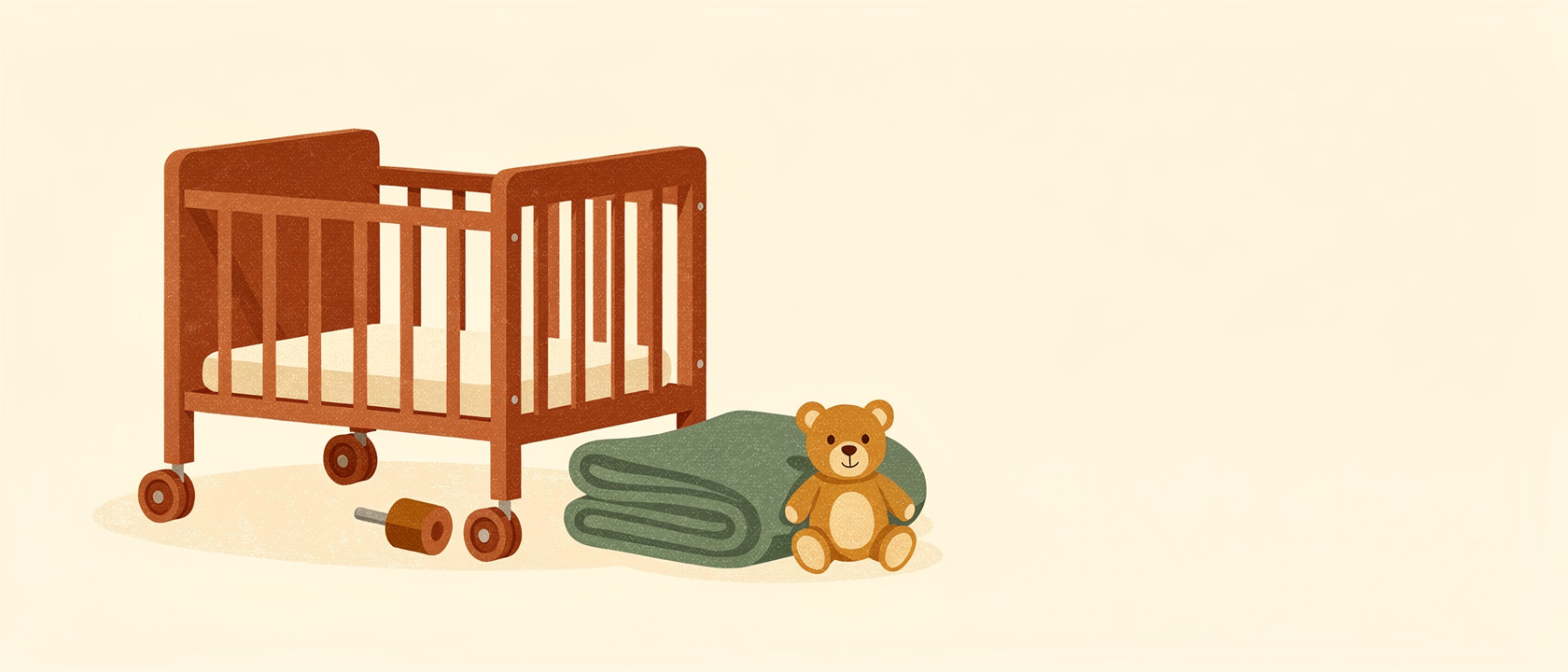
Babymore Space Saver Cot Castors: OPSS Overturn Risk
On 23 October 2026 OPSS published a safety report on the grey Babymore Space Saver Cot (model 2620003): it may overturn when pushed sideways with castors fitted, and a sample had a sharp splinter. Babymore has removed the castors; here is what to check.
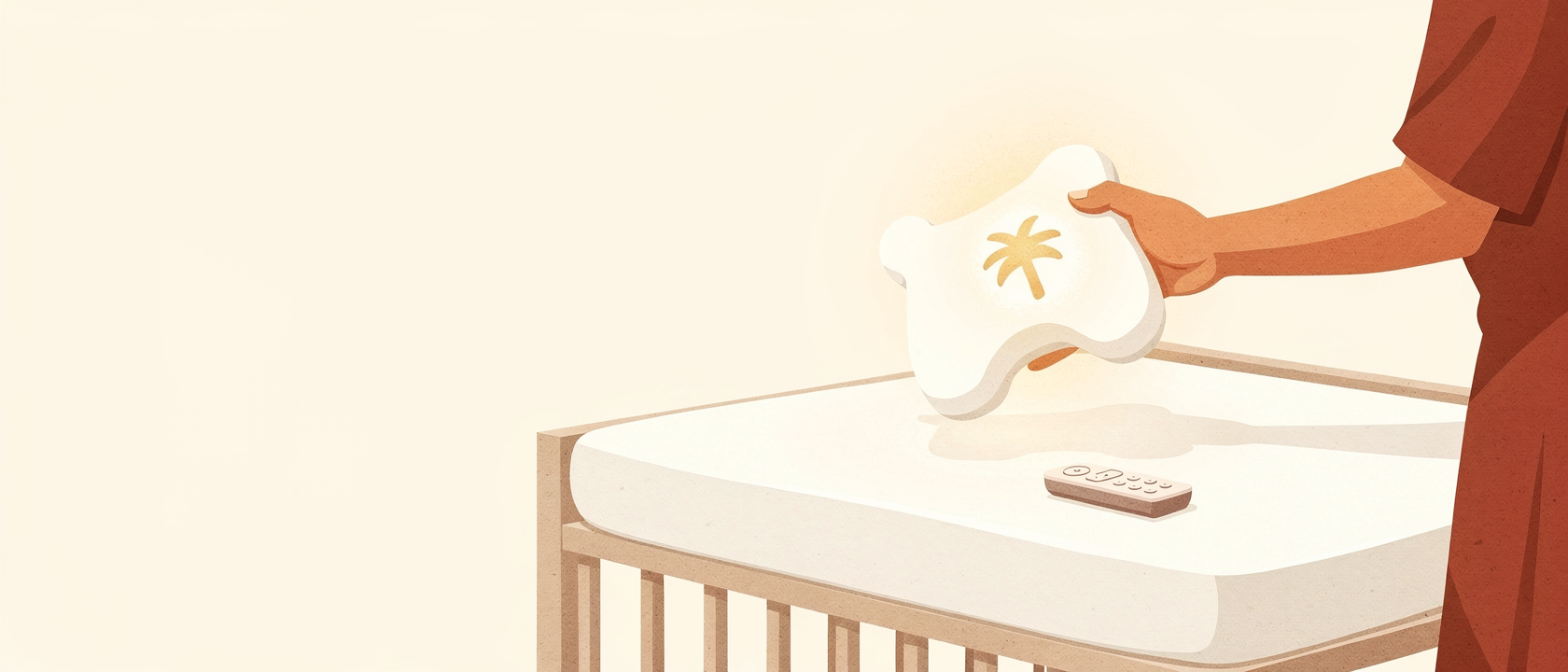
Warming Baby Sleep Pillow Toy: OPSS Serious Risk
On 21 October 2026 OPSS published a serious-risk report on an animal-shaped baby sleep pillow with a built-in warming device, sold via Wish. Here is what the report says, why the NHS advises against both pillows and heat sources in the cot, and what to do if you have one.

Written by
Sepehr
Software engineer, soon-to-be dad, uncle to four — the tech-obsessed half of the two of us testing this stuff. Currently building this site with my wife, ahead of our own baby arriving.