Best Postpartum Recovery Products Compared (UK Guide)
Six postpartum recovery products compared for UK parents, from £6 cooling pads to a £25 hot-and-cold pack, with NHS advice on bleeding, stitches and tampons, a sample starter budget and when to call your midwife.
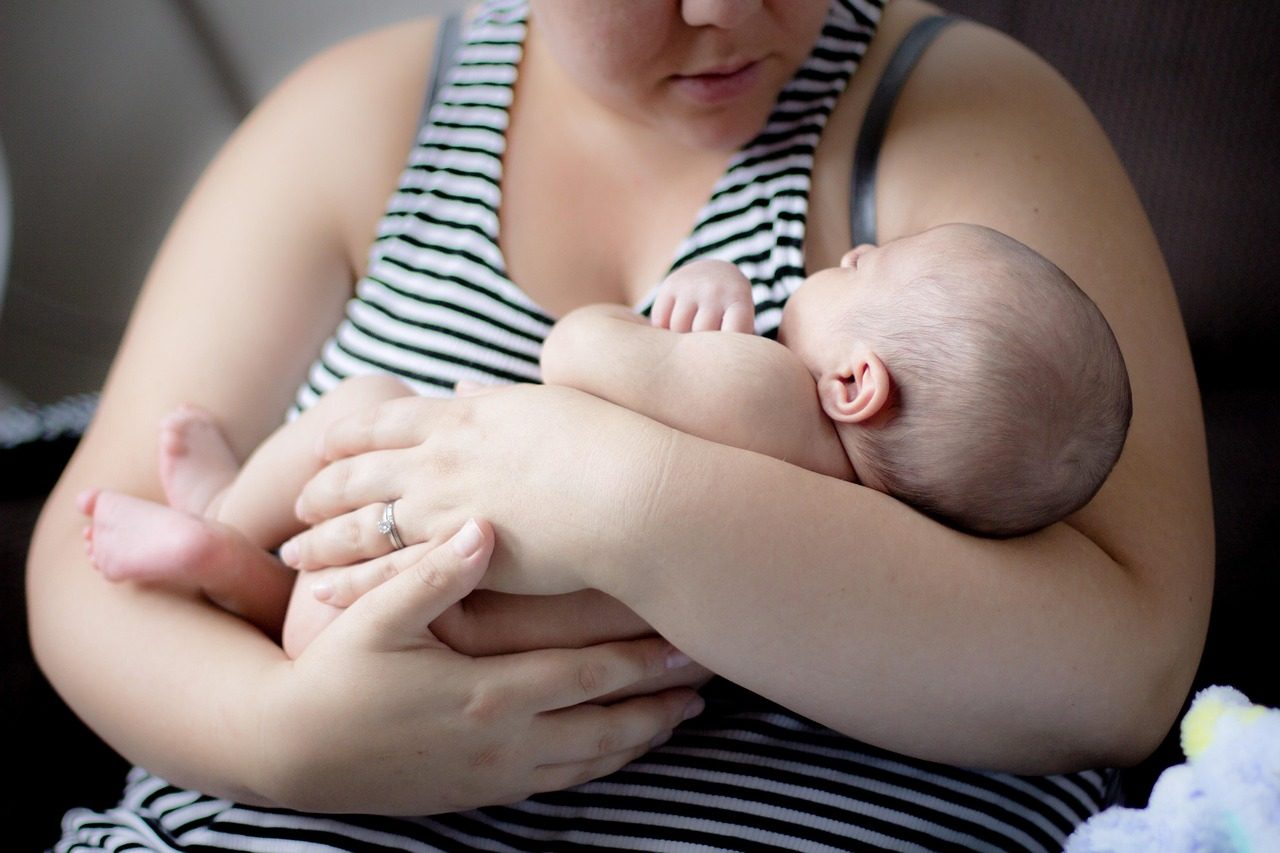
The best postpartum recovery products for most people are maternity pads, high-waisted pants, a peri bottle and a few cooling pads, bought before the birth. We compared six UK options from about £6 to £25. Our value pick is the Lansinoh cooling pads; we have not tested any of them ourselves.
The six recovery products at a glance
These are the six items in our postpartum recovery roundup. Prices are the figures on our product pages and can change, so check the retailer before you buy. Specs come from manufacturer and retailer listings, not our own testing.
| Product | Price | Type | Reusable? | Best for |
|---|---|---|---|---|
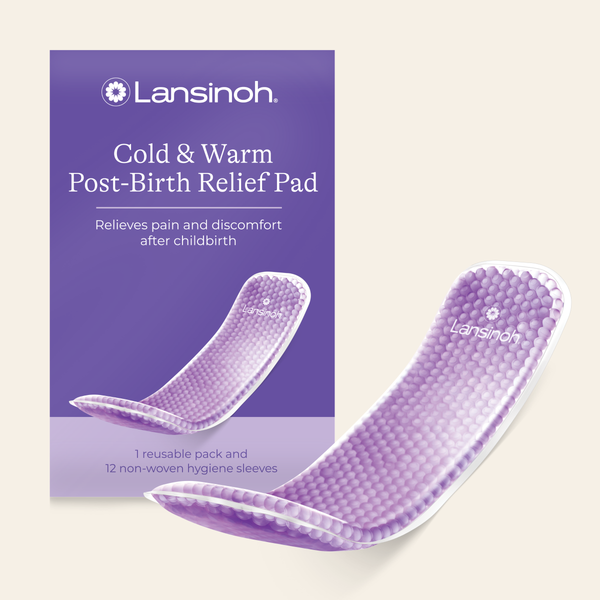
| Cold & Warm Post-Birth Relief Pad (Lansinoh) | Around £6 for 4 | Gel pad, chill then insert | Yes | Cheap cooling once home |
| Net XL Disposable Underwear (Abena) | Around £8.99 for 5 | Disposable high-waisted pants | No | Zero laundry in week one |
| Upside Down Peri Bottle (Frida Mom) | About £11 | 300ml angled rinse bottle | Yes | Gentle washing after the loo |
| Instant Ice Maxi Pads (Frida Mom) | Around £13 for 24 | Self-cooling disposable pad | No | Hospital bag and first 48 hours |
| Discreet Post Partum Pants (Always) | Around £20.88 (as listed) | High-absorbency maternity pads | No | Heavy early bleeding |
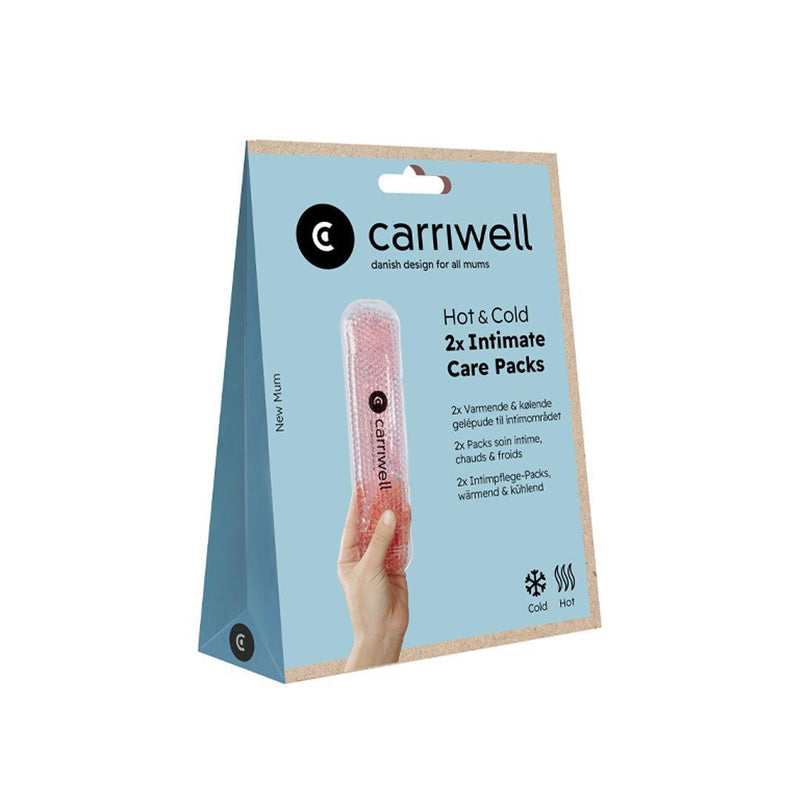
| Hot & Cold Pack Intimate (Carriwell) | £24.95 | Reusable gel pack, hot or cold | Yes | One pack, two jobs |
You can browse the full set on our best postpartum recovery page, and our postpartum recovery guide explains what the first few weeks actually involve.
What the NHS says you will need to manage
Recovery products only make sense once you know what they are for. The NHS says bleeding after birth will be quite heavy at first and that you will need super-absorbent period pads. It advises changing them regularly and washing your hands before and after, and says the bleeding usually turns brownish and slowly stops over a few weeks. It also says not to use tampons until you have had your 6-week postnatal check, which is why a pad is the only sensible choice for this stage.
For stitches or tears, the NHS advises bathing or showering with plain warm water every day to help prevent infection, then patting dry. It says drinking lots of water dilutes your urine, which may make weeing sting less, and that you should hold a clean pad over your stitches when you poo and try not to strain. If you pass large clots, or stitches feel very sore, tell your midwife. None of the products below replaces that advice; they just make the routine easier.
How to choose: five things that matter more than the brand
1. Disposable or reusable
Disposables, such as the Frida Mom ice pads and Abena pants, cost more over time but need no washing, which counts for a lot in the first week. Reusable gel pads, such as the Lansinoh and Carriwell packs, are cheaper per use over a fortnight but need rinsing and re-chilling. Many people land on a mix: a small disposable stash for hospital and the first 48 hours, then reusables once home near a freezer.
2. Where you will be recovering
Reusable cooling pads need a freezer and some forward planning. If you are likely to be on a postnatal ward, or want something in your hospital bag, a self-activating pad is simpler. Our hospital bag checklist covers what to pack for the ward and what can wait at home.
3. Type of birth
A peri bottle and cooling pads are aimed at perineal soreness after a vaginal birth, with or without stitches. After a caesarean the priorities shift to pads, comfortable high-waisted pants that sit clear of the scar, and pain relief your midwife or doctor has approved. The NHS page on your body after birth points to separate caesarean recovery information, so ask your midwife what applies to you.
4. How much you will get through
Early bleeding means pads and pants go quickly. A sensible approach is to buy one pack of each before the birth, then top up from a supermarket or pharmacy once you know how heavy things are. Buying six boxes in advance is a common way to overspend.
5. Comfort next to stitches
Look for soft, high waistbands and breathable fabric. Because everyone heals differently, treat any product as a comfort aid rather than a treatment, and tell your midwife if something irritates the area.
The six products in more detail
Lansinoh cold and warm post-birth relief pads: best value
These are soft gel pads you chill in the fridge or freezer and slot inside a maternity pad. At around £6 for four they are the cheapest way to get cooling relief, and the fabric cover means they sit against skin without the sting of a bare ice cube. The trade-off is logistics: you need freezer space, and you have to rinse and re-chill them. If you want one pre-birth purchase, this is it. See the full product page.
Frida Mom instant ice maxi pads: best for the hospital bag
These disposable pads are specced to activate with a bend, with no freezer needed. At around £13 for 24 they cost more per use, but they work anywhere, which suits a ward stay and the first 48 hours. Availability can vary by retailer. Details are on the product page.
Carriwell hot and cold pack: best all-rounder
This contoured reusable pack sits inside maternity briefs. Chilled, it works like the disposable pads for swelling. Warmed, the manufacturer positions it for cramping and engorgement too. At £24.95 it costs the most up front, but one pack replaces a continuing box of disposables. It does need washing between uses and a freezer or microwave nearby. See the Carriwell product page.
Frida Mom upside down peri bottle: best for toilet trips
The angled nozzle lets you rinse while sitting upright instead of leaning forward, and the 300ml bottle comes with a small pouch. At about £11 it is a modest buy. A squeezy bottle from home does a similar job for free, so this is a comfort upgrade rather than a necessity. If you use any bottle, fill it with plain warm water, in line with the NHS advice on plain water for stitches. Read more on the peri bottle page.
Always maternity pads: best for heavy early bleeding
These are longer and more absorbent than everyday pads and are stocked in most supermarkets and pharmacies, so you can top up easily. They are bulky and work best with high-waisted pants. Pack counts differ between retailer listings, so check the box before comparing price per pad. See the Always product page.
Abena net disposable pants: best for no laundry
These stretch mesh pants hold a pad in place with a soft waistband that sits clear of stitches. A five-pack at around £8.99 covers the first week or so, after which many people switch to washable high-waisted pants. Sizing can run small, so check the size guide before you buy. Details are on the product page.
A sample starter kit and budget
| Item | Quantity | Approx. cost |
|---|---|---|
| Maternity pads | 1 pack, top up later | About £21 |
| Disposable high-waisted pants | 1 pack of 5 | About £9 |
| Reusable cooling pads | 1 pack of 4 | About £6 |
| Peri bottle (or a spare squeezy bottle) | 1 | £0 to £11 |
| Self-cooling pads for the hospital bag | A few from a pack of 24 | About £13 |
That comes to roughly £49 to £60, depending on how many extras you add. Skip the pricier combined pack unless you want a hot option for cramps. Add the items to your baby checklist or registry so a relative can buy them for you, and read our perineal massage guide for what you can do before the birth.
Common mistakes to avoid
- Using tampons or a menstrual cup. The NHS says not to use tampons until your 6-week postnatal check.
- Leaving it all until after the birth. Pads, pants and a bottle are easiest to buy before you are tired and sore.
- Putting bare ice against skin. A cover or a maternity pad between ice and skin is more comfortable.
- Ignoring constipation. The NHS says it is important not to let yourself get constipated, so eat fibre and drink water.
- Treating a product as a fix. Pain that is getting worse is a reason to call your midwife, not to buy another pad.
When to get help
The NHS says to tell your midwife, health visitor or GP straight away if you have sudden or very heavy bleeding (especially if you feel faint or your heart is racing), a high temperature with a sore, tender tummy, chest pain or difficulty breathing, pain, swelling or redness in one calf, or a headache with vision changes or vomiting. If you feel very unwell, do not wait for an appointment. Tell your midwife if you notice an unpleasant smell or weeing is very difficult. At your postnatal check, 6 to 8 weeks after the birth, you can also raise pelvic floor problems, ongoing perineal pain or low mood. This guide is general information, not medical advice.
Mentioned in this guide
Frequently asked questions
What do I need to buy for postpartum recovery?+
Most people need maternity pads, high-waisted pants or disposable briefs, and something for soreness such as cooling pads or a peri bottle. The NHS says bleeding will be quite heavy at first and that you will need super-absorbent period pads, so pads and pants are the essentials. Cooling pads and a peri bottle are comfort extras that mainly help after a vaginal birth. Buy one pack of each before the birth, pack a few for the hospital and top up once you know how heavy your bleeding is. Ask your midwife if you are unsure what suits your type of birth.
Can I use tampons after giving birth?+
No. The NHS says you should not use tampons until you have had your 6-week postnatal check, so use maternity or period pads while your body heals. That is why a high-absorbency maternity pad is the staple recovery product. Bleeding usually turns brownish and slowly stops over a few weeks. If you pass large clots, or the bleeding suddenly becomes very heavy, tell your midwife, health visitor or GP straight away, especially if you feel faint or your heart is racing. Your GP can talk through when it is safe to switch back to your usual products.
Are disposable or reusable cooling pads better?+
It depends where you are recovering. Disposable self-cooling pads need no freezer and no washing, so they suit a hospital bag and the first 48 hours, but they cost more per use and create waste. Reusable gel pads are cheaper over a fortnight, but you have to rinse and re-chill them, and you need freezer space at home. Many people use a small disposable stash first and reusables later. Whichever you choose, put a cover or maternity pad between the pack and your skin, and tell your midwife if soreness is getting worse rather than better.
Do I really need a peri bottle?+
Not strictly. A peri bottle, such as the angled Frida Mom one, makes rinsing more comfortable because you do not have to lean forward, but a clean squeezy bottle from home does a similar job. The NHS advises bathing or showering stitches with plain warm water every day to help prevent infection, then patting dry, and says drinking lots of water dilutes your urine so weeing may sting less. Use plain warm water in any bottle. If weeing is very difficult, you feel very sore or you notice an unpleasant smell, tell your midwife.
Sources
Related guides

Cot Mattress UK: What to Check Before You Buy (2026)
Black Friday is a good moment to buy a cot mattress, but only if it passes the safety basics. The NHS and Lullaby Trust say it should be firm, flat, waterproof-covered and fit the cot with no gaps. Here is the checklist, a comparison of mattress types, second-hand rules and the sale-season traps to avoid.

BlueMello Swaddle Blanket Recall (Amazon): OPSS Warning
OPSS has recalled the BlueMello Baby Swaddle Blanket sold on Amazon because a baby can slip below the covers, risking overheating and airway obstruction. Here is what to do, how to check any swaddle, and safer UK alternatives.
Baby Sleep Away From Home at Christmas: UK Safe Guide
Staying with family over Christmas? Here is how to set up safe sleep for your baby away from home: checking a borrowed cot and mattress, using a travel cot, handling car seats and sofas, and what to pack, with NHS and Lullaby Trust guidance.

Written by
Sepehr
Software engineer, soon-to-be dad, uncle to four — the tech-obsessed half of the two of us testing this stuff. Currently building this site with my wife, ahead of our own baby arriving.