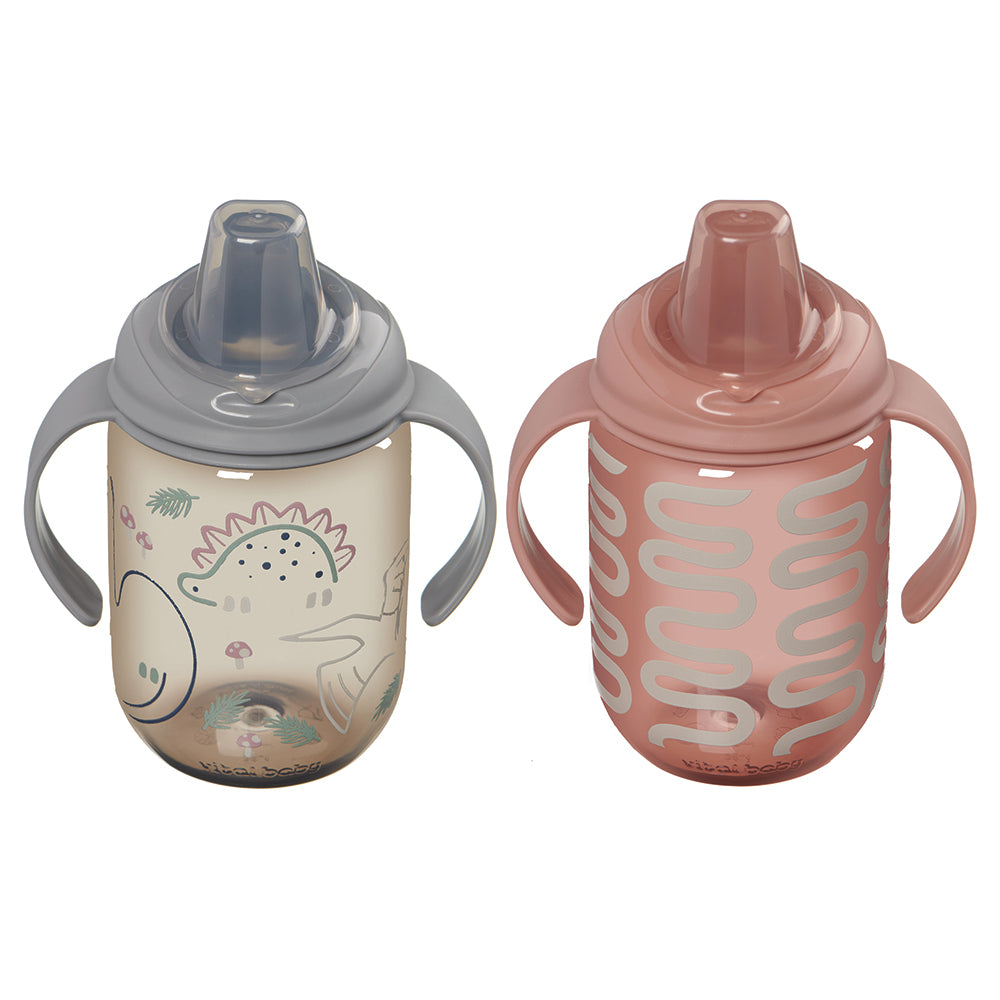
Vital Baby
Easy Sipper Cup, Pack of 2
7/10 overallAround £10.99 for 2
A two-handled first cup with a soft silicone spout, designed as a bridge between bottle and open cup.
The verdict
Vital Baby's Easy Sipper, around £10.99 for two, uses a soft silicone spout rather than hard plastic, making it a gentler bridge for a baby moving off bottles. Best for parents wanting a familiar, bottle-like first cup rather than jumping straight to open-cup drinking. Skip it if the goal is skipping spouts altogether — the Munchkin Miracle 360 is the better choice for that.
This cup uses a soft silicone spout rather than a hard plastic one, which is gentler on developing gums and closer in feel to a bottle teat — a useful bridge for a baby just moving off bottles. Two side handles make it easier for smaller hands to grip and lift independently earlier than a single-handled cup allows.
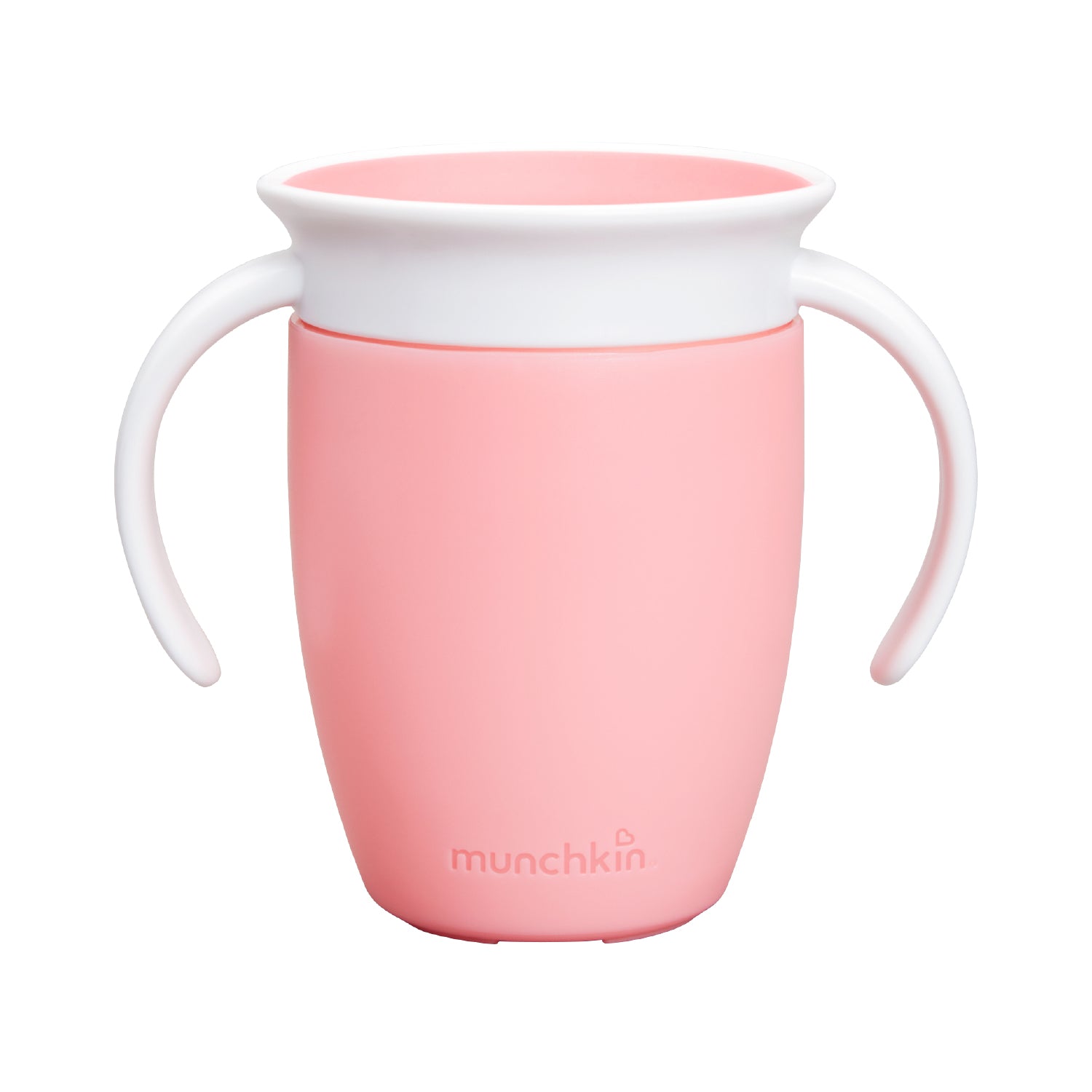
Against Munchkin's valve-free Miracle 360, the Soft Sip is the gentler, more familiar-feeling first step, while the Miracle 360 is the better choice if the goal is skipping spouts altogether and moving straight to open-cup drinking.
Is the Easy Sipper Cup, Pack of 2 worth it?
- Soft spout is gentle on developing gums
- Twin handles help early independent grip
- Good value entry-level cup
What are the downsides of the Easy Sipper Cup, Pack of 2?
- Valve can slow flow more than some babies like
- Spout softens and can get chewed out of shape over time
- Doesn't fully mimic open-cup drinking like a rim-style cup
Specs
- Valve
- Anti-spill valve included
- Design
- Soft silicone spout, twin handles
- Capacity
- 150ml
- Dishwasher safe
- Yes, top rack
How we scored it
Mess Containment
How well it catches food, purée and dribble before it reaches clothes or the floor.
Valve controls flow well when intact.
Comfort & Fit
How comfortable the fastening and material are against a baby's neck for a full meal.
Soft spout and twin handles are comfortable for small hands and gums.
Durability
How well it holds up to daily use, wiping down and dishwasher or machine washing.
Silicone spout can wear or get chewed out of shape over months.
Weighted by importance for this category — see our editorial policy for how we test.
How this review was done
We haven't used the Easy Sipper Cup, Pack of 2 ourselves yet. This review is built from Vital Baby's published specifications and product information, and scored the same way as everything else on the site. We'll update it, and the badge above, once we've tested it hands-on.
How it compares
| 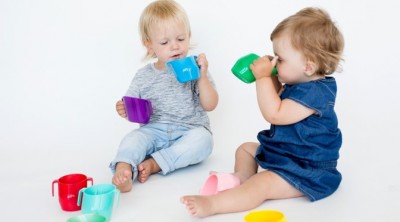 | 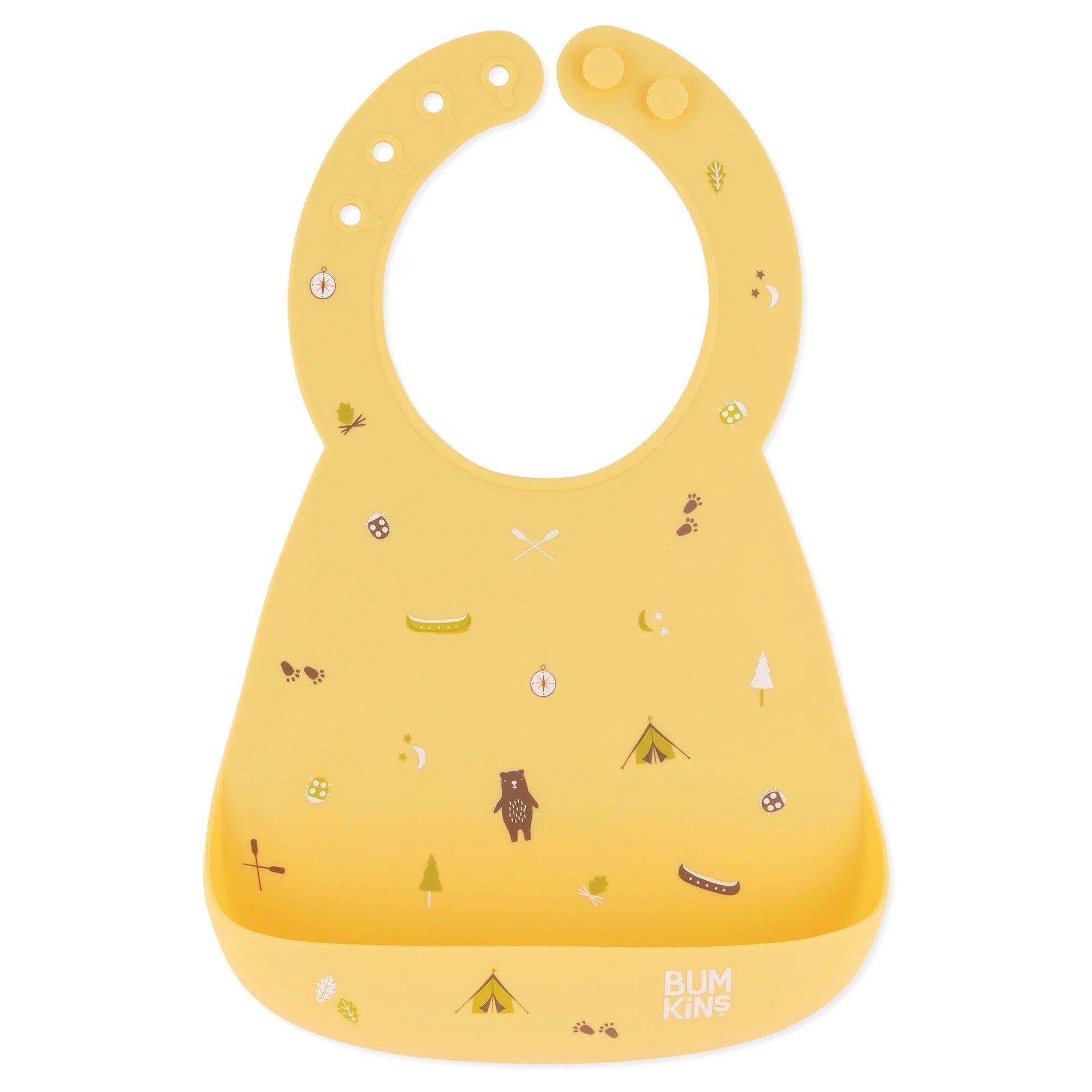 |  | |
|---|---|---|---|---|
| Price | Around £10.99 for 2 | £6.99 | £12.99 | Around £8 |
| Overall score | 7/10 | 6.4/10 | 8.1/10 | 8.1/10 |
| Design | Soft silicone spout, twin handles | — | — | 360-degree spill-proof rim, no valve |
| Capacity | 150ml | — | — | 177ml / 296ml options |
| Dishwasher safe | Yes, top rack | — | — | Yes |
Frequently asked questions
Why choose a soft spout over a hard one?+
The soft silicone spout is gentler on developing gums and closer in feel to a bottle teat, making it a useful bridge for a baby just moving off bottles — a gentler, more familiar-feeling first step than a rim-style cup.
Does the Easy Sipper spill?+
It has an anti-spill valve that controls flow well when intact, though the valve can slow flow more than some babies like.
How durable is the spout?+
It can soften and get chewed out of shape over time, since it's silicone that developing teeth work against daily.
How does this compare to the Munchkin Miracle 360?+
The Miracle 360 is the better choice if the goal is skipping spouts altogether and moving straight to open-cup drinking, while the Soft Sip is the gentler, more familiar-feeling first step for a baby just off the bottle.
Guides that mention this

Best Baby Cups and Weaning Bibs Compared (UK)
The NHS recommends an open or free-flow cup without a valve from around 6 months. This guide compares three baby cups and three weaning bibs on price, design and mess, and flags the one cup that uses a valve.

Toddler Fussy Eating: What Actually Helps (and What Makes It Worse)
Fussy eating is extremely common between 1 and 3 years old. Pressure tends to make it worse, not better — here is what genuinely helps.

Reviewed by
Sepehr
Software engineer, soon-to-be dad, uncle to four — the tech-obsessed half of the two of us testing this stuff. Currently building this site with my wife, ahead of our own baby arriving.