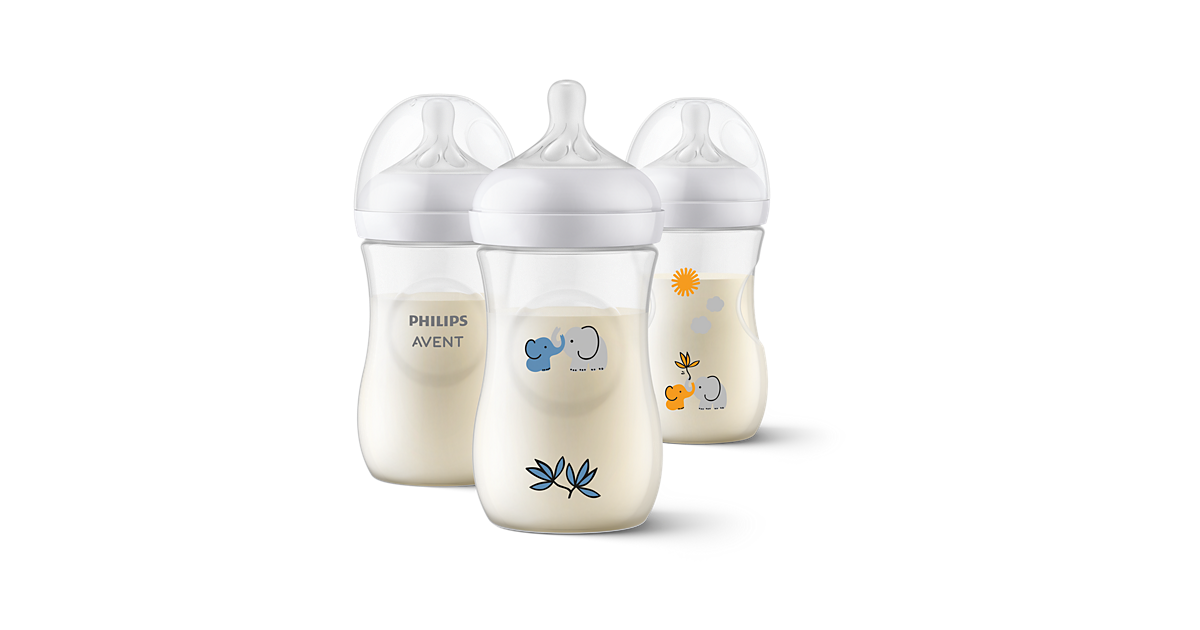
Philips Avent
Natural Response Glass Baby Bottle, 120ml
7.9/10 overall£11.99
A bottle with a responsive teat designed to require active sucking, similar to breastfeeding, so baby controls the flow.
The verdict
Philips Avent's Natural Response bottle has a teat that requires active sucking, like breastfeeding, so your baby controls the flow rather than milk flowing passively, priced at £11.99. It's aimed squarely at combination feeding and helping reduce overfeeding - a solid mid-range pick, though some babies used to a faster passive flow need time to adjust.
Philips Avent's Natural Response teat is designed around a specific idea: rather than milk flowing passively when the bottle is tilted, the teat requires the baby to actively suck to draw milk, mimicking the effort involved in breastfeeding more closely than a passive-flow teat. The stated goal is to help babies move between breast and bottle more easily, and to reduce overfeeding by keeping the baby, not gravity, in control of pacing.
Against NUK's First Choice+, the Natural Response system is the more research-marketed option specifically targeting combination feeding, at a moderate step up in price. Its wide, breast-shaped teat is also one of the more commonly well-accepted shapes for babies switching between breast and bottle.
Is the Natural Response Glass Baby Bottle, 120ml worth it?
- Active-sucking teat design closely mimics breastfeeding effort
- Wide, breast-shaped teat is well accepted by many combination-feeding babies
- Easy to clean with few parts
What are the downsides of the Natural Response Glass Baby Bottle, 120ml?
- Mid-range price versus the most basic bottles
- Some babies used to a faster passive flow take time adjusting
- Anti-colic performance solid but not as thorough as Dr Brown's internal vent
Specs
- Capacity
- 260ml
- Teat shape
- Wide, breast-shaped, active-sucking design
- Venting system
- Anti-colic valve
- Dishwasher/steriliser safe
- Yes
How we scored it
Anti-Colic Performance
How effectively the valve or venting system reduces air intake and wind/colic symptoms during feeds.
Solid valve-based venting, though not as thorough as an internal vent system.
Ease of Cleaning
Number of parts, dishwasher/steriliser compatibility, and how fiddly the valve is to wash.
Few parts, wide neck, straightforward to clean.
Teat Acceptance
How readily babies take to the teat shape, especially when switching between breast and bottle.
Breast-shaped, active-sucking design is one of the better-accepted shapes for combination feeding.
Weighted by importance for this category — see our editorial policy for how we test.
How this review was done
We haven't used the Natural Response Glass Baby Bottle, 120ml ourselves yet. This review is built from Philips Avent's published specifications and product information, and scored the same way as everything else on the site. We'll update it, and the badge above, once we've tested it hands-on.
How it compares
| 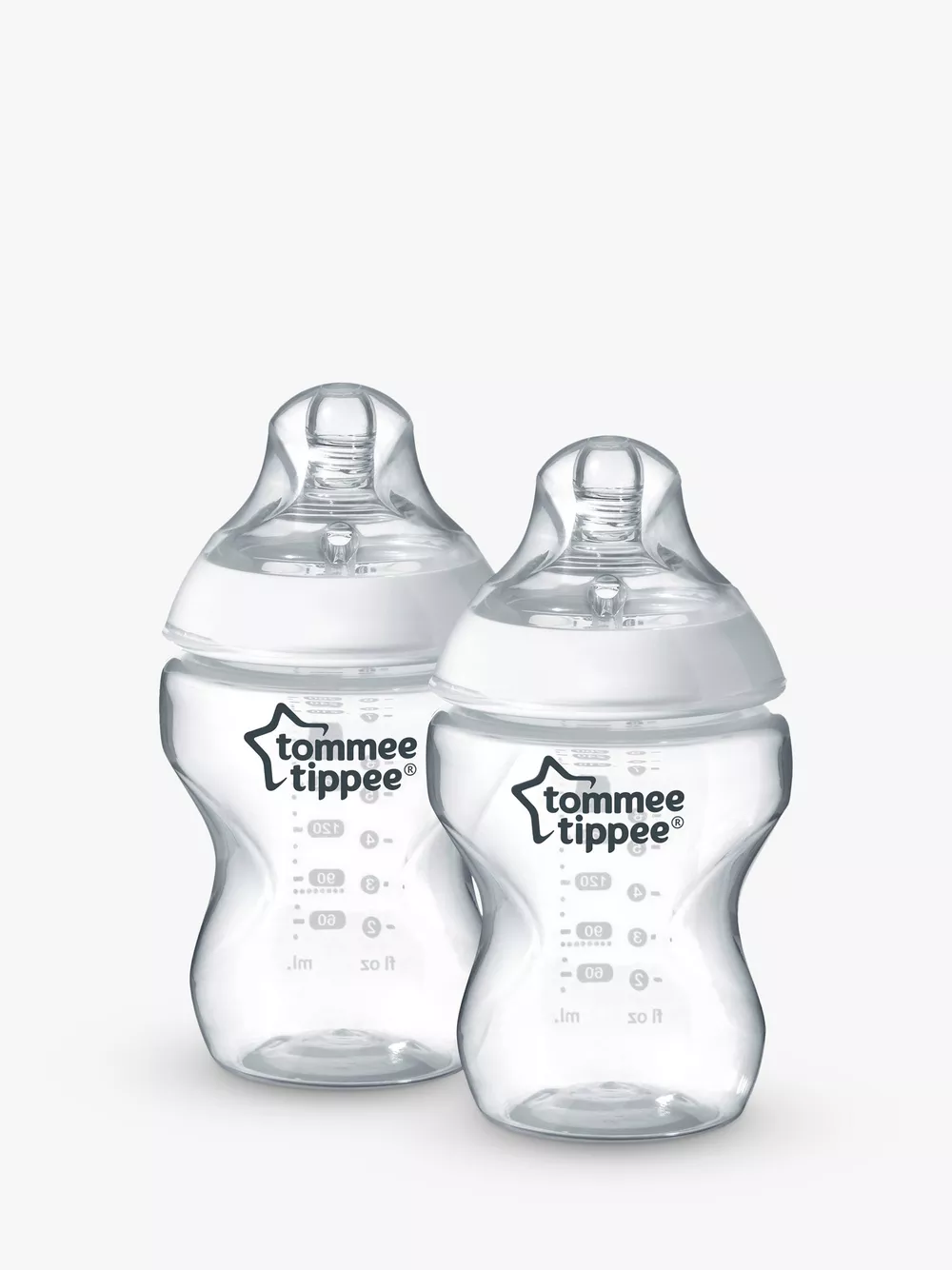 | 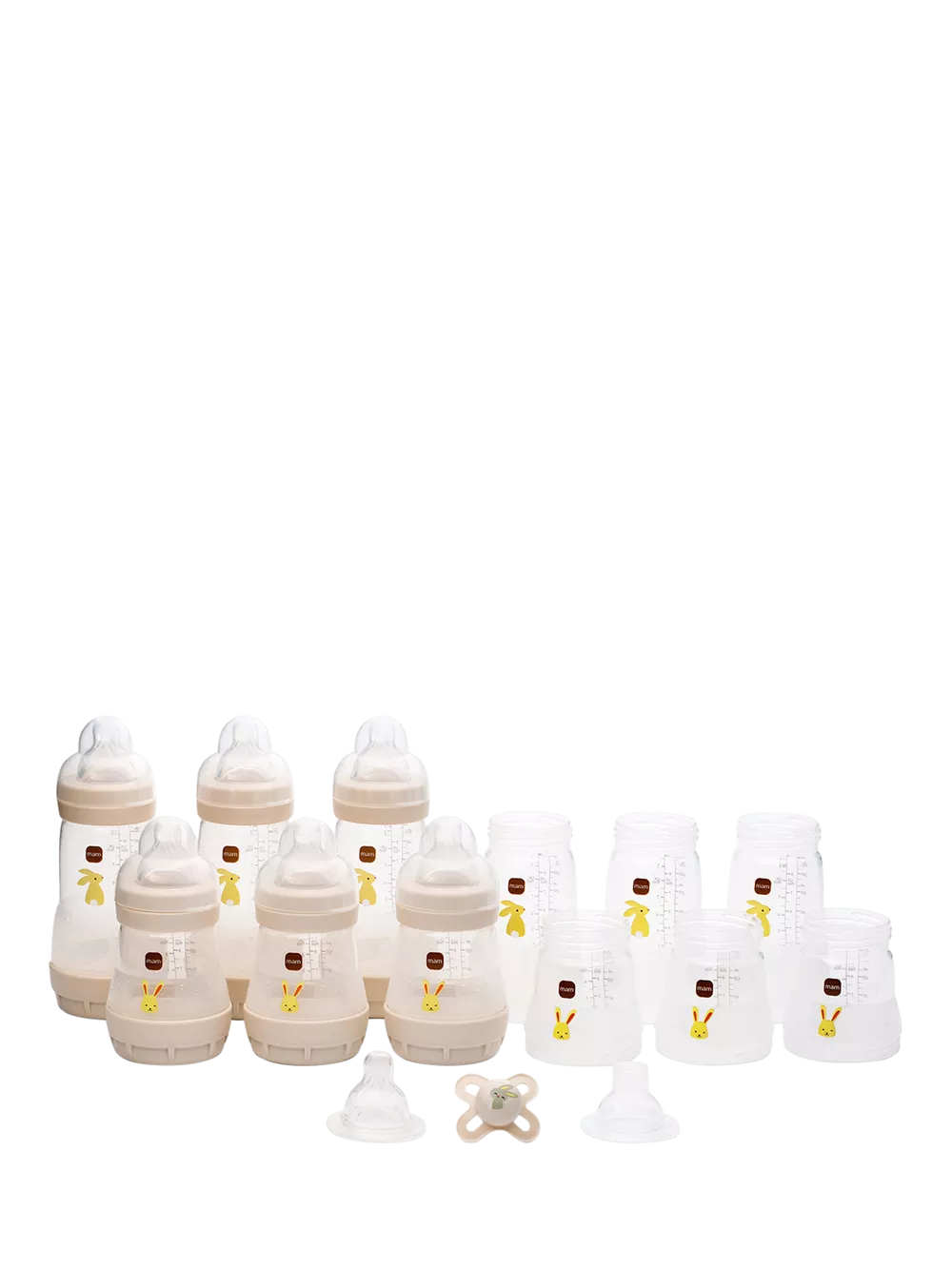 |  | |
|---|---|---|---|---|
| Price | £11.99 | £10.99 (2 bottles) | £19.99 (large set) | £20.99 (4-pack) |
| Overall score | 7.9/10 | 8.3/10 | 8.1/10 | 6.9/10 |
| Capacity | 260ml | 260ml | 320ml (Large) | 300ml |
| Teat shape | Wide, breast-shaped, active-sucking design | — | — | Orthodontic |
| Venting system | Anti-colic valve | — | — | Single anti-colic air vent |
Frequently asked questions
How does the Natural Response teat work?+
Rather than milk flowing when the bottle is tilted, the teat requires the baby to actively suck to draw milk out, mimicking the effort of breastfeeding and aiming to keep the baby, not gravity, in control of pacing - which the brand markets as a way to help reduce overfeeding.
Is this bottle good for combination feeding?+
Yes - it's specifically marketed at helping babies move between breast and bottle more easily, and its wide, breast-shaped teat is one of the more commonly well-accepted shapes for babies who are combination feeding between the two.
Will my baby take to the Natural Response teat straight away?+
Most babies switching between breast and bottle accept the wide, breast-shaped teat well, but some babies used to a faster passive flow from another bottle take time adjusting to the active-sucking design before they settle into it comfortably.
How does it compare to NUK First Choice+ on price and anti-colic performance?+
It's a moderate step up in price versus NUK's First Choice+, and its anti-colic valve is solid but not as thorough as Dr Brown's internal vent system, so it sits in the middle of the category on both cost and colic performance.
Guides that mention this

Best Baby Bottles Compared (UK Guide)
Six baby bottles compared on price, venting, material and best use: Tommee Tippee, Dr Brown's, Philips Avent, MAM, NUK and Comotomo. Includes NHS advice on choosing teats, newborn flow and safe bottle feeding.

Breastfeeding vs Formula Feeding: The Honest Basics
This isn't a competition with one right answer. Here's what actually differs in practice, so you can make the choice that fits your circumstances.

Reviewed by
Sepehr
Software engineer, soon-to-be dad, uncle to four — the tech-obsessed half of the two of us testing this stuff. Currently building this site with my wife, ahead of our own baby arriving.