Mira
Mira Plus Fertility Hormone Monitor
6.9/10 overallAround £200 for the analyser (wands sold separately)
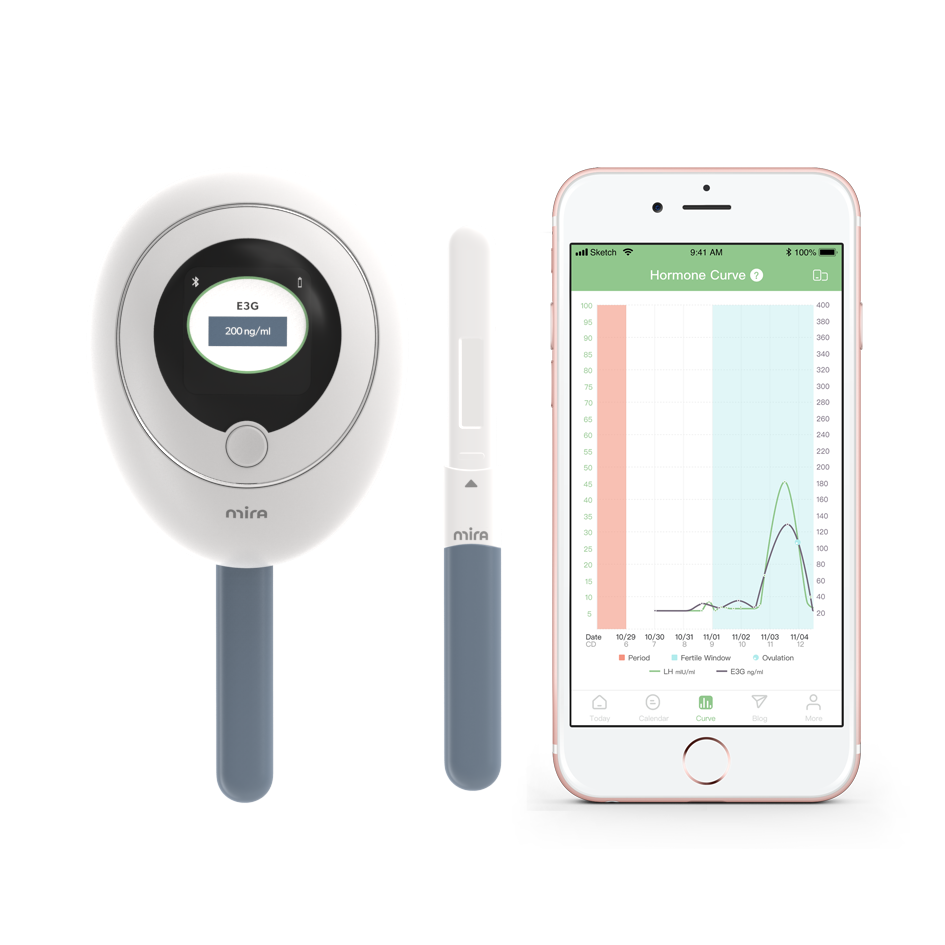
A connected hormone-monitoring device that measures actual LH and estrogen levels via urine test wands, not just predicting from calendar data.
The verdict
Mira Plus is an analyser device that reads actual LH and estrogen concentration levels from disposable test wands rather than a simple positive/negative result, with the device around £200 and wands sold separately. It suits people wanting lab-style quantified data or working with a fertility specialist — most people trying to conceive don't need this level of detail or expense.
Mira takes a fundamentally different approach from Flo's app or Natural Cycles' temperature-based method already in this category: it's a small analyser device that reads actual hormone concentration levels (not just positive/negative) from disposable test wands, syncing quantified results to a companion app. This gives genuinely more granular data than a smiley-face or line-based test, useful if you're trying to understand your cycle in more depth, or working with a fertility specialist.
The cost structure is the main consideration against Femometer's simpler basal thermometer also in this category: the analyser device itself is a one-off cost, but the test wands are an ongoing consumable expense, and Mira sits at the premium end of the fertility-apps-tools category overall as a result. It's best suited to those who want lab-style quantified hormone data at home rather than the simplest possible tracking method.
Is the Mira Plus Fertility Hormone Monitor worth it?
- Quantified hormone data, more detailed than positive/negative tests
- Useful for working alongside a fertility specialist
- Companion app tracks trends over multiple cycles
What are the downsides of the Mira Plus Fertility Hormone Monitor?
- High upfront cost for the analyser device
- Ongoing cost of disposable test wands
- More complex than most people trying to conceive actually need
Specs
- Data
- Actual hormone concentration levels, not just positive/negative
- Format
- Analyser device + disposable test wands
- Connectivity
- Bluetooth, companion app
- Ongoing cost
- Test wands sold separately
- Tracking method
- Quantified LH/estrogen hormone analysis
How we scored it
Prediction Accuracy
How reliably the tool identifies or confirms the fertile window.
Quantified hormone readings give more granular accuracy than binary positive/negative tests.
Ease of Daily Use
How simple it is to fit into a daily routine.
More setup and ongoing wand costs than simpler app or strip-based tracking.
Value for Money
Subscription or purchase cost relative to what you get.
Premium pricing for a level of detail most people trying to conceive don't need.
Weighted by importance for this category — see our editorial policy for how we test.
How this review was done
We haven't used the Mira Plus Fertility Hormone Monitor ourselves yet. This review is built from Mira's published specifications and product information, and scored the same way as everything else on the site. We'll update it, and the badge above, once we've tested it hands-on.
How it compares
|  |  |  | |
|---|---|---|---|---|
| Price | Around £200 for the analyser (wands sold separately) | Around £249 one-off for the bracelet | £64.99 (monitor + 10 test sticks), refills from £29.99 | £25.99 |
| Overall score | 6.9/10 | 7.7/10 | 7.1/10 | 7.8/10 |
| Format | Analyser device + disposable test wands | Wrist-worn bracelet + companion app | — | — |
| Connectivity | Bluetooth, companion app | — | — | Bluetooth, syncs to Femometer app |
| Tracking method | Quantified LH/estrogen hormone analysis | Multi-signal overnight wearable (temperature, pulse, breathing) | — | — |
Frequently asked questions
What makes Mira different from a normal ovulation test?+
Mira reads actual hormone concentration levels, not just a positive or negative result, syncing quantified LH and estrogen data to a companion app. That gives more granular detail than a smiley-face or line-based test.
How much does Mira cost to run?+
The analyser device is around £200 as a one-off cost, but the test wands are sold separately as an ongoing consumable expense, putting Mira at the premium end of the fertility-tools category overall.
Is Mira worth it for most people trying to conceive?+
Probably not — it's more complex and detailed than most people trying to conceive actually need. It's better suited to those wanting to understand their cycle in depth or working alongside a fertility specialist.
Can Mira track trends over multiple cycles?+
Yes, the companion app tracks hormone trends over multiple cycles, which is useful if you want to see patterns in your quantified data over time.
Guides that mention this
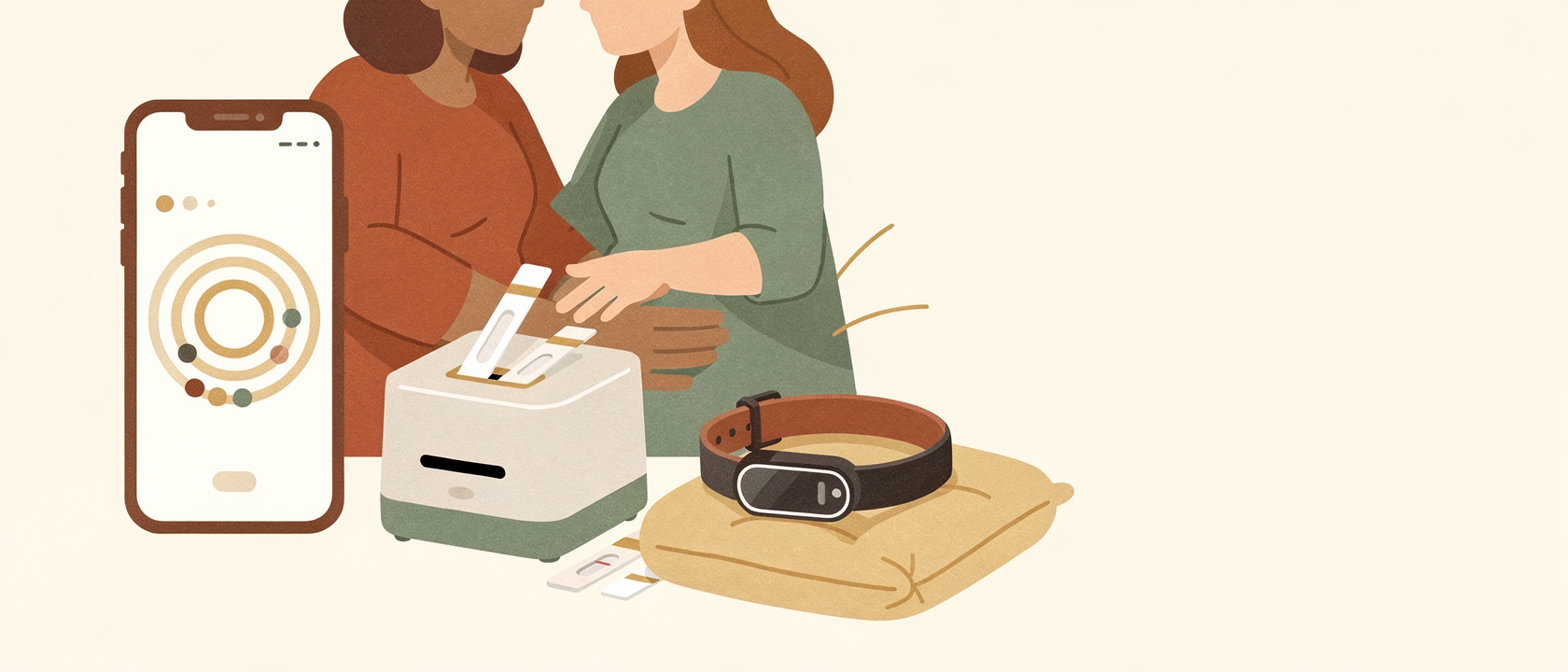
Natural Cycles vs Mira vs Ava: Which Fertility Tracker Is Actually Worth It
These three tools solve the same problem in completely different ways, at completely different price points. Here's the real difference in what you're paying for.
Trying to Conceive with PCOS: What Actually Changes
PCOS makes standard ovulation tracking advice unreliable in specific, predictable ways. Here's what actually changes, and what genuinely helps instead.

Reviewed by
Sepehr
Software engineer, soon-to-be dad, uncle to four — the tech-obsessed half of the two of us testing this stuff. Currently building this site with my wife, ahead of our own baby arriving.