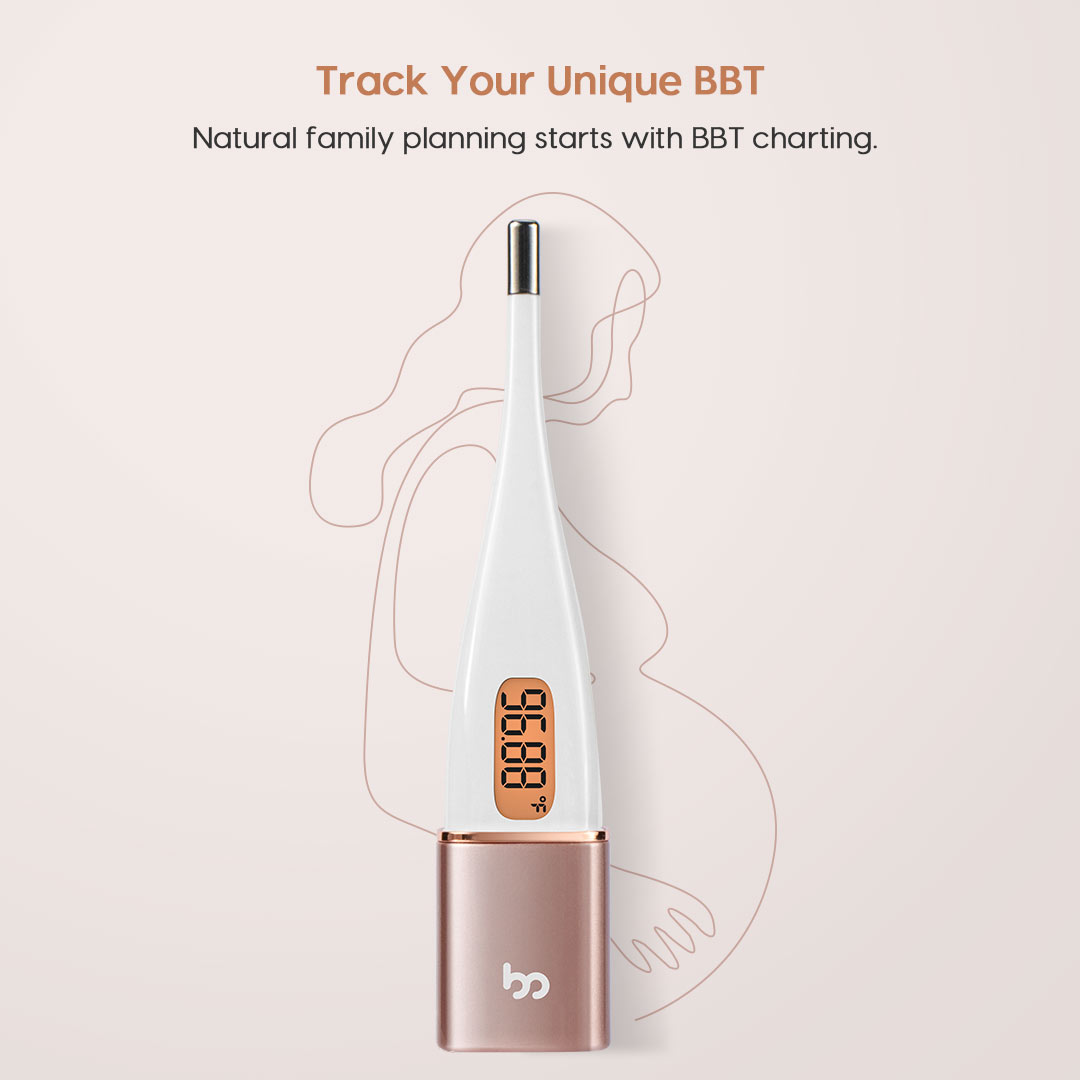
Femometer
Vinca Bluetooth Basal Body Thermometer
7.8/10 overall£25.99
Measures to 1/100th degree accuracy and syncs to an app to chart temperature-based ovulation confirmation.
The verdict
The Femometer Vinca is a Bluetooth basal thermometer accurate to 1/100th of a degree, priced at £25.99, that confirms after the fact that ovulation has happened by syncing your temperature shift straight to an app. It's best for people with consistent morning routines who want confirmation rather than prediction — shift workers or anyone with disrupted sleep should look elsewhere.
Basal body temperature tracking works on a simple physiological fact: your temperature rises slightly — a few tenths of a degree — after ovulation, and this thermometer is precise to 1/100th of a degree, which is fine enough resolution to actually catch that shift rather than missing it in normal measurement noise. Results sync automatically over Bluetooth to the companion app, so there is no manual charting on a paper graph — you take your temperature, and the shift shows up plotted against your cycle without you doing anything else.
The genuinely useful thing this does that neither an app nor an ovulation test can: confirm, after the fact, that ovulation has actually happened. Flo and other prediction apps estimate a likely fertile window from patterns and history; OPKs like the Clearblue or Easy@Home strips detect the LH surge that precedes ovulation. Only basal temping shows you the post-ovulation confirmation. Using it alongside an app or OPK gives you the fullest picture — prediction, surge detection, and confirmation — though it is also genuinely useful on its own for anyone who wants to understand their own cycle in detail over several months.
The real limitation is discipline, not the device: basal temping only works if you take your temperature at roughly the same time every morning, before getting up, moving around, or even talking much, because any of that raises your temperature enough to throw off the reading. That is a fairly rigid routine to maintain for months on end, and it will not suit everyone — shift workers with variable wake times, light sleepers who wake repeatedly in the night, and anyone whose mornings are unpredictable (a toddler already in the house, for instance) will likely find it frustrating rather than illuminating.
This is best suited to people with fairly consistent daily routines who want confirmation-grade data rather than prediction alone, and who are willing to build the same-time-every-morning habit. If your mornings are chaotic or your schedule shifts regularly, you are more likely to get inconsistent readings that undermine the accuracy this device is otherwise capable of.
Is the Vinca Bluetooth Basal Body Thermometer worth it?
- High-precision temperature confirms ovulation happened
- Automatic Bluetooth sync, no manual charting
- One-off purchase, no subscription
What are the downsides of the Vinca Bluetooth Basal Body Thermometer?
- Requires taking temperature at the same time daily
- Unsuitable for shift workers or disrupted sleep
- Confirms after the fact rather than predicting ahead
Specs
- Memory
- Stores readings for app history
- Accuracy
- 1/100th degree Celsius
- Best used
- At the same time each morning before rising
- Battery type
- Replaceable button cell
- Connectivity
- Bluetooth, syncs to Femometer app
- Measurement site
- Oral (basal)
How we scored it
Prediction Accuracy
How reliably the tool identifies or confirms the fertile window.
1/100th-degree precision confirms ovulation has actually happened.
Ease of Daily Use
How simple it is to fit into a daily routine.
Only works if taken at the same time every morning before rising.
Value for Money
Subscription or purchase cost relative to what you get.
One-off purchase rather than a subscription.
Weighted by importance for this category — see our editorial policy for how we test.
How this review was done
We haven't used the Vinca Bluetooth Basal Body Thermometer ourselves yet. This review is built from Femometer's published specifications and product information, and scored the same way as everything else on the site. We'll update it, and the badge above, once we've tested it hands-on.
How it compares
| 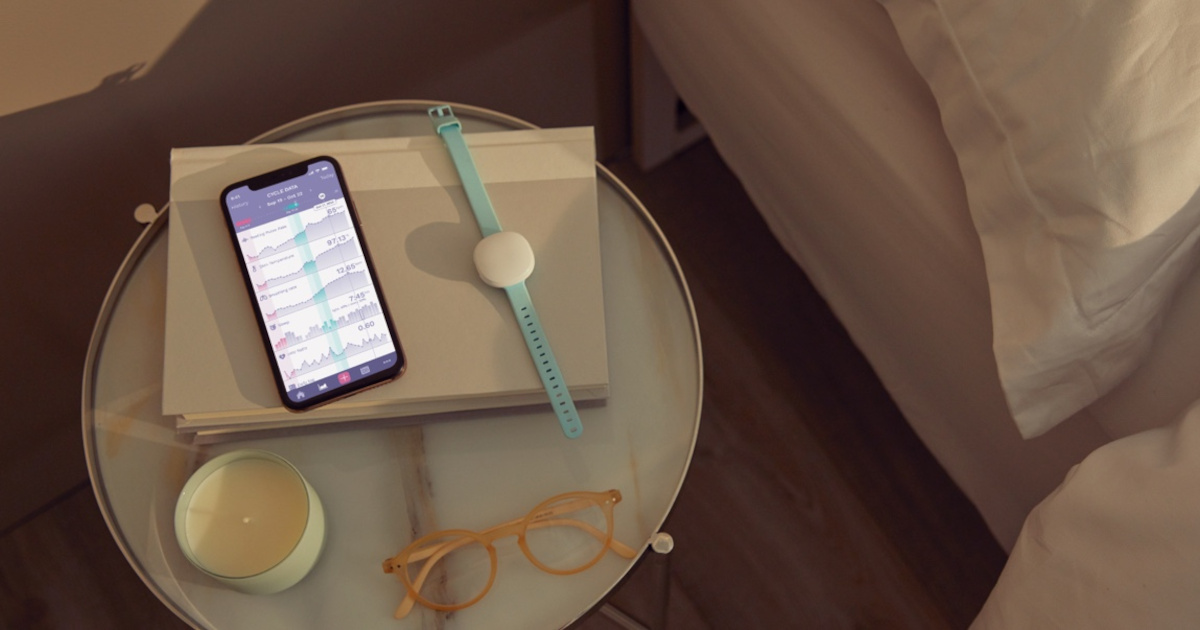 | 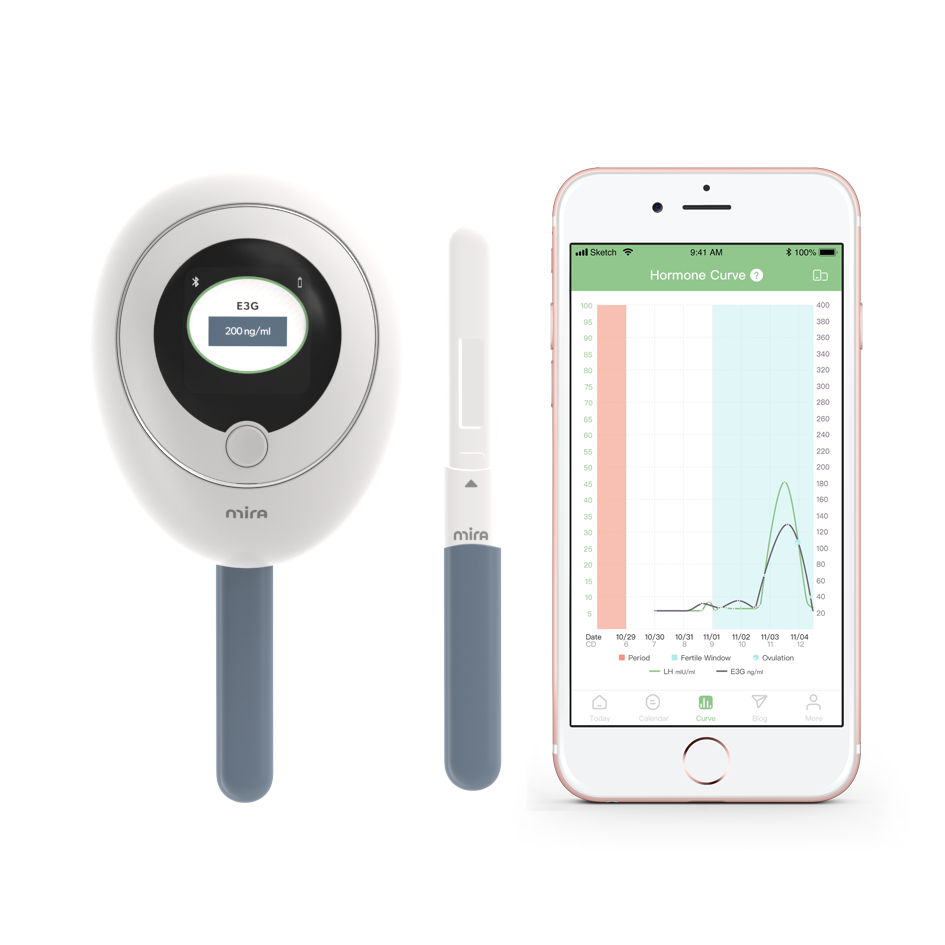 | 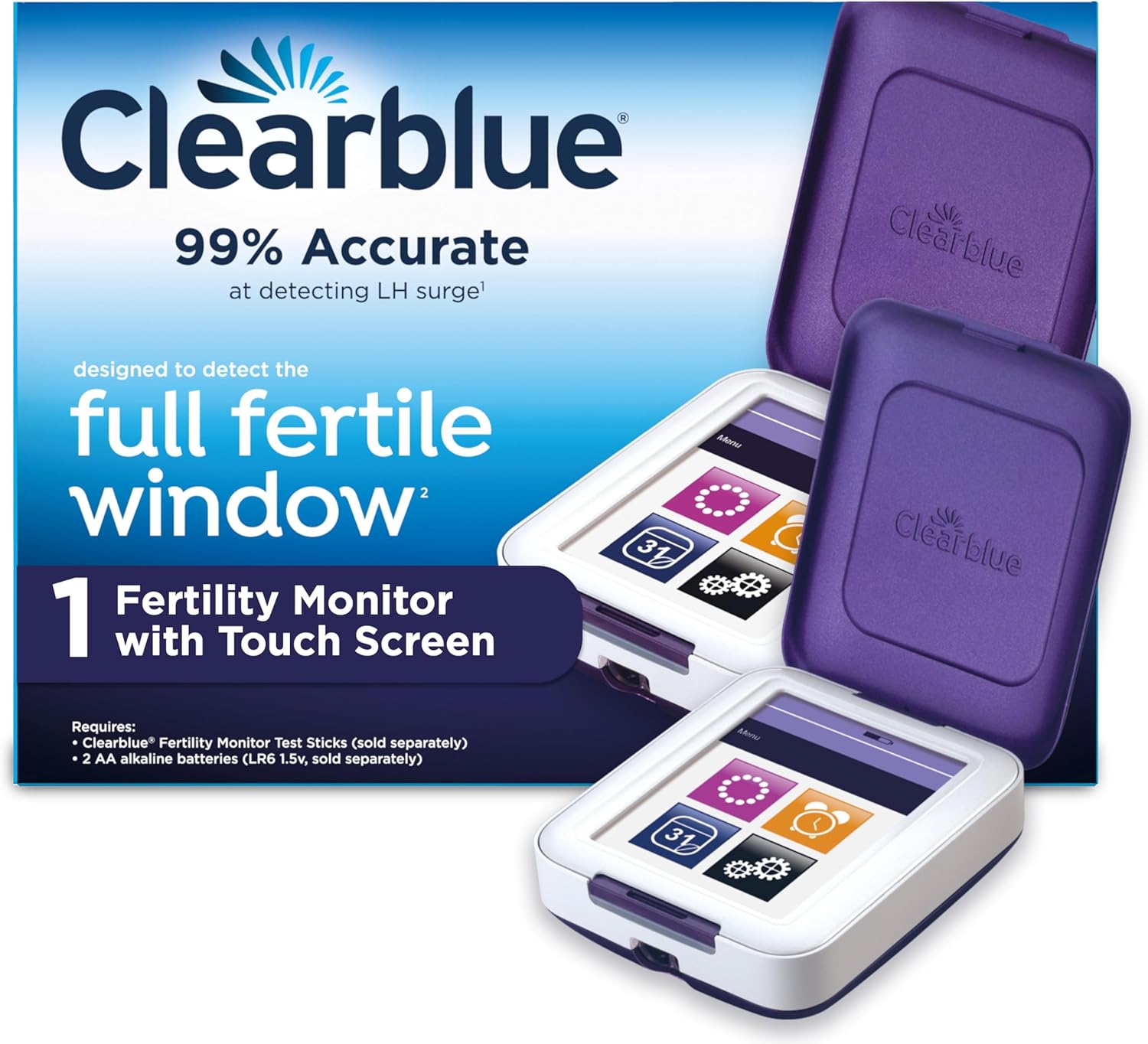 | |
|---|---|---|---|---|
| Price | £25.99 | Around £249 one-off for the bracelet | Around £200 for the analyser (wands sold separately) | £64.99 (monitor + 10 test sticks), refills from £29.99 |
| Overall score | 7.8/10 | 7.7/10 | 6.9/10 | 7.1/10 |
| Connectivity | Bluetooth, syncs to Femometer app | — | Bluetooth, companion app | — |
| Format | — | Wrist-worn bracelet + companion app | Analyser device + disposable test wands | — |
| Tracking method | — | Multi-signal overnight wearable (temperature, pulse, breathing) | Quantified LH/estrogen hormone analysis | — |
Frequently asked questions
How does the Femometer basal thermometer work?+
It measures your temperature to 1/100th of a degree, precise enough to catch the small rise that happens after ovulation, and syncs the reading automatically over Bluetooth to the companion app so there's no manual charting involved.
Does the Femometer thermometer predict or confirm ovulation?+
It confirms after the fact rather than predicting ahead — the temperature shift only shows up once ovulation has already happened. For advance prediction you'd need to pair it with an app or an ovulation test.
Who shouldn't use a basal body thermometer like this?+
Anyone without a consistent morning routine — it only works if you take your temperature at roughly the same time each morning before getting up or moving around. Shift workers, light sleepers who wake repeatedly, and parents with unpredictable mornings are likely to get inconsistent readings.
Is there a subscription for the Femometer app?+
No — it's a one-off purchase at £25.99 with no ongoing subscription needed to use the app or sync readings.
Guides that mention this
Trying to Conceive with PCOS: What Actually Changes
PCOS makes standard ovulation tracking advice unreliable in specific, predictable ways. Here's what actually changes, and what genuinely helps instead.
Your Fertile Window Isn't 'Day 14' — Here's How to Actually Calculate It
"Ovulate on day 14" is the most repeated piece of fertility advice — and it's only accurate for a minority of cycles. Here's the maths that actually applies to you.
How to Track Ovulation When You're Trying to Conceive
There are four real ways to track ovulation, and you don't need all of them. Here's what each one actually involves, and how to pick.

Reviewed by
Sepehr
Software engineer, soon-to-be dad, uncle to four — the tech-obsessed half of the two of us testing this stuff. Currently building this site with my wife, ahead of our own baby arriving.