
Flo Health
Flo Premium — Cycle & Fertility Tracker
7.7/10 overall£8.99/month or £39.99/year
The most widely used cycle-tracking app, with AI-predicted fertile windows and symptom logging.
The verdict
Flo Premium is the most widely used cycle-tracking app, learning from your logged symptoms and data to sharpen fertile-window predictions over a few cycles, priced at £8.99/month or £39.99/year. It suits people who want easy predictive insight without manual charting — but it's prediction only, not confirmation, so it's worth skipping the paid tier if you'd only use basic period logging.
Flo works by learning from what you log — period dates, symptoms, basal temperature if you take it, ovulation test results if you use them — and its fertile-window predictions get noticeably sharper the more consistently you feed it data over two or three cycles. The daily check-ins and symptom insights make the trying-to-conceive process feel less like a black box, with the app flagging your predicted fertile window and offering context on what different symptoms might mean rather than leaving you to interpret everything yourself.
Used alongside the Femometer basal thermometer in this category, the two genuinely complement each other rather than compete: Flo predicts your upcoming fertile window from patterns and cycle history, while the thermometer confirms after the fact that ovulation has actually happened via the temperature shift. Flo alone is prediction, not confirmation — it cannot tell you with certainty that ovulation occurred, only that it is statistically likely around a given date based on your history, which is a meaningful distinction if you are trying to pinpoint fertile days with precision rather than a general estimate.
This suits people who want an easy, low-effort way to track cycles and get predictive insight without manually charting anything, and who are likely already comfortable using period-tracking apps. It is the natural default given how widely used it already is — no learning curve, slick interface, works quietly in the background of your day. If you want hard physiological confirmation of ovulation rather than a prediction, or you are trying to conceive with genuinely irregular cycles that make pattern-based prediction less reliable, pairing it with (or leaning more heavily on) basal temperature tracking makes more sense.
The catch is the subscription: £8.99 a month or £39.99 a year is a real ongoing cost, and it is only worth paying for the trying-to-conceive-specific features — ovulation predictions, symptom insights, TTC-focused content — if you are actively using them. If you only want basic period logging, the free tier covers that perfectly well, so it is worth being honest with yourself about which features you will actually use before committing to the paid tier.
Is the Flo Premium — Cycle & Fertility Tracker worth it?
- Predictions sharpen the more you log
- Slick, easy interface with no learning curve
- Widely used, so most people already know it
What are the downsides of the Flo Premium — Cycle & Fertility Tracker?
- Subscription cost adds up if underused
- Prediction only, not physiological confirmation
- Less reliable with genuinely irregular cycles
Specs
- Pricing
- £8.99/month or £39.99/year
- Platform
- iOS and Android
- Data sync
- Cloud-based, cross-device
- Free tier
- Basic period and symptom logging
- Data export
- Available in-app
- Key features
- Fertile window prediction, symptom tracking, TTC insights
How we scored it
Prediction Accuracy
How reliably the tool identifies or confirms the fertile window.
Ease of Daily Use
How simple it is to fit into a daily routine.
Slick interface, no learning curve.
Value for Money
Subscription or purchase cost relative to what you get.
Worth questioning the subscription if you only need basic logging.
Weighted by importance for this category — see our editorial policy for how we test.
How this review was done
We haven't used the Flo Premium — Cycle & Fertility Tracker ourselves yet. This review is built from Flo Health's published specifications and product information, and scored the same way as everything else on the site. We'll update it, and the badge above, once we've tested it hands-on.
How it compares
| 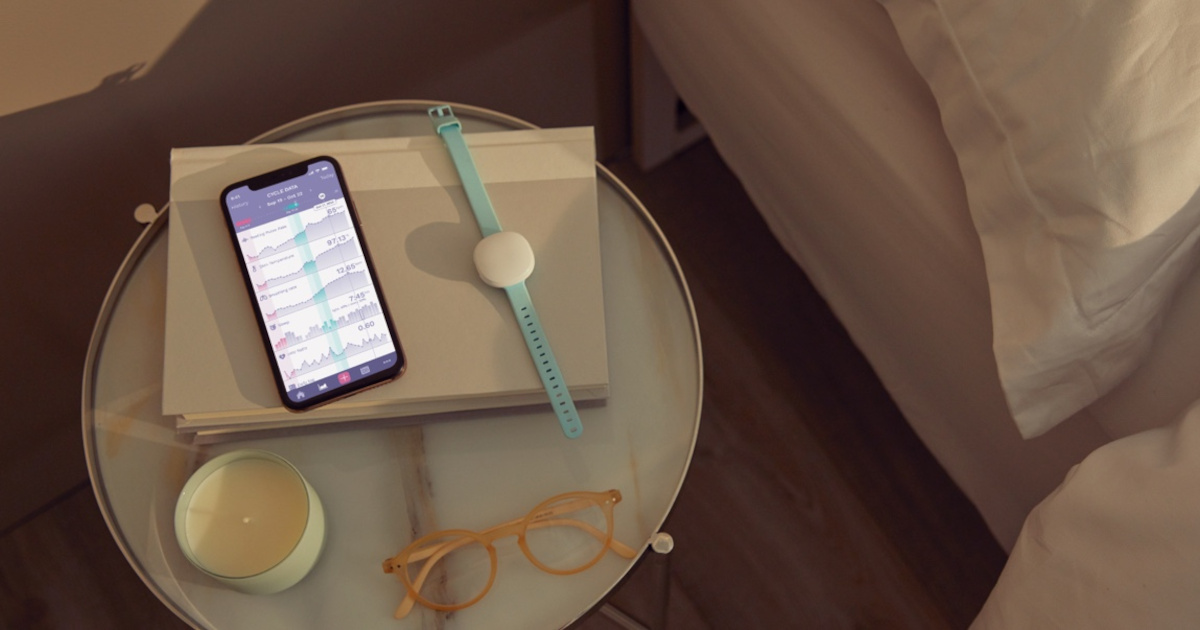 | 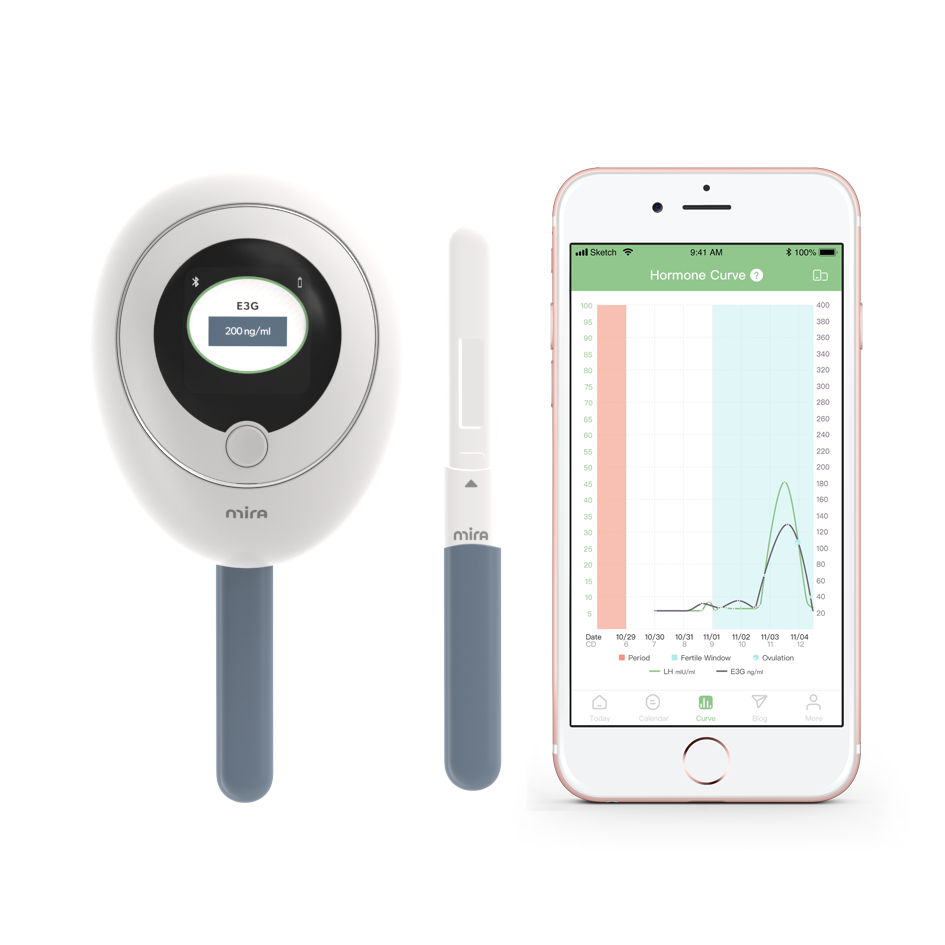 | 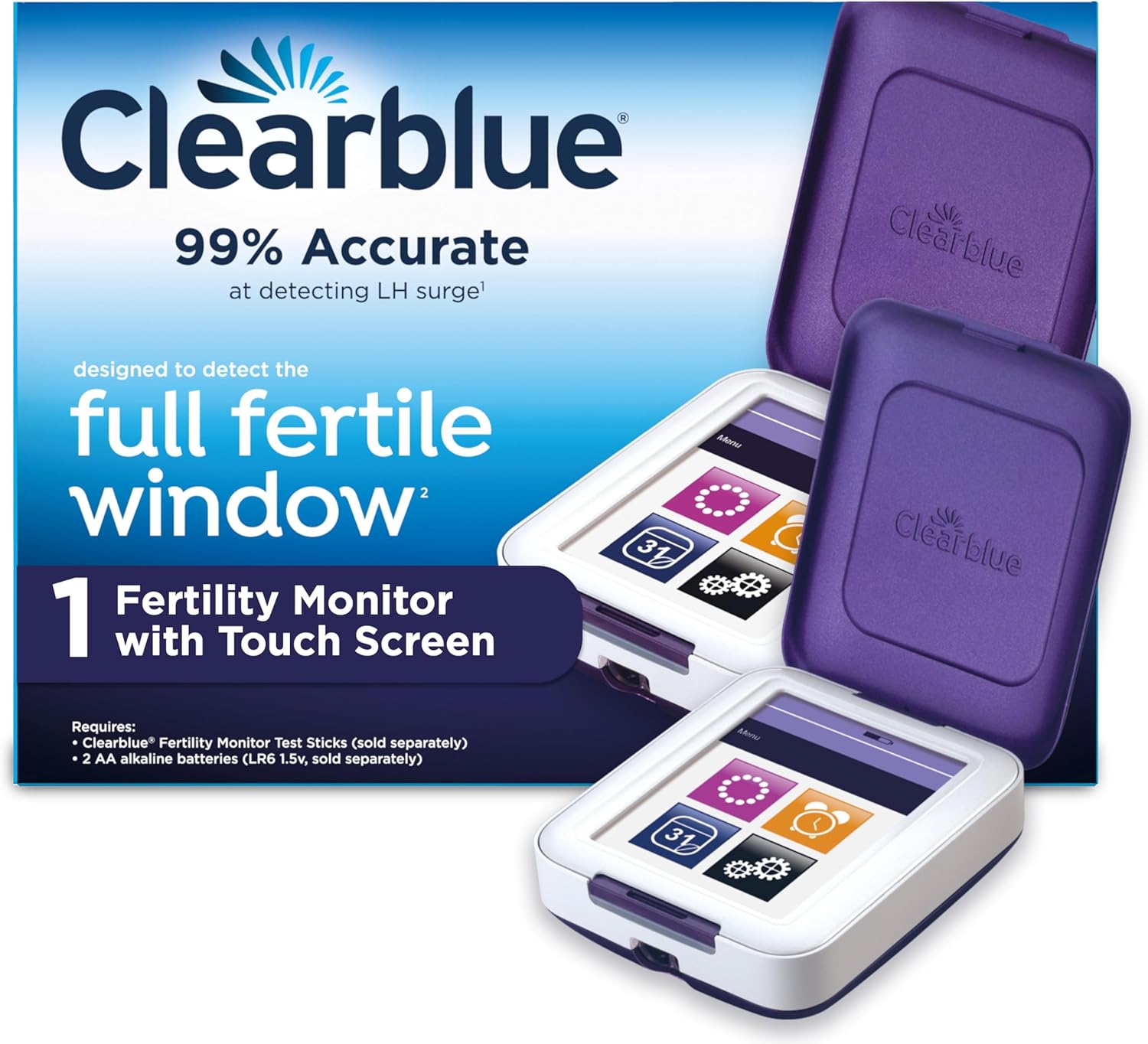 | |
|---|---|---|---|---|
| Price | £8.99/month or £39.99/year | Around £249 one-off for the bracelet | Around £200 for the analyser (wands sold separately) | £64.99 (monitor + 10 test sticks), refills from £29.99 |
| Overall score | 7.7/10 | 7.7/10 | 6.9/10 | 7.1/10 |
| Format | — | Wrist-worn bracelet + companion app | Analyser device + disposable test wands | — |
| Tracking method | — | Multi-signal overnight wearable (temperature, pulse, breathing) | Quantified LH/estrogen hormone analysis | — |
Frequently asked questions
Is Flo Premium worth paying for?+
Only if you'll actually use the trying-to-conceive-specific features — ovulation predictions, symptom insights and TTC content. If you just want basic period logging, Flo's free tier already covers that, so it's worth being honest about which features you'd use before subscribing.
How accurate are Flo's fertile window predictions?+
Predictions get noticeably sharper the more consistently you log data over two or three cycles, since the app learns from your period dates, symptoms and any temperature or ovulation test results you enter. It's prediction based on patterns though, not physiological confirmation that ovulation occurred.
Does Flo work well with irregular cycles?+
It's less reliable with genuinely irregular cycles, since its predictions rely on pattern-based history. If your cycles are irregular, pairing Flo with (or leaning more on) basal temperature tracking makes more sense.
How much does Flo Premium cost?+
£8.99 a month or £39.99 a year for the full trying-to-conceive feature set, including fertile window prediction, symptom tracking and TTC insights.
Guides that mention this
Natural Cycles vs Mira vs Ava: Which Fertility Tracker Is Actually Worth It
These three tools solve the same problem in completely different ways, at completely different price points. Here's the real difference in what you're paying for.

Your Fertile Window Isn't 'Day 14' — Here's How to Actually Calculate It
"Ovulate on day 14" is the most repeated piece of fertility advice — and it's only accurate for a minority of cycles. Here's the maths that actually applies to you.
How to Track Ovulation When You're Trying to Conceive
There are four real ways to track ovulation, and you don't need all of them. Here's what each one actually involves, and how to pick.

Reviewed by
Sepehr
Software engineer, soon-to-be dad, uncle to four — the tech-obsessed half of the two of us testing this stuff. Currently building this site with my wife, ahead of our own baby arriving.