HAMAX Buddy Baby Seat Recall: Check the Harness Label
On 26 October 2026 the OPSS published a recall of the HAMAX Buddy Baby Seat, a red and black bicycle baby seat sold by Decathlon between 28 December 2020 and 6 August 2026. A textile label on the harness strap can come loose and become a choking hazard. Here is what the recall says and how to fix it.
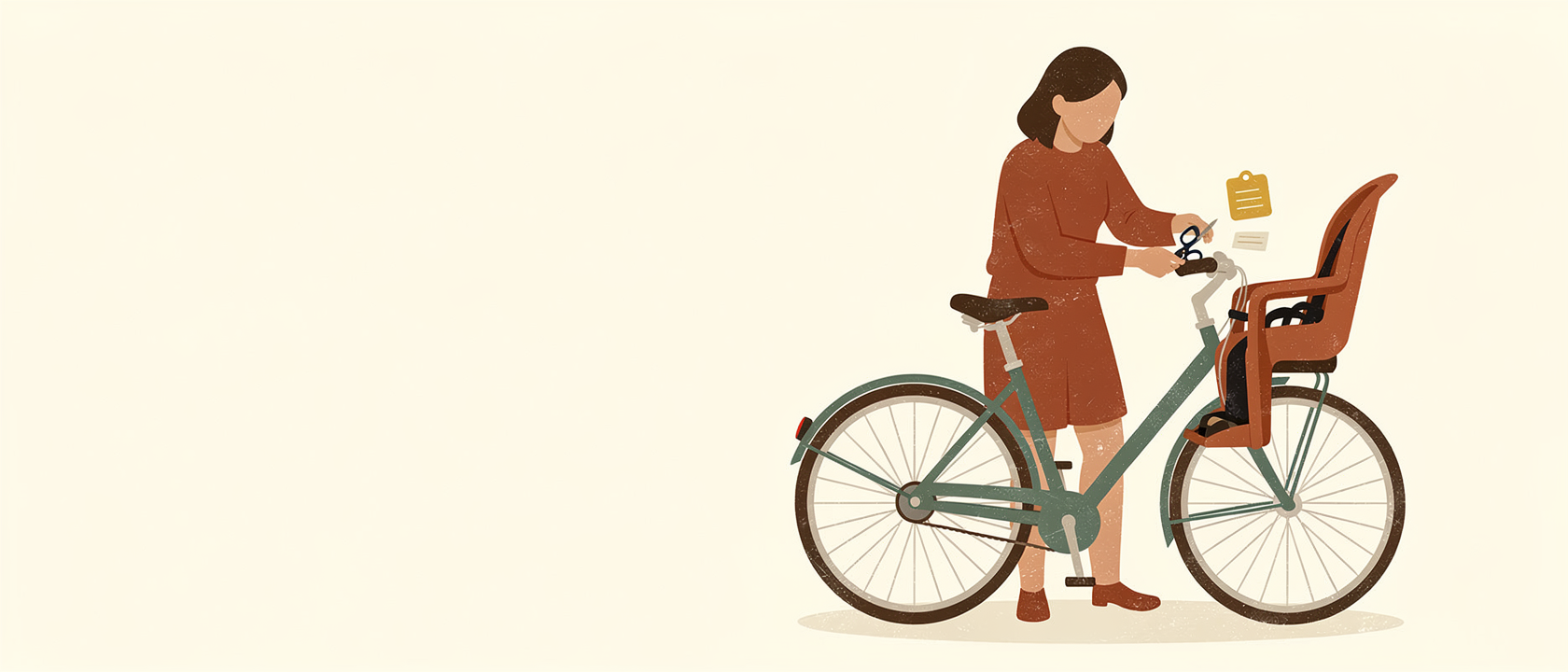
The HAMAX Buddy Baby Seat, a red and black bicycle baby seat, has been recalled in the UK because a textile safety label on the shoulder harness strap can detach and become a small part a young child could put in their mouth. The Office for Product Safety and Standards (OPSS) published the recall on 26 October 2026, rating the risk as "High". The fix is simple: check the harness strap, and if the label is there, cut it off completely or take the seat to Decathlon.
What the HAMAX Buddy recall says
According to the gov.uk recall notice (reference 2610-0181), these are the key details:
- Product: HAMAX Buddy Baby Seat, described as a "red and black baby seat attachment for a bicycle".
- Model code: 8591602.
- Item code: 4091054.
- Sold: from 28 December 2020 to 6 August 2026, with Decathlon named as the retailer.
- Hazard: "a risk of choking due to the textile safety label attached to the harness strap".
- Legal finding: the product does not meet the requirements of the General Product Safety Regulations 2005.
- Batch numbers: none listed.
The notice describes the action as a recall of the product from end users, notified by Local Authority Trading Standards. It does not report any injuries.
What to do if you own a HAMAX Buddy seat
The OPSS notice recommends keeping the product out of reach of children until the label is removed. The steps it sets out are:
- Check the shoulder harness strap for a textile label.
- If the label is present, cut it off completely. According to the notice, once it is removed the choking hazard is eliminated and the seat may be used.
- If there is no label, the seat is not affected.
- Or take the seat to your nearest Decathlon store for the label to be removed, or for a refund.
You can contact Decathlon through its product recall page or at customer.enquiries@decathlon.com. Check the model code (8591602) or item code (4091054) first, as the notice only covers those. When cutting, make sure no loose threads or fragments of the label are left on the strap, and bin the label somewhere a child cannot reach.
Why a small label matters
It can seem odd that a recall is triggered by a bit of fabric, but a bike seat is a place where your child sits for a long time, strapped in and often facing away from you, so you may not notice something going into their mouth. The OPSS classes a detachable small part as a choking hazard for young children, and the NHS publishes first-aid steps for choking because it is an emergency every parent should be prepared for.
The same logic sits behind many of the safety reports we cover, such as small-part risks in plush toys and squishy toys: anything that can detach and fit in a small mouth deserves a second look.
If your child chokes: NHS first aid for babies under 1
This is a good moment to refresh the basics. The NHS advice for a choking baby under 1 year is to alternate back blows and chest thrusts:
- Lay the baby face down along your thigh or forearm, supporting the head, and give up to five firm back blows between the shoulder blades.
- If the blockage remains, turn the baby face up, head lower than feet, and give up to five chest thrusts using two fingers in the middle of the chest.
- Call 999 if the object does not come out, and start CPR if the baby becomes unresponsive.
Read the full, illustrated steps on the NHS page on how to stop a child from choking, and consider a first-aid course. If you do not yet have a first-aid kit and basics covered, see our NHS-based guidance on common baby illnesses for other things worth knowing.
Reading the recall notice: what "High" risk and the 2005 regulations mean
The OPSS is the UK government body responsible for product safety. Its recall notices carry a risk level and a legal finding, and both appear on this one. The risk level is "High", and the legal finding is that the seat does not meet the General Product Safety Regulations 2005, the rules that require consumer products placed on the UK market to be safe. A notice like this does not say the whole seat is unsafe to ride in; the hazard it identifies is specifically the textile label on the harness strap, and the remedy it sets out is removing that label or returning the seat. If you are unsure about anything else on the seat, ask Decathlon directly rather than guessing.
It is also worth noting how the recall was triggered. The notice records that it was notified by Local Authority Trading Standards, and that Decathlon is recalling the product from end users. That means the retailer is expected to handle label removal or refunds, so you should not be asked to pay for either.
Practical tips if you cycle with a baby or toddler
A recall like this is a prompt to look over the whole set-up, not just the label. Without going beyond what the official sources say, a few sensible checks are:
- Keep the manufacturer's instructions and any recall emails or letters somewhere you can find them, such as with the seat's box or your account at the retailer.
- Re-check the harness each time you strap your child in, looking at buckles, straps and stitching as well as the label.
- Check the retailer's recall page every few months, because notices can be updated after publication. The gov.uk product safety alerts, reports and recalls page lists every OPSS notice and can be searched by product type.
- If you sell or pass the seat on, remove the label first and tell the new owner about the recall.
For anything about what age or weight a child seat suits, follow the manufacturer's instructions for your model, as the recall notice does not cover that.
How to check any baby product for loose small parts
- Run your fingers along straps and harnesses. Look for tags, labels, stitching or trims that are fraying or lifting.
- Check after each season. Seats and carriers that have been stored away can be worn or damaged when you get them out again.
- Register products with the manufacturer where you can, so you hear about recalls directly.
- Check gov.uk for current recalls and alerts if you buy second-hand, since recall notices apply to seats you did not buy new.
Second-hand buyers are worth a particular mention: the notice covers seats sold up to 6 August 2026, so many will be in circulation on resale sites. If you are given or buy a used HAMAX Buddy, do the label check before first use.
Frequently asked questions
Why has the HAMAX Buddy baby seat been recalled?+
The OPSS says the textile safety label on the harness strap can detach and become a small part a young child could put in their mouth, presenting a choking risk. The seat does not meet the General Product Safety Regulations 2005.
How do I know if my HAMAX Buddy seat is affected?+
The recall covers the red and black HAMAX Buddy Baby Seat with model code 8591602 and item code 4091054, sold by Decathlon between 28 December 2020 and 6 August 2026. Check the shoulder harness strap: if there is a textile label, your seat is affected.
What should I do about the label on a recalled HAMAX Buddy seat?+
The OPSS notice says to cut the label completely off the harness strap, after which the seat may be used. Alternatively, take it to a Decathlon store for label removal or a refund. Keep the seat out of children's reach until it is done.
Sources
Related guides
Baby Neck Floats & Canopy Pool Floats: Safety Warning
Which? found 171 baby swim floats on UK online marketplaces, including neck floats and canopy floats, that it says put babies at risk of drowning. The OPSS recall notices say to stop using them. Here is what the warnings say, what to do if you own one, and how to keep a baby safe in water.
Baby Cold: Blocked Nose Relief & When to Worry (NHS)
Most baby colds clear up within 2 weeks, according to the NHS. Here is what the NHS advises for a blocked nose, which medicines to avoid, how long a cough lasts and the signs that mean calling NHS 111 or 999.
Best Double and Twin Buggies Compared (UK Guide)
Six double and twin buggies compared on price, width and newborn options: Ickle Bubba Venus Prime, Mountain Buggy Duet, Out n About Nipper V6, Baby Jogger City Select 2, iCandy Peach 7 and Bugaboo Donkey 6 Twin, plus RoSPA buggy safety checks.

Written by
Sepehr
Software engineer, soon-to-be dad, uncle to four — the tech-obsessed half of the two of us testing this stuff. Currently building this site with my wife, ahead of our own baby arriving.