Baby Neck Floats & Canopy Pool Floats: Safety Warning
Which? found 171 baby swim floats on UK online marketplaces, including neck floats and canopy floats, that it says put babies at risk of drowning. The OPSS recall notices say to stop using them. Here is what the warnings say, what to do if you own one, and how to keep a baby safe in water.
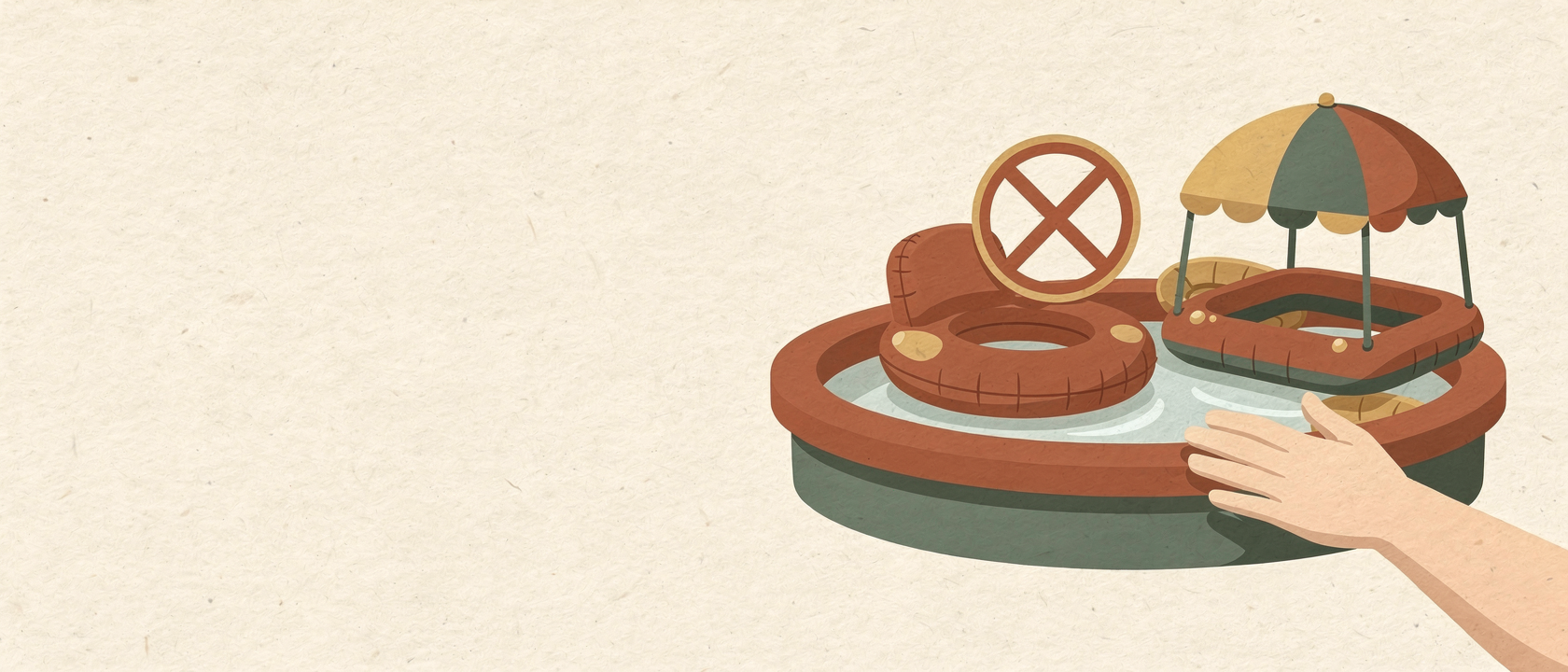
Do not use a baby neck float or a canopy pool float, and stop using one if you already own it. On 16 October 2026 consumer group Which? published findings on 171 inflatable baby swim floats for sale on UK online marketplaces, and said they may put babies at risk of drowning. The government's Office for Product Safety and Standards (OPSS) has separate recall notices for baby neck floats, floats with canopies and toy-like baby floats. This guide covers what was found, what the recall notices say, and what to do instead.
Everything about the products below comes from Which? and the OPSS recall notices. Water-safety advice is attributed to RoSPA and the Swimming Teachers' Association (STA), as quoted by Which?.
What Which? found
According to Which?, researchers found 171 inflatable infant swim floats from third-party sellers on Amazon, AliExpress, eBay, OnBuy, Shein and Vinted. They fell into three groups:
- Floats with canopies (including shark, unicorn and car designs). Which? says the canopy can catch the wind, so the float may tip or capsize and risk entrapment or drowning. It found 115 of these.
- Inflatable neck floats, rings that fasten around a baby's neck. Which? says these carry risks of drowning, suffocation, strain and neck injury. It found 33: 5 on OnBuy and 28 on Vinted.
- Copies of a float linked to a two-year-old's death in the US. Which? says 25 of the floats it found matched that product, including some sold under the "Relaxing Baby" name.
Which? also warns that toy-like designs may make parents relax around water. It reported one listing showing a baby alone in a float while the adults sat beside the pool. Each marketplace told Which? it had removed the flagged listings and was reviewing similar products.
What the OPSS recall notices say
The OPSS recall for baby neck floats (reference 2606-0175) covers floats designed to be worn around or secured to an infant's neck, where the head is supported by the float and the body hangs in the water. That includes inflatable neck rings and similar neck-support devices marketed for babies. The notice gives the risk as drowning. It says the products may:
- put inappropriate pressure on the infant's neck and restrict normal movement or airway positioning;
- let the baby slip through, become trapped, overturn, or be left in an unsafe floating position;
- lead to neck injury, asphyxiation, drowning or other serious harm.
The notice also says the products do not meet the requirements of the General Product Safety Regulations 2005, and that TikTok has recalled them. Its instruction is to stop using the recalled items immediately and contact the place of purchase for redress. Trading Standards lists separate recalls for canopy floats, toy-like floats and low-visibility floats sold through TikTok, and Which? says there are at least 14 UK recall alerts for canopy floats in total.
If you already own one
- Stop using it, in the pool, the bath and the paddling pool.
- Contact the seller or marketplace where you bought it for a refund, as the OPSS notice advises.
- Do not sell it on or give it away. Floats like these were turning up on resale platforms. Our guide to buying secondhand baby gear safely covers why recalled items should not be passed on.
No float replaces supervision
RoSPA says: "Remember that inflatables won't keep your child safe." It says inflatables are not a safety measure and do not replace supervision or swimming ability, and advises that you always supervise children near water, especially young children. The STA, quoted by Which?, does not endorse baby neck floats and advises parents against using them. Its spokesperson said that "no flotation device should ever be considered a substitute for close adult supervision."
That means a baby in any water needs an adult within reach, paying attention, whatever they are wearing. Which? advises treating swim aids as "not safety devices" and giving babies constant, active supervision.
What to look for instead
Which? suggests the following if you want something for a pool or holiday:
- Choose a swim vest that has been buoyancy tested, with an age range that matches your child.
- Avoid floats with canopies or overhead structures, and avoid anything that fastens around the neck.
- Avoid toy-like attachments and harness-style floats, and hold the child at all times.
- Check armbands fit properly and inspect them regularly for leaks.
- Buy from a reputable brand and retailer rather than an anonymous marketplace seller.
RoSPA adds that a lifejacket must fit properly: too small and it will not give enough buoyancy, too big and it can float up around the ears and make breathing harder.
If you are heading to a pool this winter, the NHS says you can take your baby swimming at any age, whether or not they have had their vaccinations, though a baby who is feverish or irritable after a jab may be better off waiting. Parent-and-baby classes, where an instructor guides you, are a safer way to introduce water than a gadget.
Water risks at home count too
The same attention applies in the bath and paddling pool. RoSPA warns that babies can drown quickly and quietly in very little water, and advises staying within arm's reach at bath time. See our room-by-room baby-proofing guide and our comparison of baby baths and bath supports for the practical side. Heading abroad? Our guide to sun safety for babies covers the other holiday-water essentials.
A simple routine for any water, any day
These points come from RoSPA's water-safety advice and the Which? guidance above:
- Stay within reach. Keep a baby or toddler within arm's reach in the bath, the paddling pool and the swimming pool, and do not rely on a lifeguard alone. RoSPA says parents should always know where their child is and what they are doing in the water.
- Watch toddlers at all times in paddling pools and empty them after use, as RoSPA advises.
- Do not leave a baby alone in a float, even for a moment, even in shallow water or a garden pool.
- Learn first aid. RoSPA recommends learning first aid, including how to resuscitate a child, and says anyone rescued from the water should go to hospital even if they seem fine.
If you are unsure whether a product you already own is covered, search the product name on the OPSS recalls page before the next swim.
Why this keeps happening
Which? says marketplaces will not do enough to prevent unsafe products being sold unless the law forces them to, and has called on the government to use its powers under the Product Regulation and Metrology Act to put a legal duty on online marketplaces. Until that changes, a recall notice only helps if you know about it, so it is worth checking the OPSS product safety alerts page before buying baby gear from a third-party seller.
Frequently asked questions
Are baby neck floats safe?+
No. The OPSS recall notice (2606-0175) says baby neck floats present a risk of drowning and tells consumers to stop using them immediately. The Swimming Teachers' Association also advises parents against using them, according to Which?.
Are baby floats with canopies safe?+
Which? advises avoiding floats with canopies or overhead structures, because the canopy can catch the wind and tip the float over. Trading Standards and the OPSS list recalls covering canopy floats.
What should I do if I bought a baby neck float?+
The OPSS says to stop using it immediately and contact the place of purchase for redress. Do not sell it on or pass it to someone else.
Do swim floats keep a baby safe in the water?+
No. RoSPA says inflatables won't keep your child safe and are not a substitute for supervision or swimming ability. Babies need constant, close adult supervision in any water.
Sources
- Which? — Baby swim floats sold on Amazon, eBay and Vinted may put children at risk of drowning (16 October 2026)
- Which? — Dangerous baby swim floats for sale on online marketplaces
- OPSS (GOV.UK) — Product Recall: Baby Neck Floats (2606-0175)
- OPSS (GOV.UK) — Product Recall: Baby Neck Floats with Canopies (2606-0176)
- RoSPA — Taking children swimming
- RoSPA — Keeping kids safe: drowning prevention
- NHS — Can my baby go swimming before or after vaccinations?
- GOV.UK — Product safety alerts, reports and recalls
Related guides
Best Double and Twin Buggies Compared (UK Guide)
Six double and twin buggies compared on price, width and newborn options: Ickle Bubba Venus Prime, Mountain Buggy Duet, Out n About Nipper V6, Baby Jogger City Select 2, iCandy Peach 7 and Bugaboo Donkey 6 Twin, plus RoSPA buggy safety checks.
Baby Cold: Blocked Nose Relief & When to Worry (NHS)
Most baby colds clear up within 2 weeks, according to the NHS. Here is what the NHS advises for a blocked nose, which medicines to avoid, how long a cough lasts and the signs that mean calling NHS 111 or 999.
Plush Toy Safety UK: Caterpillar Report and What to Check
On 13 October 2026 OPSS published a high-risk report on InteDesign plush caterpillar toys sold via Amazon: a torn seam exposing filling, a detaching loop and a too-thin plastic bag. Here is what it found and a 60-second check for any plush toy.

Written by
Sepehr
Software engineer, soon-to-be dad, uncle to four — the tech-obsessed half of the two of us testing this stuff. Currently building this site with my wife, ahead of our own baby arriving.