Children's Bike Stabilisers Bending: OPSS Rully Report
The OPSS published a High-risk safety report on 23 October 2026 for a Rully 14-inch children's bike sold via Amazon: its stabilisers bent in testing and did not return to position. Here is what the report says and a checklist for buying a safe first bike.
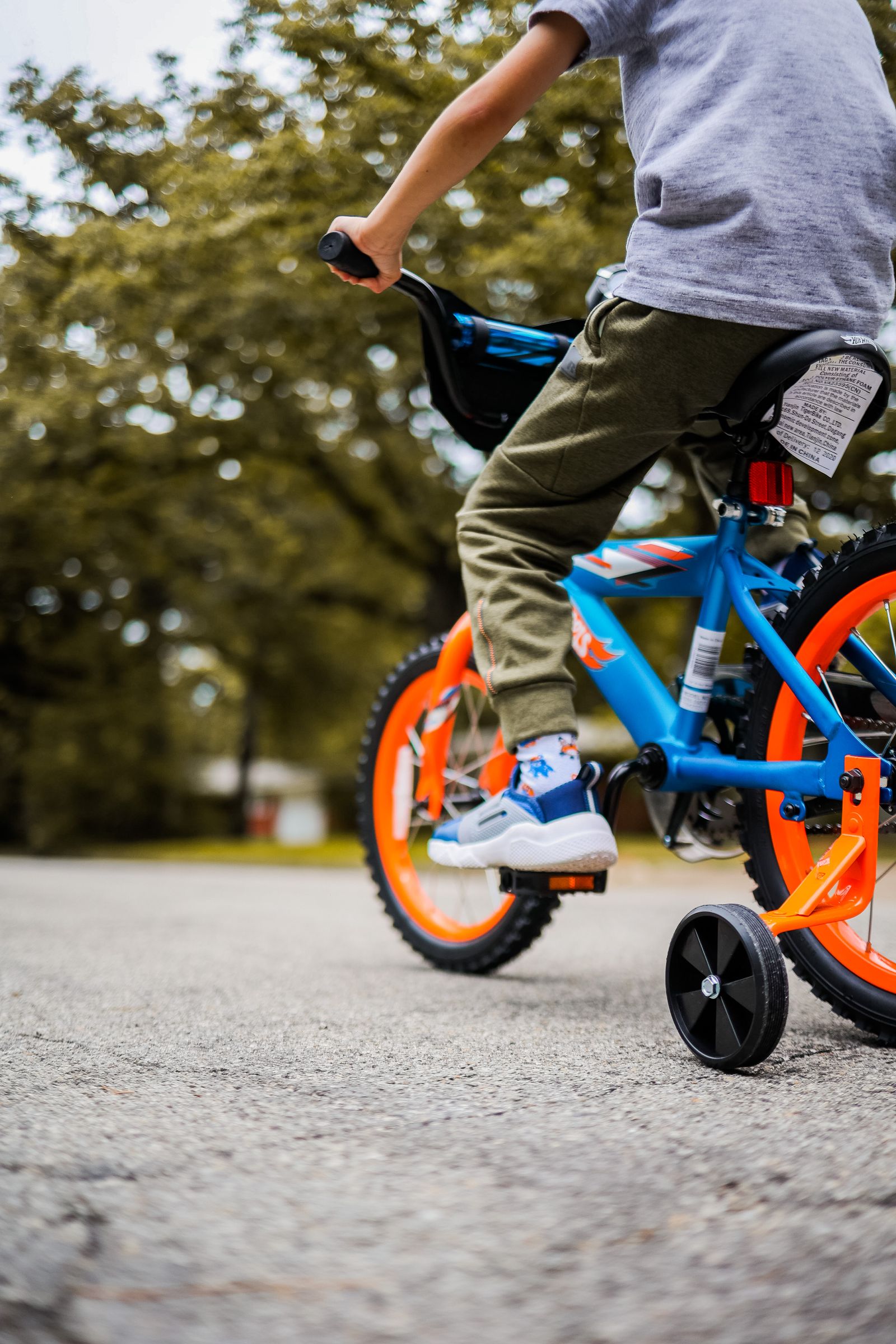
Children's bike stabilisers that bend and don't spring back are a fall risk. The OPSS published a High-risk report on 23 October 2026 about a Rully 14-inch children's bike sold via Amazon. Here is what it says and a short checklist for any first bike.
What the OPSS report says
According to the GOV.UK Product Safety Report (2610-0175), the product is a Rully children's bike, model BIKE004-14, a non-powered bicycle with 14-inch wheels intended for recreational use, sold via Amazon and originating in China. The key points:
- The hazard: under testing, the stabilisers bent and did not return to their original position. The report states that if the stabilisers bend or break in use, the child could fall from the bike and be injured.
- Risk level: High.
- Other findings: the report says improvements are also required to labelling and marking.
- Regulations not met: the Pedal Bicycles (Safety) Regulations 2010 and the General Product Safety Regulations 2005.
- Action taken: the import was rejected at the border, and the report was notified by Local Authority Trading Standards.
The report is a safety report rather than a consumer recall, and it does not list an age range, only the 14-inch wheel size. The import was rejected at the border, and it is a useful reminder of what can go wrong with budget bikes bought from online marketplaces.
Why stabilisers matter more than they look
Stabilisers carry part of the child's weight whenever the bike leans, especially on turns and uneven ground. A stabiliser arm that flexes permanently is no longer holding the wheel where it should be, which is the failure the OPSS describes. Because a small child is both learning to pedal and steer, an unexpected tip is more likely to end in a fall.
Some health services note that stabilisers or trikes can be useful when a child first learns, as the child does not have to concentrate on balancing (NHS cycling advice sheet). That only holds if the stabilisers themselves are sturdy and fitted correctly.
Seven checks before you buy a children's bike
- Buy from a seller you can trace. The OPSS report concerns an online marketplace listing. A named UK retailer or bike shop with a returns policy gives you somewhere to go if something is wrong. The same logic runs through our guide to buying second-hand baby gear safely.
- Look for labelling and markings. The report flags labelling and marking as needing improvement. Missing or vague instructions, no brand or model on the frame, or no importer details are all reasons to be cautious.
- Press down on each stabiliser. Once built, push down on each stabiliser wheel with your hand. It should feel firm. If the arm bends and stays bent, return the bike.
- Re-check after the first ride. Bolts can work loose. Check both stabilisers sit level and the wheel nuts are tight, as the OPSS test failure was about bending over time.
- Get the size right. The Rully report gives only a wheel size, so check the manufacturer's height or inseam guidance and let your child sit on the bike, with feet able to reach the ground.
- Add the helmet. RoSPA encourages all parents to make sure children wear a helmet when cycling, and says it will not be effective if not worn correctly. Its factsheet describes measuring the head just above the eyebrows and having straps form a V under the ears, with the helmet snug under the chin (RoSPA factsheet).
- Don't let a sale decide it. A sale price is only a good deal if the bike is safe. Our Black Friday baby deals guide applies the same safety-first test to other big purchases.
Stabilisers, balance bike or trike?
Stabilisers are only one route to a first bike. Many families choose a pedal-free balance bike, where a child learns to balance and steer by pushing with their feet, while others prefer a tricycle for the early years. Our own view is that the right choice depends on your child and where you will ride, so try a few at a shop if you can. If you do go with stabilisers, the bike must be the right size and the stabilisers must be sturdy, because a poor fit makes any set-up less safe. Practise on a flat, smooth, traffic-free surface and stay within arm's reach.
A quick monthly bike check
These steps are practical suggestions rather than official criteria:
- Stabiliser arms: press down on each wheel and look for bending, cracks or play where the arm meets the frame.
- Nuts and bolts: check wheel nuts, stabiliser fixings and the saddle clamp are tight.
- Tyres and brakes: check pressure, and make sure the brakes can be reached and used by small hands.
- Helmet: check the straps, fit and any damage, and replace it after a hard knock.
What to do after a fall
Most toddler tumbles are minor, but if your child is hurt and you are worried, get advice from NHS 111. The NHS says to call 999 if a child has been severely injured, is limp or floppy, has severe bleeding or is struggling to breathe. If a stabiliser bends or breaks during a ride, stop using the bike, take photos and contact the seller, and report it to your local Trading Standards service if the bike came from an online marketplace.
If you already own a bike like this
The OPSS report concerns a specific model, and the listed identifiers on the GOV.UK page (brand RULLY, model BIKE004-14) are the thing to compare against. If yours matches, stop using the stabilisers and contact the seller. You can also report concerns about an unsafe product to your local Trading Standards service. For other bikes, inspect the stabilisers regularly, since the OPSS found bending under testing rather than a dramatic break.
A note on toys, gifts and standards
Children's bikes are covered by their own regulations, but the principle is the same as for other gifts: buy from traceable sellers, check markings, and treat very cheap listings with suspicion. Our Christmas gifts safety guide and toy safety standards explainer cover the rest of the gift list.
Related guides
Frequently asked questions
What did the OPSS find wrong with the Rully children's bike?+
The OPSS report (2610-0175) says the stabilisers on the Rully 14-inch children's bike, model BIKE004-14, bent under testing and did not return to their original position. It warns that if they bend or break in use, the child could fall and be injured. The risk is rated High. The report also says labelling and marking need improvement and that the bike does not meet the Pedal Bicycles (Safety) Regulations 2010 or the General Product Safety Regulations 2005. The import was rejected at the border.
How do I check that children's bike stabilisers are safe?+
Once the bike is built, press down on each stabiliser wheel with your hand. It should feel firm, and if the arm bends and stays bent you should return the bike. Check that both stabilisers sit level and that the nuts are tight, then re-check after the first ride because bolts can work loose. Buy from a seller you can trace, look for clear labelling and markings on the bike, and make sure your child can sit on it with their feet able to reach the ground.
Should my child wear a helmet when learning to ride?+
RoSPA encourages all parents to make sure children wear a helmet when cycling and says it will not be effective if it is not worn correctly. Its factsheet describes measuring the head just above the eyebrows, having the straps form a V under the ears, and keeping the helmet snug under the chin. Check the fit each time, because children grow quickly, and replace a helmet that has been damaged in a fall. Parents wearing their own helmets also sets a good example.
Sources
Related guides
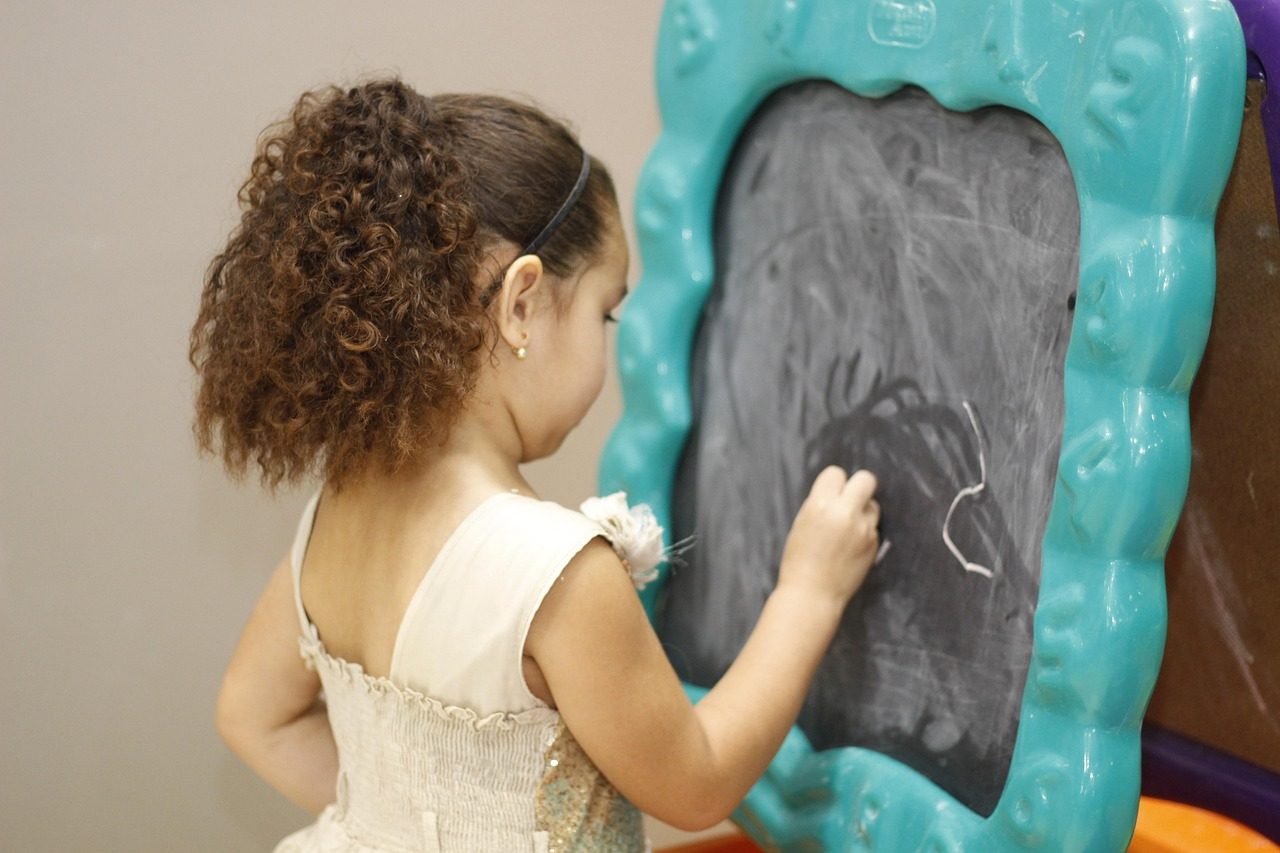
Honphier Magnetic Drawing Board: Packaging Bag Warning
On 20 November 2026 OPSS published a safety report on the Honphier children's magnetic drawing board sold via Amazon: its plastic bag packaging is too thin and could suffocate a child. Here is how to check yours, what to do, and how to handle toy packaging safely.
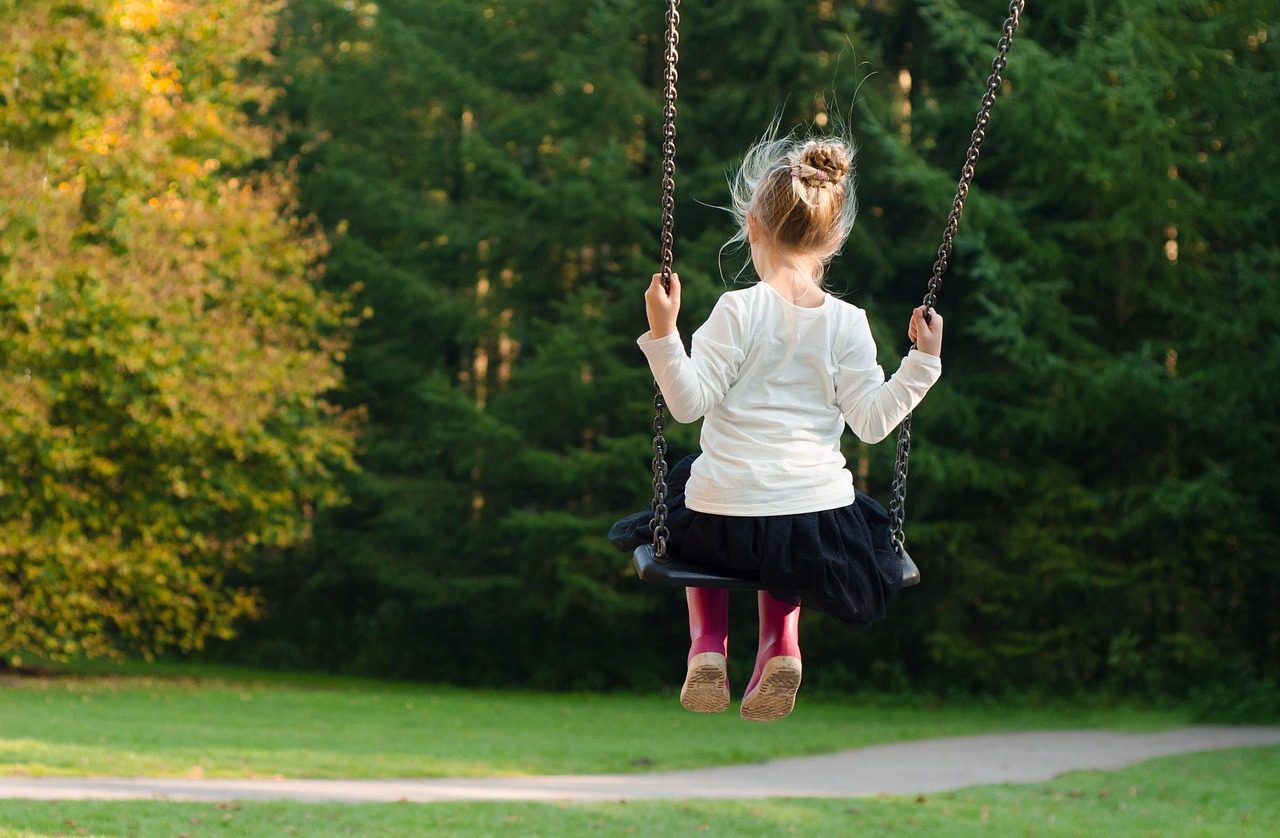
Vuly V1 Seat Swing Recall: Seat May Separate From Rope
On 19 November 2026 OPSS published a recall of the Vuly V1 Seat Swing (model V1 ASST10, batch TGB) because the seat may separate from the rope and a child could fall. Here is how to check yours, claim the free V2 replacement, and inspect any garden swing using RoSPA guidance.
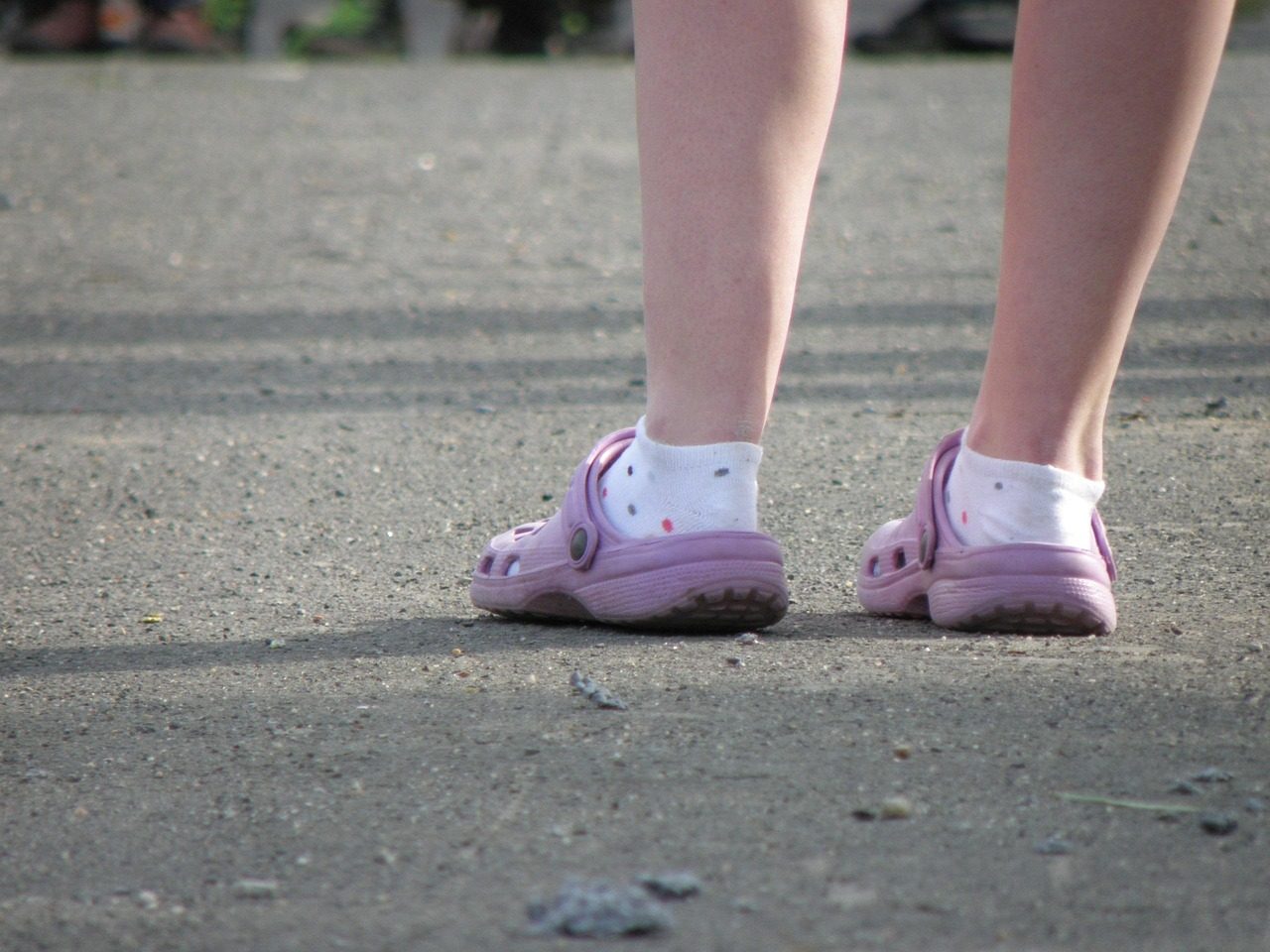
Minecraft Children's Clogs Recall: Phthalates and Batteries
On 17 November 2026 OPSS published a recall for Minecraft-licensed children's green light-up clogs sold via Amazon, over excess phthalates and an easily removed battery compartment. Here is how to check your pair, what to do, and what the NHS says about button batteries.

Written by
Sepehr
Software engineer, soon-to-be dad, uncle to four — the tech-obsessed half of the two of us testing this stuff. Currently building this site with my wife, ahead of our own baby arriving.