Nurofen
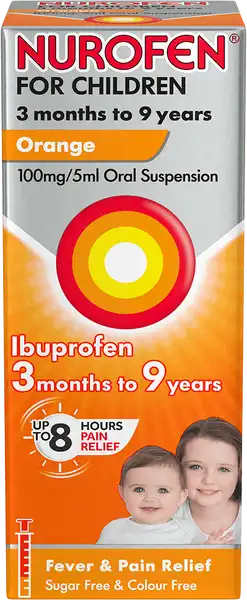
Nurofen for Children 3 Months to 9 Years Orange 100ml
8/10 overall£4.40
An ibuprofen-based liquid fever and pain reliever for babies 3 months+, offering a genuinely different active ingredient to paracetamol-based Calpol.
The verdict
Nurofen for Children Orange is an ibuprofen-based liquid fever and pain reliever for babies from 3 months and 5kg, priced around £4.40 for 100ml. Its NSAID formula gives a genuinely different active ingredient to paracetamol-based Calpol for alternating doses on stubborn fevers, but it isn't suitable under 3 months and carries more do-not-use caveats such as asthma or dehydration.
Nurofen for Children is an ibuprofen-based suspension, which puts it in a different drug class to Calpol Infant Suspension, the paracetamol-based liquid already in this category. Ibuprofen is a non-steroidal anti-inflammatory (NSAID), so it works differently in the body to paracetamol and, in the UK, has some restrictions Calpol doesn't: it isn't generally recommended for babies under 3 months, and it should be used with more caution in children with asthma, dehydration, or chickenpox. Parents often keep both a paracetamol and an ibuprofen product in the cabinet so they can alternate doses if a fever isn't settling on one alone, which is the practical reason this bottle earns its place alongside Calpol rather than replacing it.
On the bottle itself, this is a straightforward 100ml pack of Ibuprofen 100mg/5ml oral suspension in orange flavour (a strawberry flavour is also sold), suitable from 3 months and 5kg bodyweight, with a graduated oral syringe included for measuring doses in 2.5ml steps. The syringe is broadly comparable in concept to the one that ships with Calpol, and neither is a dedicated "device" in the way the Braun thermometer or Nuby nasal aspirator in this category are — they're just measuring tools bundled with a medicine, so judging "accuracy" here really means judging how easy the syringe makes it to hit the right dose, not any electronic precision.
Compared with Calpol, the trade-offs are mostly about the drug itself rather than the packaging: ibuprofen tends to have a stronger anti-inflammatory effect, which can help more with pain from injuries or teething-related swelling, while paracetamol is usually the first choice recommended for very young babies and is gentler on an empty stomach. Neither is objectively "better" for fever alone — UK guidance from the NHS notes either can be used, and doesn't recommend routinely giving both together unless a doctor or pharmacist advises it. This entry is a researched-not-tested listing; we haven't dosed a baby with it ourselves, so treat the practical dosing notes as a starting point and always check the patient information leaflet and, if in doubt, a pharmacist.
At around £4.40 for 100ml, it's inexpensive and widely stocked, similar in price bracket to Calpol. The main downside for some households is simply that it's a second medicine to store, track expiry dates on, and remember dosing intervals for — and because it's an NSAID, it carries a slightly longer list of "don't use if" conditions to check before giving it, which paracetamol-based Calpol mostly avoids.
Is the Nurofen for Children 3 Months to 9 Years Orange 100ml worth it?
- Ibuprofen offers an alternative active ingredient to paracetamol, useful for alternating doses on stubborn fevers (as advised by a pharmacist/GP)
- Included oral syringe with 2.5ml graduations makes measuring doses straightforward
- Sugar-free and colour-free orange flavour, widely accepted by babies and toddlers
- Inexpensive and available at every major UK pharmacy and supermarket
- Fast-acting, starts working within 15 minutes according to the manufacturer
What are the downsides of the Nurofen for Children 3 Months to 9 Years Orange 100ml?
- Not suitable under 3 months old or under 5kg bodyweight, unlike some paracetamol products
- More "do not use if" caveats than paracetamol (e.g. asthma, dehydration, chickenpox) that need checking first
- Another bottle and dosing schedule to track alongside Calpol if a household keeps both
Specs
- flavour
- Orange (sugar-free, colour-free)
- age_range
- From 3 months, over 5kg
- pack_size
- 100ml
- dosing_device
- Oral syringe (2.5ml graduations)
- active_ingredient
- Ibuprofen 100mg/5ml
- max_dose_interval
- Every 6–8 hours, max 3–4 doses/24hr per age band
How we scored it
Measurement Accuracy
How consistent and clinically reliable the readings are.
Not a measuring device like a thermometer — this reflects dosing-accuracy of the included syringe, which has clear 2.5ml graduations comparable to the one bundled with Calpol Infant Suspension, making correct dosing straightforward.
Ease of Use on a Squirming Baby
How quickly and calmly it can be used on an uncooperative baby.
Orange flavour is generally well-tolerated, and the syringe is quick to use, though administering any liquid medicine to a squirming baby has the usual spill/spit-out risk regardless of product.
Value for Money
Cost relative to accuracy and build quality.
At around £4.40 for 100ml, pricing is on par with Calpol — cheap enough that most households can justify stocking both a paracetamol and ibuprofen option.
Weighted by importance for this category — see our editorial policy for how we test.
How this review was done
We haven't used the Nurofen for Children 3 Months to 9 Years Orange 100ml ourselves yet. This review is built from Nurofen's published specifications and product information, and scored the same way as everything else on the site. We'll update it, and the badge above, once we've tested it hands-on.
How it compares
| 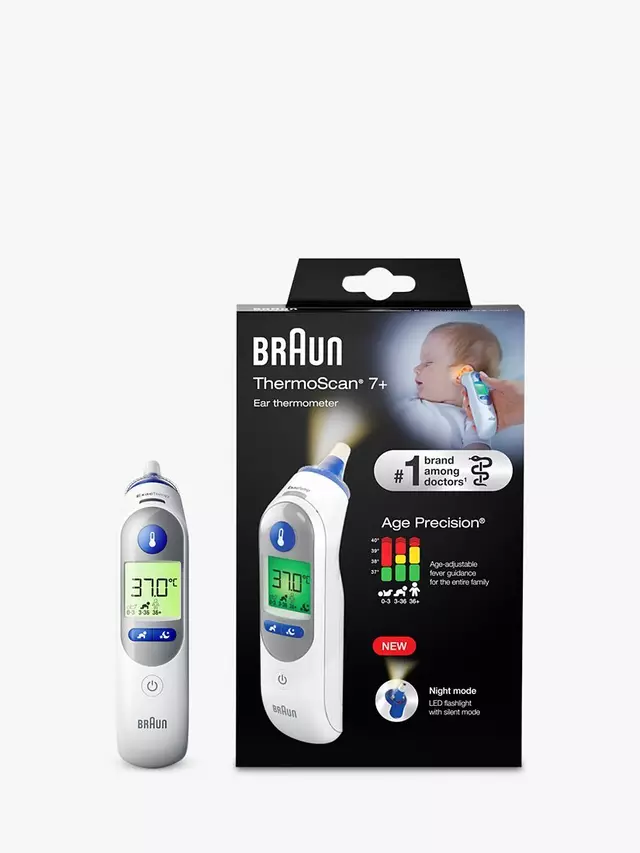 | 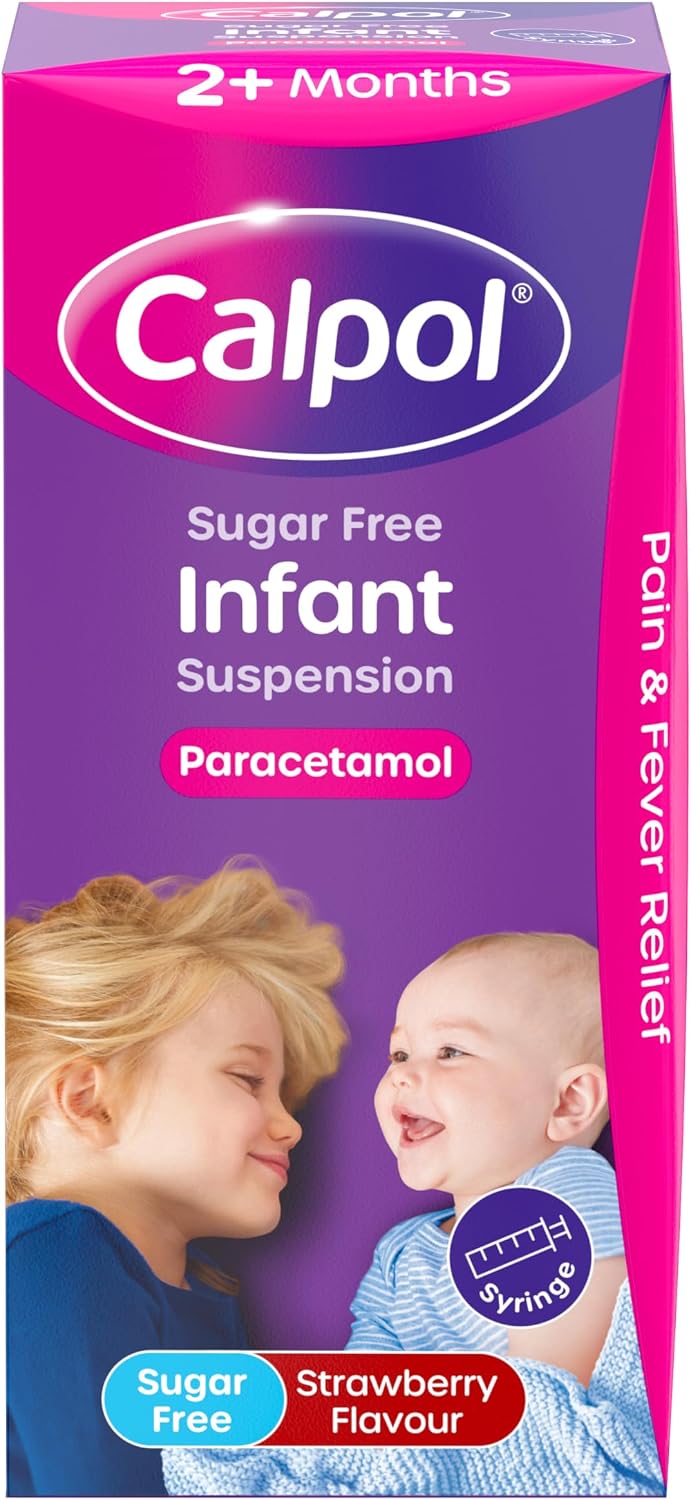 | 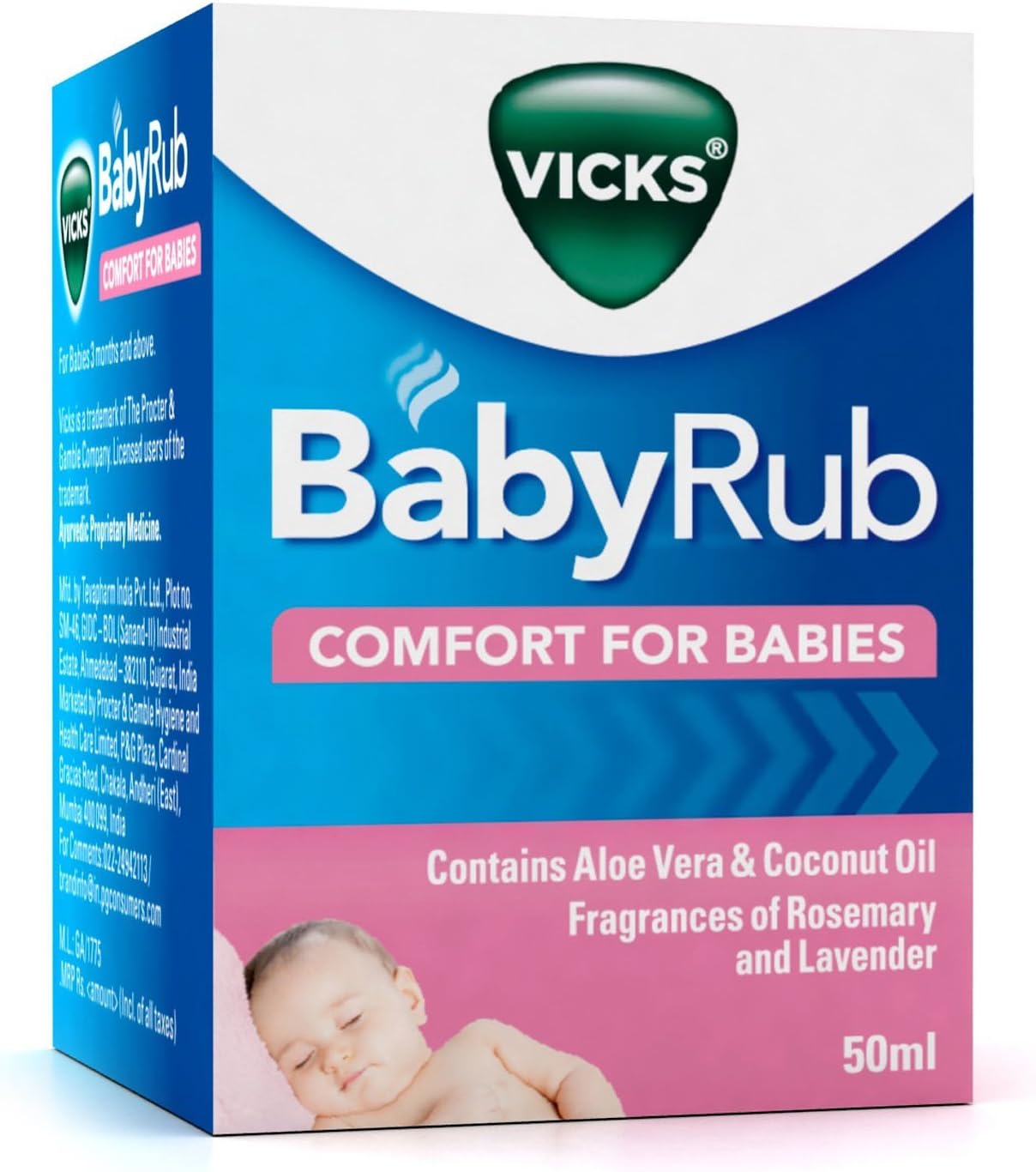 | |
|---|---|---|---|---|
| Price | £4.40 | £40.00 | £4.00 | £5.00 |
| Overall score | 8/10 | 7.5/10 | 5.5/10 | 5.5/10 |
| Format | — | — | Oral suspension with dosing syringe | Topical rub, chest/back/feet only |
| Suitable from | — | — | 2 months, minimum 4kg | 3 months |
Frequently asked questions
How is Nurofen for Children different from Calpol?+
Nurofen is ibuprofen-based, a non-steroidal anti-inflammatory that works differently in the body to paracetamol-based Calpol. Ibuprofen tends to have a stronger anti-inflammatory effect helpful for injuries or teething swelling, while paracetamol is usually recommended first for very young babies and is gentler on an empty stomach.
What age can babies take this Nurofen suspension?+
It's suitable from 3 months and over 5kg bodyweight, and isn't generally recommended for babies under 3 months, unlike some paracetamol products.
Can I give my baby both Calpol and Nurofen?+
Many households keep both a paracetamol and an ibuprofen product to alternate doses if a fever isn't settling on one alone, but UK guidance from the NHS doesn't recommend routinely giving both together unless a doctor or pharmacist advises it.
Are there conditions where I shouldn't give this Nurofen?+
Yes — as an NSAID it should be used with more caution in children with asthma, dehydration, or chickenpox, carrying more 'do not use if' caveats to check than paracetamol-based Calpol.

Reviewed by
Sepehr
Software engineer, soon-to-be dad, uncle to four — the tech-obsessed half of the two of us testing this stuff. Currently building this site with my wife, ahead of our own baby arriving.