Rattle Box Safe Teethers: OPSS Choking Warning (UK)
The Office for Product Safety and Standards published a safety report on 27 November 2026 for Rattle Box Safe Teethers sold via Amazon. The teethers can break into small parts, a serious choking risk for under-threes. Here is what the report says, how to check your set, what to do, and how to choose safer teethers.
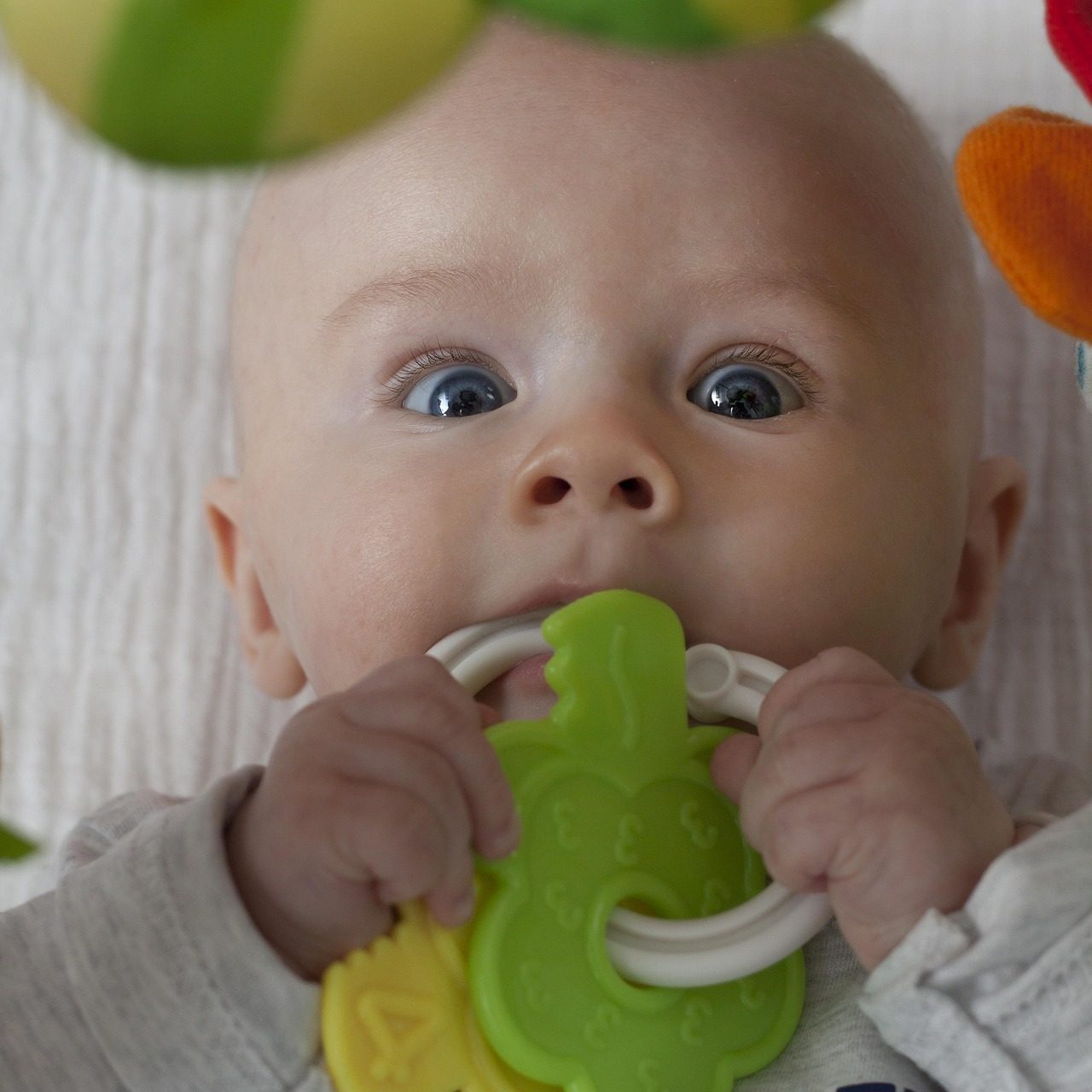
On 27 November 2026 the Office for Product Safety and Standards (OPSS) published a Rattle Box Safe Teethers safety report: an orange box of plastic teethers sold via Amazon that can break into small parts, a serious choking risk for under-threes. If you have this set, stop using it.
What the OPSS report says
The product is described as an orange plastic box filled with a selection of teethers, sold via Amazon under the name Rattle Box (model DP/BP:20260901A, made in China). The OPSS product safety report (reference 2611-0155) was notified by local authority Trading Standards. It rates the risk as serious.
The hazard is choking. According to the report, the teethers can break during impact or tension testing, and the resulting pieces fit entirely inside the small-parts cylinder, the standard test gauge used to judge whether a part is small enough to choke a child under three. The report concludes the set does not meet the Toys (Safety) Regulations 2011.
The only corrective action listed is that the import was rejected at the border. The page does not give specific advice to people who already bought one, so the steps below are our practical reading, based on how OPSS and the NHS treat choking hazards generally.
Key facts at a glance
| Detail | What OPSS reports |
|---|---|
| Product | Rattle Box Safe Teethers, orange plastic box of assorted teethers |
| Sold via | Amazon |
| Model | DP/BP:20260901A |
| Amazon identifiers | FBA15MBZZTD0U000037, BR-3241, X002NC2HZR |
| Hazard | Teethers break into small parts, choking risk for under-3s |
| Risk level | Serious |
| Rule breached | The Toys (Safety) Regulations 2011 |
| Action taken | Import rejected at the border |
| Alert type | Product safety report (not a formal recall) |
What to do if you have a set
- Stop using every teether in the box. Because the report covers the set, do not keep a favourite piece back.
- Check the packaging and your Amazon order history for the Rattle Box name, the model code DP/BP:20260901A or the identifiers in the table.
- Look for damage. If a piece is cracked, split or missing a fragment, check where the fragment went. Our room-by-room baby-proofing guide covers how to search floors and sofa gaps.
- Ask Amazon for a refund. OPSS does not state a refund route for this report, but a product that fails UK safety regulations is a reasonable basis to ask the seller or Amazon for your money back.
- Do not pass it on or donate it. Recalled and flagged goods keep circulating through hand-me-down bags and resale sites.
If a baby has put a piece in their mouth and is struggling to breathe, follow the NHS choking first-aid steps for babies (back blows and chest thrusts) and call 999 if they cannot clear it. Learning these steps before an emergency is worth ten minutes; the NHS has a clear walkthrough.
Why a "safe" label proves nothing
The name on this set includes the word "safe", yet the regulator found the pieces fail the small-parts test. Names, listing photos and star ratings are marketing, not evidence. What counts is whether the product meets the Toys (Safety) Regulations 2011, which for teethers and other mouthing items covers mechanical strength, small parts and age labelling. Our guide to toy safety standards explains the CE and UKCA markings and what the age warnings mean.
Multi-piece "value" sets add a specific risk: with a dozen or more pieces in a box, any one weak moulding becomes a hazard, and the set is rarely checked piece by piece by the parent. A single teether from an established brand is easier to inspect and easier to replace.
How to check a teether before your baby chews it
- Read the packaging, not just the listing. Look for a UKCA or CE mark, a manufacturer or importer name and UK or EU address, a batch or model code, and a stated minimum age.
- Pull it. Gently stretch, twist and squeeze the teether the way a baby would. It should not crack, split or shed any bits. The OPSS report describes exactly this kind of failure under tension and impact.
- Check for loose parts. Anything that rattles with a detachable ball, bead or decorative piece is a risk if the housing can open.
- Look for one-piece construction. Solid silicone or moulded rubber with no join gives fewer weak points than glued or clipped assemblies.
- Re-inspect often. Teethers wear. Bin anything cracked, sticky, discoloured or torn.
Sensible alternatives and rough UK prices
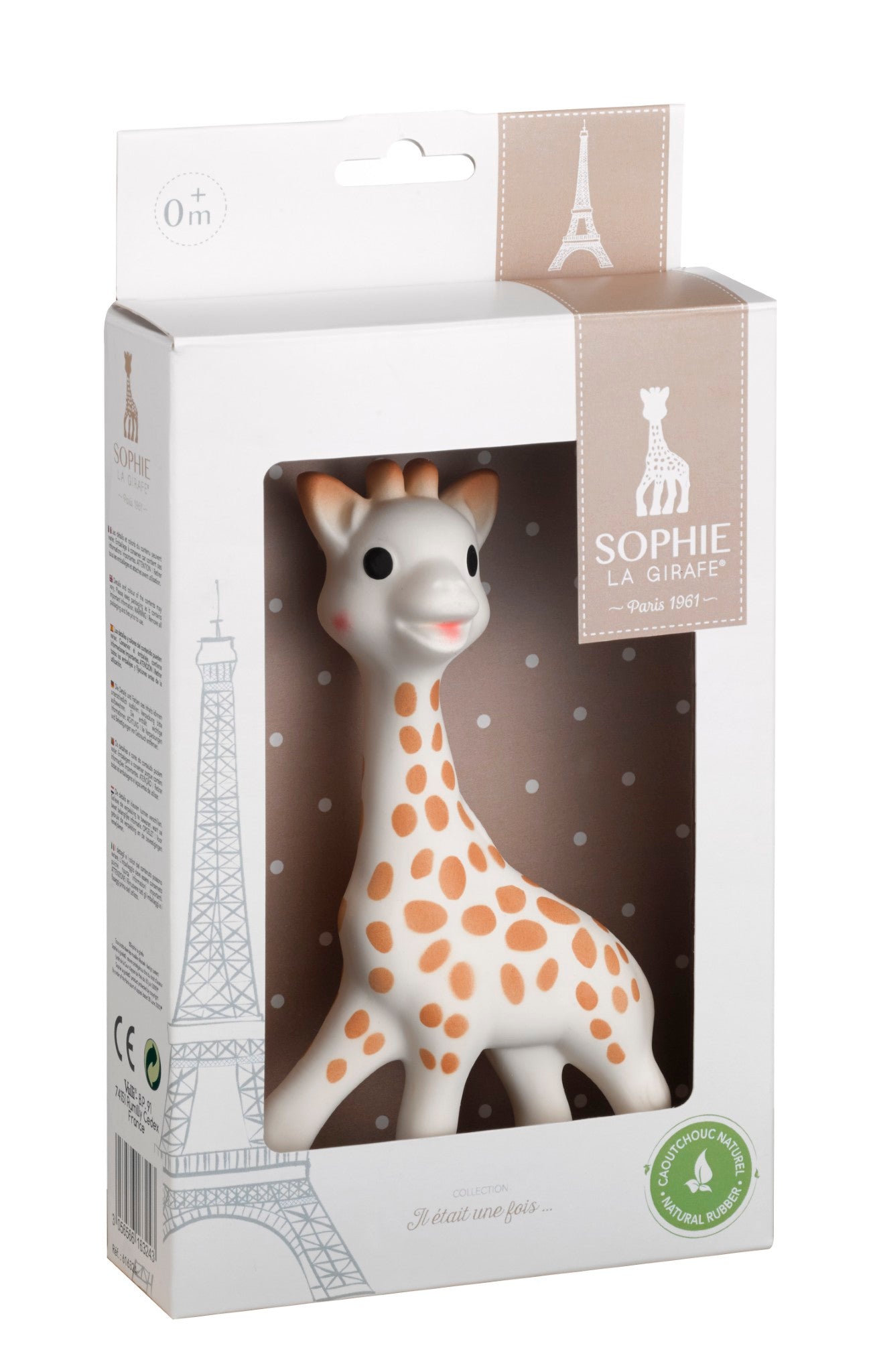
Prices change, so treat these as ballparks from the retailers we link to rather than quotes. Single, well-known teethers typically cost about £6 to £20. A branded, one-piece natural rubber teether such as the Sophie la Girafe teether sits at the upper end of that range, while simple silicone teethers and teething mittens often cost less. Our teething roundup compares the options we cover, and the teething guide explains what actually helps sore gums.
A chilled (not frozen) clean teether or a cold, damp flannel works as well as most gadgets. For pain relief, speak to a pharmacist, as the NHS teething page advises. A bargain bulk set is rarely the best way to save money.
| Option | Typical UK cost | Why it can help |
|---|---|---|
| Single one-piece teether | £6 to £20 | Fewer joins, easy to inspect |
| Teething mitten | £5 to £12 | Stays on the hand, no small parts when well made |
| Chilled clean flannel | Pennies | Soothes gums and can be washed or replaced |
| Multi-piece box set | Often under £10 | Low price, but many pieces to inspect and one weak piece is enough to cause harm |
Part of a longer pattern
This is not the first teether alert this autumn. In September OPSS flagged the Vicloon and Lorelli teethers for similar choking hazards; we covered what to check in our Vicloon and Lorelli teether recalls article. A pattern shows up in these reports: marketplace listings for cheap, mouthed items from third-party sellers, caught by Trading Standards at the border or after sale.
Add a quick safety check to your routine each time you buy something a baby will put in their mouth, and if you keep a registry or shopping list, our baby registry tool and checklist help you stick to named brands instead of impulse buys.
When to seek help
Call 999 if a baby or child is choking and cannot clear their airway, is going blue or limp, or cannot breathe, cry or cough. If a child swallows a piece and seems fine, the NHS advice is still to get them checked if they develop a cough, drooling, wheezing or discomfort, so call NHS 111 or your GP if you are unsure. You can also report unsafe products to Trading Standards via Citizens Advice.
Mentioned in this guide
Frequently asked questions
Is the Rattle Box Safe Teethers set recalled?+
Not formally. OPSS published a product safety report (2611-0155) on 27 November 2026 rather than a recall notice. It rates the risk as serious, says the teethers can break into small parts that fit within the small-parts cylinder, and records that the import was rejected at the border. The page gives no specific advice to existing owners, so the cautious step is to stop using the whole set, keep it away from your baby and ask Amazon or the seller for a refund.
How do I know if I have the affected Rattle Box set?+
OPSS describes an orange plastic box filled with assorted teethers, sold via Amazon under the Rattle Box name, model DP/BP:20260901A. The Amazon identifiers listed are FBA15MBZZTD0U000037, BR-3241 and X002NC2HZR. Check your Amazon order history and the packaging for these details. If you are unsure whether a similar teether set is affected, the safest option is to stop using it and choose a one-piece teether from a brand that lists a UK address and age labelling.
What should I do if my baby has chewed a piece of a broken teether?+
Take any remaining pieces away and check the mouth gently. If your baby is choking and cannot cough, cry or breathe, follow NHS first aid for choking babies, which is back blows then chest thrusts, and call 999. If a piece may have been swallowed but your baby seems well, the NHS advises getting medical advice, so call NHS 111 or your GP, especially if coughing, drooling, wheezing or discomfort develops.
Where can I check for other UK baby product alerts?+
OPSS publishes every UK product safety alert, report and recall on gov.uk under Product safety alerts, reports and recalls. You can filter the list by childcare and children's equipment or toys. It is worth checking before buying a marketplace product that a baby will put in their mouth, and again if you are given second-hand items. Trading Standards, via Citizens Advice, takes reports of products you think are unsafe.
Sources
Related guides
Tax-Free Childcare & 30 Hours Free Childcare 2026/27
How Tax-Free Childcare and 30 hours free childcare work in England: the £2-for-£8 top-up, who qualifies, the minimum earnings and £100,000 limit, apply-by deadlines, and the mistakes that cost parents funding.

Hobbycraft LED Curtain Lights Recall: Plug Risk, What to Do
On 27 November 2026 OPSS published a recall of Hobbycraft Create & Celebrate Warm White LED Curtain Lights because the plug does not meet UK standards and has no fuse. Here is how to check yours, get a refund, and put up fairy lights safely around a baby or toddler.
Gifts for Baby and Toddler at Christmas: What to Ask For
A practical UK gift list for baby and toddler Christmas presents, split by stage and price band, with group-gift ideas, what to steer relatives away from, safe unwrapping habits and a ready-to-send message.

Written by
Sepehr
Software engineer, soon-to-be dad, uncle to four — the tech-obsessed half of the two of us testing this stuff. Currently building this site with my wife, ahead of our own baby arriving.