Baby Development Milestones: 0 to 6 Months
From reflex smiles in the first weeks to rolling and sitting with support by 6 months, here's what NHS guidance says about early development — and the wide, normal range every milestone actually covers.

The first six months bring some of the fastest physical change your baby will ever go through — from barely lifting their head to rolling, reaching, and starting to sit with support. Every age below is a typical range from NHS sources, not a deadline: babies who arrive at these milestones a few weeks earlier or later are usually still developing entirely normally.
0 to 3 months
According to NHS-affiliated guidance, by around 3 months most babies can:
- Raise their head and chest when lying on their front
- Move their head from side to side when lying on their back
- Bring their hands to their mouth, and open and close their hands
- Touch dangling objects and fix visually on things, following them and turning towards light
Smiling develops earlier than most parents expect but is easy to miss: reflex smiles can appear from birth, though they're brief and often happen during sleep or after feeding rather than in response to a face. A responsive social smile — smiling back at you, specifically — tends to appear from around 6 weeks, and by 3 months many babies are starting to chuckle when happy. There's a wide normal range either side of this — it's exactly the kind of thing to mention at your baby's 6 to 8 week GP check, which happens around the same time as their first round of vaccinations.
3 to 6 months
By around 6 months, NHS-affiliated development guidance describes most babies as able to:
- Roll over both ways — front to back and back to front
- Start sitting up unsupported for short periods, and weight-bear with support when held standing
- Grasp and hold objects in either hand, pass toys between hands, and reach out for things
- Shake and bang toys, and coordinate hand, eye and mouth movements
- Recognise familiar people and objects from a distance, and follow a toy visually from side to side
On sounds and communication, babies in this window typically move from single vowel-like sounds towards babbling with consonant shapes such as "ba", "da" and "ga", squealing, laughing, and starting to "talk" back when you make sounds at them. The NHS's own guidance on early communication is clear that children reach these points at different ages — it's the general direction, not the exact week, that matters.
If your baby was born early
All of the ranges above assume a baby born at full term. If your baby arrived before 37 weeks, NHS guidance is clear that it can take up to two years for a premature baby to catch up developmentally with children born at full term — reaching milestones "a little longer" than the ranges above is expected, not a cause for alarm on its own. Health professionals typically use your baby's corrected age (their age counted from their original due date, rather than their actual birth date) when judging whether development is on track, rather than comparing them directly against a full-term baby of the same birth date. One exception: vaccinations are still given according to your baby's actual age, not their corrected age. If you're at all unsure which age to use when thinking about the milestones above, your health visitor or neonatal team can talk it through.
Supporting development day to day
You don't need special equipment or a structured programme in these months — the things that help most are ordinary and low-cost: time on the floor for tummy time once your baby's ready for it, talking and narrating what you're doing throughout the day, making eye contact and responding when your baby makes a sound or a face, and giving them safe opportunities to reach for and hold different textures and shapes. Simple, high-contrast patterns and faces tend to hold very young babies' attention more than detailed toys, which fits with how their vision is still developing in this period. None of this needs to be scheduled — it happens naturally in feeding, nappy changes, and playtime, and it's the everyday interaction that matters more than any specific product.
Tummy time and gross motor development
Head and shoulder strength in this stage largely comes from tummy time, which is also where you're most likely to notice rolling and pushing-up progress first. If you haven't started yet, or aren't sure how much is enough at each age, our guide on when to start tummy time and how much covers the practical side in more detail than fits here.
When to mention something to your health visitor
Every milestone above covers a wide, normal range, and no single late milestone means much in isolation. That said, guidance from NHS-affiliated child health services suggests contacting your health visiting team if, by around 6 months, your baby isn't grasping toys at all, isn't bringing their hands together in the middle of their body, keeps their hands clenched most of the time, shows no interest in exploring objects, or can't hold their head and shoulders steady during tummy time or supported sitting. The NHS is equally clear that losing a skill your baby previously had — sometimes called regression — is a more meaningful reason to seek advice urgently than simply reaching a milestone a bit later than a book suggests.
Your baby's 6 to 8 week GP check is a built-in opportunity to raise anything you've noticed, alongside your health visitor's routine contacts — you don't need to wait for a scheduled review if something's worrying you sooner.What comes next
Once your baby is rolling, reaching and starting to sit, development moves quickly into crawling, first words and pulling to stand — our guide to milestones from 6 to 12 months picks up exactly where this one leaves off.
Frequently asked questions
When do babies start smiling?+
Reflex smiles can appear from birth, but a responsive social smile — smiling back at you specifically — typically develops from around 6 weeks old, with many babies starting to chuckle by 3 months. There's a wide normal range either side of this.
When do babies typically roll over?+
According to NHS-affiliated development guidance, most babies can roll both ways — front to back and back to front — by around 6 months, though some start noticeably earlier or later.
When should my baby be able to sit up?+
Most babies start sitting unsupported for short periods by around 6 months, though this is often brief at first and builds up over the following weeks.
What if my baby isn't hitting these milestones?+
Every range above is wide, and one late milestone rarely means anything on its own. Guidance suggests contacting your health visiting team if your baby shows several signs together by 6 months — such as not grasping toys at all or poor head control in tummy time — and to seek advice urgently if your baby loses a skill they previously had.
Sources
- Derbyshire Family Health Service (NHS) — Your baby's early development from birth to six months
- Cambridgeshire & Peterborough Children's Health (NHS) — 6 month developmental milestones
- NHS — First sounds: 0 to 6 months
- NHS — Your baby's health and development reviews
- Just One Norfolk (NHS) — Growth and development for babies needing extra care
Related guides
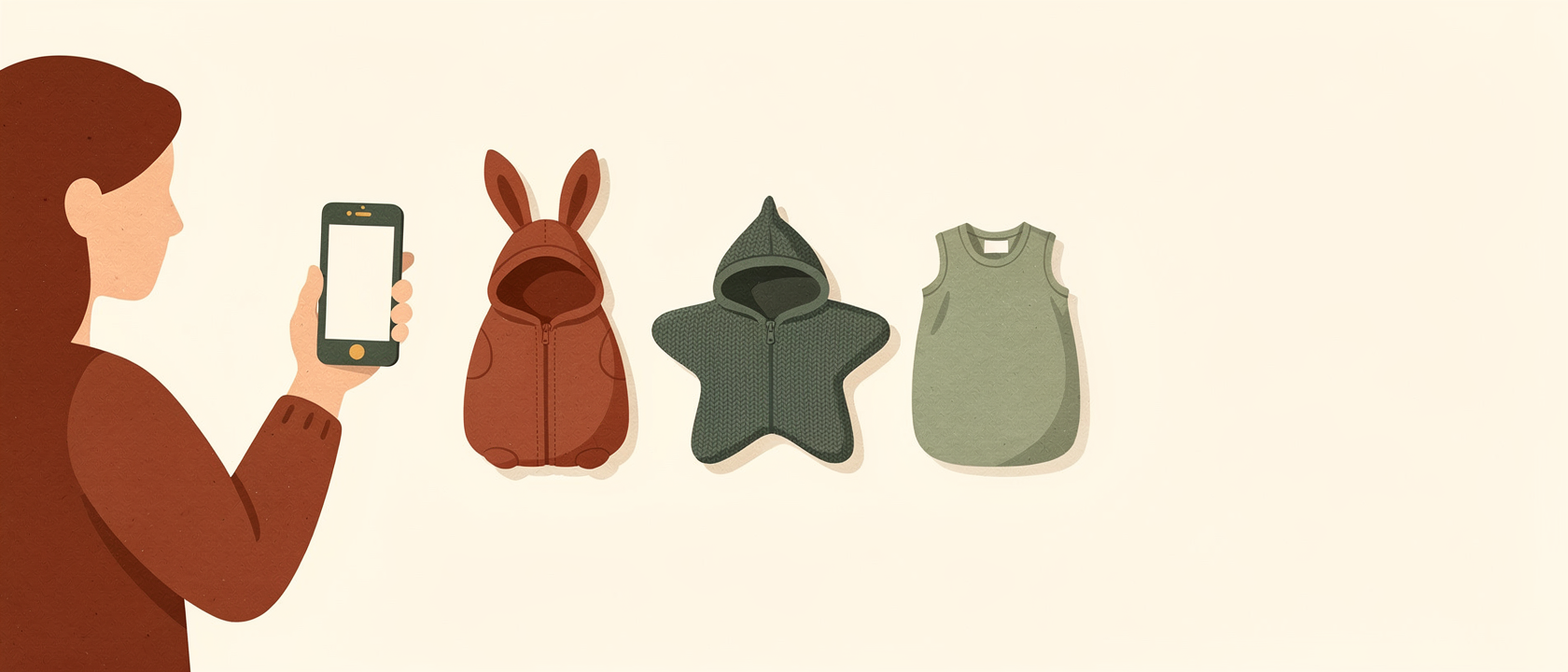
Hooded Baby Sleeping Bags Removed From 7 UK Marketplaces
On 26 October 2026 the OPSS published seven reports on baby sleeping bags sold via Amazon, AliExpress, OnBuy, Wish, Vinted, Etsy and Joom, warning of asphyxiation and overheating risk. Here is what they say, why festive and crochet designs are affected, and how to check a listing before you buy.
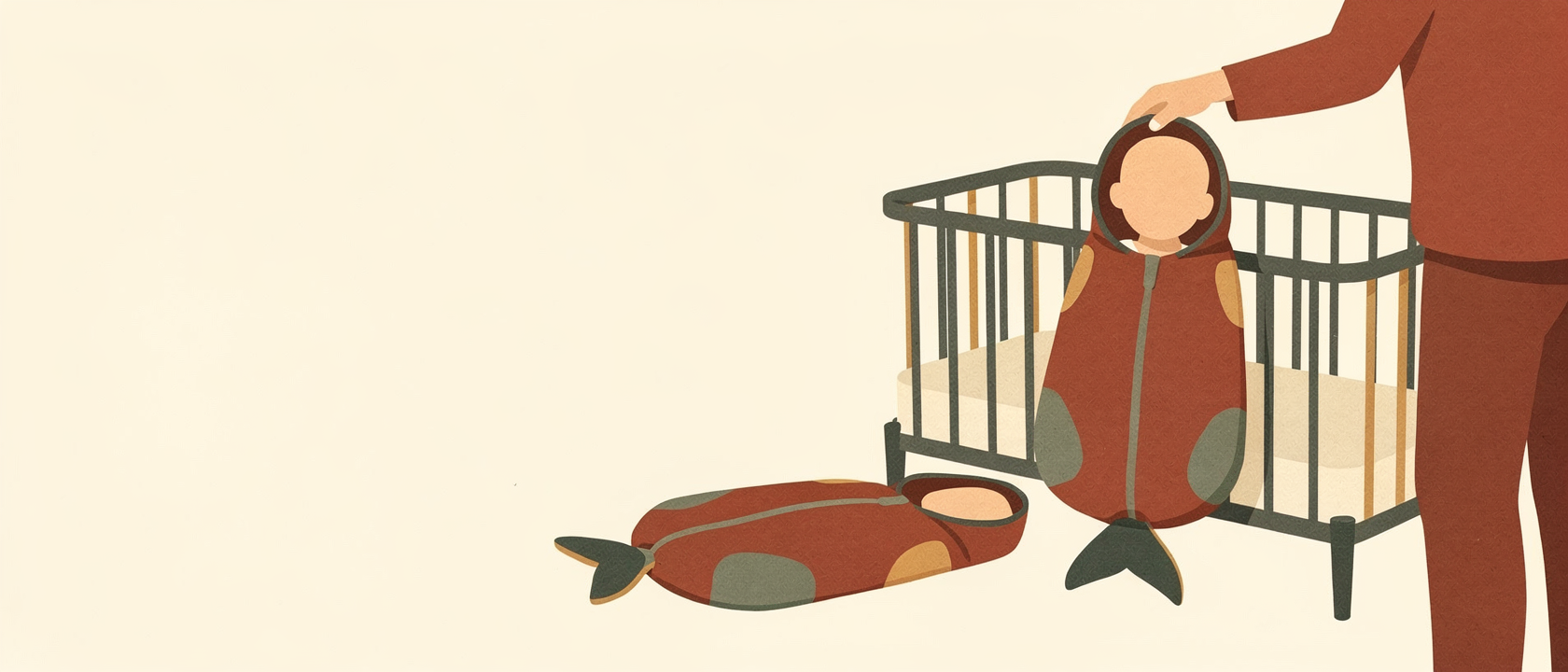
Shark Tail Hooded Baby Sleeping Bag: OPSS Safety Report
On 22 October 2026 the OPSS published a serious-risk safety report on the Shark Tail Baby Sleeping Bag, a hooded baby sleeping bag sold via Wish. Here is what the report says, how to check any baby sleeping bag you own, and what the Lullaby Trust advises.
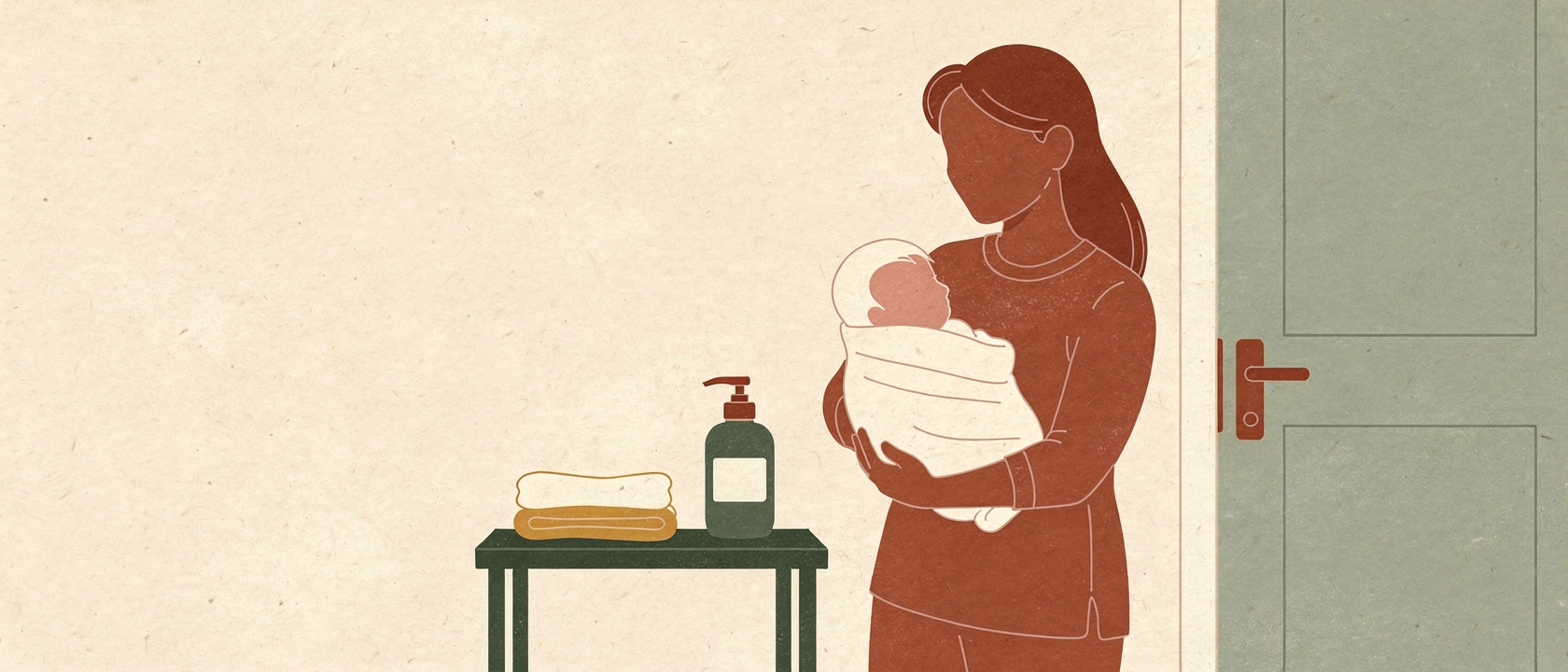
Visitors Kissing Your Newborn: Lullaby Trust Advice
New Lullaby Trust research says 57% of parents have had a baby kissed without asking. Here is the Trust's THANKS guidance on handwashing, kissing and unwell visitors for newborns, plus practical ways to set boundaries with family without causing offence.

Written by
Sepehr
Software engineer, soon-to-be dad, uncle to four — the tech-obsessed half of the two of us testing this stuff. Currently building this site with my wife, ahead of our own baby arriving.