Best Pregnancy Tests Compared: Digital vs Strip
A digital word result feels more reassuring than a line, but it isn't more accurate — and the cheapest strip in this comparison uses the same core chemistry as the priciest box. Here's how to pick between them, based on when you're testing and what you want the result to look like.

The honest answer to "which pregnancy test should I buy" is: they all detect the same hormone, so the real choice is between a clear digital word result (pricier, easier to read) and a cheaper line test (more tests for your money, but a line to interpret). If you're testing once, from the day of a missed period, a digital test removes any guesswork. If you're testing repeatedly during a two-week wait, a bulk pack of line strips does the same job for a fraction of the cost.
How pregnancy tests actually work
Every test in this comparison — digital or line, budget or premium — detects the same thing: human chorionic gonadotrophin (hCG), a hormone that starts to be produced around 6 days after fertilisation and builds up in your urine as a pregnancy progresses. The NHS is clear that you can test from the first day of a missed period with reliable results, and that some more sensitive tests can pick up a result a few days earlier than that, though earlier testing carries more risk of a false negative simply because hCG levels are still low (NHS — Doing a pregnancy test).
Because the underlying chemistry is the same across brands, the differences between the tests below come down to presentation (line vs digital word result), claimed sensitivity (how early before a missed period a test claims to detect hCG), and price per test — not how "accurate" the test fundamentally is once you're testing on or after the day your period is due.
Digital vs line: which result format suits you
The Clearblue Digital Pregnancy Test with Weeks Indicator (around £10 for two tests) shows a plain "Pregnant" or "Not Pregnant" on a small screen, plus an estimate of how many weeks since ovulation — a genuinely useful extra when you come to book your first midwife appointment, which is usually dated from your last period. There's no line to squint at, which matters most for a first pregnancy or an anxious wait, but it costs more per test than any strip here, and it uses a battery and screen rather than being fully disposable.
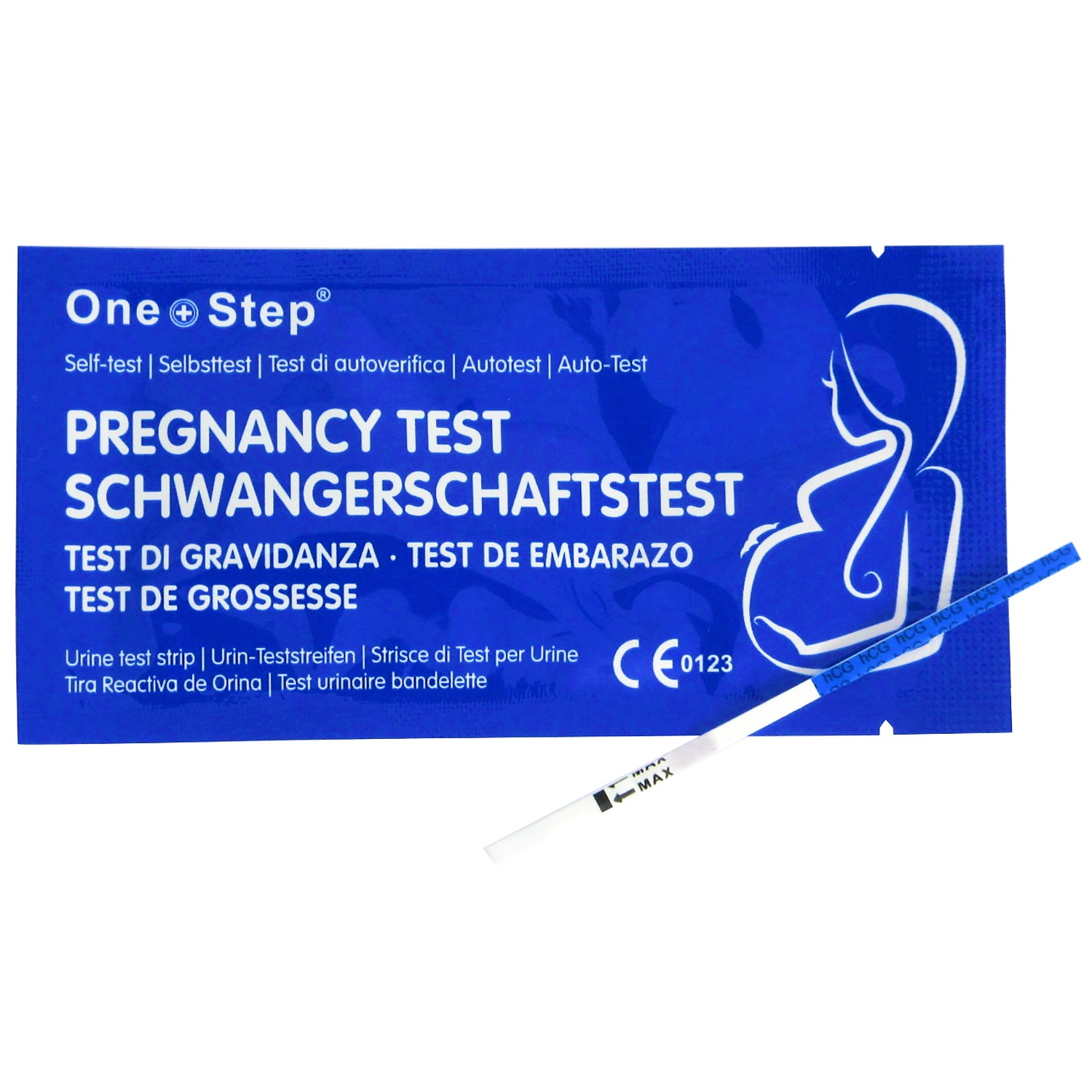
Every other test in this category — from Boots' own-brand Pregnancy Test Strips (5 tests for £4.99) to the budget Clear & Simple Pregnancy Test (£3 for two) and One Step's Ultra Early Strips (£1.16 for three) — is a line-comparison test: a control line plus a test line that appears if hCG is detected. These use the same core chemistry as the Clearblue digital test, at a much lower price per test, but the trade-off is a line you have to read yourself, which can feel faint and ambiguous very early in a pregnancy or if you're not sure what you're looking for.
Early-detection tests: what the claims actually mean
First Response's Early Result Triple Check (£10 for three) and One Step's Ultra Early Strips (rated 10mIU/ml sensitivity) are both marketed on testing before a missed period. In practice, these claims describe how little hCG the test is designed to detect, not a guarantee — the NHS is explicit that a positive result is almost always correct, but a negative result is less reliable, particularly if you test earlier than your missed period, because hCG simply may not have built up to a detectable level yet (NHS — Doing a pregnancy test). If an early test comes back negative and your period still doesn't arrive, the NHS advice is to wait a few days and test again, and to speak to your GP if a second test is also negative but your period hasn't come (NHS — Doing a pregnancy test).
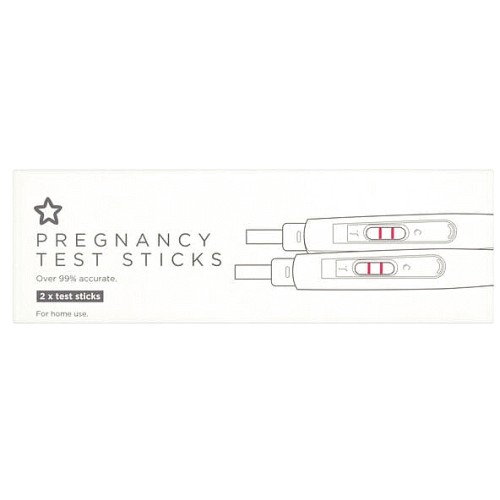
Superdrug's Early Signs Pregnancy Test (around £4 for one) makes a similar early-detection claim at a lower price, but as an own-brand product it doesn't publish the same independently reviewed sensitivity data behind Clearblue and First Response's claims — worth reading the "up to 6 days early" figure with that caveat rather than treating every early-detection claim as equally verified.
Side-by-side comparison
| Test | Format | Price | Best for |
|---|---|---|---|
| Clearblue Digital with Weeks Indicator | Digital, word result + weeks estimate | £10 (2 tests) | A clear, unambiguous result — especially for a first pregnancy |
| First Response Early Result Triple Check | Line, early-detection claim | £10 (3 tests) | Testing a few days before your period is due |
| Boots Pregnancy Test Strips | Line | £4.99 (5 tests) | A trusted high-street pack with tests to spare |
| Superdrug Early Signs Pregnancy Test | Line, early-detection claim | ~£4 (1 test) | A cheap early test, best treated as a first check rather than a final word |
| Clear & Simple Pregnancy Test | Line | £3 (2 tests) | A low-stakes first check kept in the cupboard |
| One Step Ultra Early Strips, 10mIU | Line, high-sensitivity claim | £1.16 (3 tests) | Frequent, cheap testing during a two-week wait |
How to actually take the test
Whichever test you buy, the same basics apply: you can do a pregnancy test on a urine sample collected at any time of day, and results typically appear within minutes of testing (NHS — Doing a pregnancy test). If you'd rather have a full step-by-step walkthrough — including how long to wait before reading a line test and what an evaporation line is — our guide to taking a home pregnancy test covers the process in detail. And if you're not sure when in your cycle you'd even be due to test, our piece on calculating your fertile window explains why "day 14" isn't a reliable rule for everyone.
Our take
None of these products have been hands-on tested by us yet, so treat this as a research-based comparison of published claims and pricing rather than a ranked personal recommendation — we'll update this once we've used them directly. If you want the simplest, least ambiguous result and don't mind paying more per test, the Clearblue Digital is the sensible pick. If you're testing more than once — which is common during a two-week wait — a bulk strip pack like One Step's keeps the cost down without changing the underlying accuracy once you're testing from the day of a missed period.
Mentioned in this guide
Frequently asked questions
Is a digital pregnancy test more accurate than a line test?+
No — digital and line tests detect the same hormone (hCG) using the same underlying chemistry. A digital test is easier to read because it shows a word rather than a line, but it isn't more accurate once you're testing from the day of a missed period, per NHS guidance.
When is the best time to take a pregnancy test?+
The NHS advises testing from the first day of a missed period for the most reliable result. Some tests claim to detect pregnancy a few days earlier, but testing too early increases the chance of a false negative because hCG levels may still be too low to detect.
What should I do if my pregnancy test is negative but my period hasn't started?+
The NHS recommends waiting a few days and testing again. If a second test is also negative but your period still hasn't arrived, speak to your GP.
Are cheap pregnancy test strips as reliable as branded digital tests?+
The core chemistry is the same across the budget and branded tests in this comparison. Own-brand and bulk strips are a reasonable, lower-cost choice, though tests making early-detection claims without independently published sensitivity data are worth reading with a little more caution than well-established brands.
Sources
Related guides

How to Take a Home Pregnancy Test (and Get an Accurate Result)
Testing too early is the single biggest reason for a false negative. Here's what actually determines when a test can detect pregnancy, and how to avoid the most common mistakes.
Natural Cycles vs Mira vs Ava: Which Fertility Tracker Is Actually Worth It
These three tools solve the same problem in completely different ways, at completely different price points. Here's the real difference in what you're paying for.

When to See a GP If You're Struggling to Conceive
It's normal for conception to take up to a year. Here's the actual NHS guidance on when 'give it more time' should become 'go see a GP'.

Written by
Sepehr
Software engineer, soon-to-be dad, uncle to four — the tech-obsessed half of the two of us testing this stuff. Currently building this site with my wife, ahead of our own baby arriving.